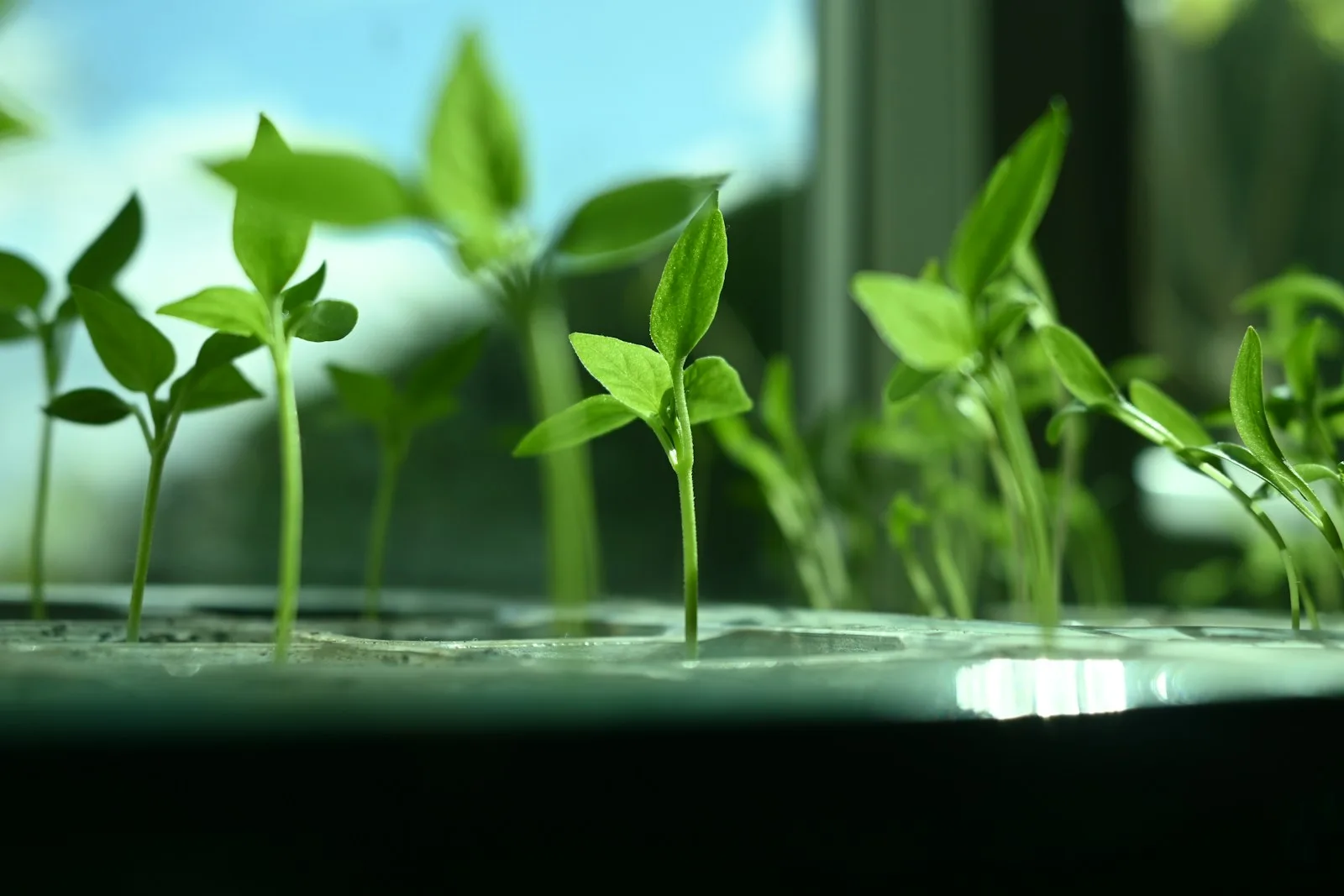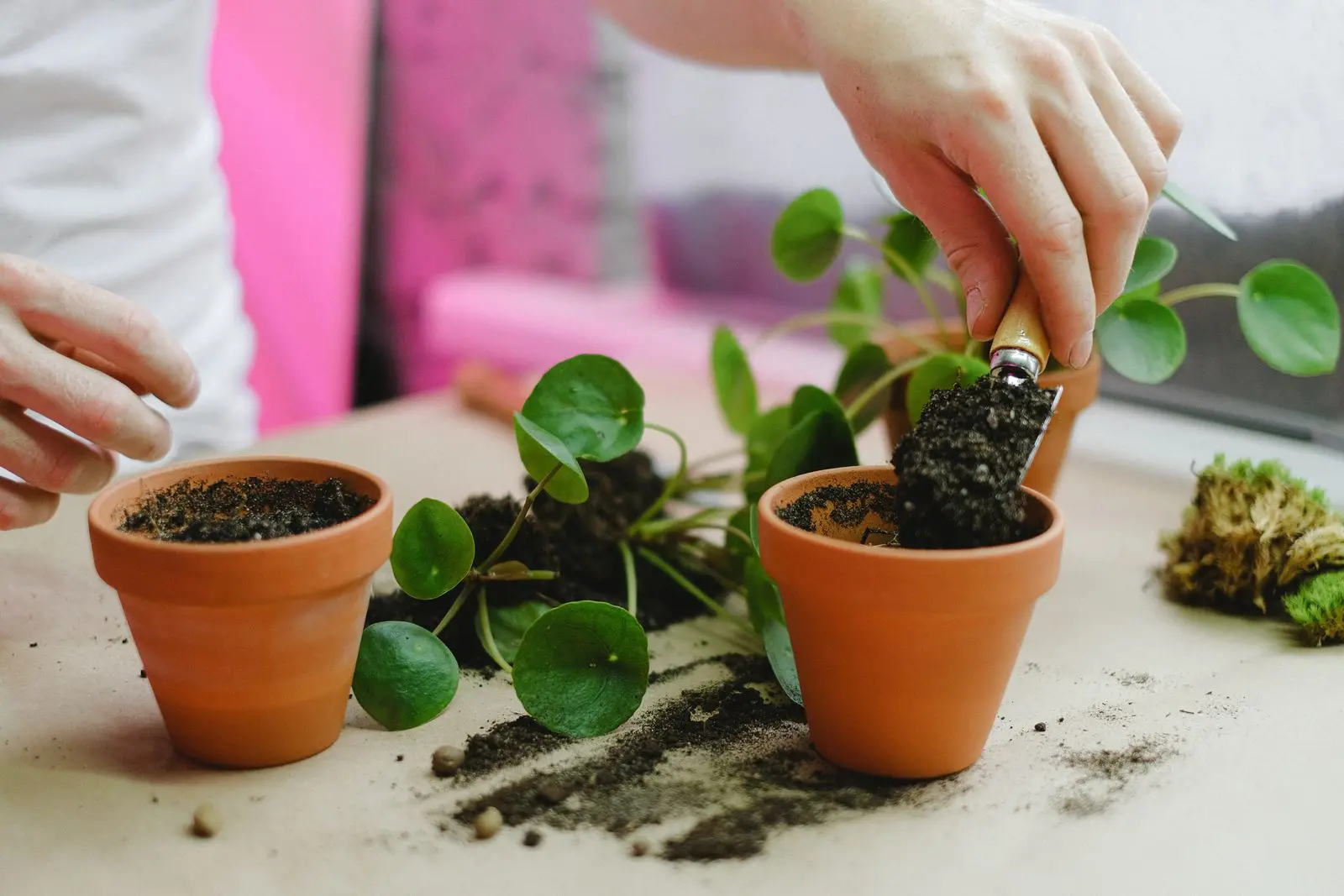
Sanitation is a workflow, not just a soaking bucket
A tray can be carefully treated and then immediately set on a dirty floor or stacked inside an unwashed tray. That breaks the purpose of the work without leaving an obvious visual sign. Plan the whole sequence before beginning: dirty collection, debris removal, washing, any appropriate disinfection, drying, and protected storage. Assign a location to each stage so items move forward rather than repeatedly crossing back through the dirty area.
The same principle applies to the workbench, scoops, labels, watering equipment, and hands that touch the next batch. You do not need a commercial greenhouse to benefit from a simple separation between used and ready-to-use equipment. Label two containers if space is limited. A visible system is easier for household members to follow than a rule that only one person remembers when the sowing session becomes busy.
Understand what used equipment can carry
Minnesota Extension explains that used pots, tools, and media can carry organisms associated with seedling damping off, and that shared water or contaminated handling can move them. University of Minnesota: preventing seedling damping off This is a reason to reduce avoidable transfer, not evidence that every used tray is infected or that disinfection alone guarantees a healthy batch.
Set containers from diseased crops aside; UMass advises against reusing them. Seek diagnosis-specific guidance before deciding whether disinfection is an appropriate exception. Keep a note of the diagnosis with the affected equipment so it does not return to the ordinary cleaning queue. If seedlings simply performed poorly, preserve the observations without assigning a pathogen from appearance alone. Include sowing medium, watering pattern, temperature, and light in the investigation. Sanitation works best as one part of a growing system whose other conditions also support seedling growth.
Inspect and sort before spending time on cleaning
Empty used equipment in an appropriate location and inspect it. Separate cracked trays, brittle pots, blocked drainage holes, and items with inaccessible accumulations. Decide which can realistically be cleaned and used safely. A broken support tray may spill a full batch during hardening off even if its surface is disinfected perfectly. Keep repair and replacement decisions separate from cleanliness so one concern does not obscure the other.
Sort by material and intended treatment. Thin flexible inserts, rigid plastic pots, metal tools, wood, and electronic equipment may not tolerate the same process. Locate manufacturer instructions for reusable products when available. Do not place a heat mat, light fixture, timer, or electrical connection into a tray-cleaning solution. Unplug electrical equipment before cleaning it as directed by its manufacturer, and keep wet work away from powered devices and outlets.
Remove debris and wash before disinfecting
Minnesota Extension distinguishes cleaning from disinfection and emphasizes removing soil and plant debris before treatment. University of Minnesota: cleaning and disinfecting garden equipment Work the corners, rims, drain openings, and undersides where roots and medium remain. A quick rinse that leaves those deposits behind is not the same as a cleaned surface ready for the next step.
Use a brush and washing method appropriate to the material, then follow the relevant rinsing guidance. Inspect under good light before moving an item into the next zone. If residue remains, return it to cleaning rather than hoping disinfectant will compensate. Keep the cleaning tools themselves in the dirty workflow until they are appropriately cleaned. Avoid using food-preparation sinks or utensils in a way that contaminates household food surfaces; establish a suitable dedicated arrangement.
Choose the disinfectant from its intended use and label
UMass greenhouse guidance emphasizes cleaning first and using disinfectants according to their labeled requirements. UMass Amherst: cleaning and disinfecting the greenhouse Select a product and method appropriate to the item and intended horticultural use. Confirm material compatibility, dilution, required contact time, protective equipment, ventilation, rinsing, and disposal instructions before mixing anything.
Do not combine cleaning chemicals or add vinegar, ammonia, or another product to a bleach solution. Do not copy an old household-bleach recipe without checking the current product concentration and applicable directions. Products differ, and a phrase such as ten-percent solution can be misunderstood if it does not clearly state what is being diluted. This guide intentionally gives no universal mixing recipe: the verified product instructions and appropriate extension guidance must establish the actual treatment.
Control contact time and coverage instead of guessing
Prepare only the amount needed and label the working container as appropriate to the product instructions. Set a timer for the specified contact period rather than estimating how long an item has been sitting. Ensure the required surfaces receive the treatment; trapped air, nested pots, or stacked trays can leave areas untouched. Follow directions for replacing a solution that is old, contaminated, or otherwise no longer suitable for use.
Keep the treatment area inaccessible to children and pets and separate from food, drinks, and unrelated household activity. Use the prescribed protective equipment and ventilation. If the instructions call for rinsing or drying, make that a defined next stage rather than an optional shortcut when time runs short. Do not use leftover solution on plants or soil unless the product specifically permits that use. Disposal is part of the planned job, not an afterthought.
Protect the clean side of the process
Place treated equipment on a clean, suitable surface and let it complete the required drying process. Keep it away from old potting medium, dirty brushes, used trays, and outdoor soil. Store ready-to-use items so dust and debris do not immediately accumulate in them. Label the storage container or shelf with the cleaning date and any useful treatment note. The label helps distinguish genuinely prepared equipment from items that merely look empty.
Before sowing, clean the work surface and use clean handling tools. Keep the new growing-medium bag away from the dirty collection area and close it appropriately between sessions. Minnesota's damping-off guidance recommends new potting mix rather than reusing old medium or filling seedling trays with garden soil. Treat container reuse and medium reuse as separate decisions: a durable tray can be reused after appropriate preparation without implying that its previous contents should return with it.
Include the accessories that are easy to overlook
Check bottom trays, domes, plant labels, dibbers, measuring containers, and any surface that contacts plugs. A clean insert placed into an unprepared catch tray does not maintain the intended separation. Follow material-specific directions for each accessory. If a label cannot be cleaned effectively or its writing is no longer reliable, replace it rather than risking a mix-up. Accurate identity is part of managing a batch when one group later develops a problem.
Review the watering arrangement as well. Keep hose ends and watering outlets from resting in dirty medium, and avoid transferring questionable water between seedling groups. If a disease problem occurs, seek diagnosis-specific advice for shared water and affected equipment. Do not infer that changing from overhead watering to bottom watering automatically removes every pathway. The important question is what contacts the plants and medium, and whether that contact fits the disease-management guidance for the situation.
Respond to a problem without abandoning the evidence
If seedlings collapse or a concerning pattern spreads, record photographs, dates, affected varieties, and the equipment groups involved. Separate the investigation from the next sowing session so suspect material is not casually returned to the clean workflow. Ask local extension for advice on diagnosis and handling when needed. Do not promise recovery from a kitchen remedy or treat every visible mold as the same disease. The response should follow the identified problem and appropriate guidance.
After the season, review which parts of the cleaning process were difficult. A tray with inaccessible corners may be a poor reusable choice for your setup, while a clear storage system may save more time than another chemical product. Refine the workflow and retain the product directions used. The objective is consistent, practical sanitation that reduces avoidable transfer without overstating certainty: clean equipment, suitable medium, sensible growing conditions, and a record that makes future problems easier to investigate.
Sources & further reading
We favor university extension guidance and original product documentation. Linked sources support the specific facts cited; they do not endorse Garden Gear Atlas.
- University of Minnesota Extension — How to prevent seedling damping off
- University of Minnesota Extension — How to clean and disinfect gardening tools and containers
- UMass Amherst Extension — Cleaning and Disinfecting the Greenhouse