Outdoor ornamentals
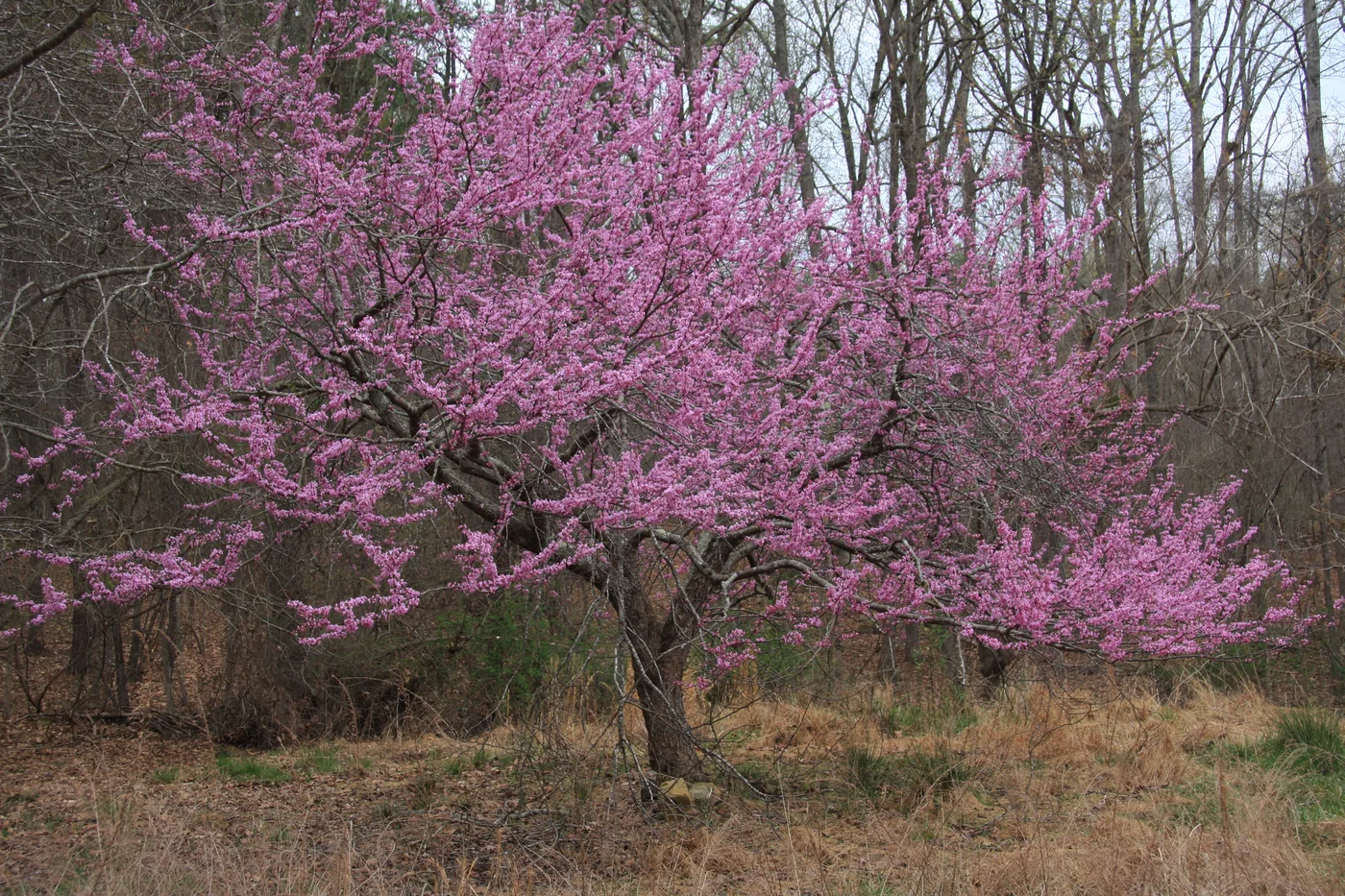
Eastern redbud
Cercis canadensis
A spreading deciduous tree with spring flowers on bare wood, heart-shaped leaves and regional differences in cold, heat and drought performance.
Growing referenceThe growing reference
Start with the conditions you can offer. Explore plant identities, care decisions and practical growing guides, with climate and variety differences made clear.
59 of 59 plant references
Outdoor ornamentals
Cercis canadensis
A spreading deciduous tree with spring flowers on bare wood, heart-shaped leaves and regional differences in cold, heat and drought performance.
Growing referenceOutdoor ornamentals
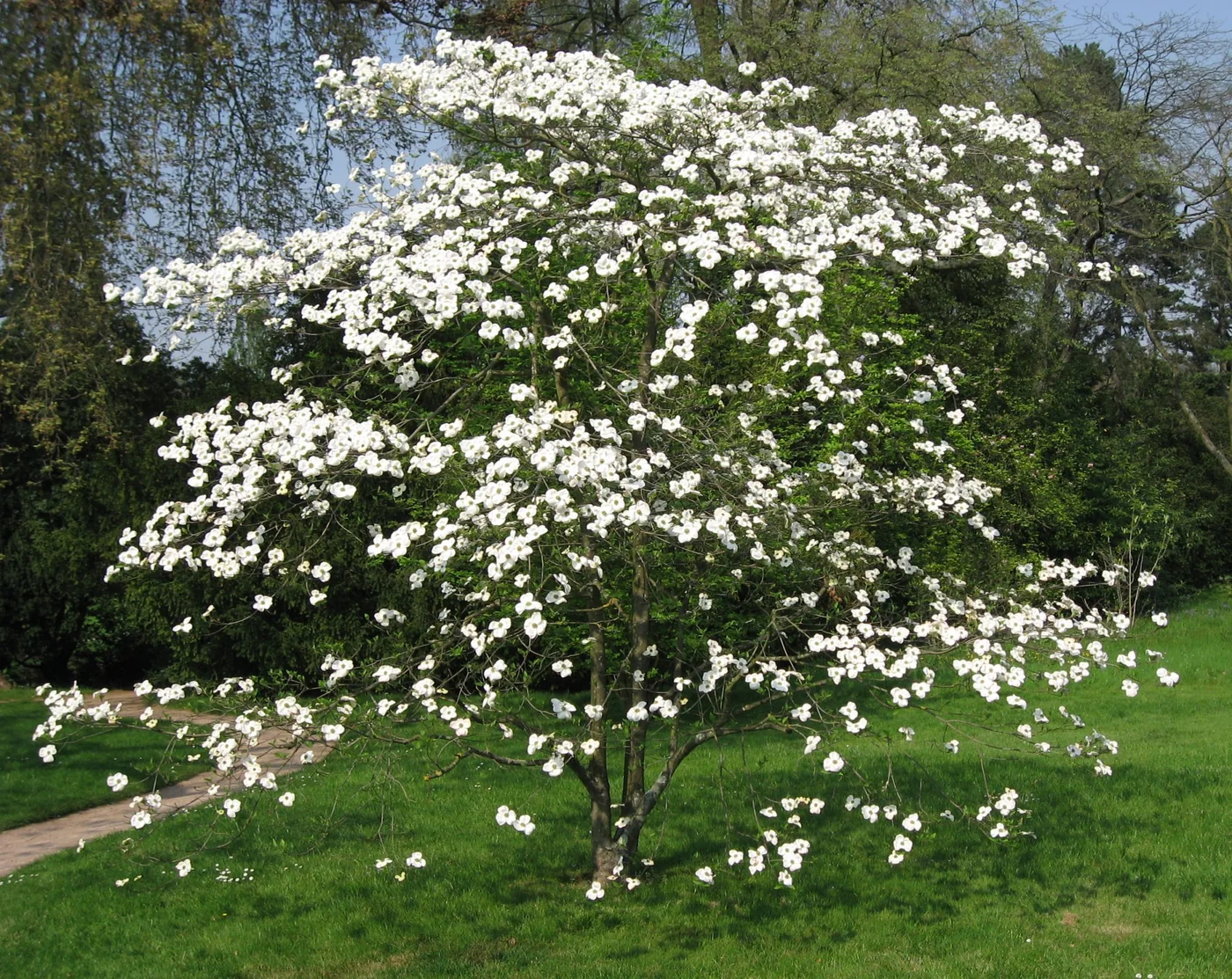
Cornus florida
An eastern North American understory tree with spring bracts, red fruit and a spreading crown, best matched to protected roots and reliable summer moisture.
Growing referenceOutdoor ornamentals
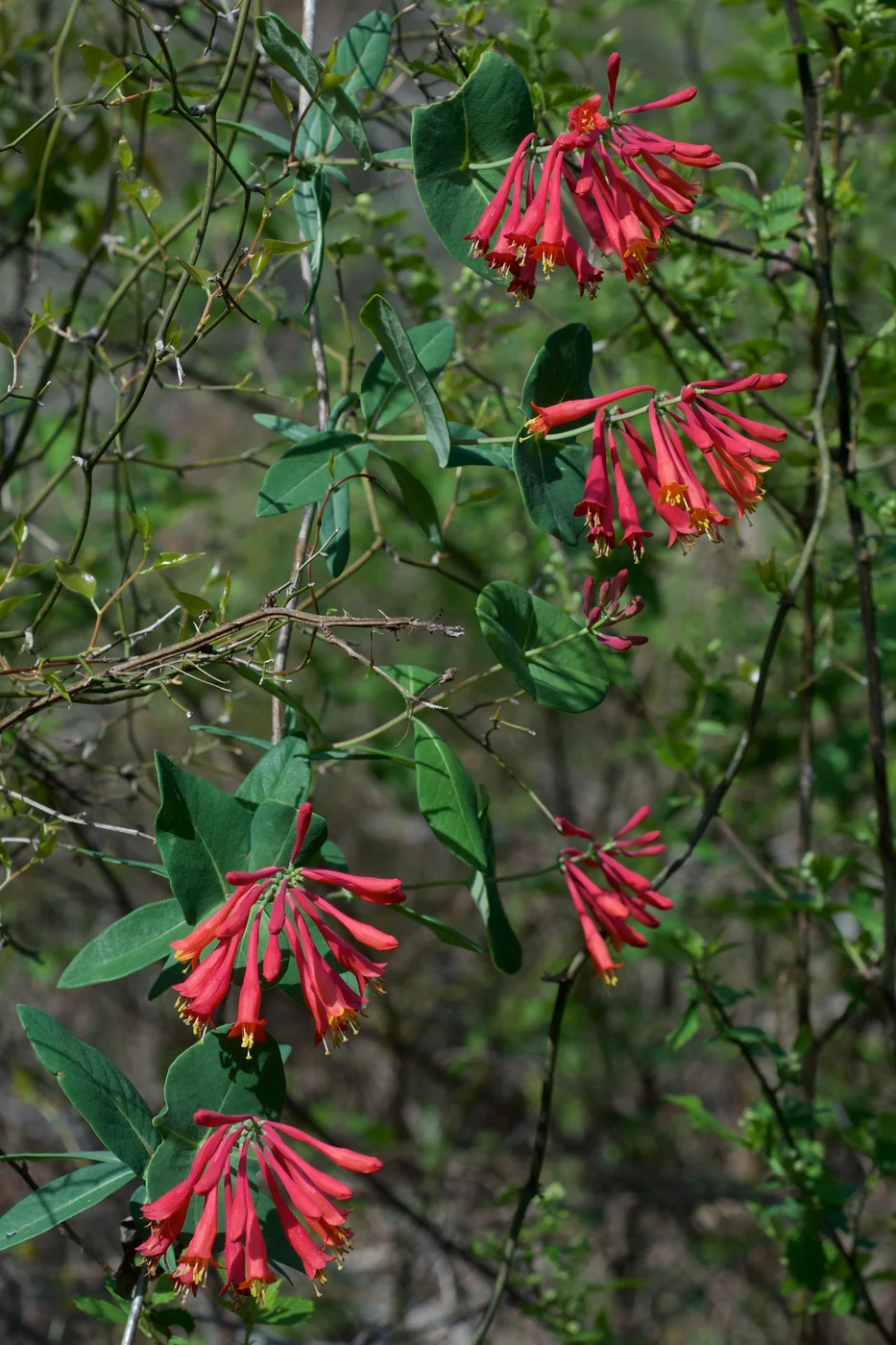
Lonicera sempervirens
An eastern U.S. native twining vine for a supported flower display, with tubular blooms and a winter appearance that changes by climate.
Growing referenceOutdoor ornamentals
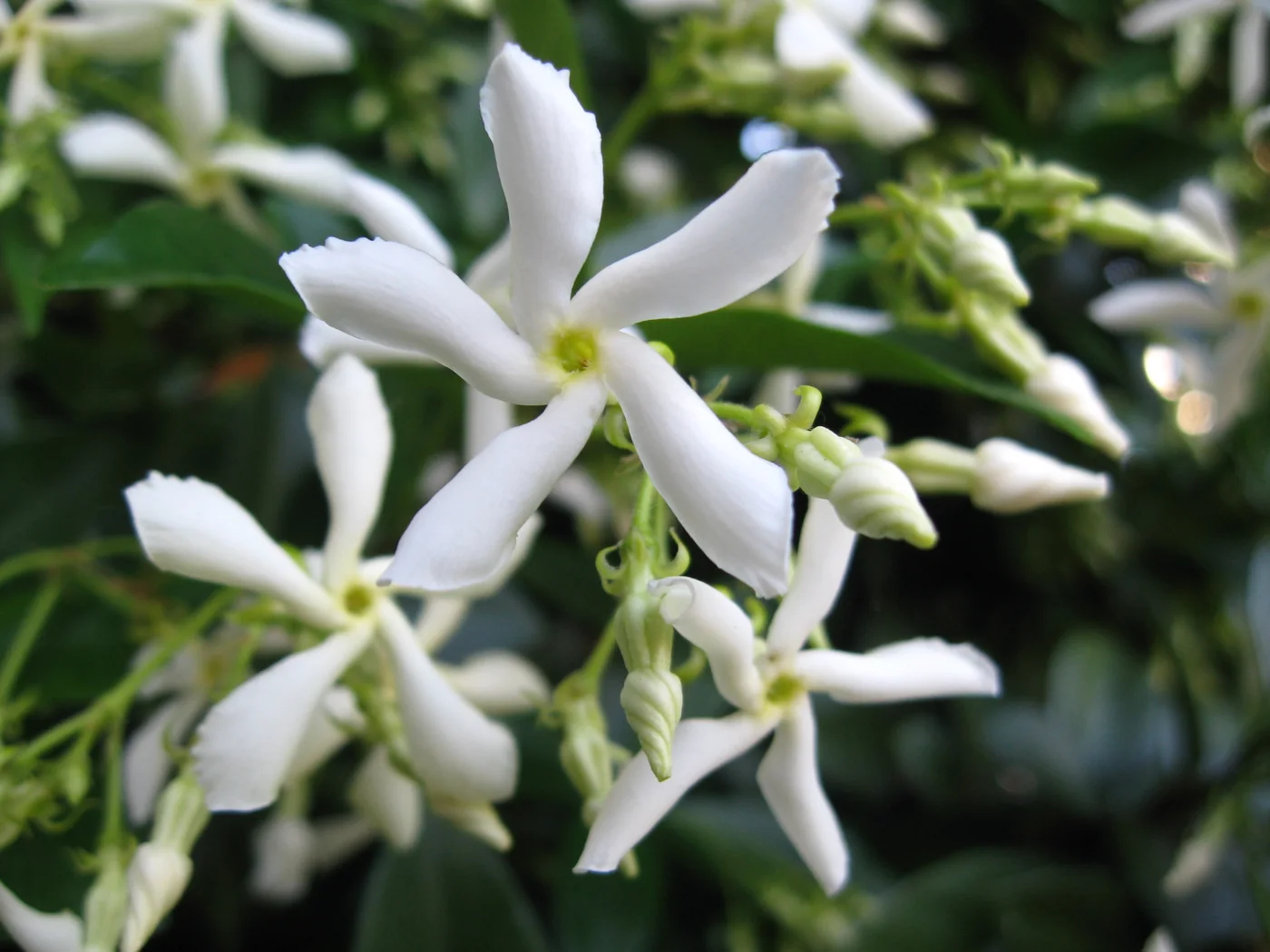
Trachelospermum jasminoides
A fragrant evergreen twining vine for sheltered mild-winter sites, or a supported container that can receive suitable winter protection.
Growing referenceHerbs
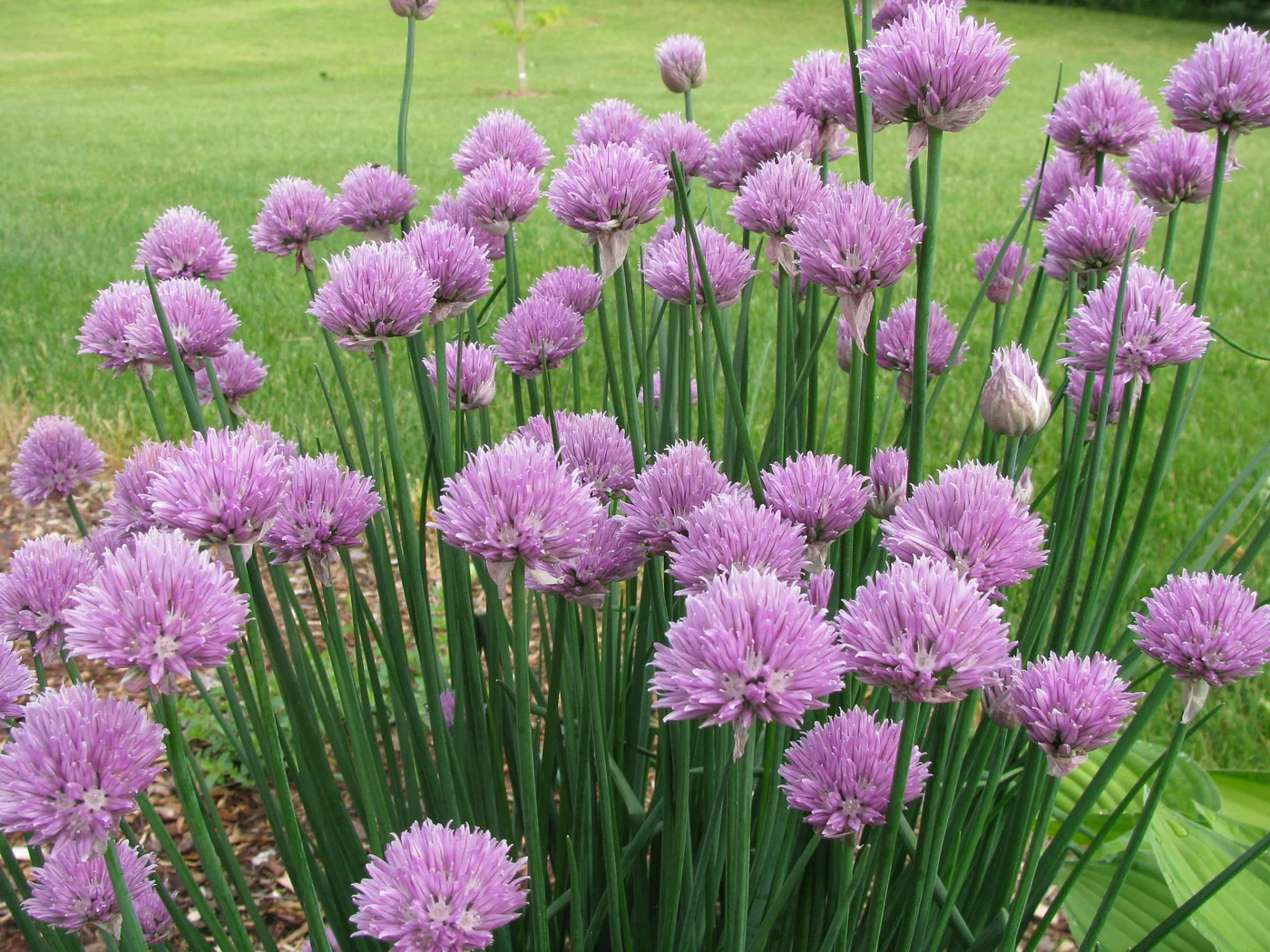
Allium schoenoprasum
A clump-forming perennial with mild onion-flavored leaves and edible flowers, suited to repeated small harvests and occasional division.
Growing referenceHerbs
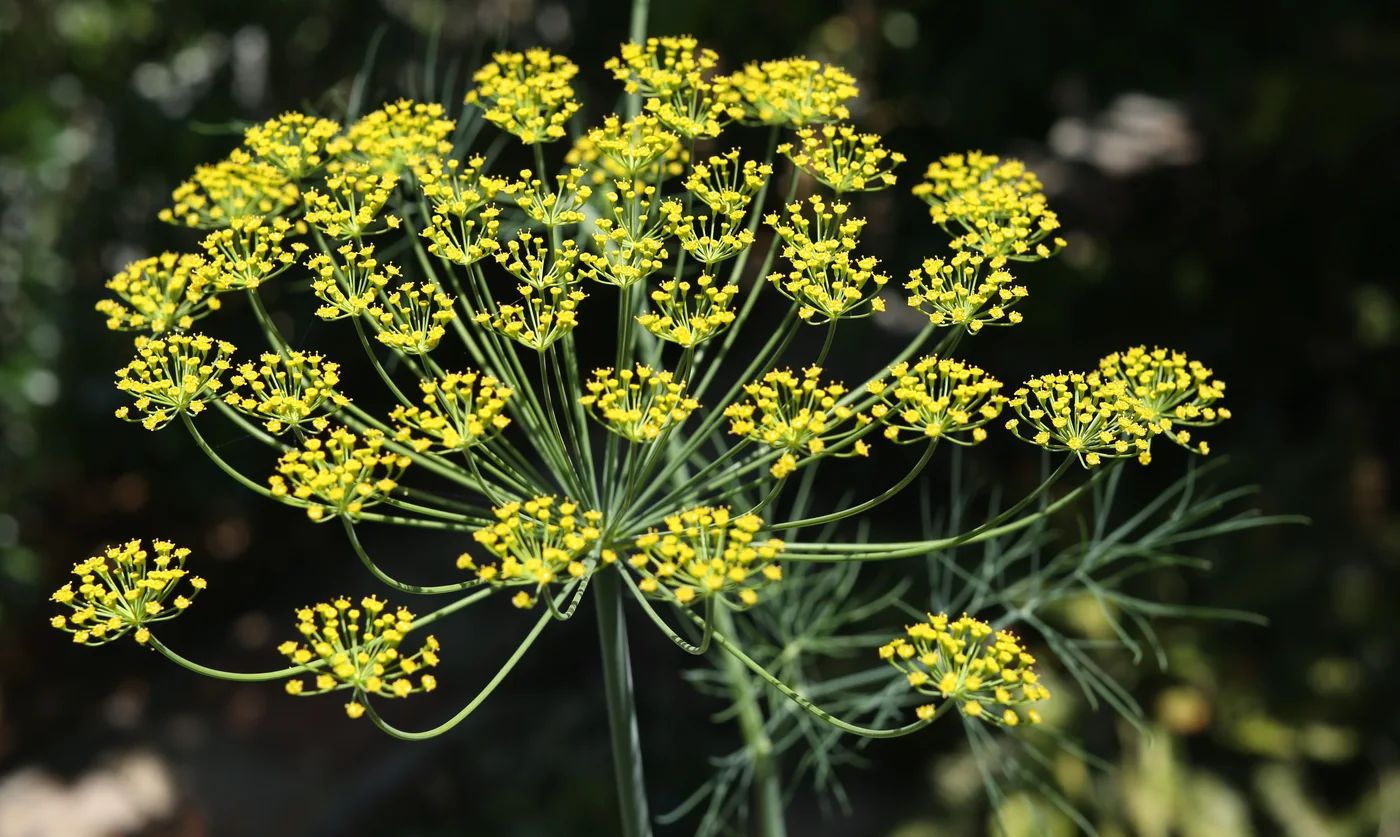
Anethum graveolens
An annual herb whose feathery leaves, yellow flowerheads and mature seeds require different harvest plans and space commitments.
Growing referenceHerbs
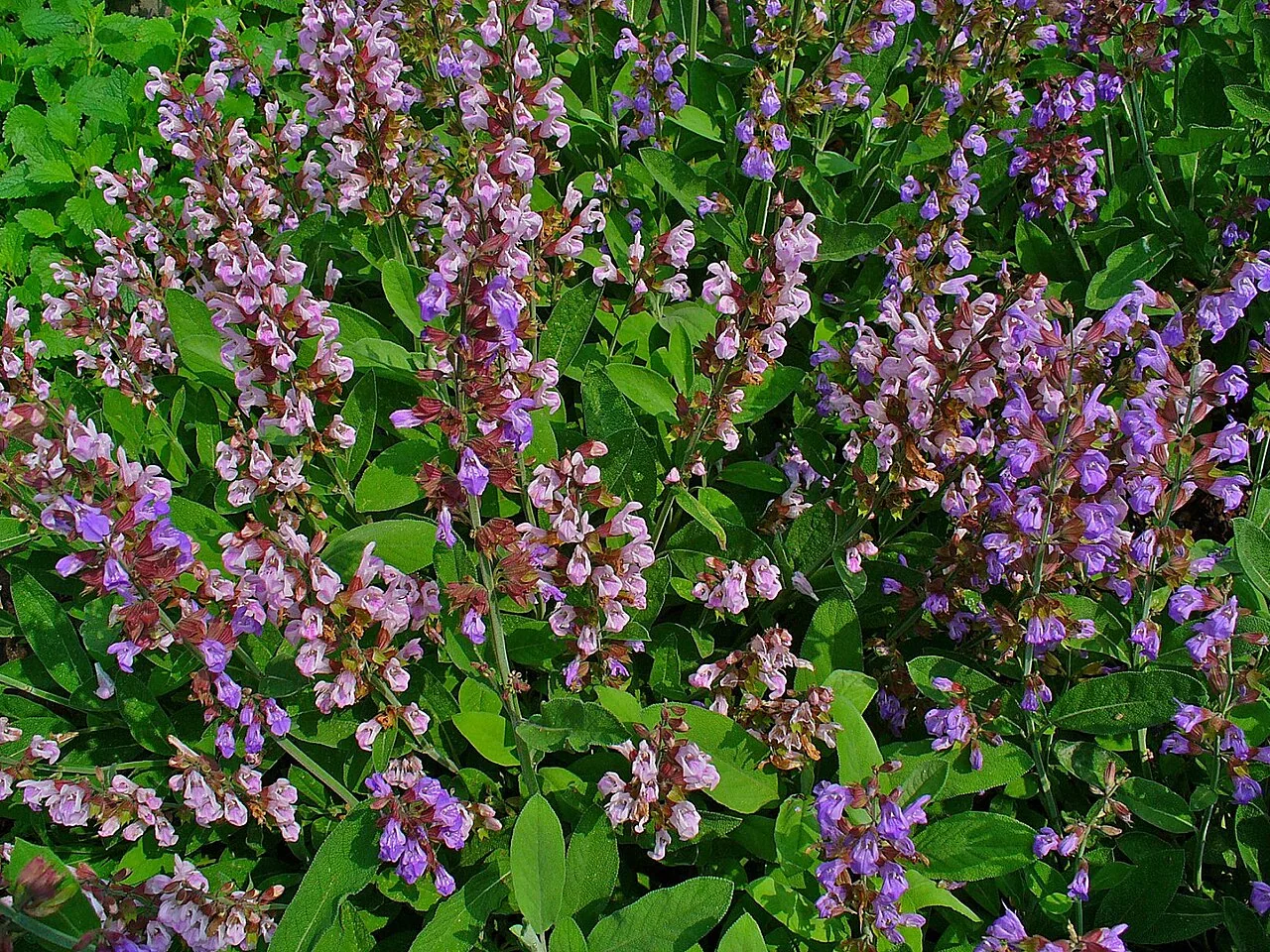
Salvia officinalis
A small woody culinary perennial whose leafy framework, drainage and eventual replacement matter more than repeated severe cutting.
Growing referenceHerbs
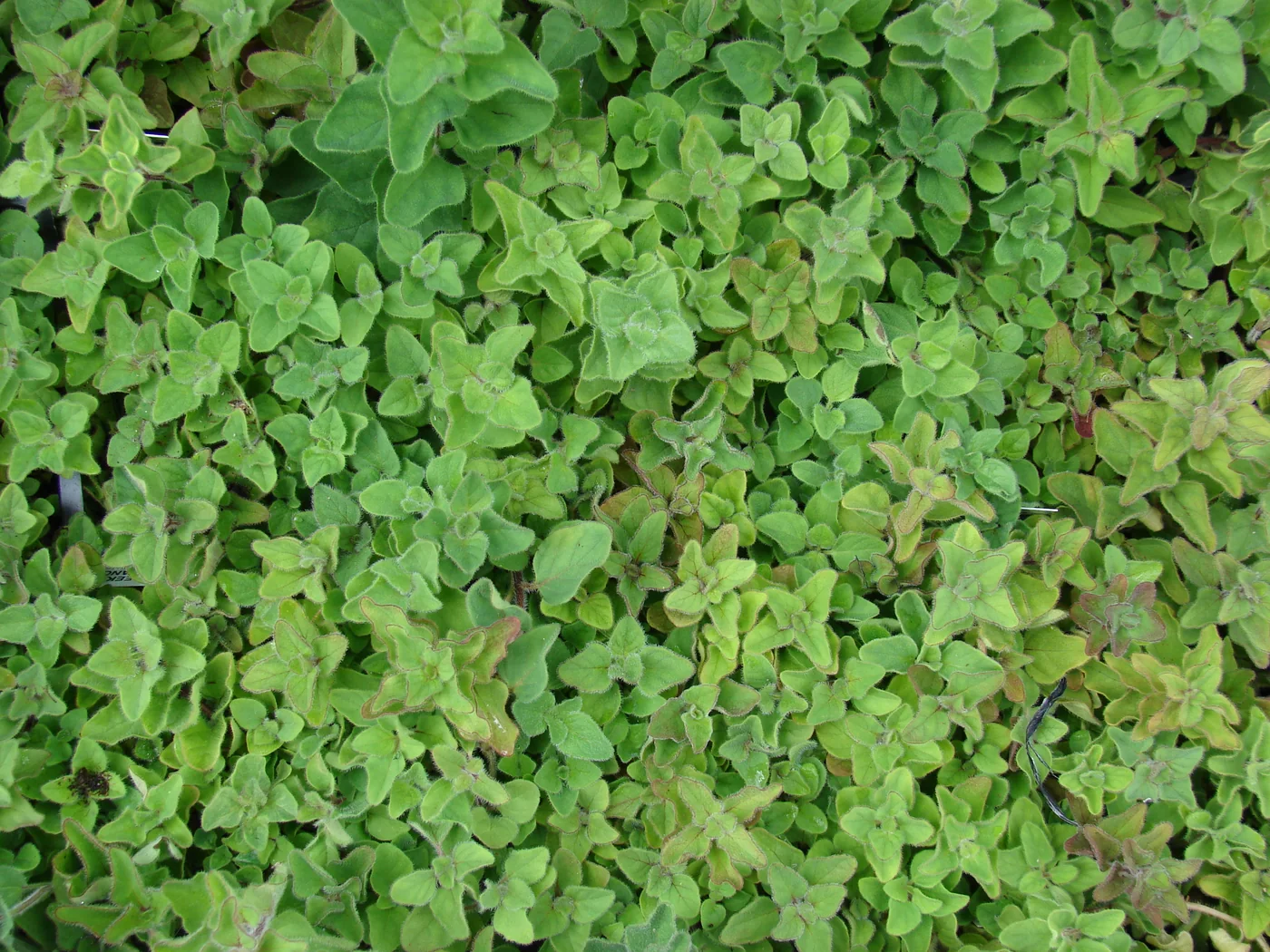
Origanum vulgare
A variable perennial species with culinary and ornamental selections; Greek oregano is a subspecies, while several other oregano-named herbs are different plants.
Growing referenceOutdoor ornamentals
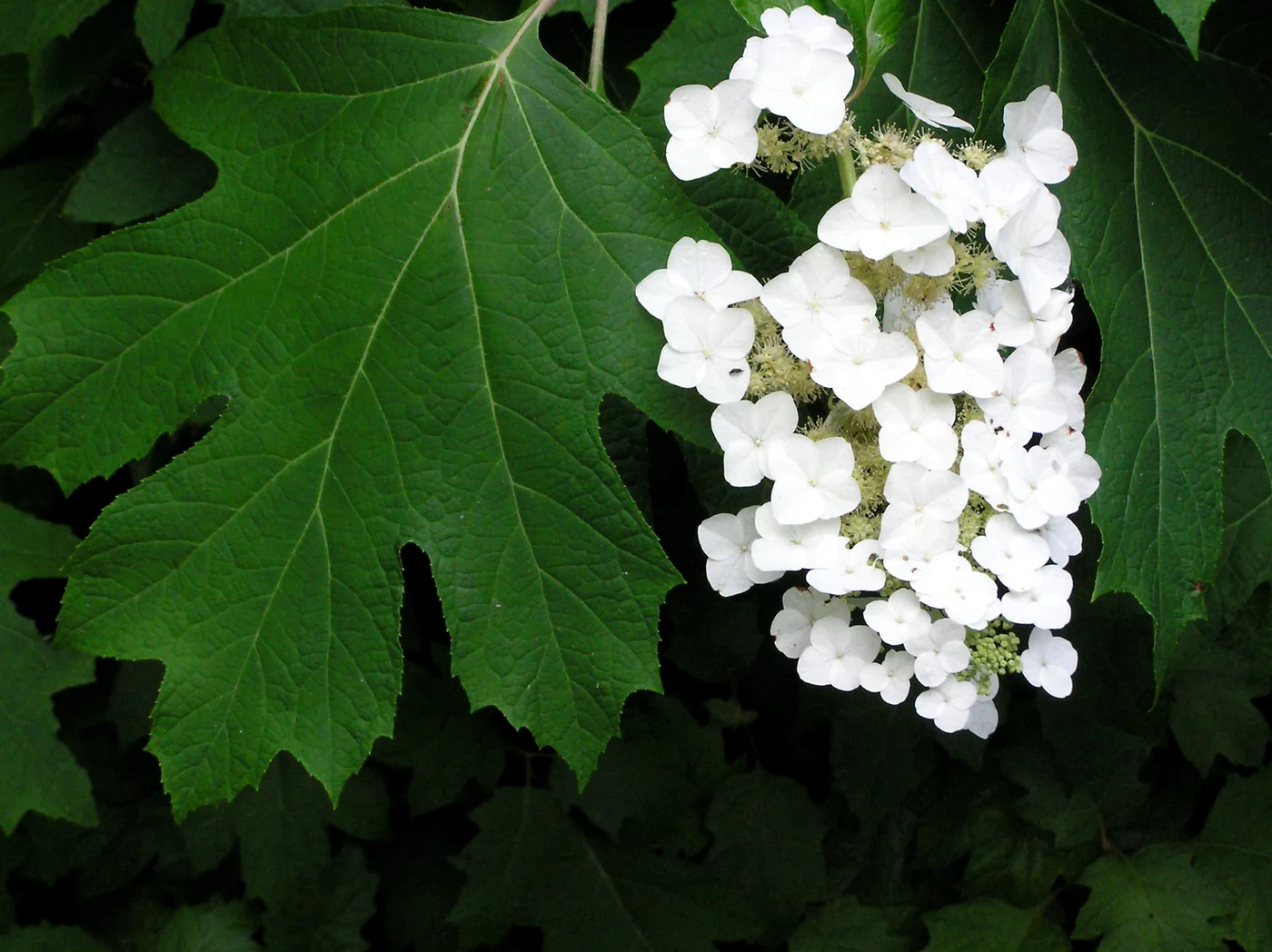
Hydrangea quercifolia
A broad deciduous shrub whose lobed leaves, aging flower clusters and winter bark reward a generous permanent position.
Growing referenceOutdoor ornamentals
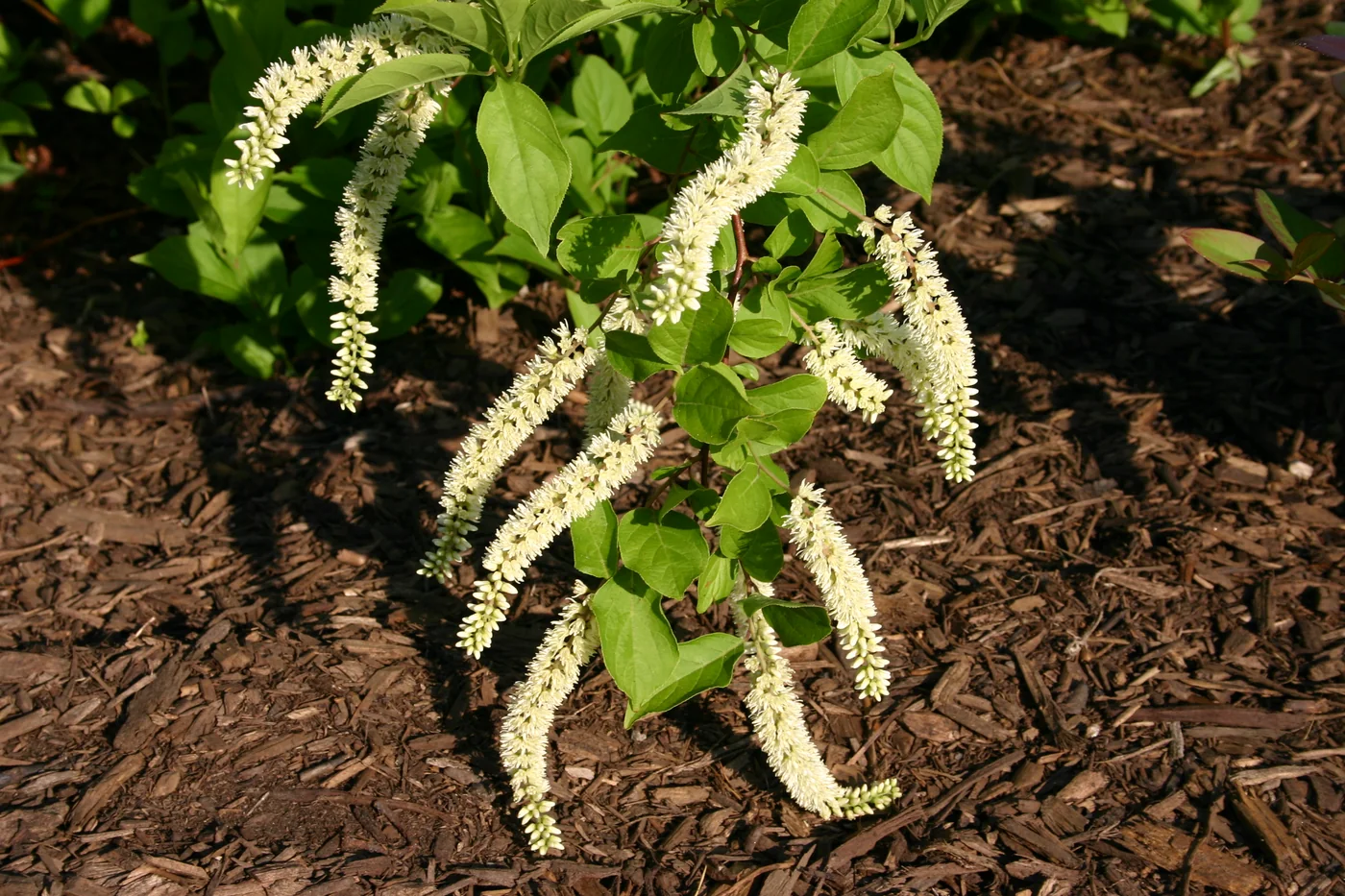
Itea virginica
A flexible flowering shrub for a planned colony, with arching white racemes and autumn color that depend on room for its spreading habit.
Growing referenceOutdoor ornamentals
Physocarpus opulifolius
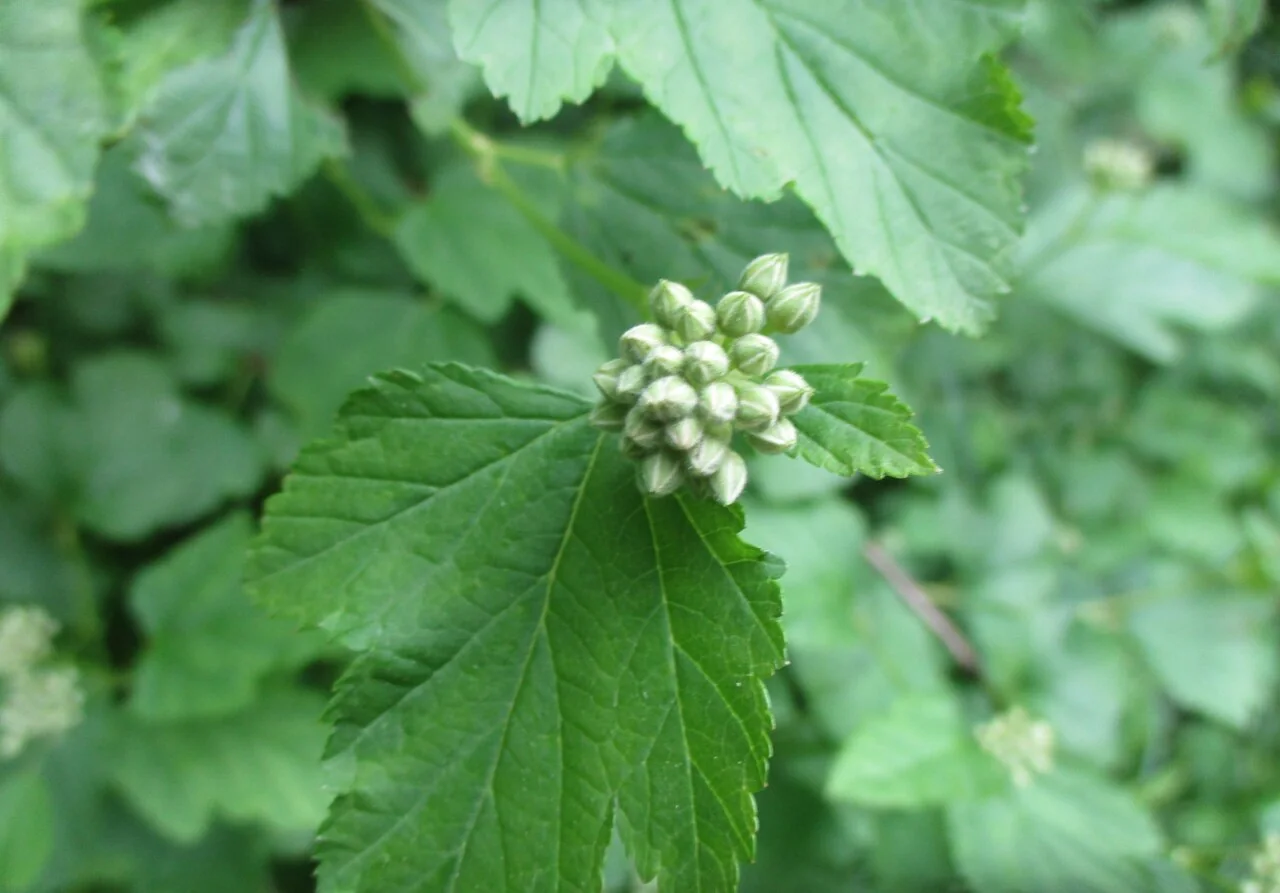
A deciduous shrub with an arching cane framework, distinctive mature bark and cultivar choices that change both size and foliage color.
Growing referenceOutdoor ornamentals
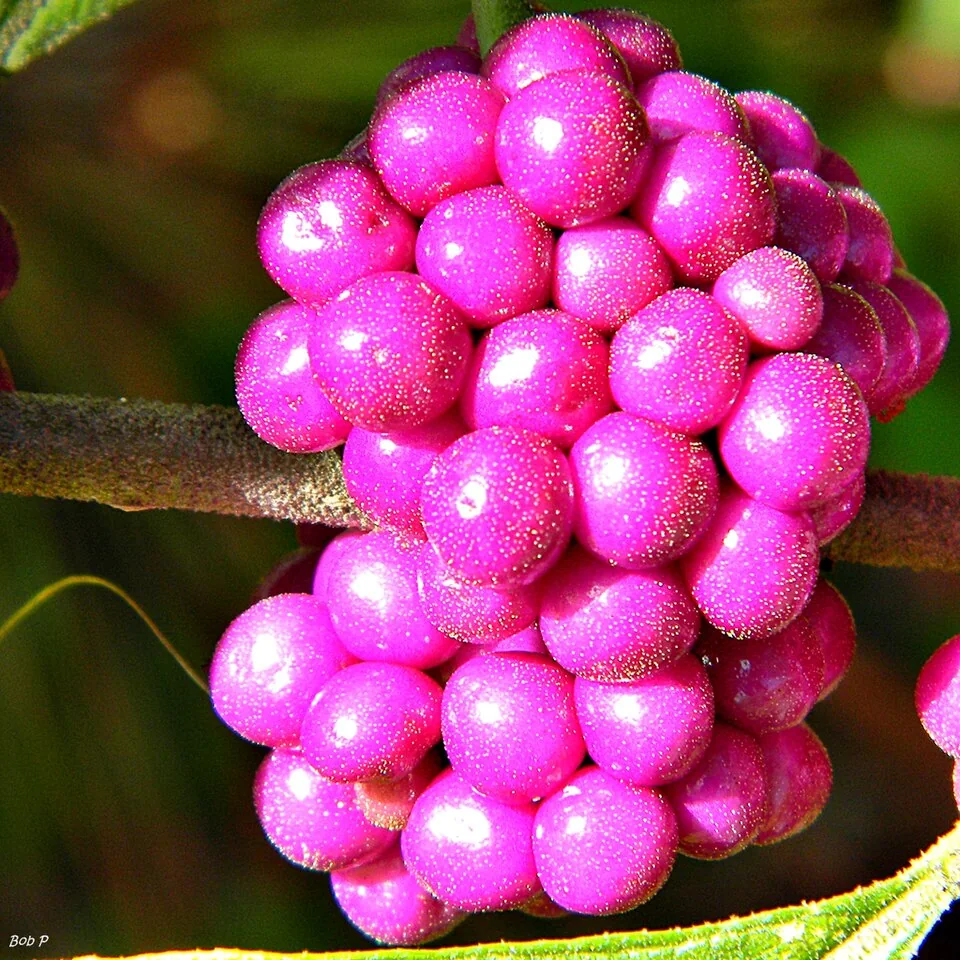
Callicarpa americana
A loose deciduous shrub grown chiefly for fruit clustered around its stems, best given a role that allows a changing seasonal outline.
Growing referenceOutdoor ornamentals
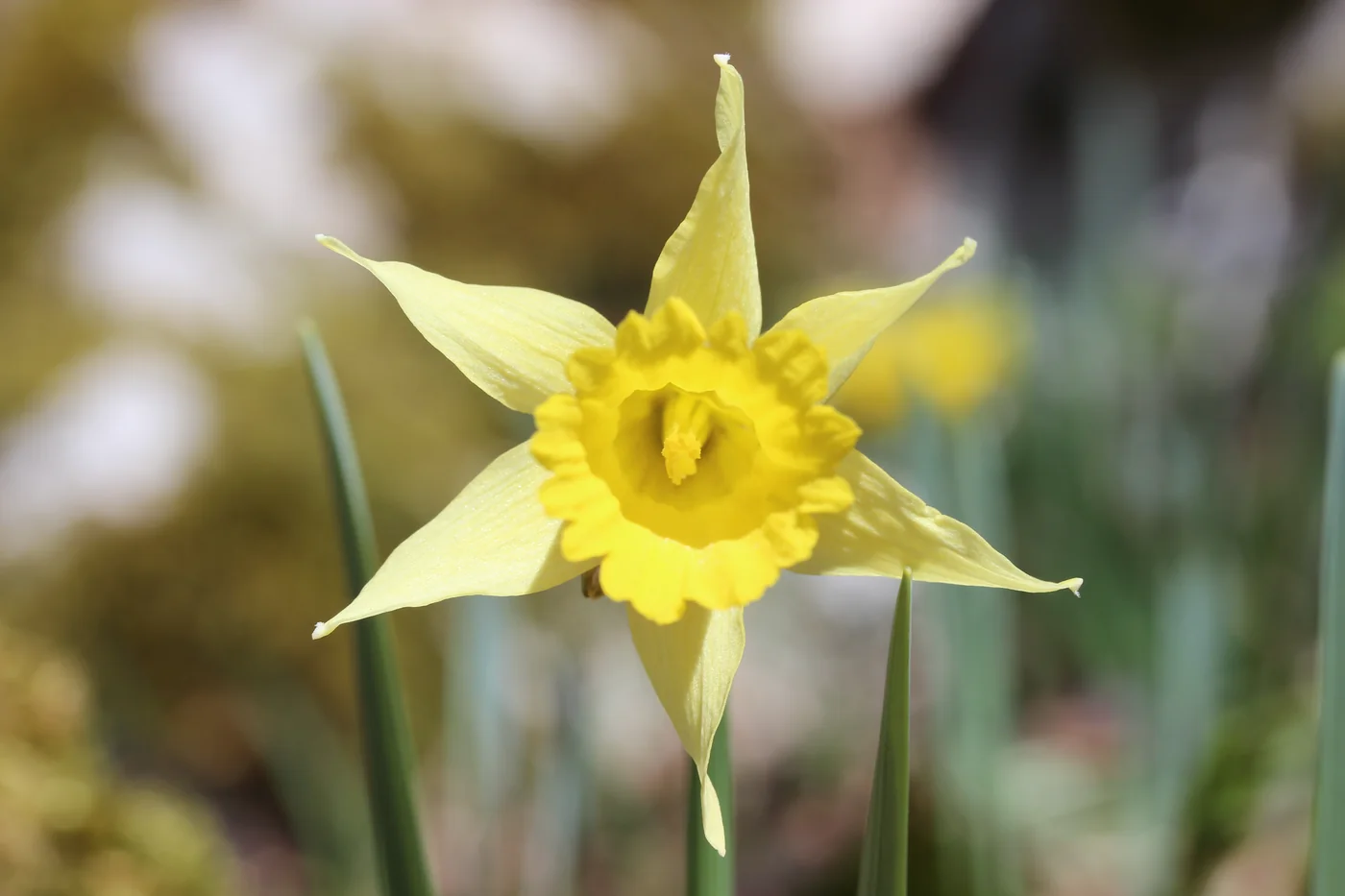
Narcissus pseudonarcissus
A small spring trumpet daffodil for a persistent planting where its leaves can finish growing before mowing or summer changeover.
Growing referenceOutdoor ornamentals
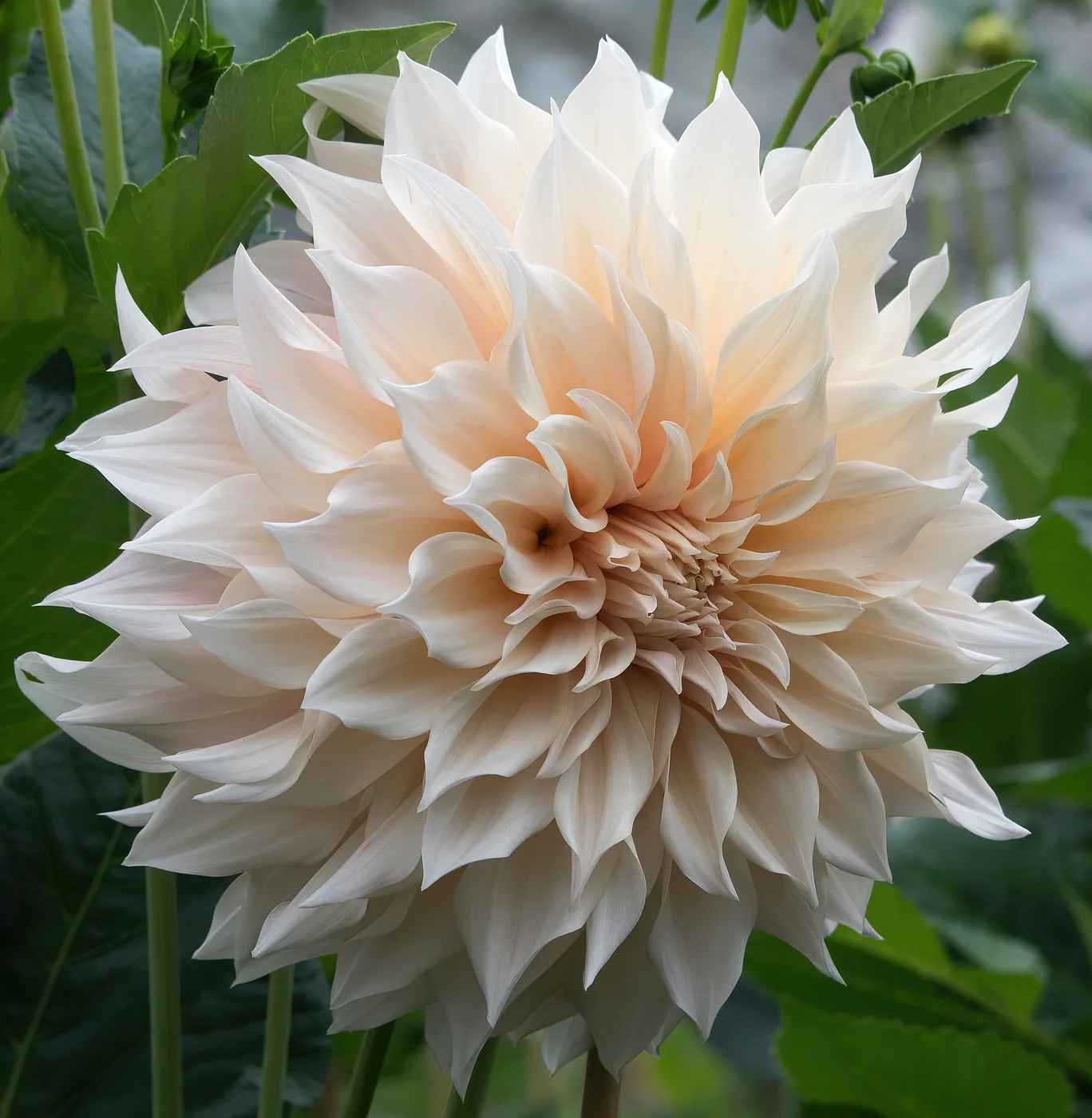
Dahlia garden hybrids (mixed parentage)
Tender garden hybrids grown from tuberous roots, rooted cuttings or seed, with size and flower form that determine support and summer care.
Growing referenceOutdoor ornamentals
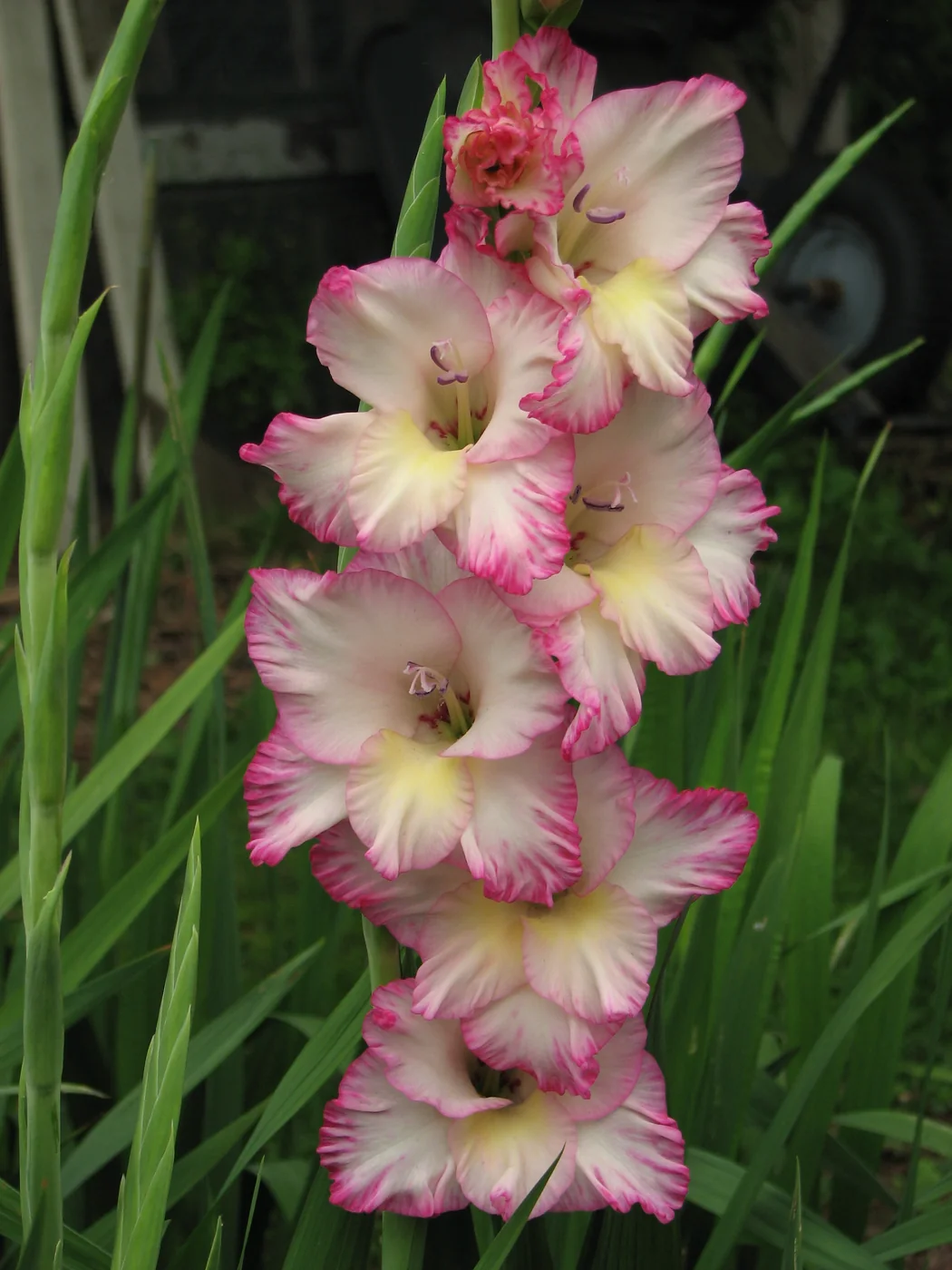
Gladiolus garden hybrids (chiefly large-flowered types)
Summer-flowering garden hybrids grown from corms, suited to upright border accents and planned successions of cut-flower spikes.
Growing referenceOutdoor ornamentals
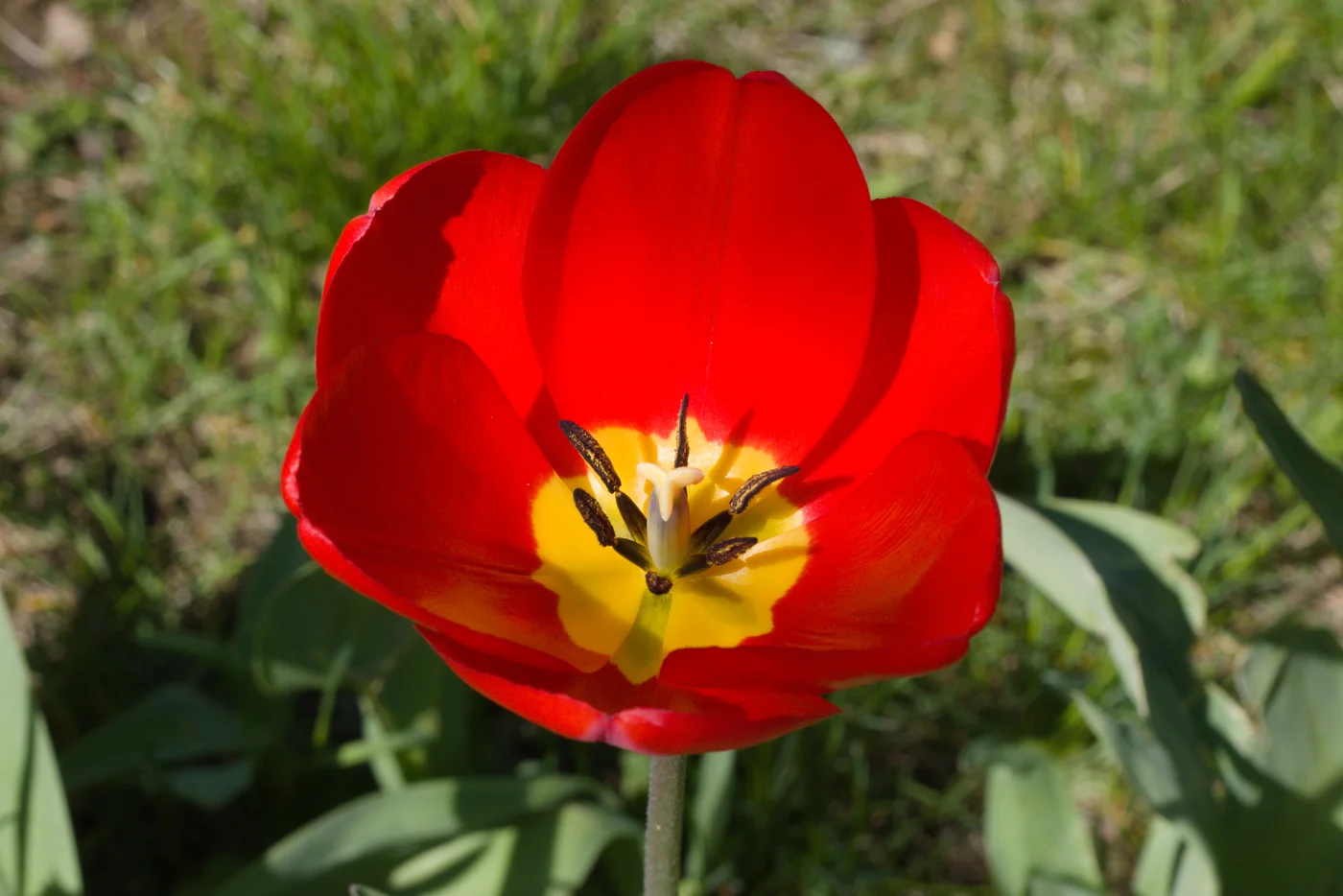
Tulipa gesneriana and associated garden hybrids
Garden border tulips offer a spring display whose timing, height and likelihood of returning depend on the named group and growing conditions.
Growing referenceHouseplants
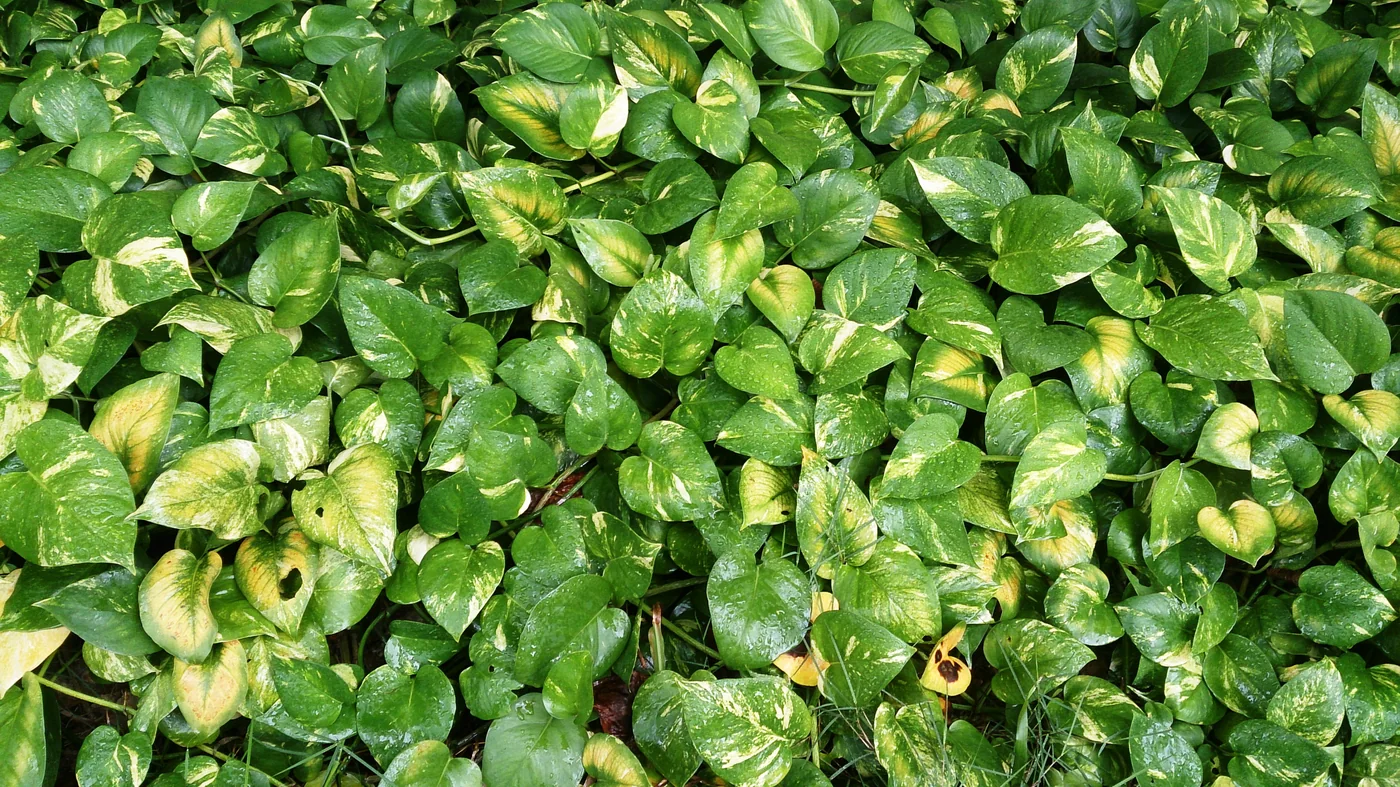
Epipremnum aureum
A climbing or trailing foliage plant whose familiar yellow-marbled juvenile leaves need a reachable root zone and a realistic route for new vines.
Growing referenceHouseplants
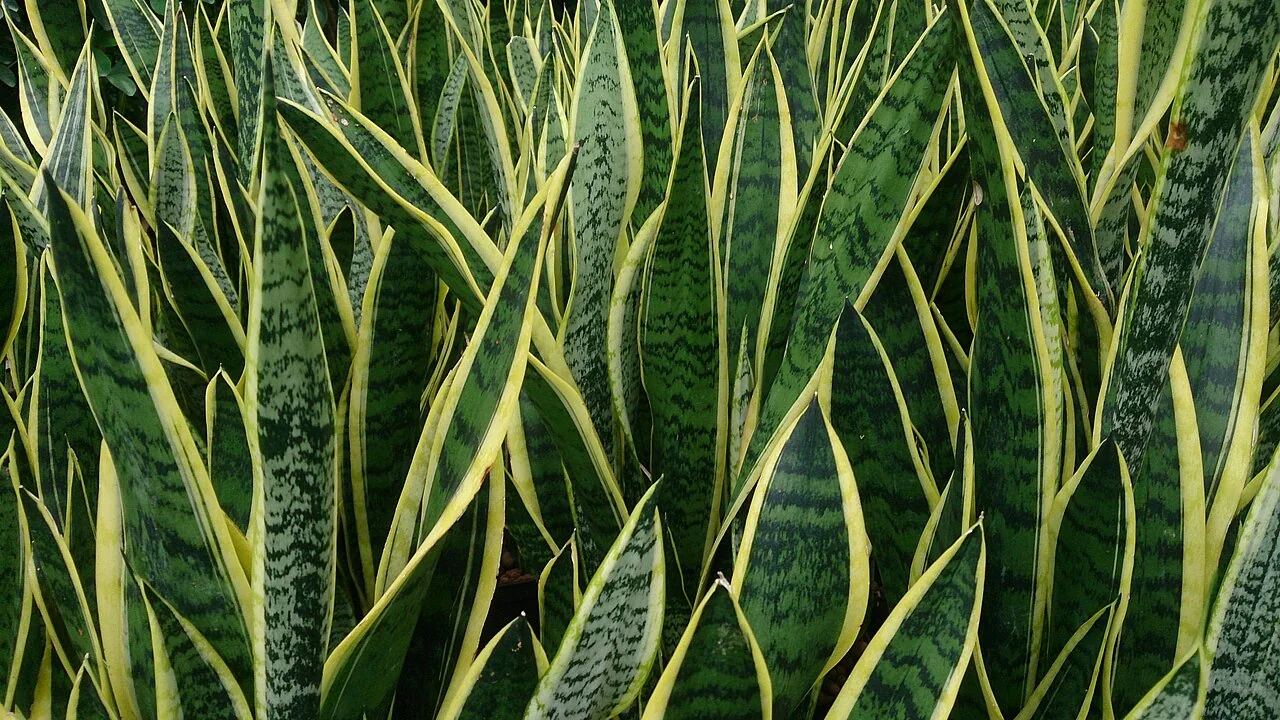
Dracaena trifasciata
An upright clumping houseplant with substantial underground rhizomes; choose its cultivar, root-zone moisture cycle, and container stability together.
Growing referenceHouseplants
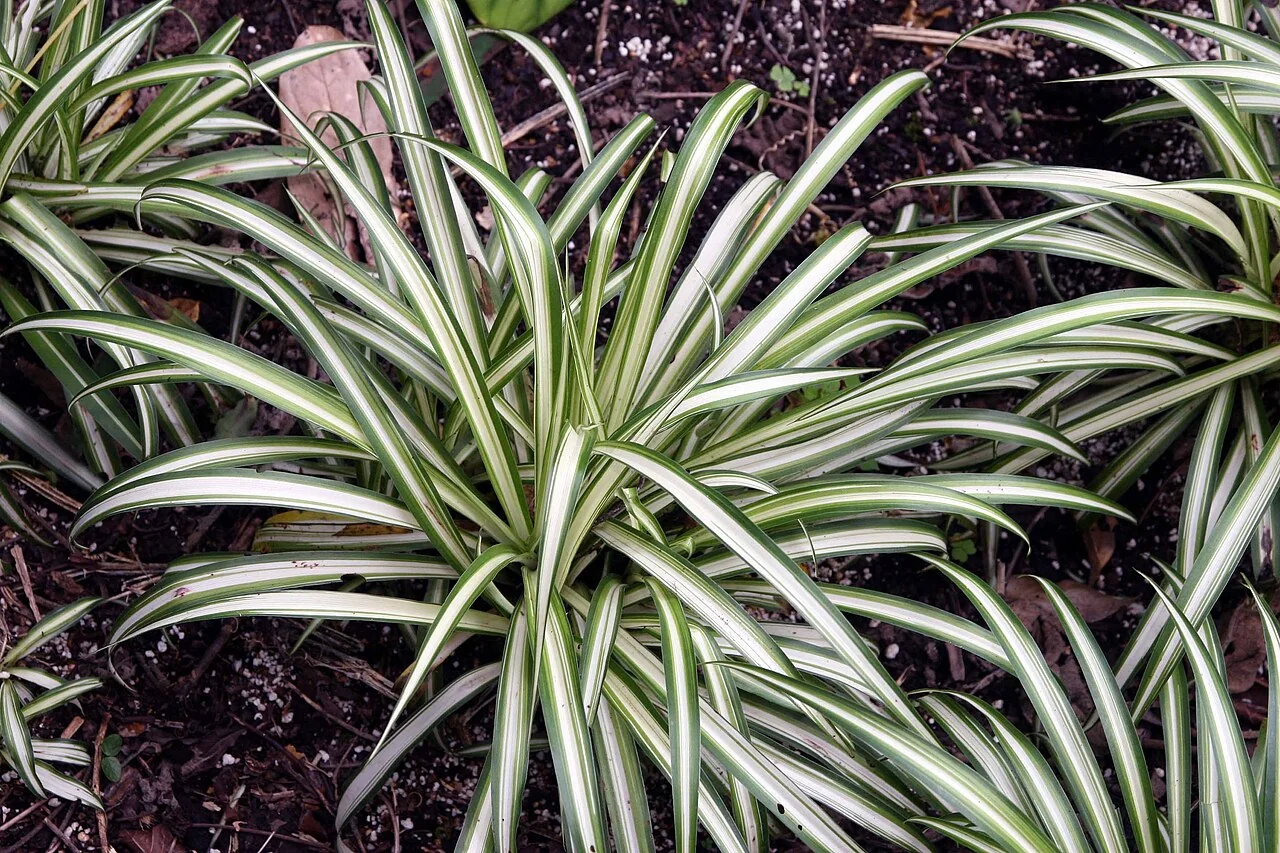
Chlorophytum comosum
An arching rosette with thick roots and hanging plantlets; its brown tips call for a pattern-based review of water, salts, and growing conditions.
Growing referenceHouseplants
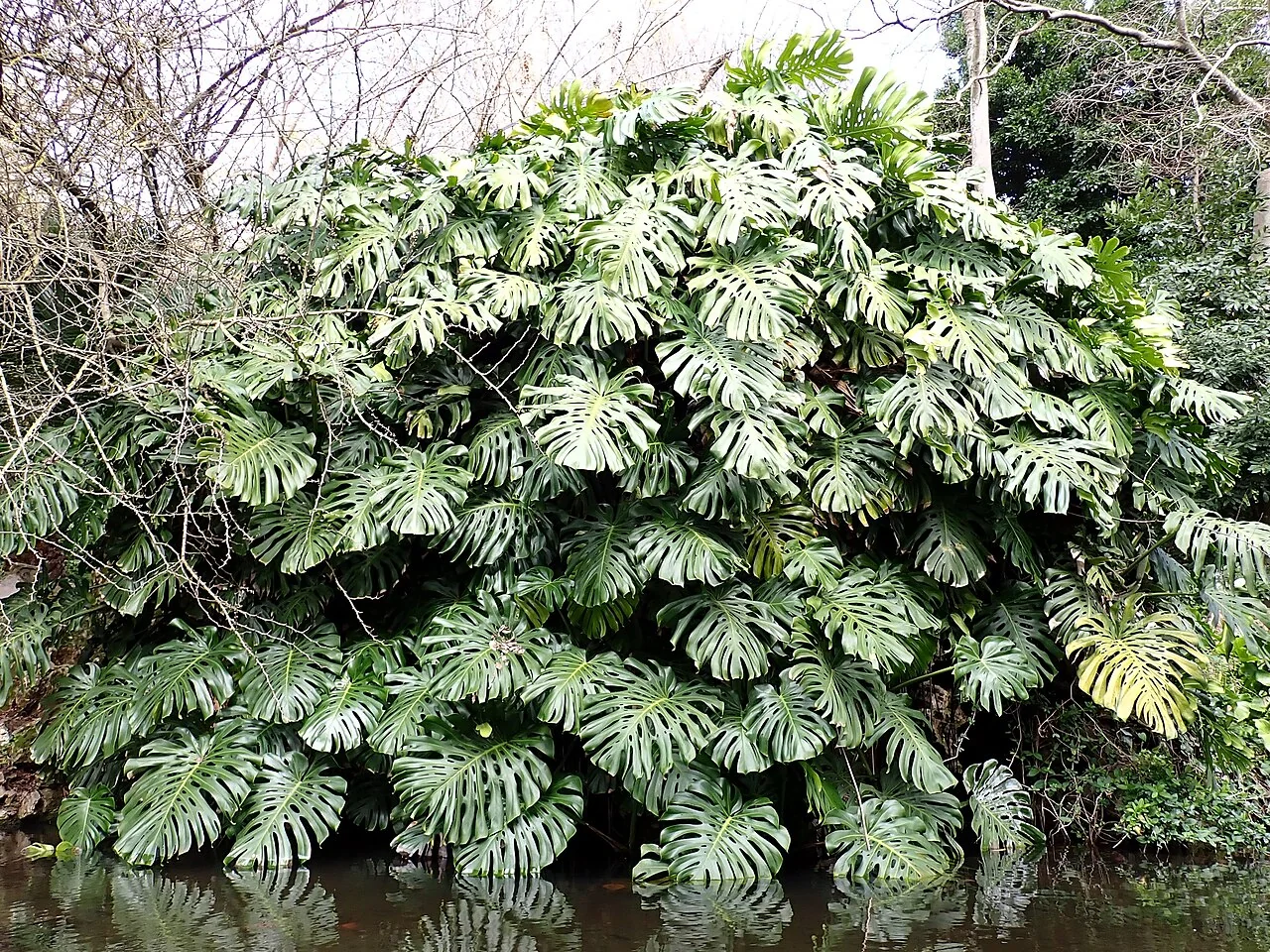
Monstera deliciosa
A tropical climber with large adult leaves and a substantial indoor footprint; choose space, support, and access before pursuing more leaf splits.
Growing referenceHouseplants
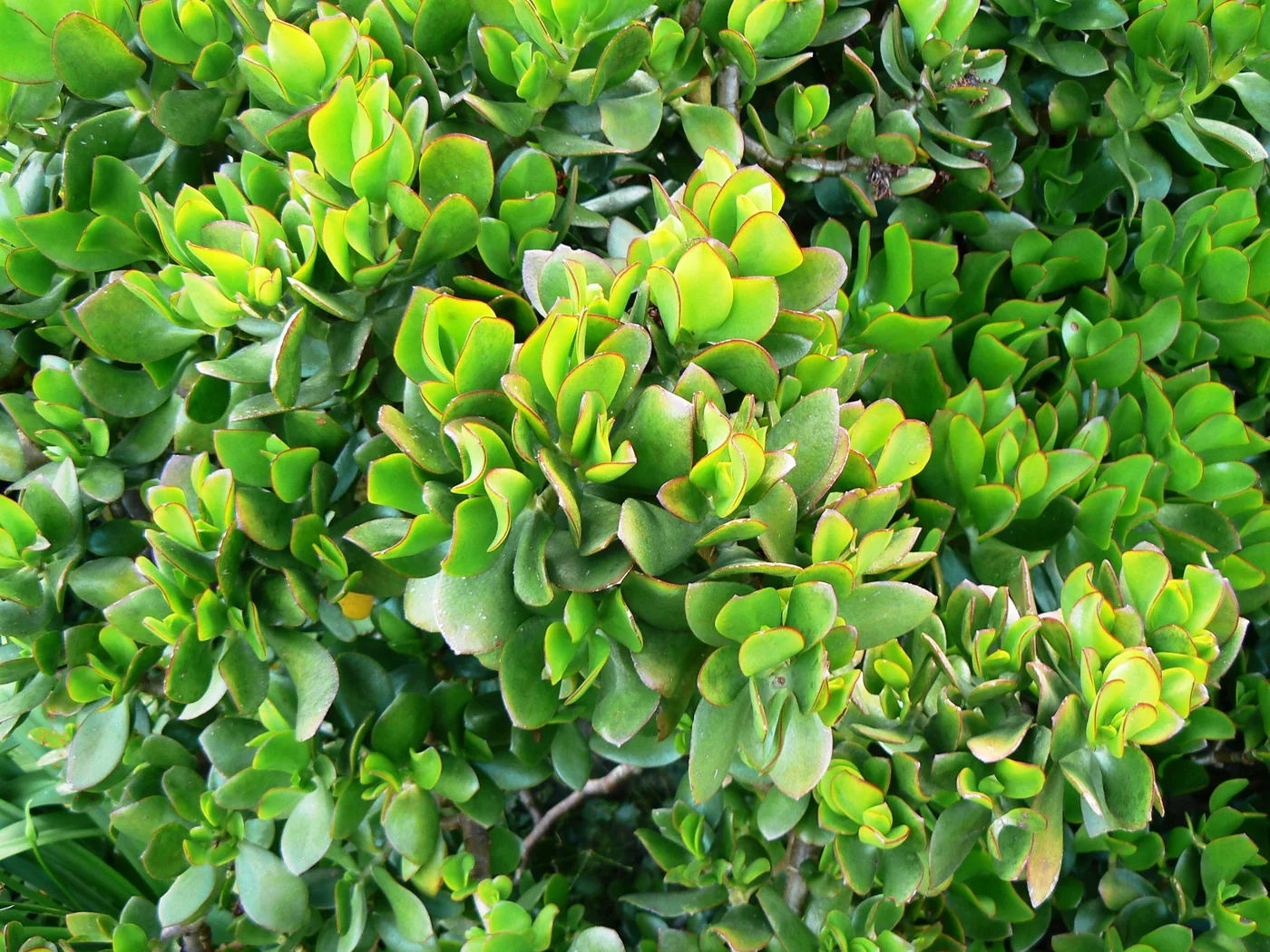
Crassula ovata
A branching succulent for a bright window, with a long-term plan for canopy weight, drainage and manageable size.
Growing referenceHouseplants
Echeveria elegans
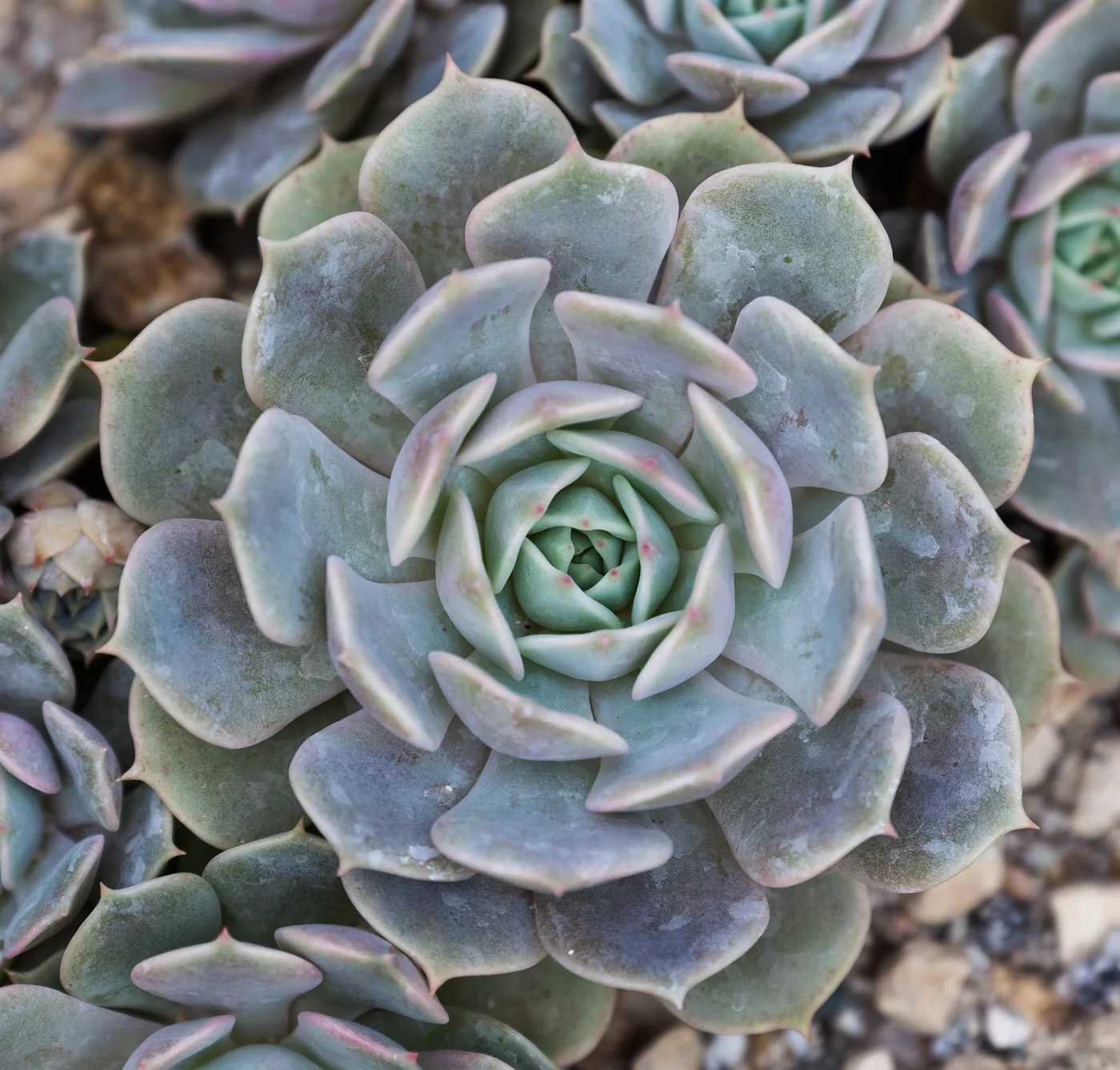
A pale rosette succulent whose compact shape depends on usable light, careful handling and a pot that matches its roots.
Growing referenceHouseplants
Haworthiopsis attenuata
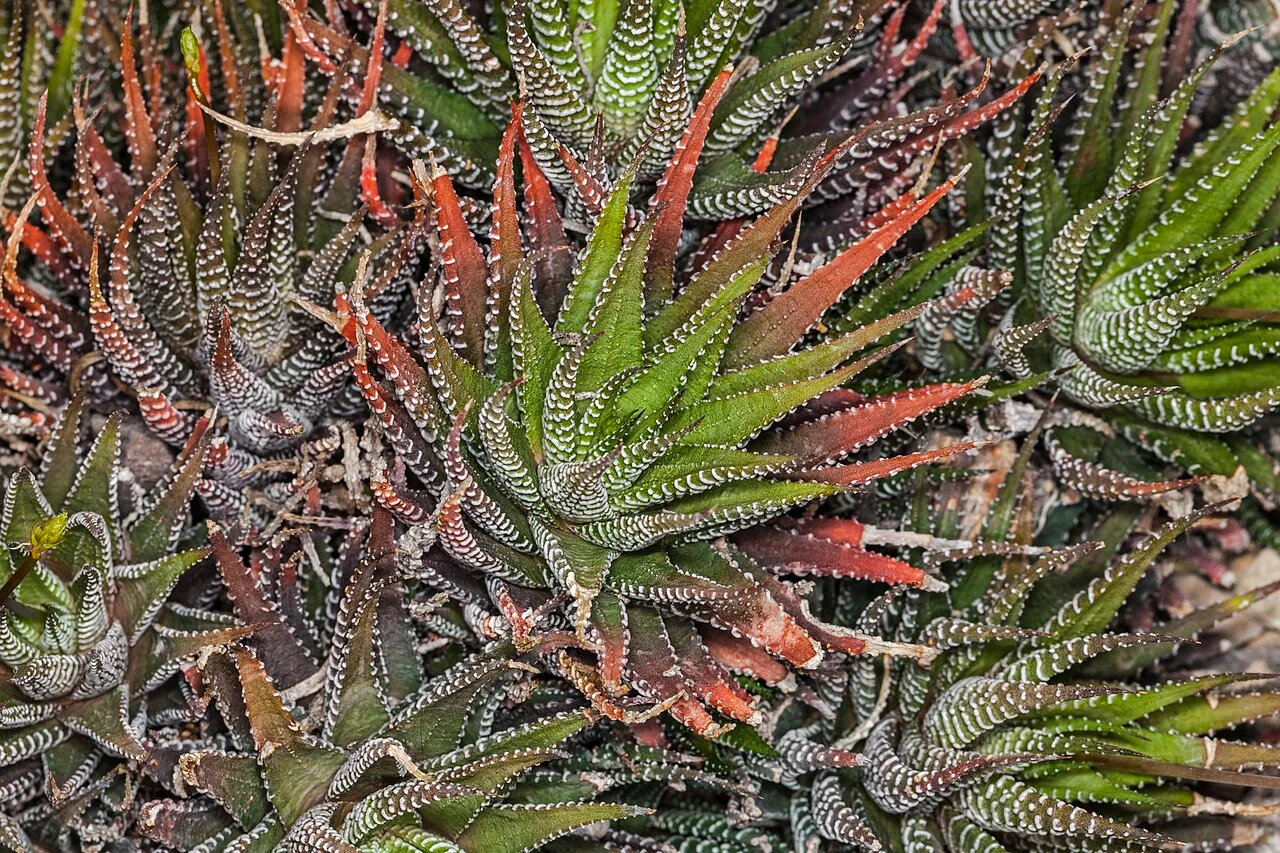
A compact, striped succulent for bright filtered light, with special attention to roots when the leaves begin to shrink.
Growing referenceHouseplants
Schlumbergera × buckleyi
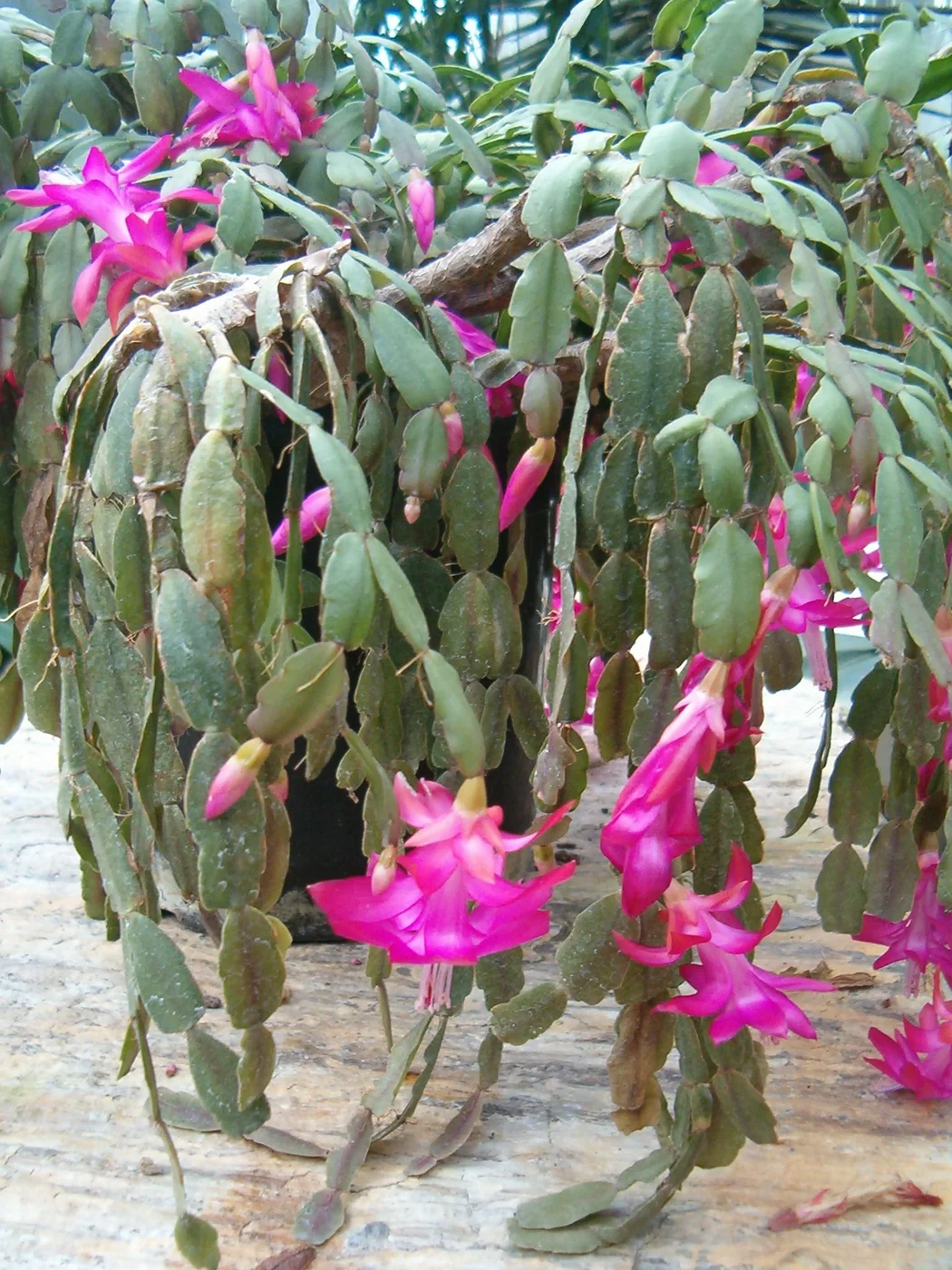
An arching, segmented forest cactus whose flowering depends on seasonal light cues and steady care through bud development.
Growing referenceOutdoor ornamentals
Coleus scutellarioides
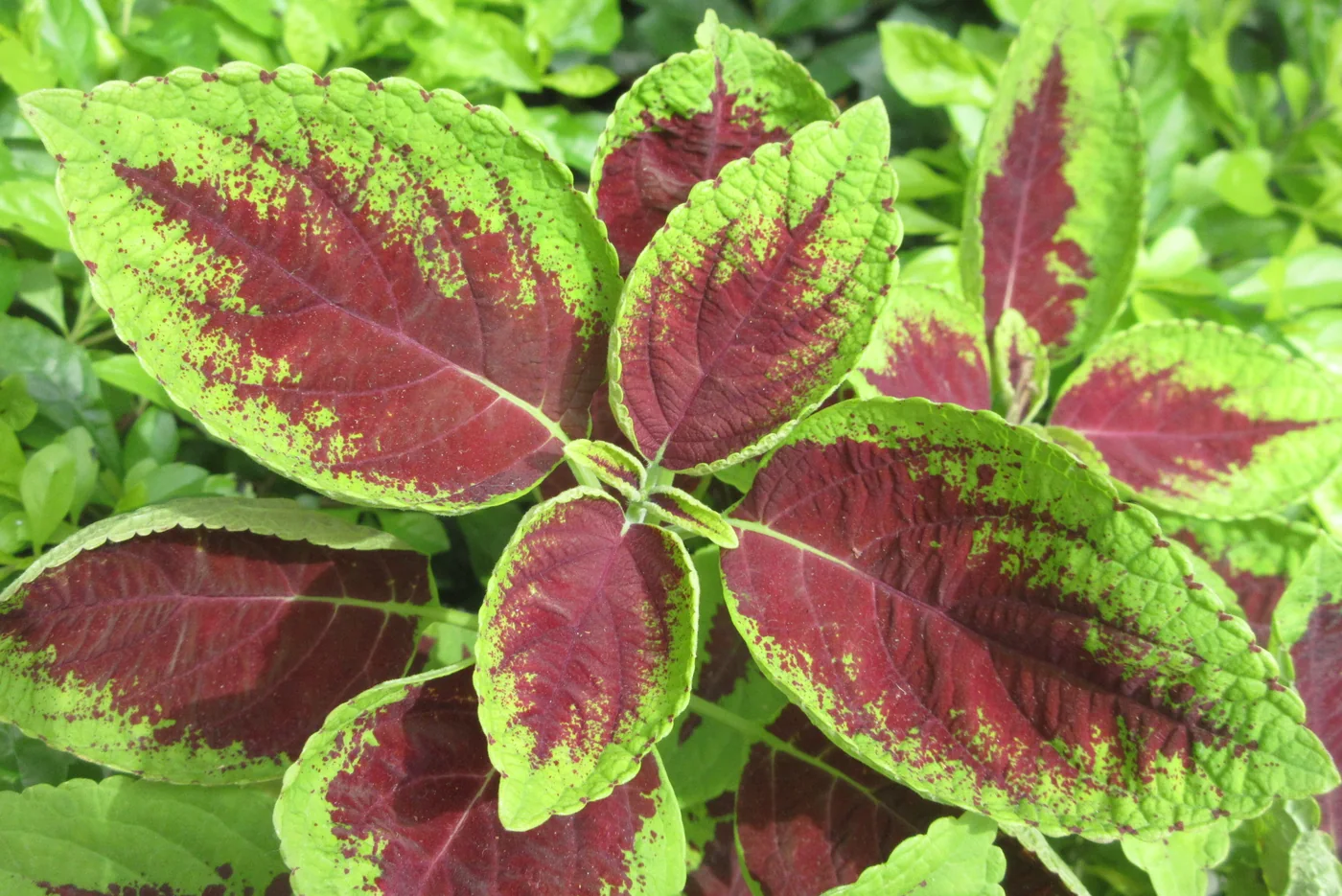
A tender foliage plant whose light tolerance, shape, and need for pinching depend on the named selection.
Growing referenceOutdoor ornamentals
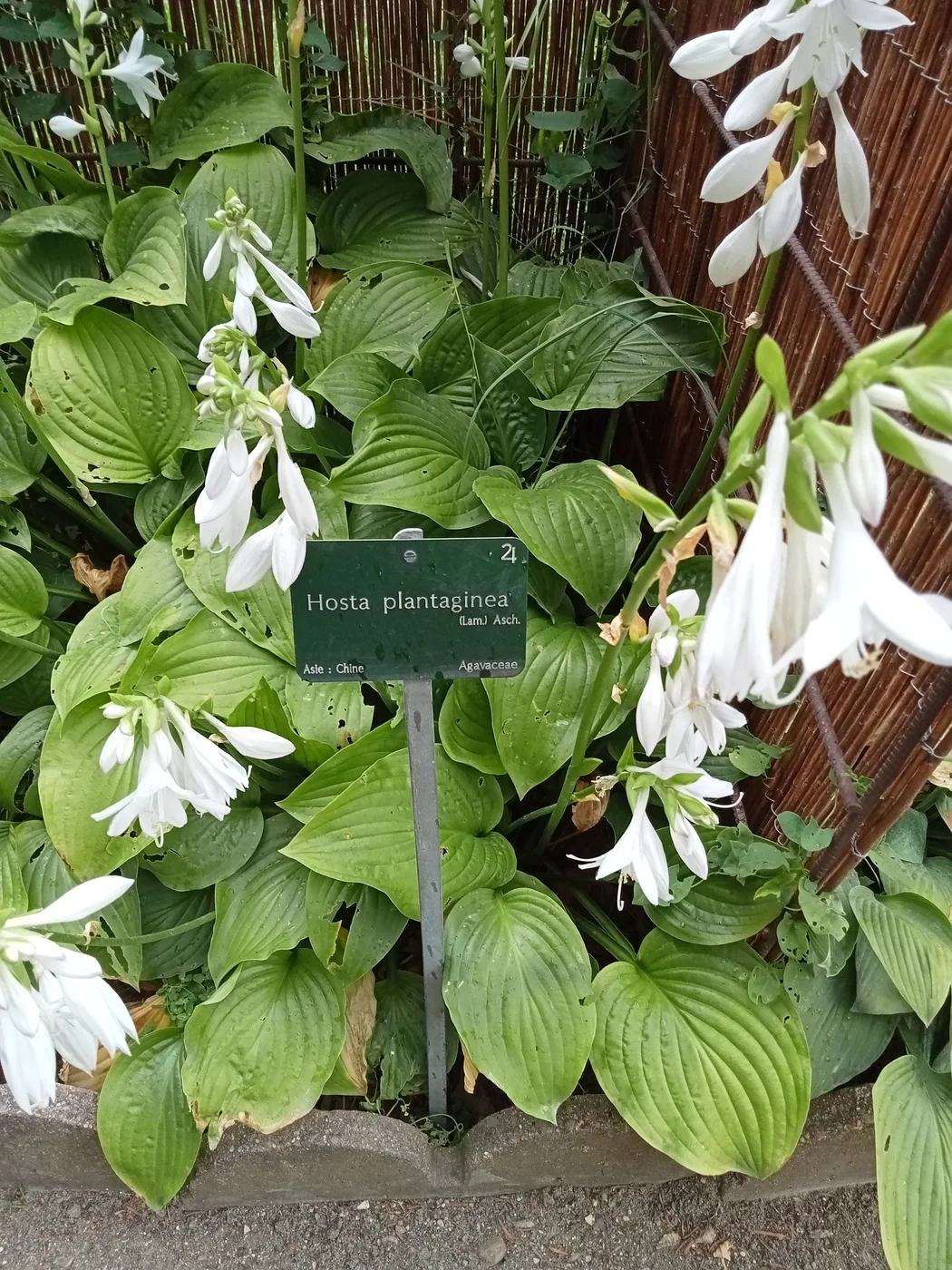
Hosta plantaginea
A green-leaved hosta species grown for broad foliage and large fragrant white flowers that open toward evening.
Growing referenceOutdoor ornamentals
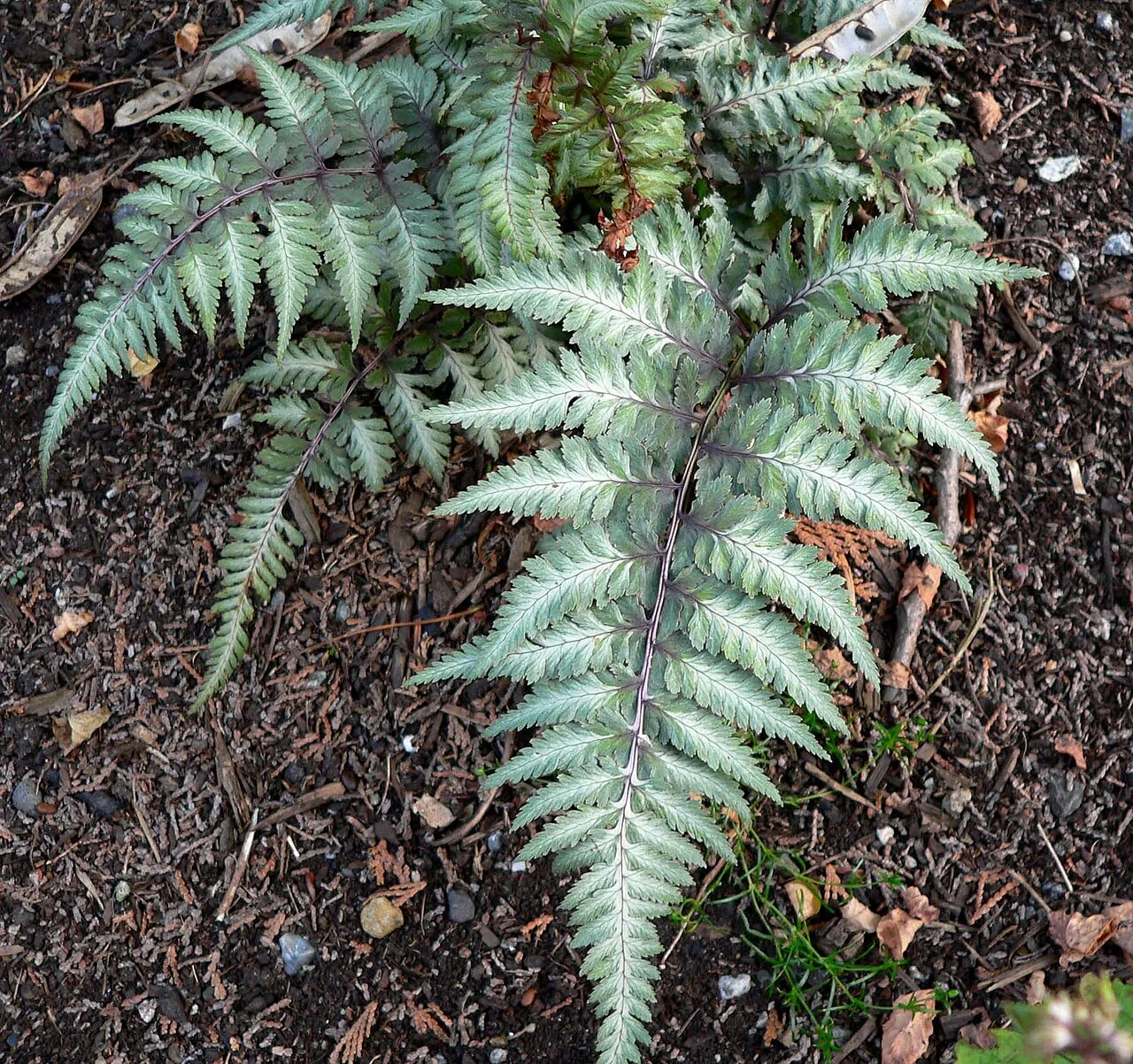
Athyrium niponicum var. pictum
A deciduous fern with silver, green, and purple fronds for a sheltered, moisture-retentive shade planting.
Growing referenceOutdoor ornamentals
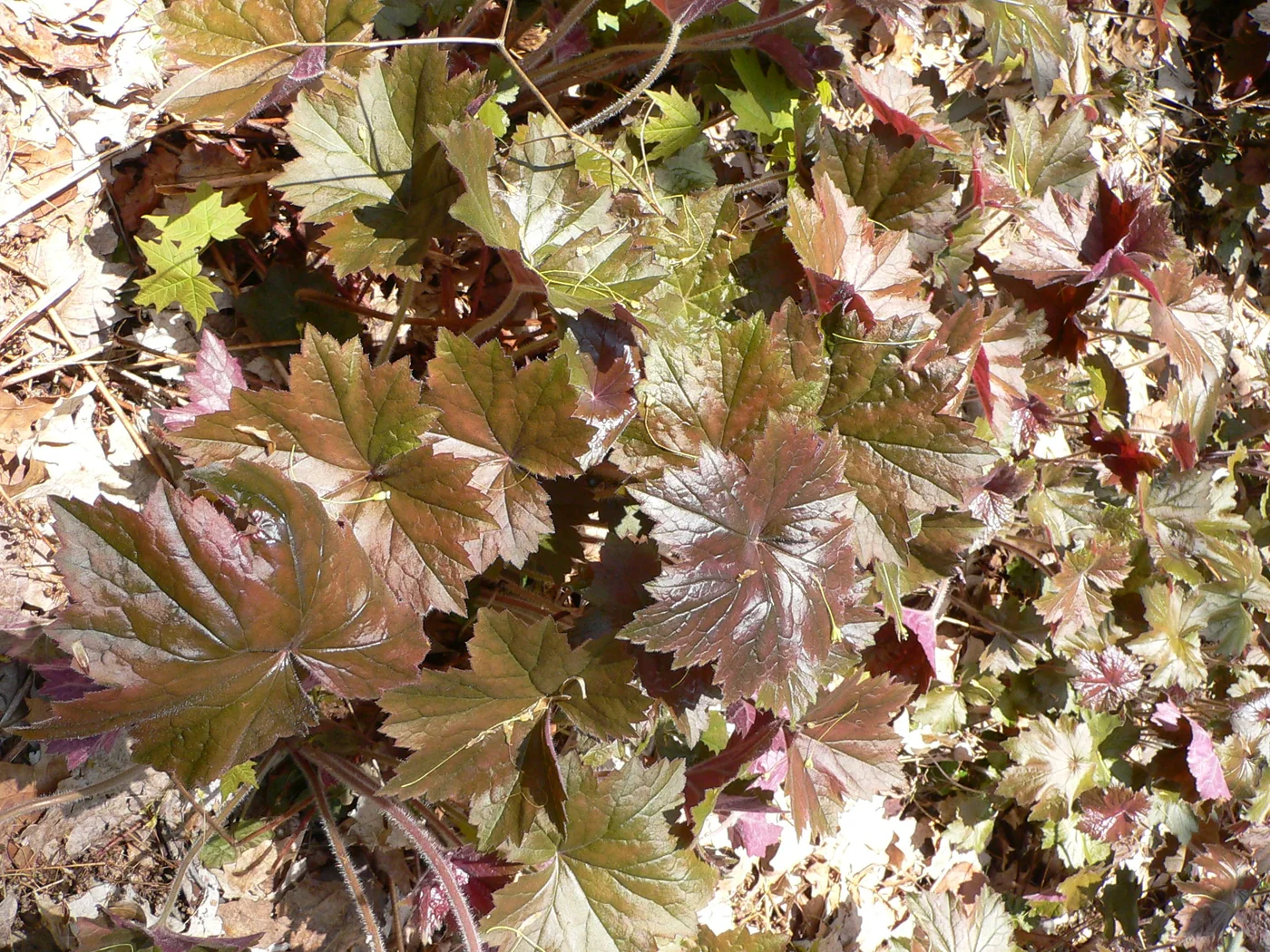
Heuchera villosa
An eastern North American alumroot with substantial textured foliage and airy flowers, useful where summer heat challenges other heucheras.
Growing referenceVegetables
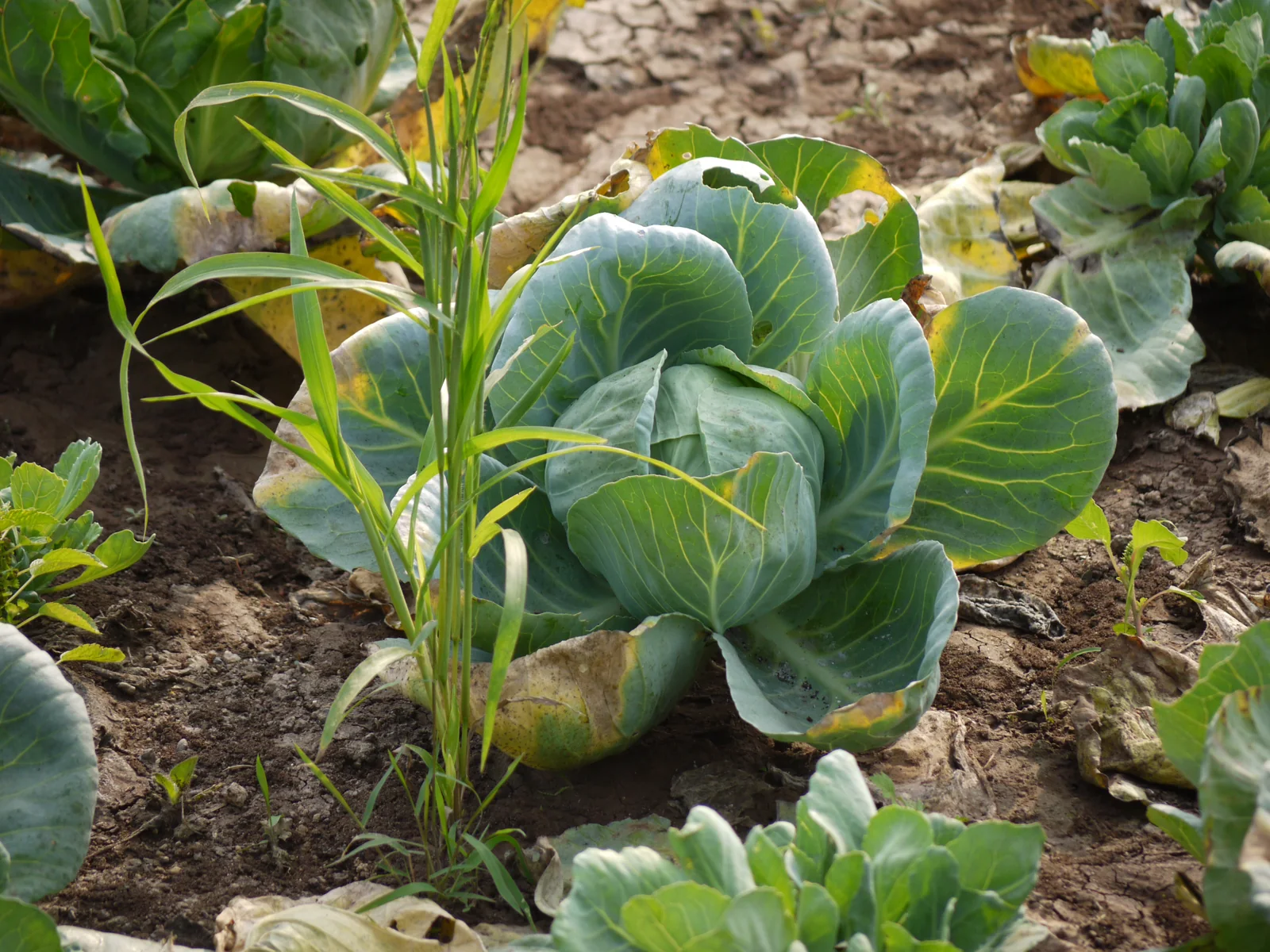
Brassica oleracea (Capitata Group)
A cool-season vegetable grown for a compact head of overlapping leaves, with cultivar size and maturity determining how it fits a small garden.
Growing referenceVegetables
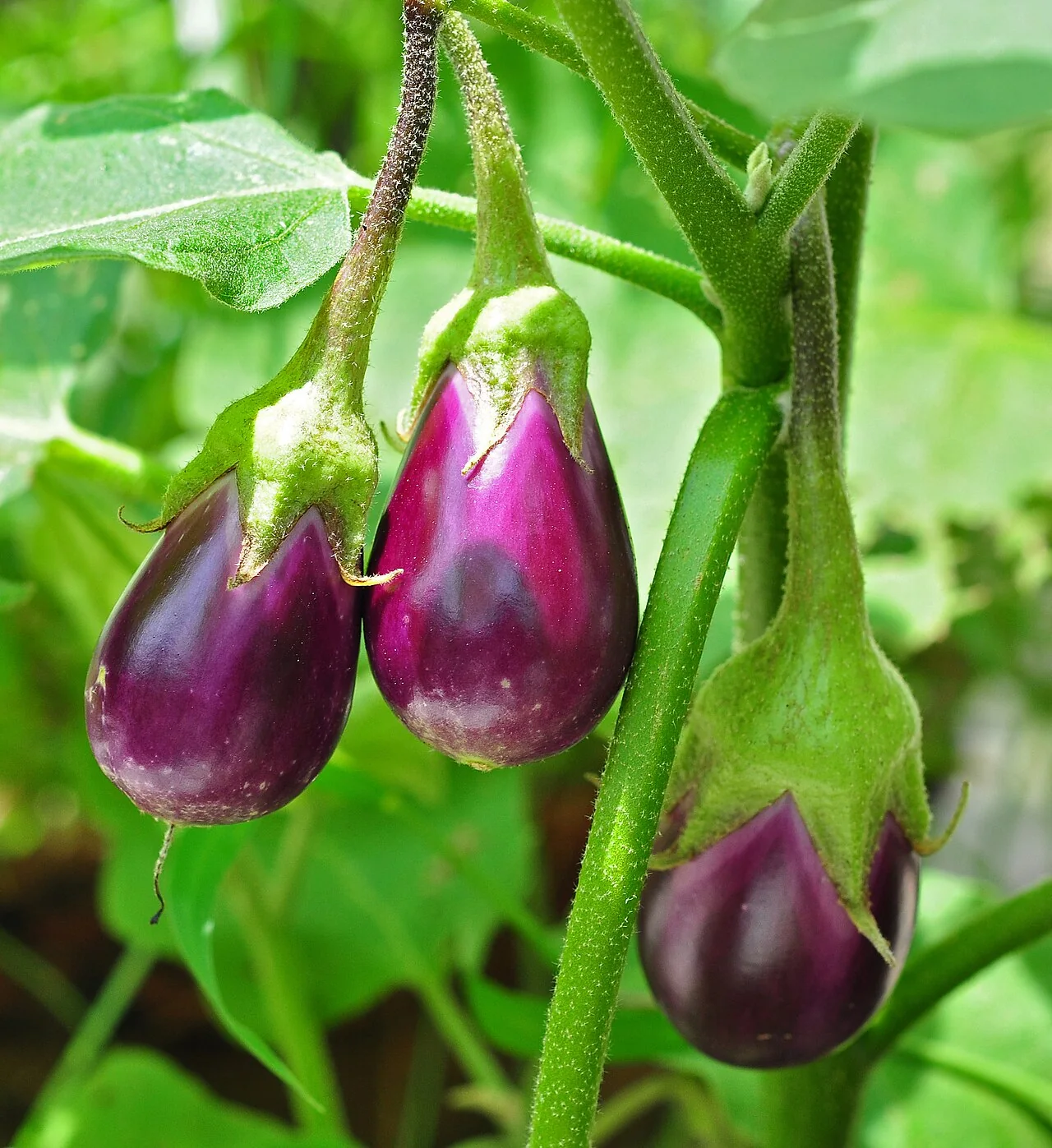
Solanum melongena
A branching warm-season fruiting vegetable whose useful crop depends on sustained warmth, suitable cultivar maturity and support for fruit-bearing branches.
Growing referenceVegetables
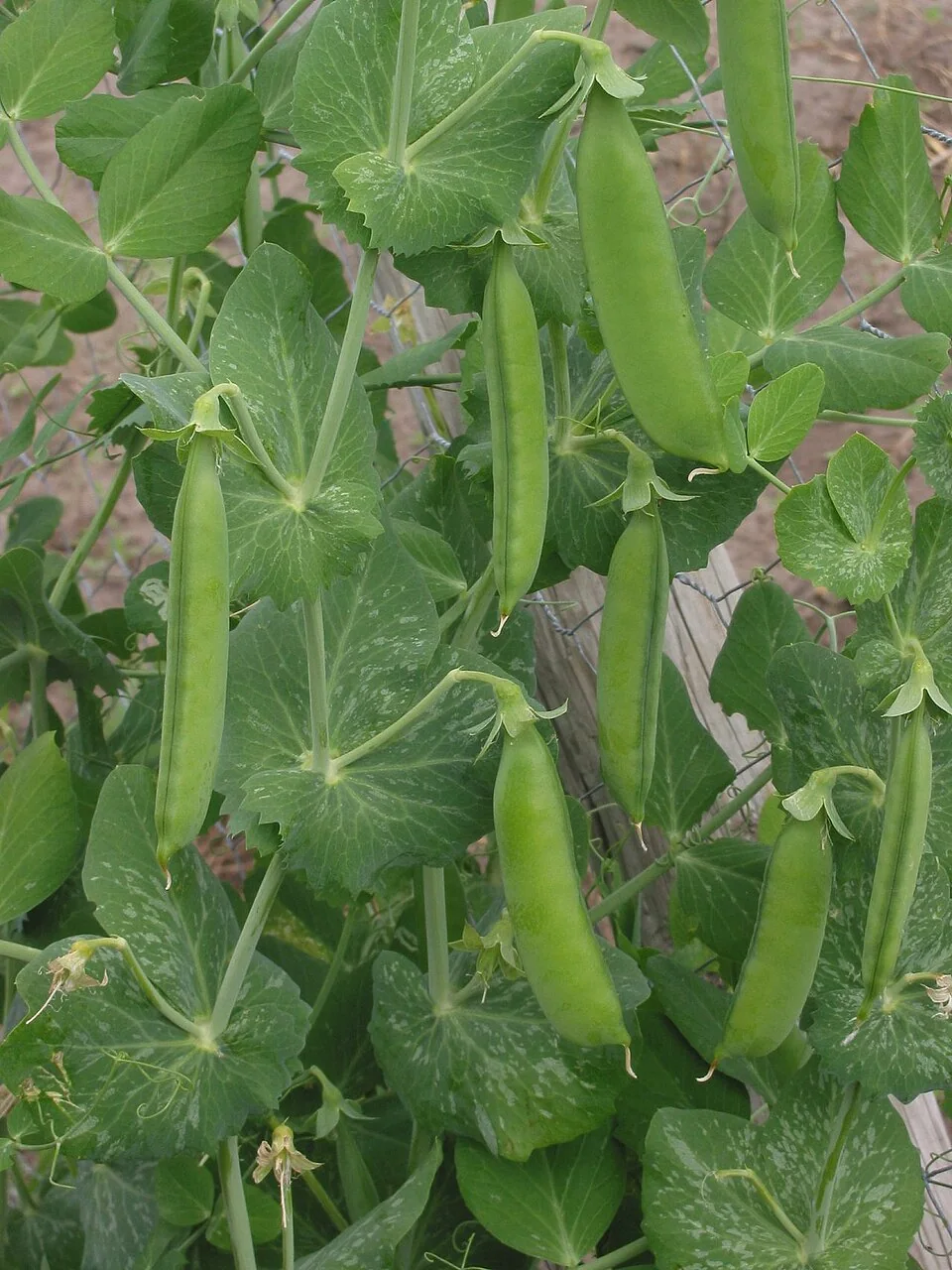
Pisum sativum
A cool-season climbing or compact vegetable that includes shelling, snow and snap forms, with vine height determining its support and pod type determining harvest.
Growing referenceVegetables
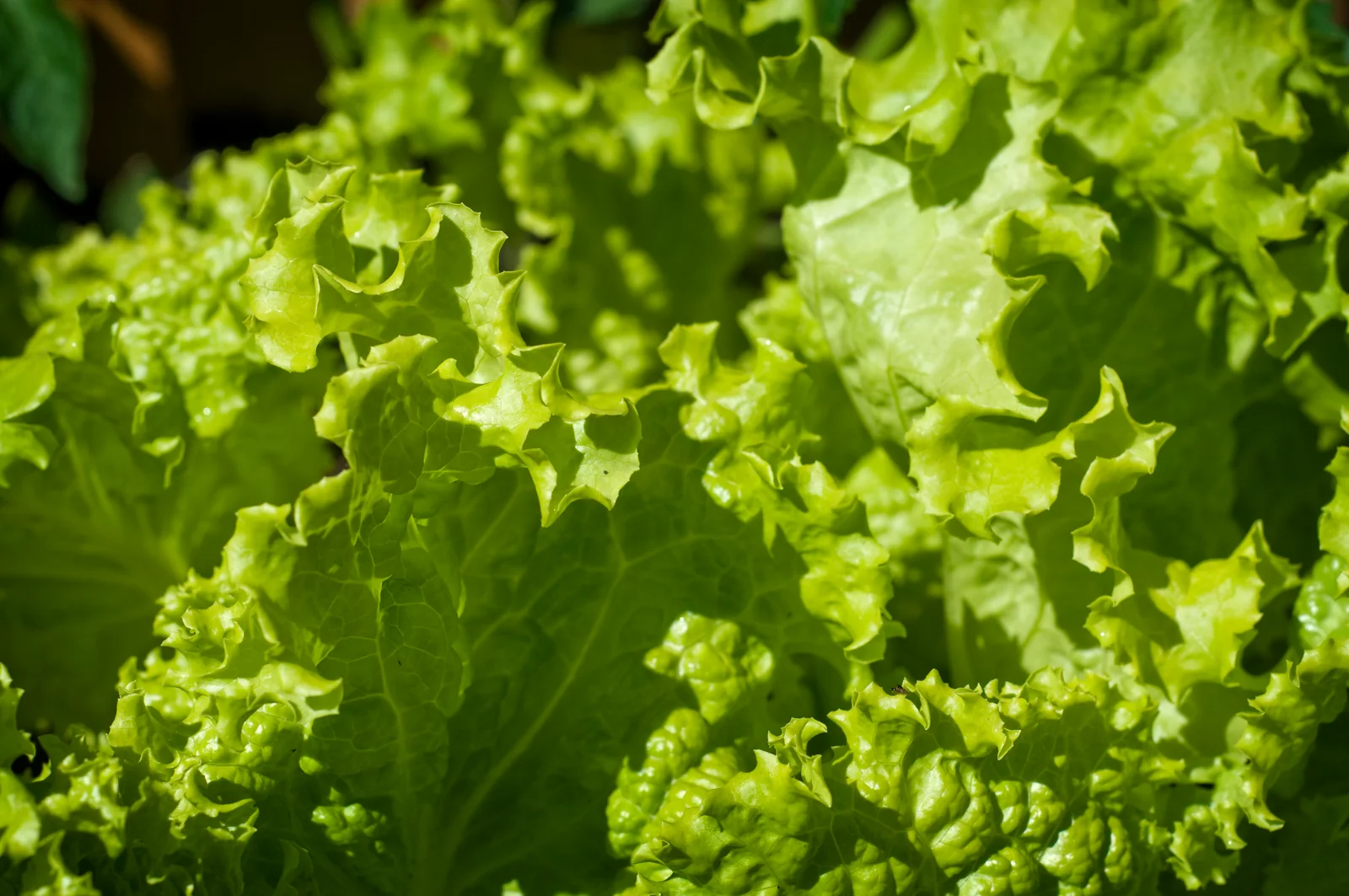
Lactuca sativa
A nonheading lettuce type grown for loose rosettes of tender leaves, suited to small beds and containers when cool-season timing and regular harvesting fit the household.
Growing referenceOutdoor ornamentals
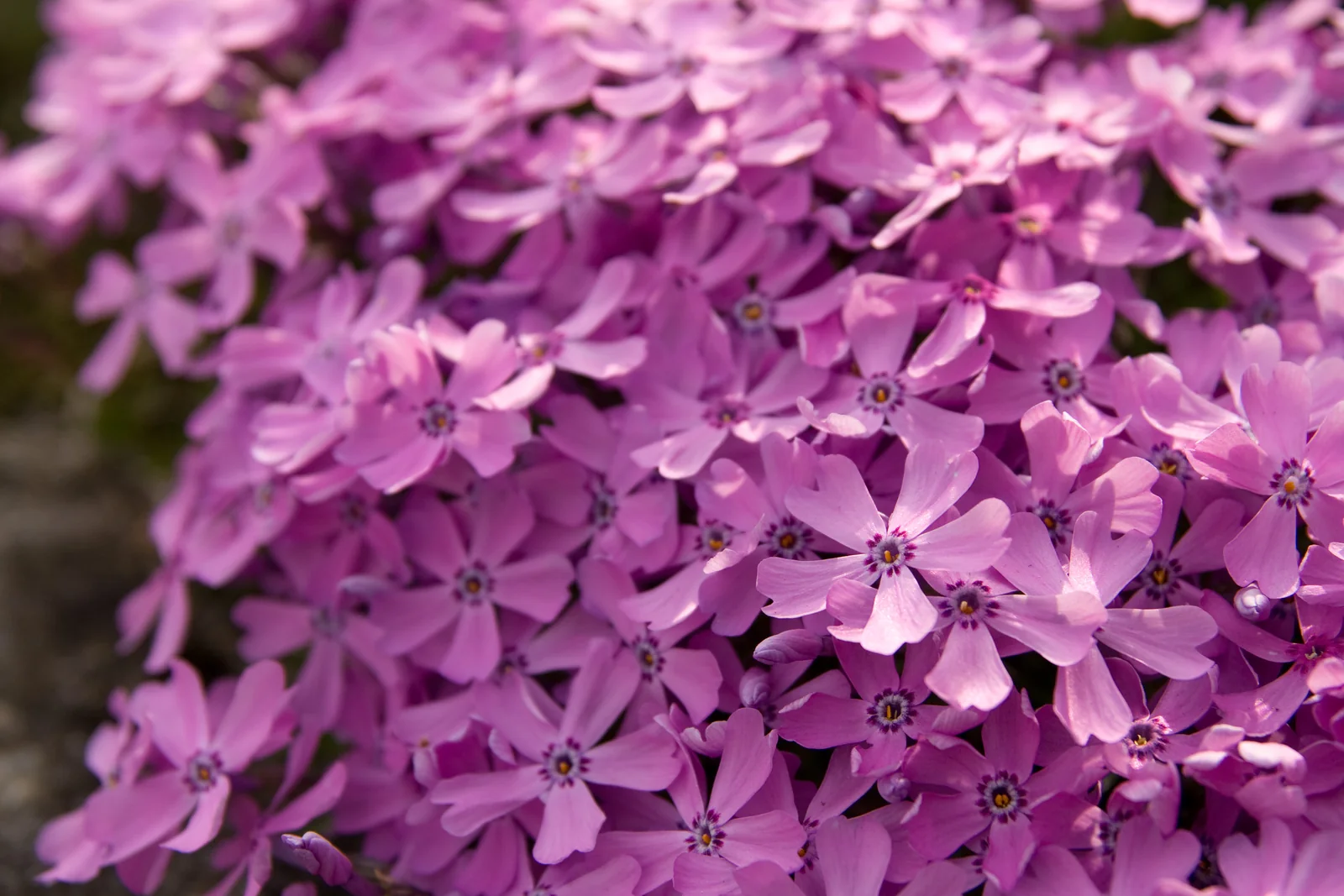
Phlox subulata
A low spring-flowering groundcover for sunny, freely draining beds, rock gardens and manageable banks; confirm the species behind the common name.
Growing referenceOutdoor ornamentals
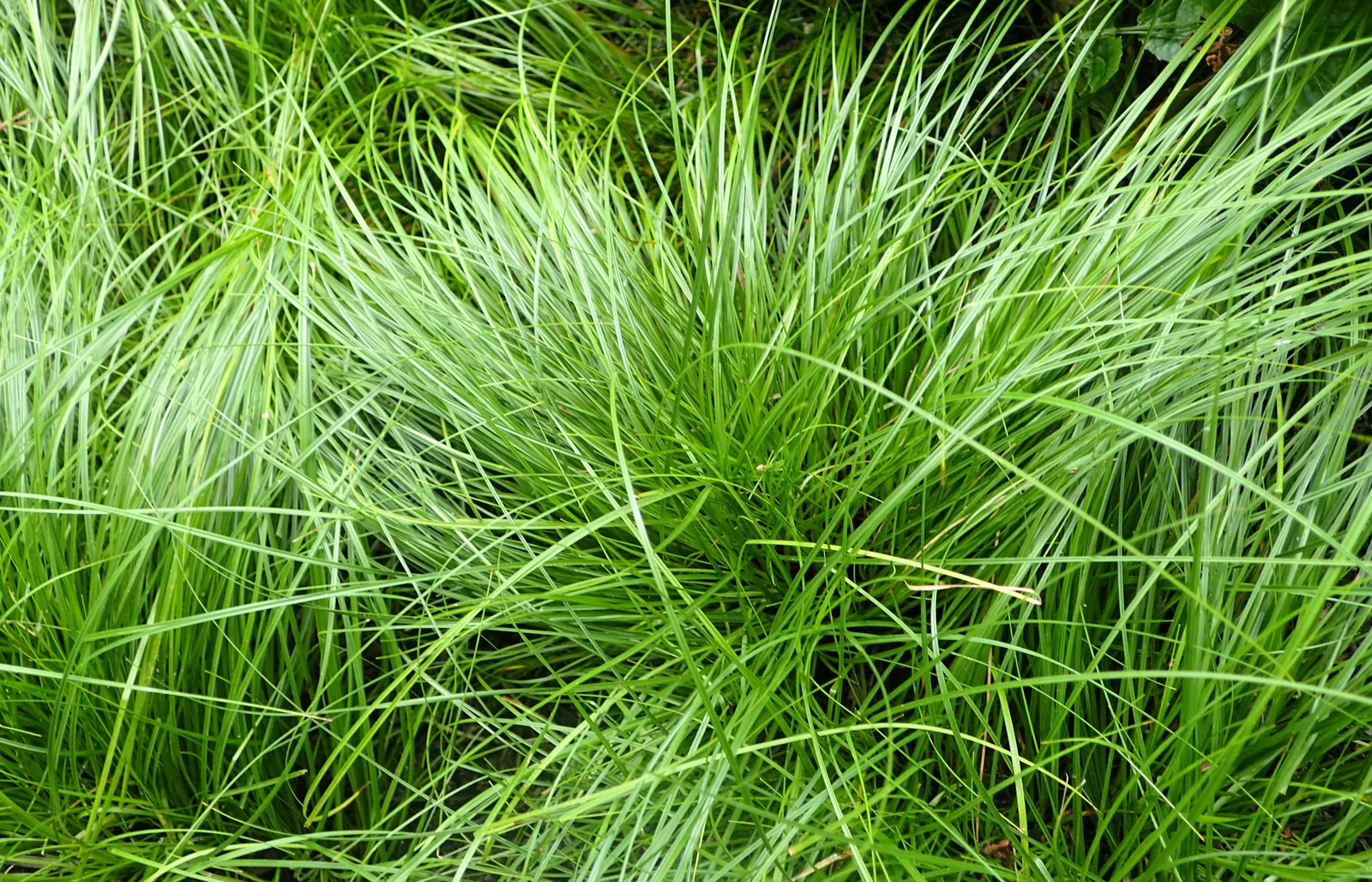
Carex pensylvanica
A fine-textured sedge for a low woodland ground layer, with regional trial evidence, light-traffic limits and a spreading habit to plan around.
Growing referenceOutdoor ornamentals
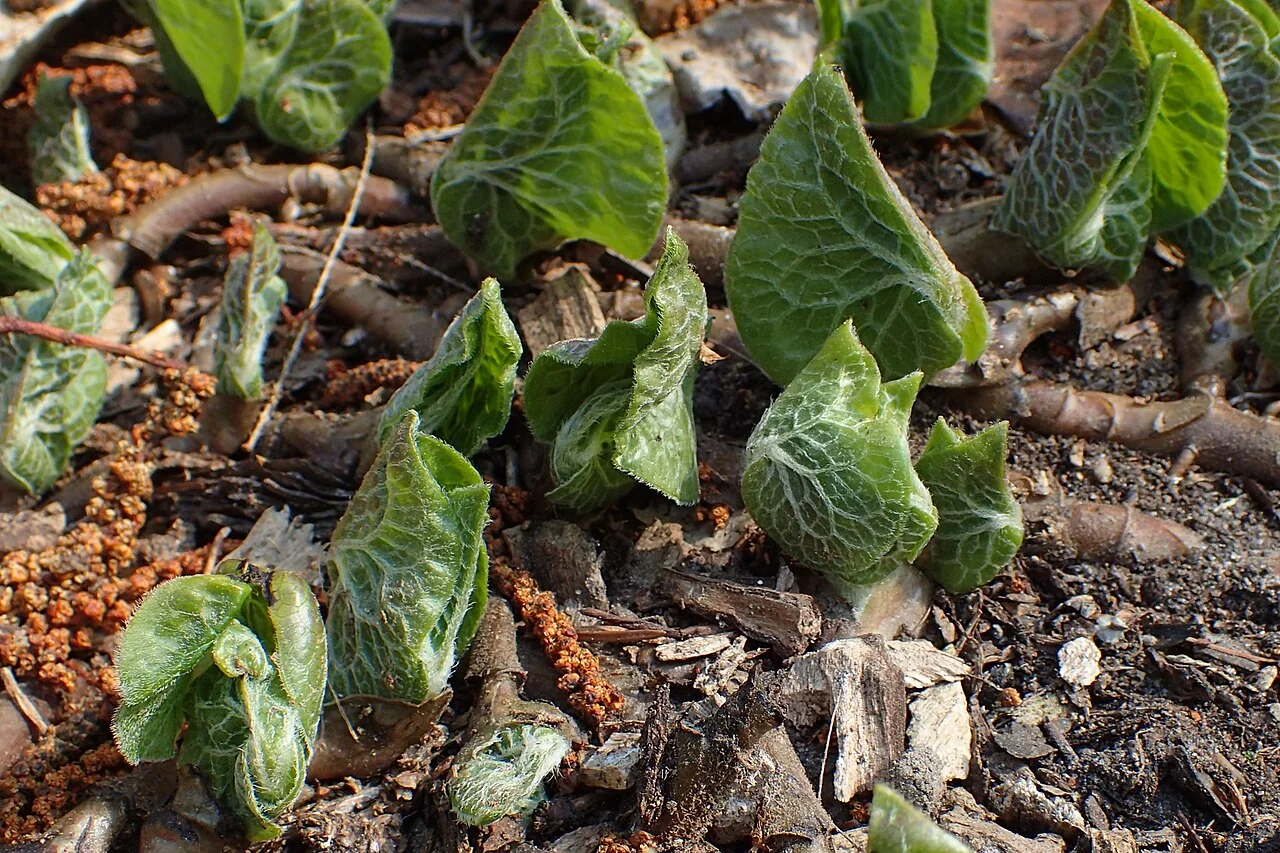
Asarum canadense
A deciduous woodland groundcover with broad heart-shaped foliage, best considered for shade with reliable moisture and without culinary expectations.
Growing referenceOutdoor ornamentals
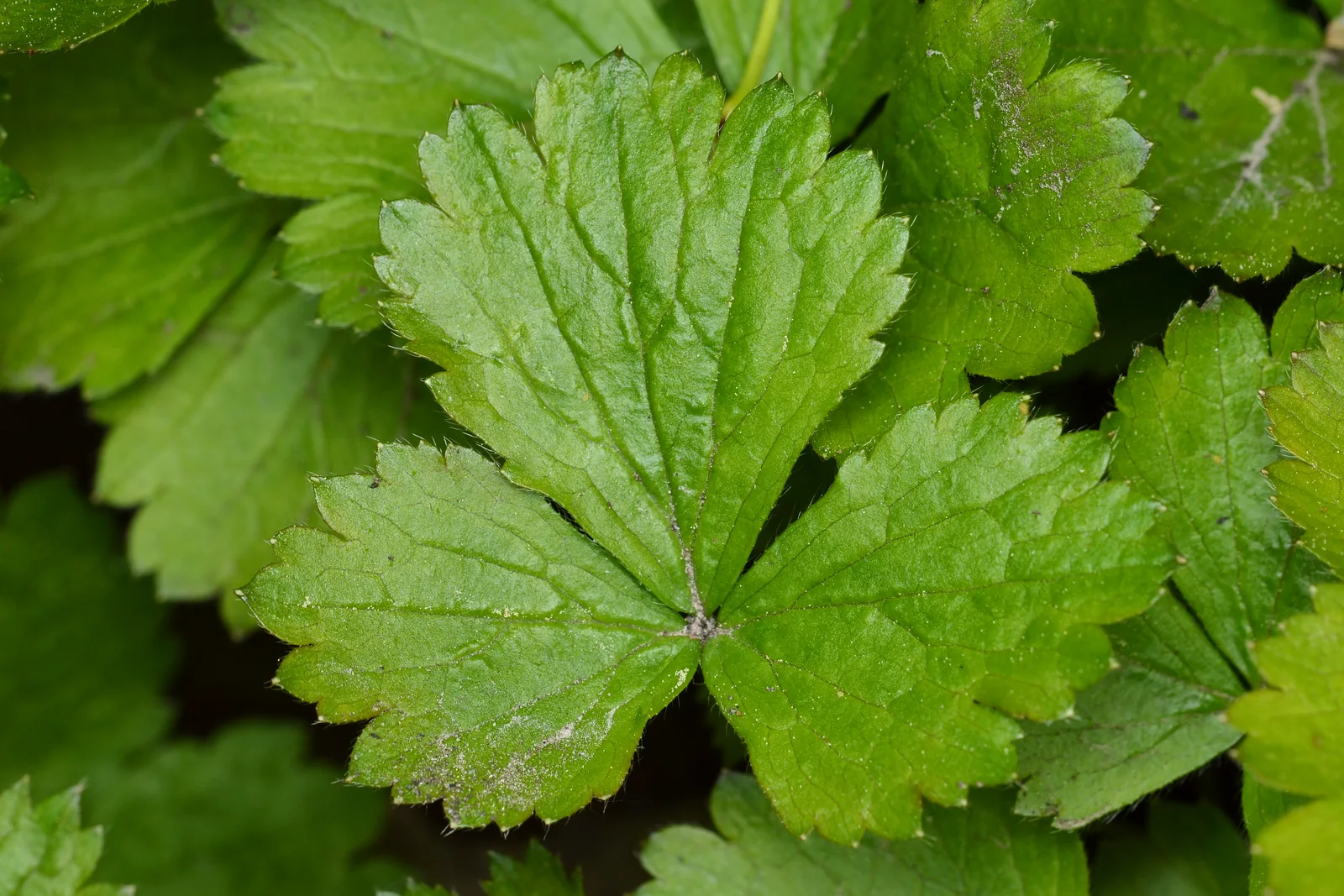
Waldsteinia fragarioides
A low ornamental groundcover with yellow spring flowers and strawberry-like foliage; verify the North American species rather than buying by common name.
Growing referenceVegetables
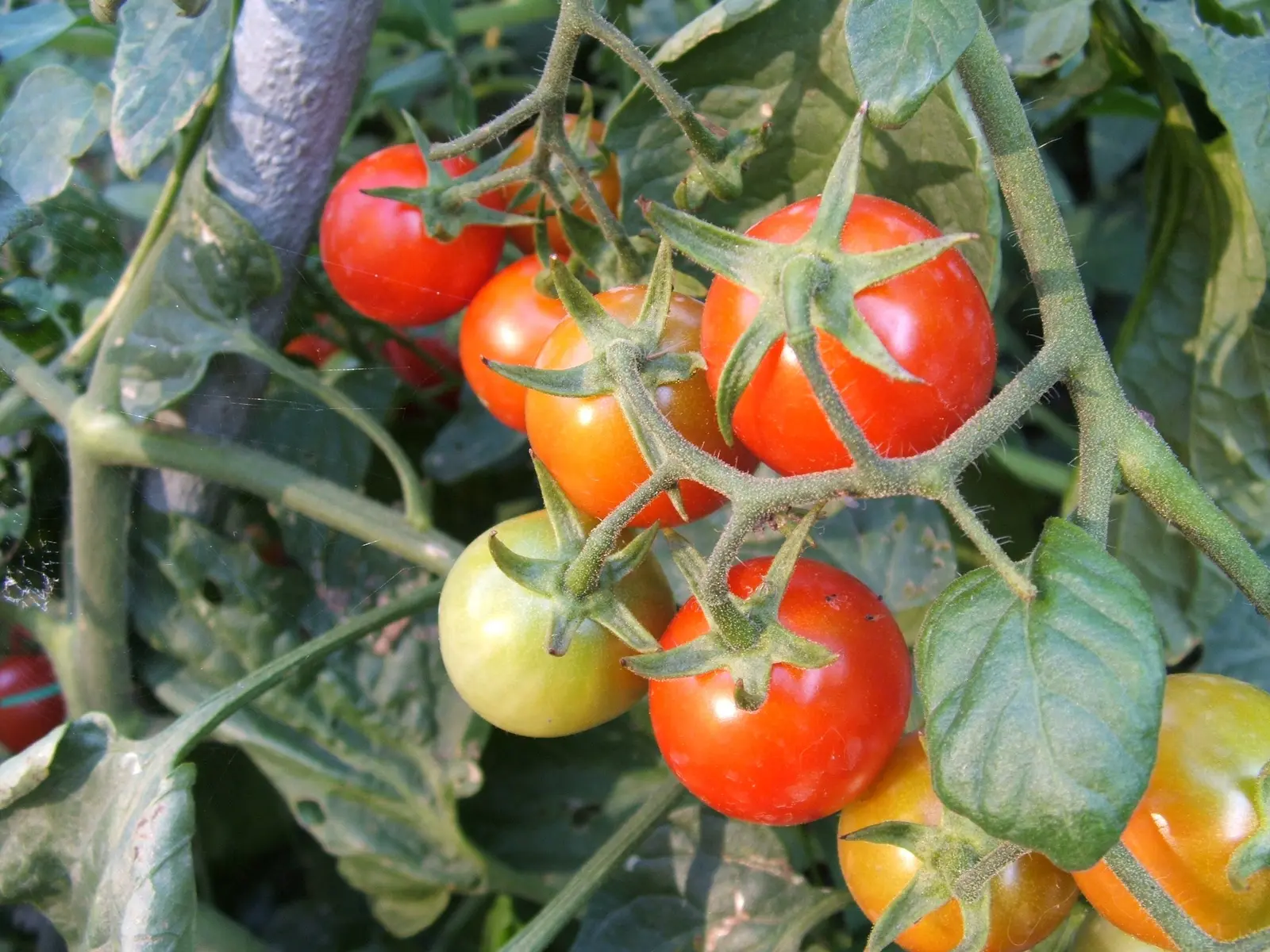
Solanum lycopersicum
A frost-tender fruiting crop whose mature growth habit determines support, spacing and the rhythm of harvest.
Growing referenceVegetables
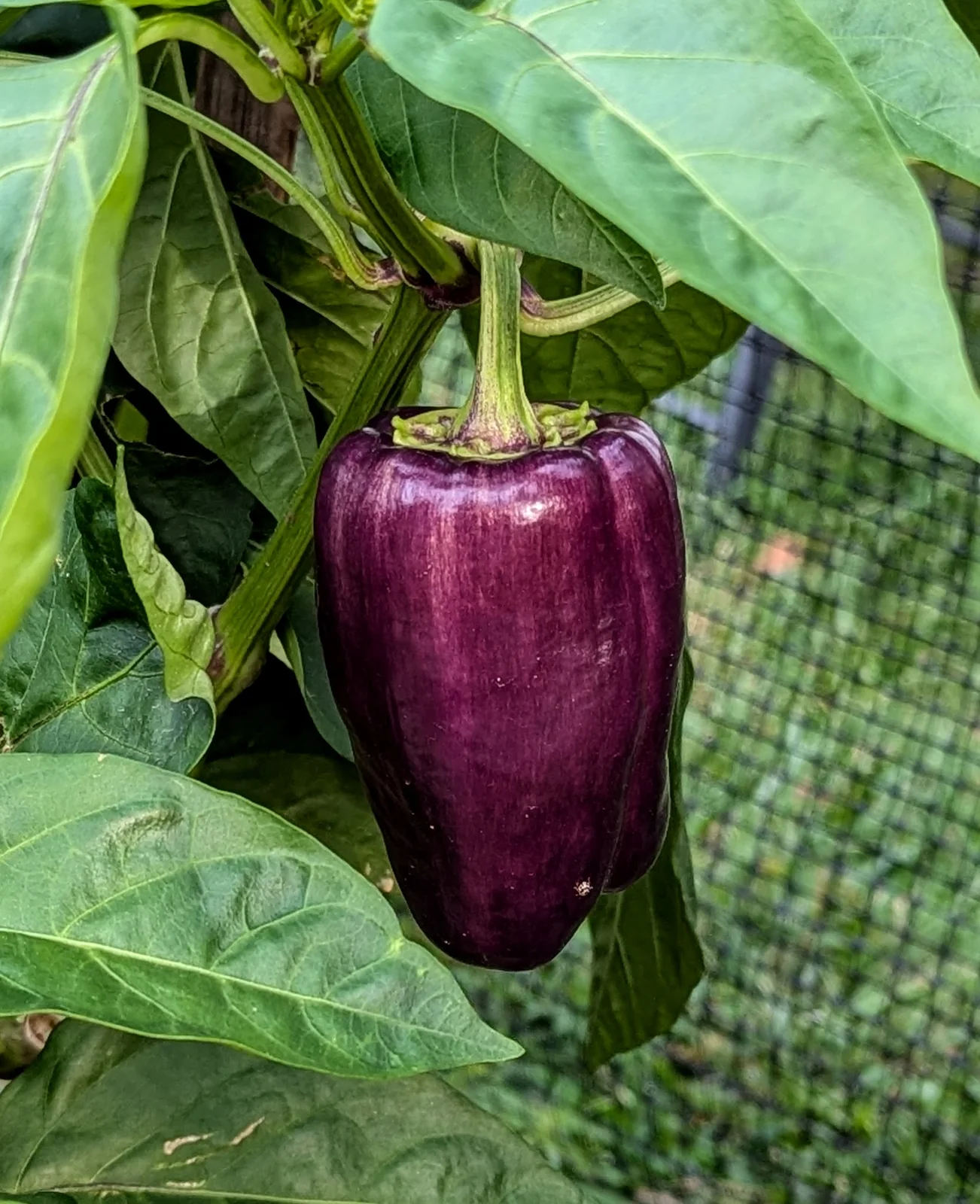
Capsicum annuum
Warm-season sweet peppers, including bell types, grown for crisp immature fruit or fully colored ripe peppers.
Growing referenceVegetables
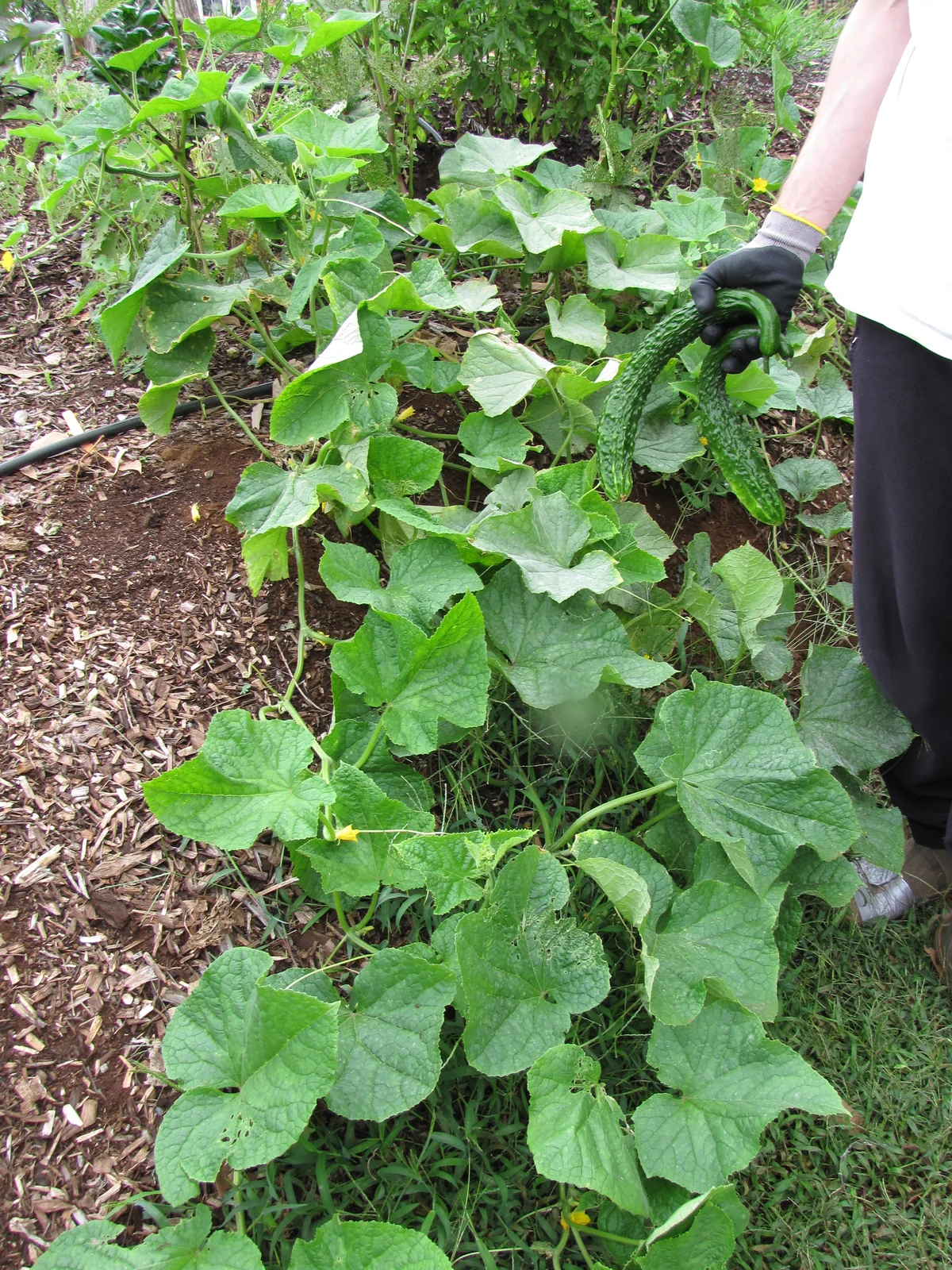
Cucumis sativus
A frost-tender annual vine grown for young, crisp fruit; cultivar habit and pollination requirements determine the setup.
Growing referenceVegetables
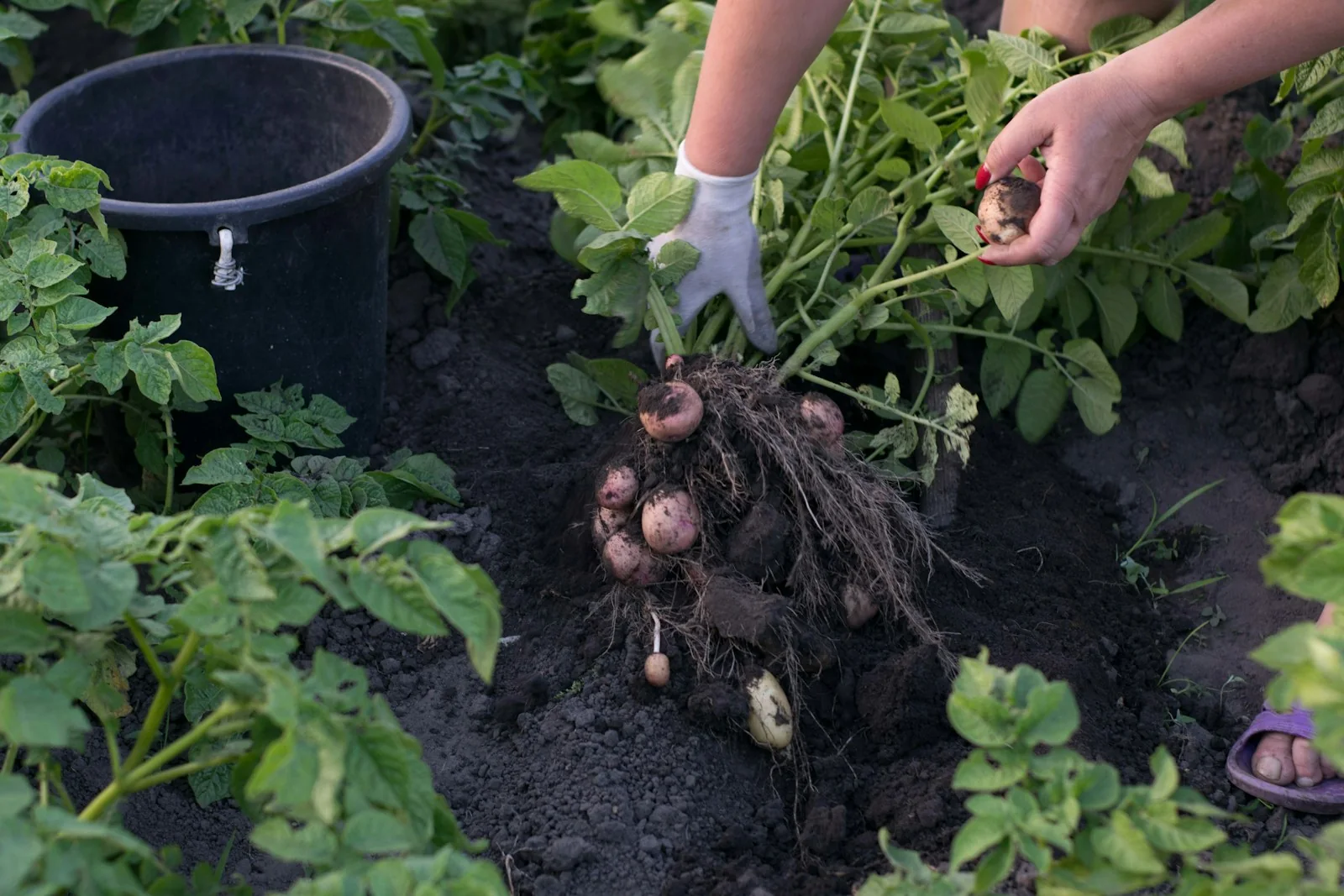
Solanum tuberosum
A cool-season tuber crop started from seed potatoes, with separate harvest decisions for tender new potatoes and mature storage tubers.
Growing referenceVegetables
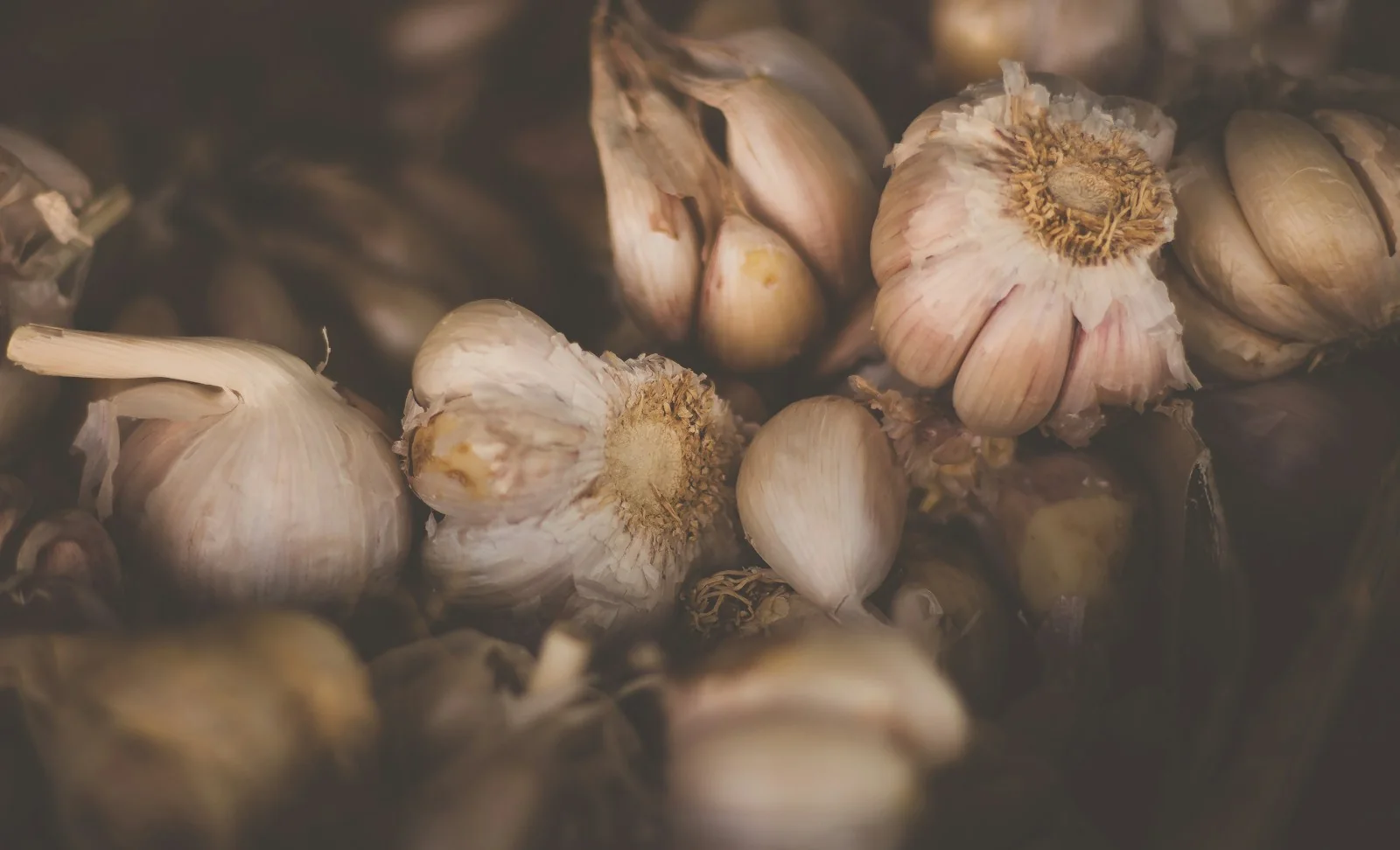
Allium sativum
A bulb crop usually planted as individual cloves in fall, with climate-adapted hardneck or softneck types harvested the following warm season.
Growing referenceVegetables
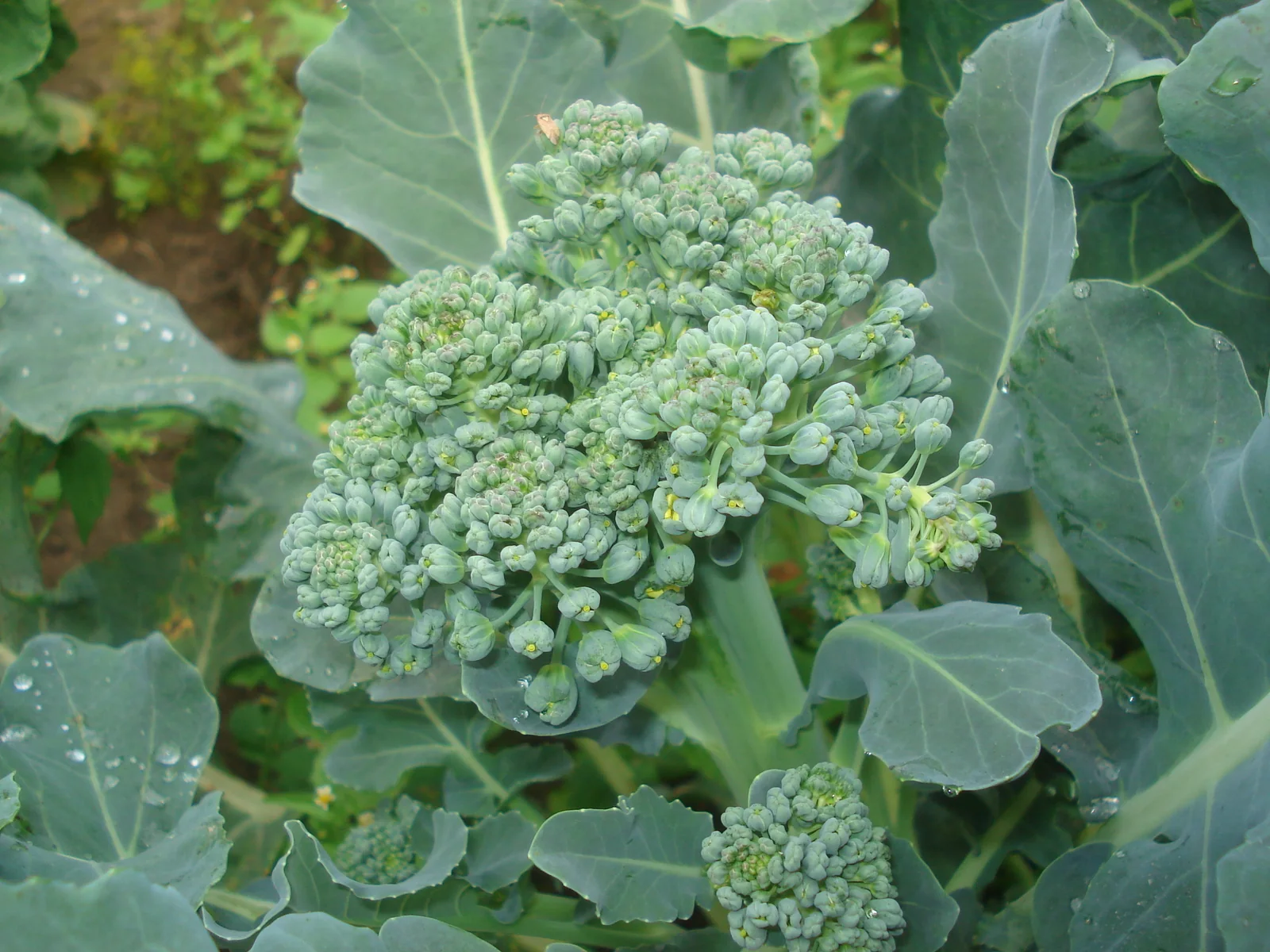
Brassica oleracea Italica Group
Heading broccoli grown for tight clusters of unopened flower buds, with crop timing centered on cool conditions during head development.
Growing referenceHerbs
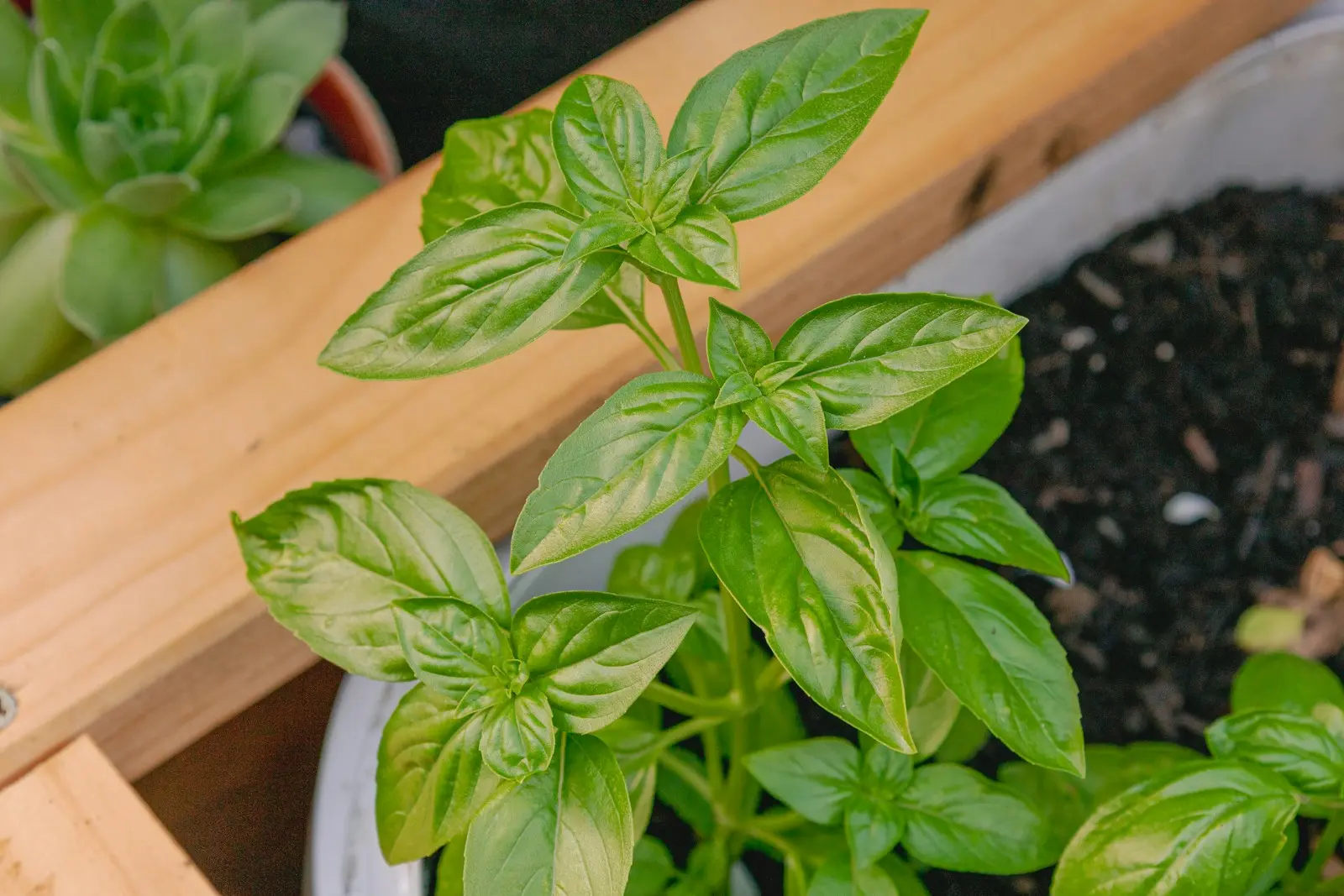
Ocimum basilicum
A warmth-loving culinary herb for leafy summer harvests, sunny pots and fresh pesto.
Growing referenceHerbs
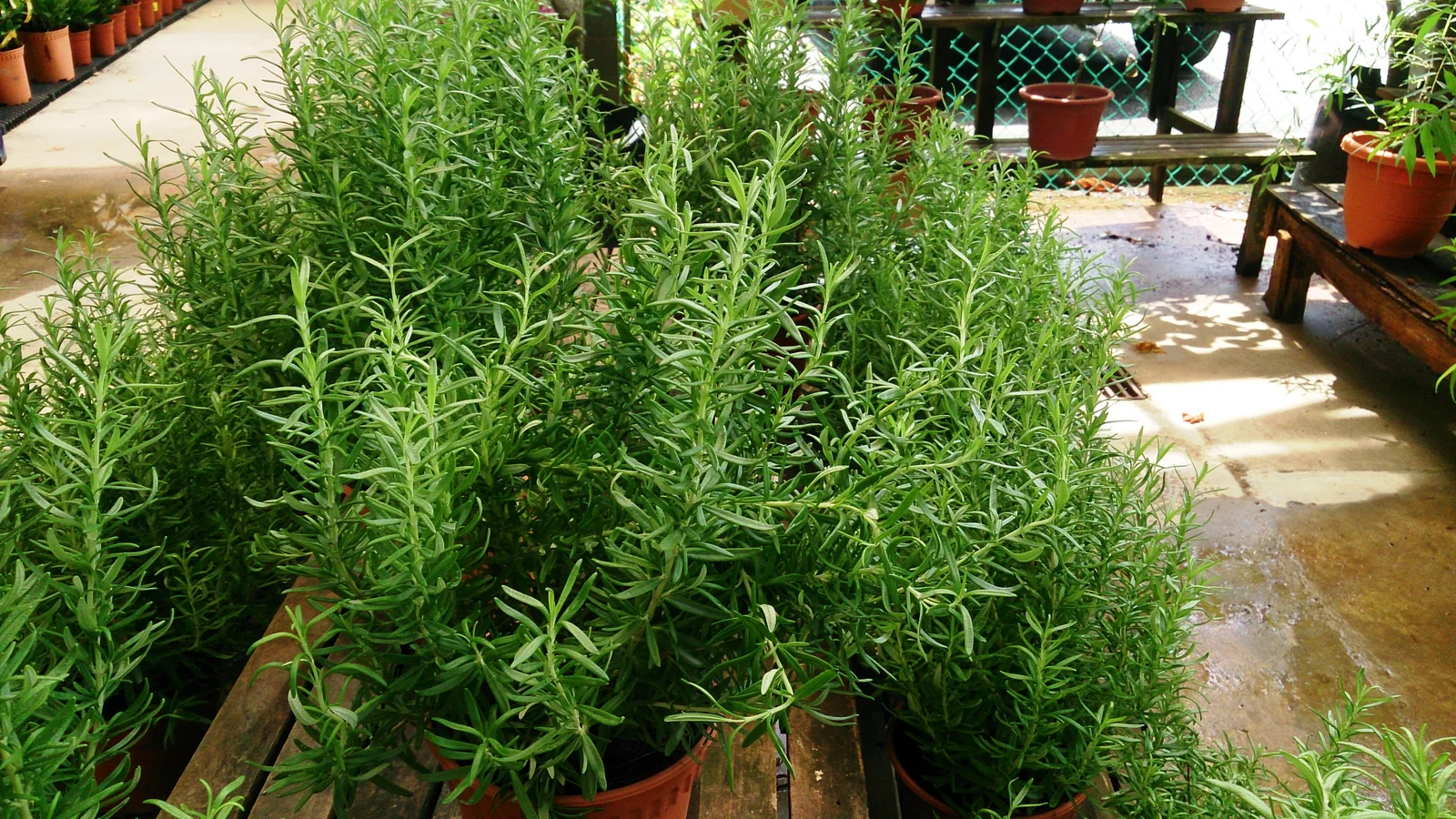
Salvia rosmarinus
An aromatic evergreen shrub whose long-term success depends on sun, drainage and a realistic winter location.
Growing referenceHerbs
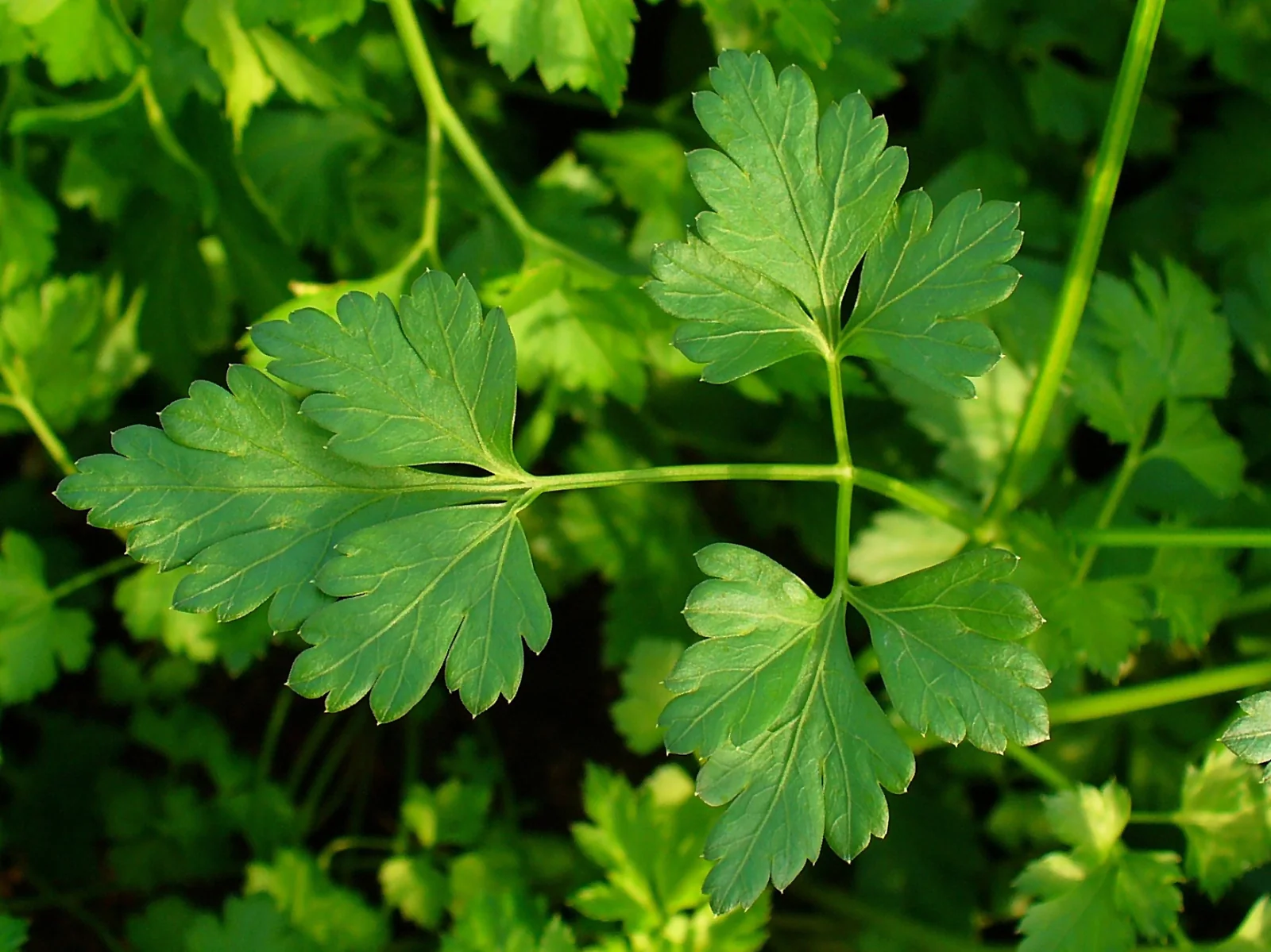
Petroselinum crispum
A leafy biennial commonly replaced each year, useful in beds and containers through cool growing weather.
Growing referenceHerbs
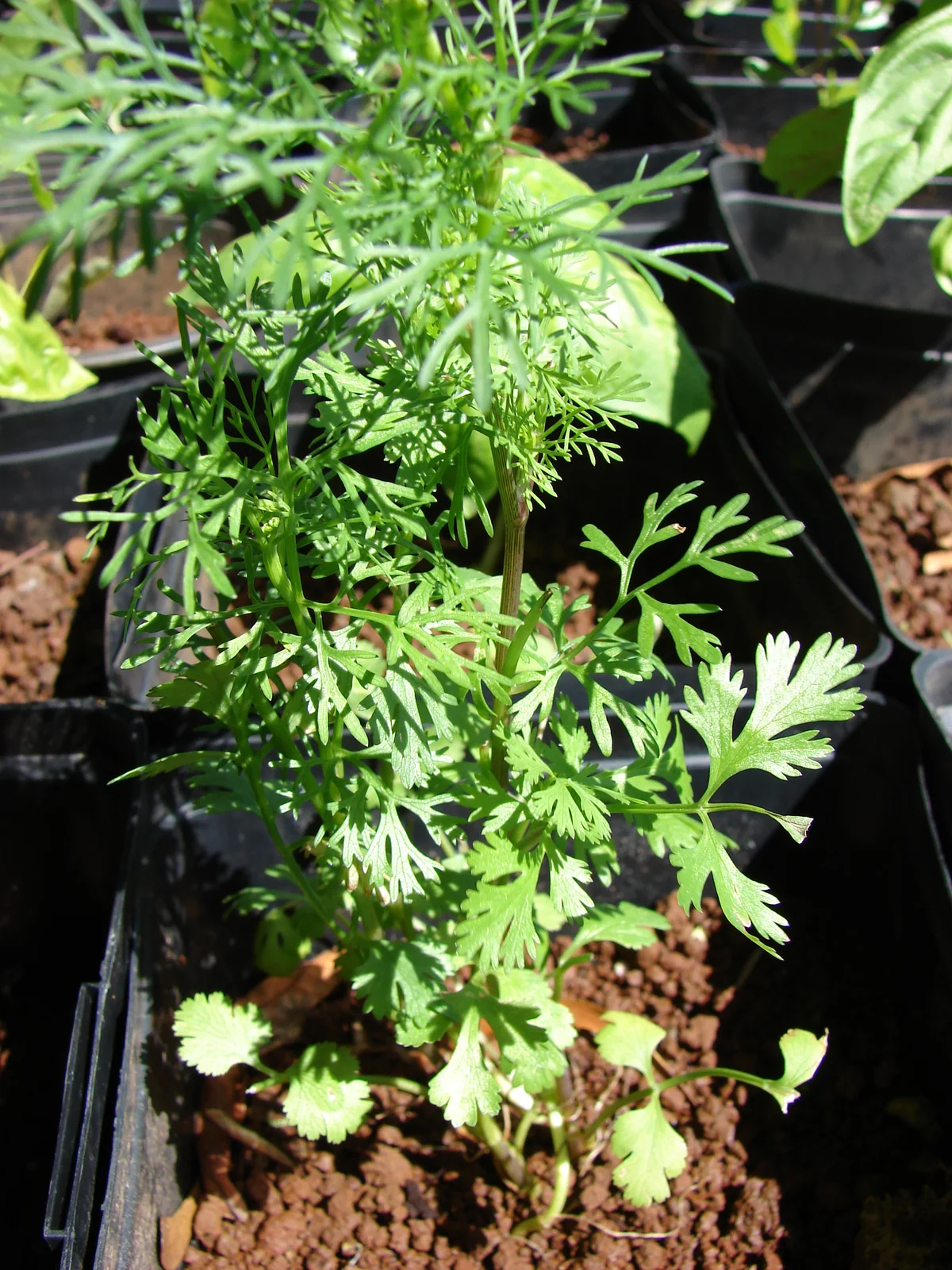
Coriandrum sativum
A cool-season annual grown first for fresh leaves and later, if allowed to flower, for coriander seed.
Growing referenceHerbs
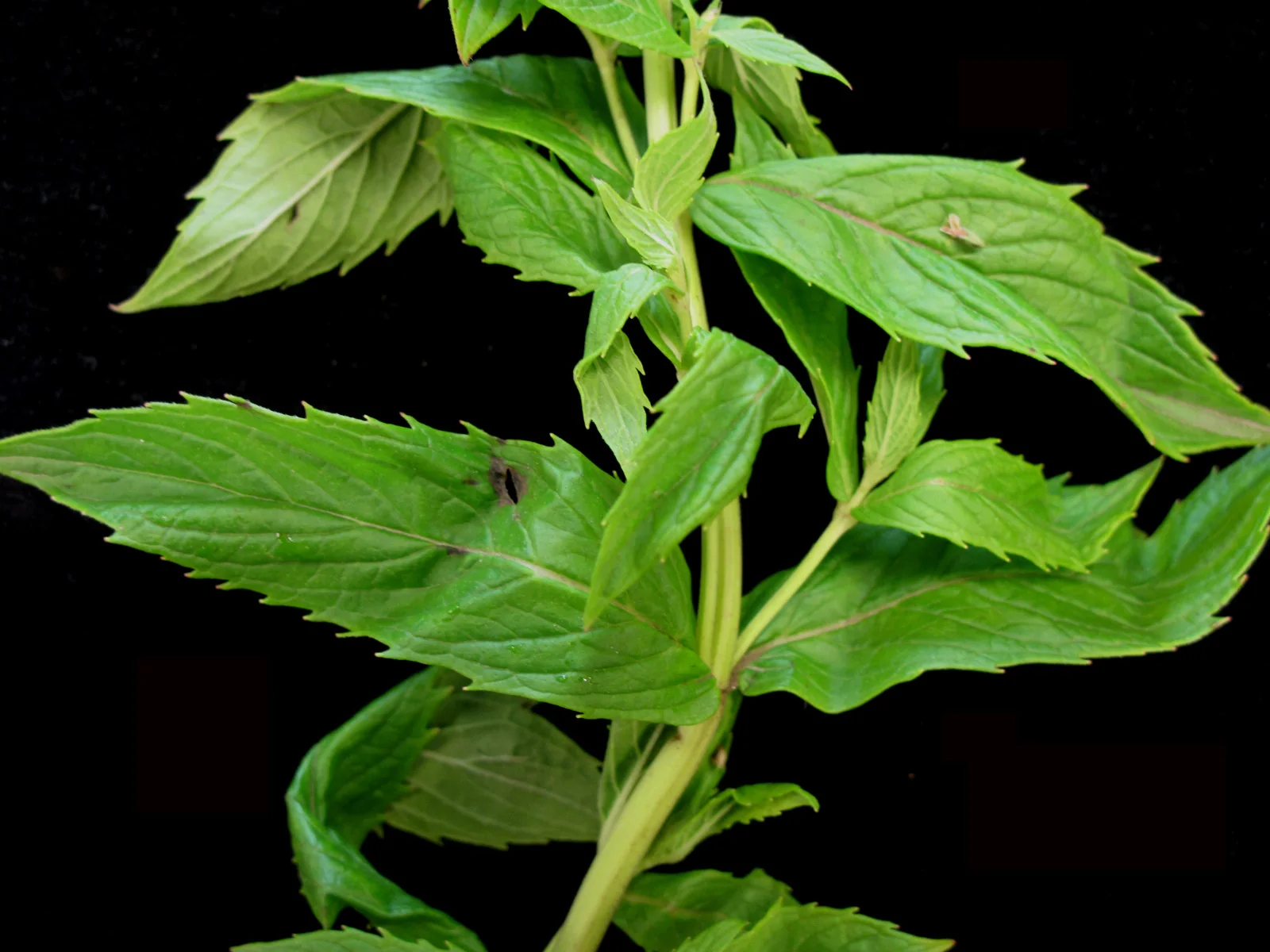
Mentha spicata
A vigorous culinary perennial for fresh leaves, best given its own container and a plan for spreading stems.
Growing referenceHerbs
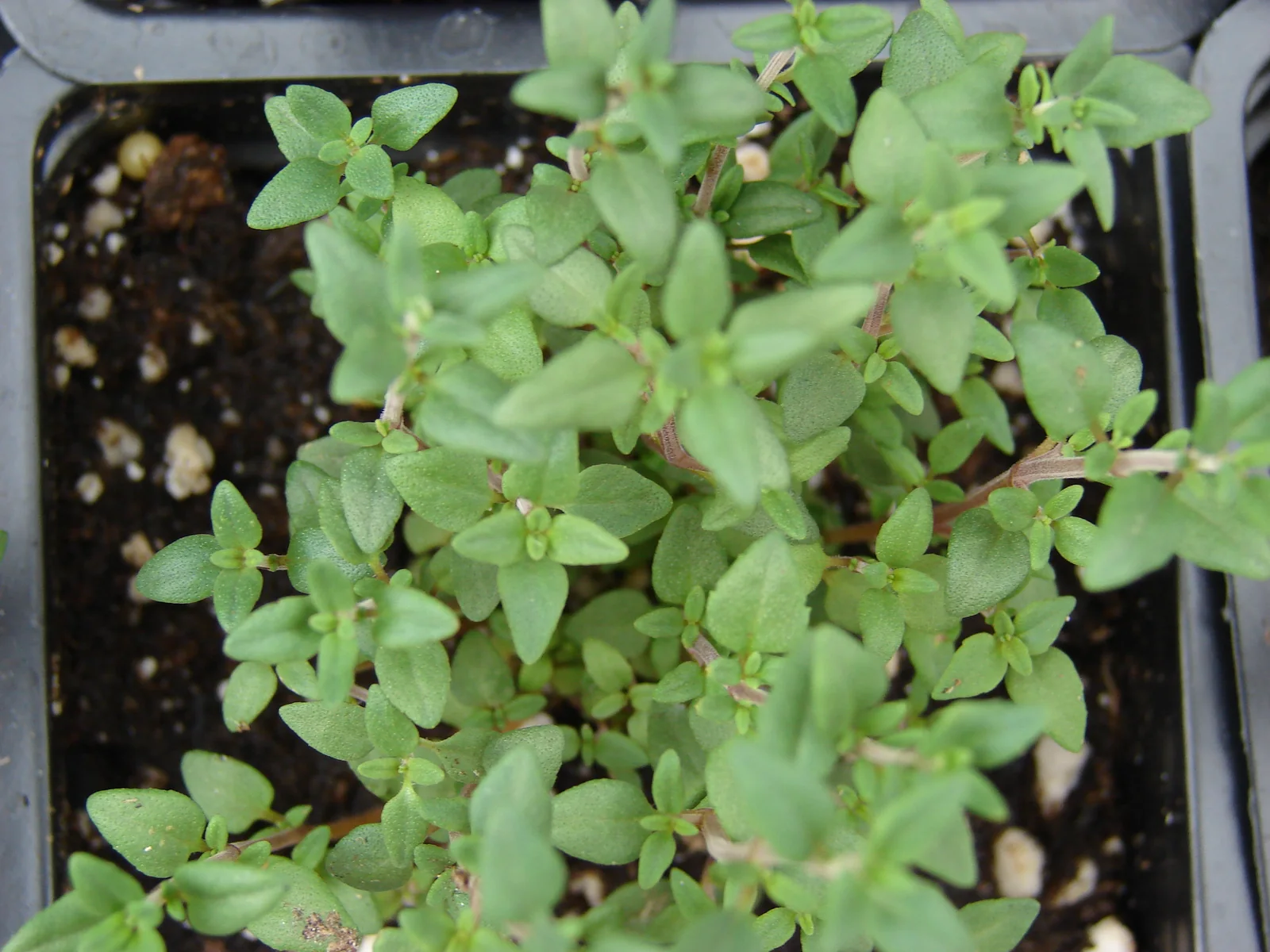
Thymus vulgaris
A small woody culinary perennial for sunny, freely draining beds and pots, with useful flowers and aromatic leaves.
Growing referenceFruit & berries
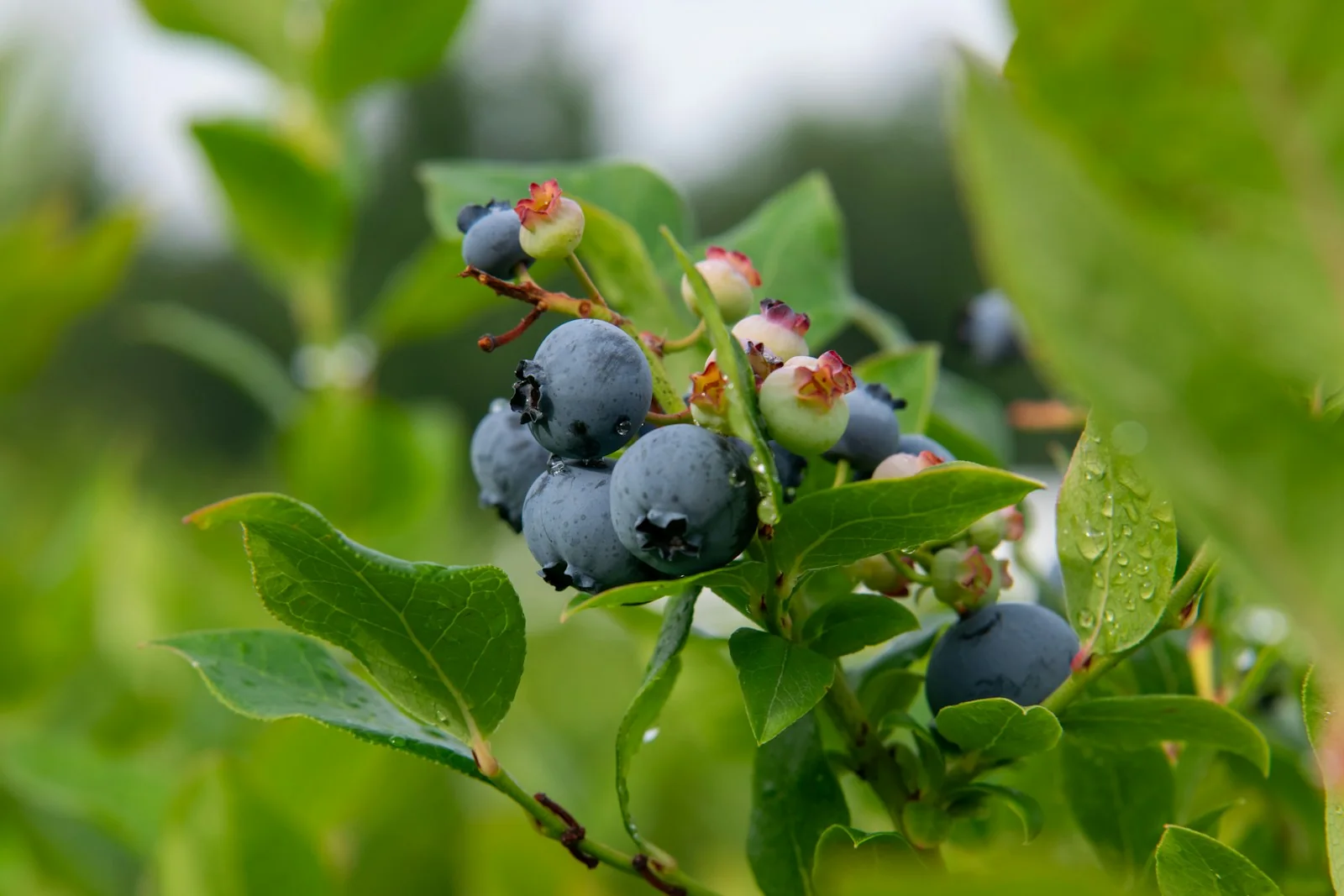
Vaccinium corymbosum and southern highbush hybrids
A long-lived fruiting shrub whose success depends on matching blueberry type to winter conditions and maintaining an acidic, aerated root zone.
Growing referenceFruit & berries
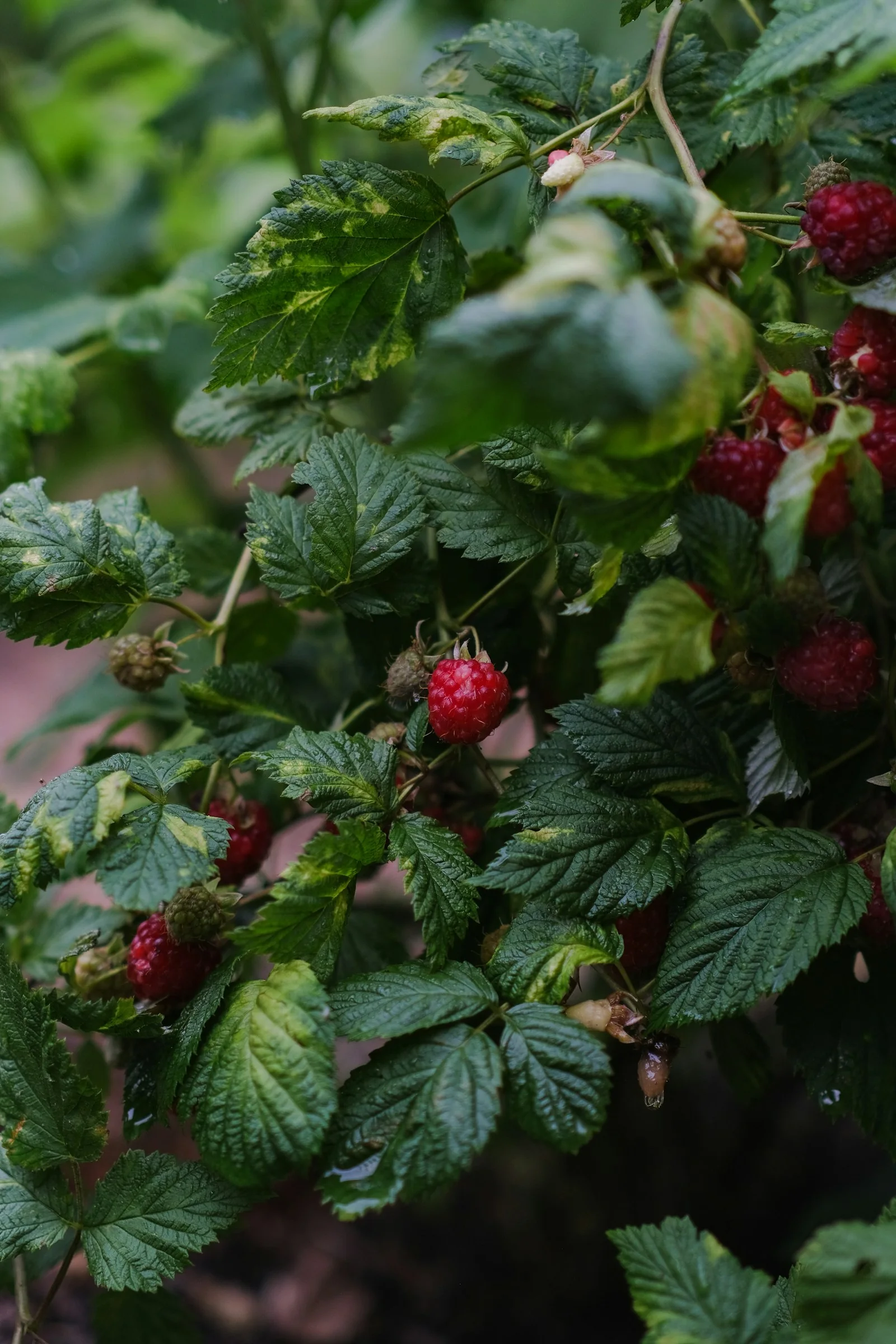
Rubus idaeus cultivars
A perennial bramble with short-lived canes, delicate fruit and a pruning system determined by whether the cultivar fruits on first-year or second-year growth.
Growing referenceFruit & berries
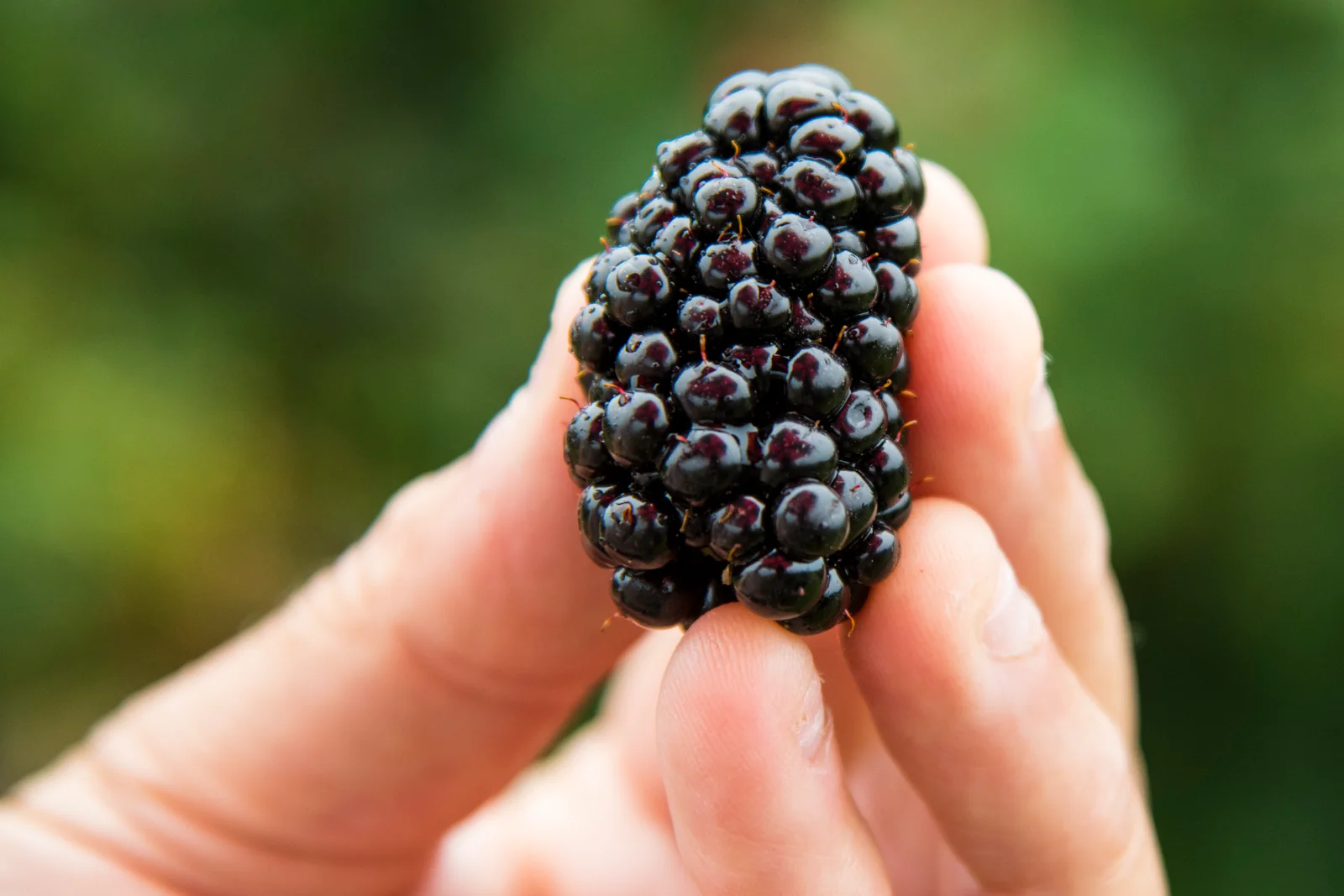
Rubus species and cultivated hybrids (blackberry group)
Cultivated brambles ranging from upright bushes to long trailing canes, with support and pruning chosen around cane habit, fruiting age and regional adaptation.
Growing referenceFruit & berries
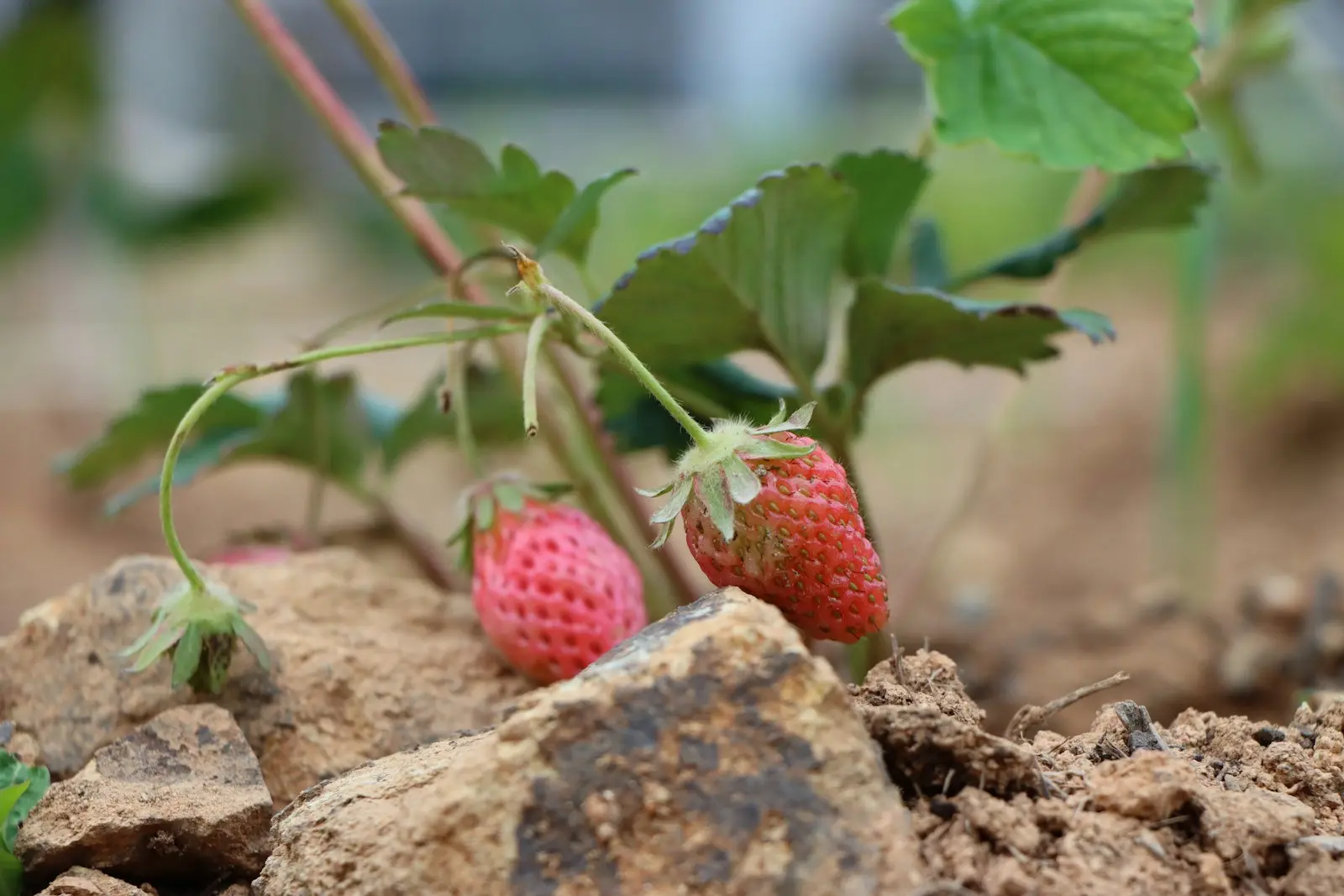
Fragaria × ananassa
A low-growing hybrid perennial fruit crop whose runners, planting depth and flowering type determine how a productive bed or container should be managed.
Growing referenceFruit & berries
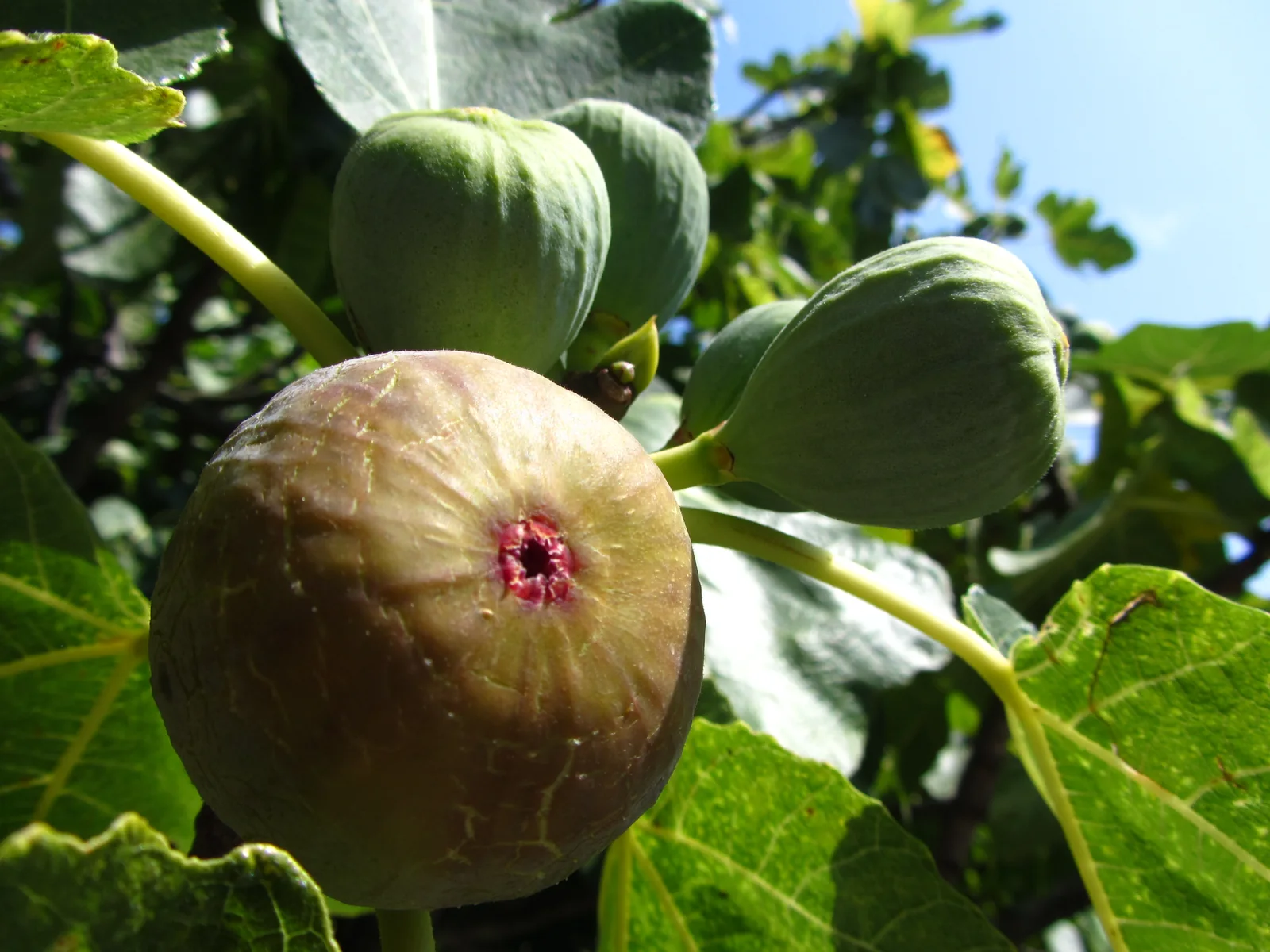
Ficus carica (common, parthenocarpic fruiting types)
A deciduous fruiting shrub or small tree that rewards a warm, sunny site, with winter protection chosen to preserve productive wood and give fruit time to ripen.
Growing referenceFruit & berries
Vitis vinifera, American Vitis species and cultivated interspecific hybrids (bunch grapes)
A woody perennial vine grown for clusters of fruit, with species ancestry, season length, regional disease pressure and pruning system all shaping the right garden choice.
Growing referenceOutdoor ornamentals
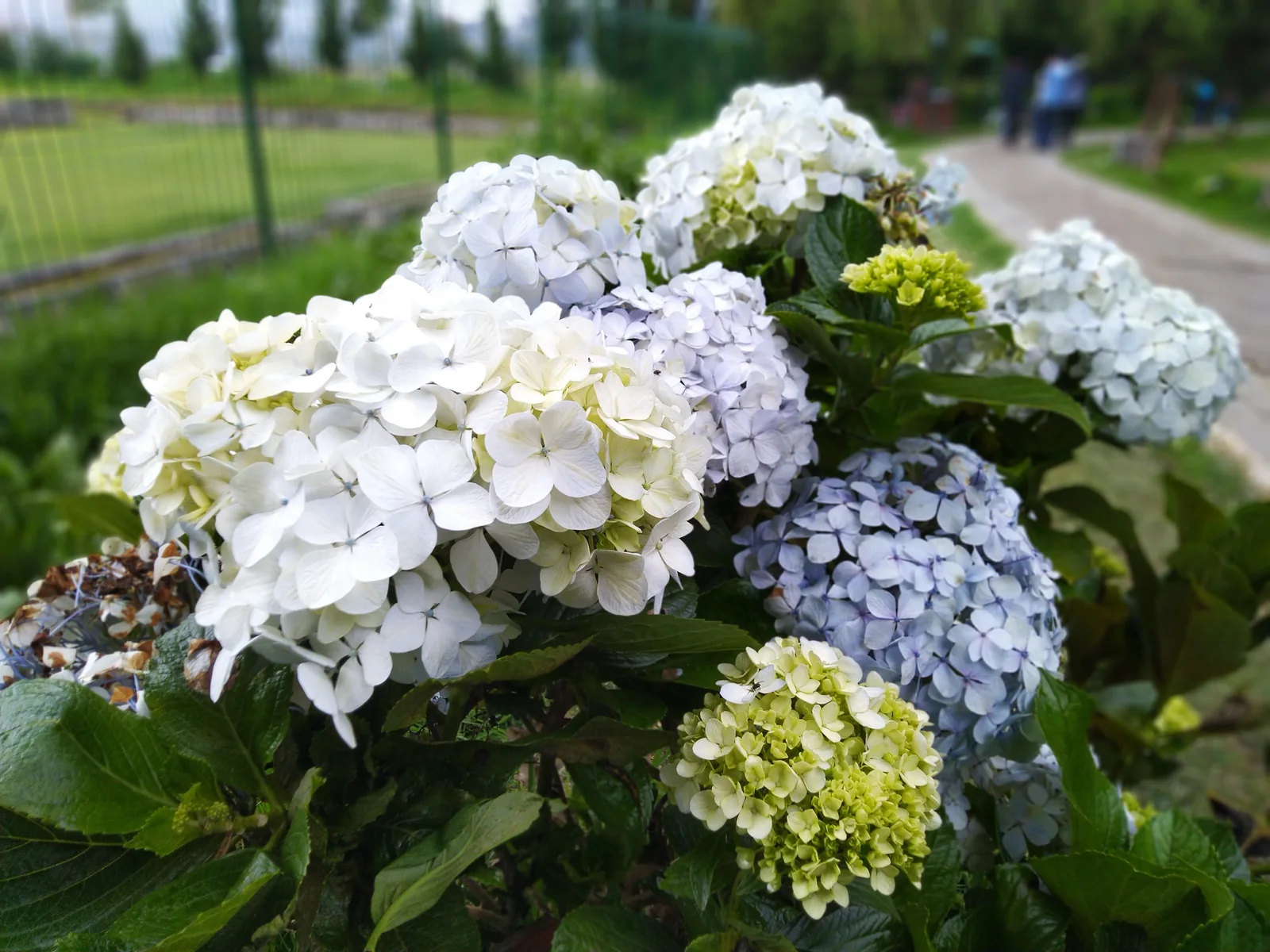
Hydrangea macrophylla
A summer-flowering deciduous shrub whose success depends on preserving flower buds, matching light to heat, and choosing the right cultivar.
Growing referenceOutdoor ornamentals
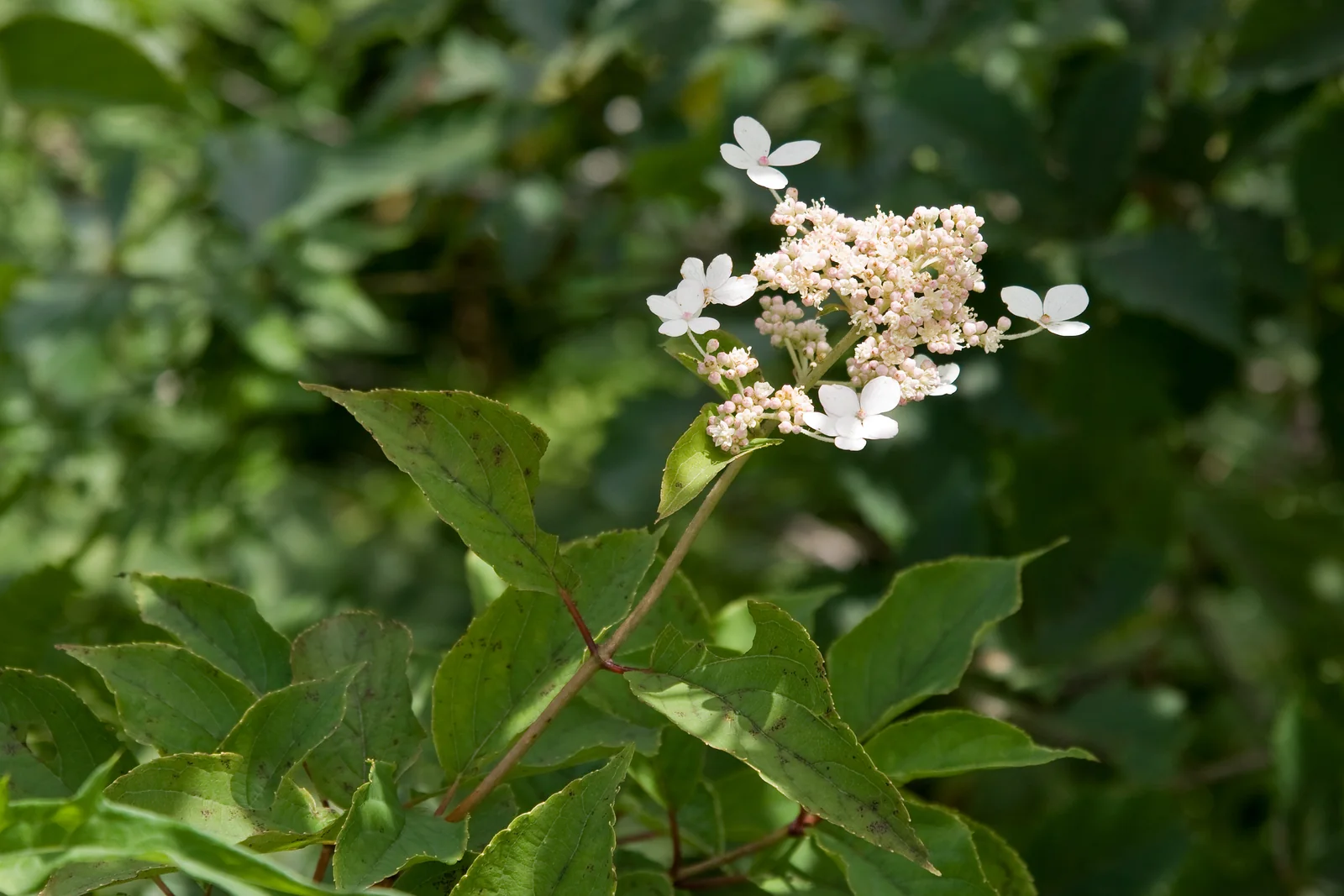
Hydrangea paniculata
A deciduous shrub or small tree with summer flower cones, broad cultivar size differences, and blooms produced on current-season growth.
Growing referenceOutdoor ornamentals
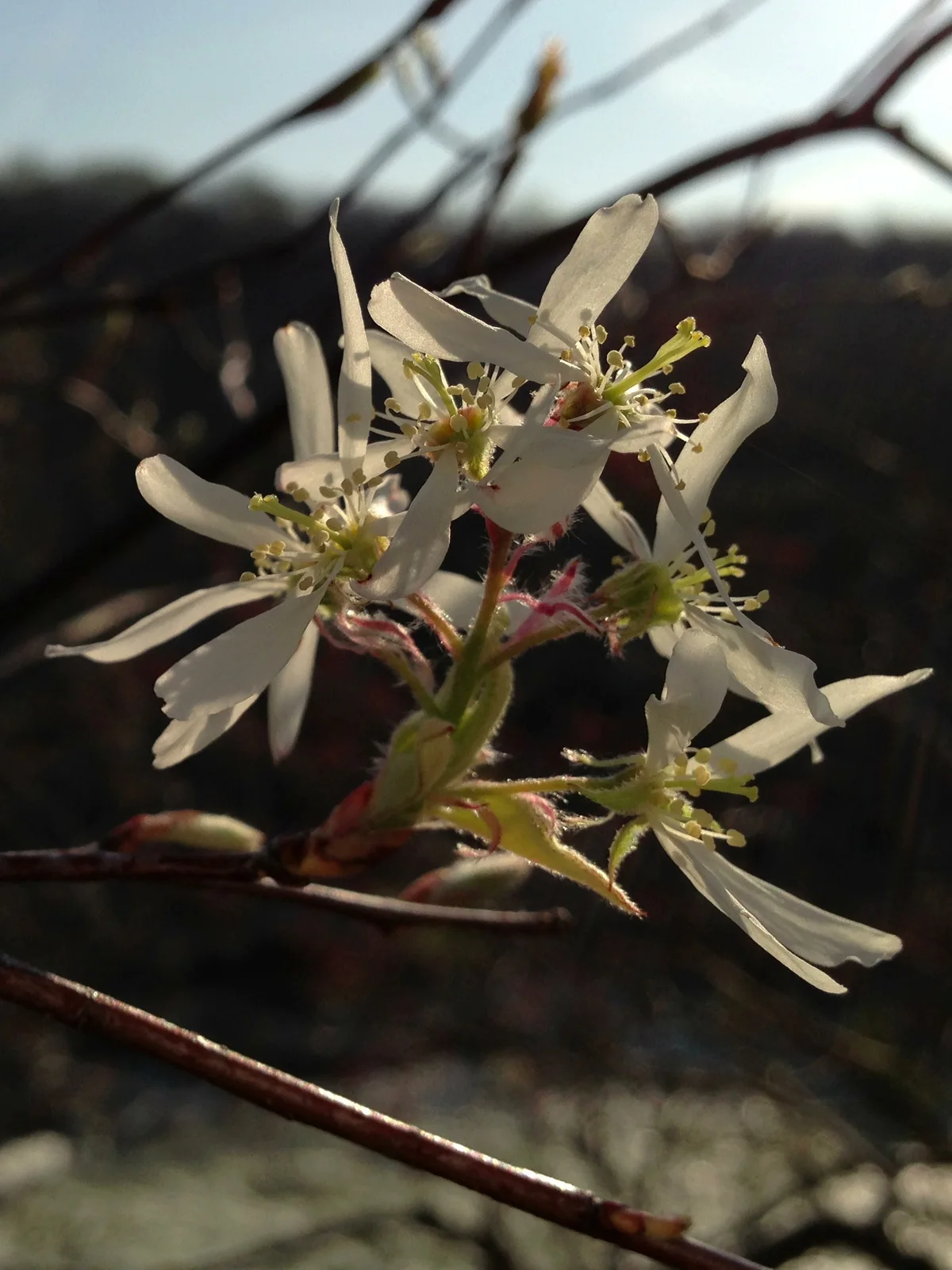
Amelanchier arborea
An eastern North American small tree or large shrub with early white flowers, bird-attracting fruit, and colorful autumn foliage.
Growing referenceOutdoor ornamentals
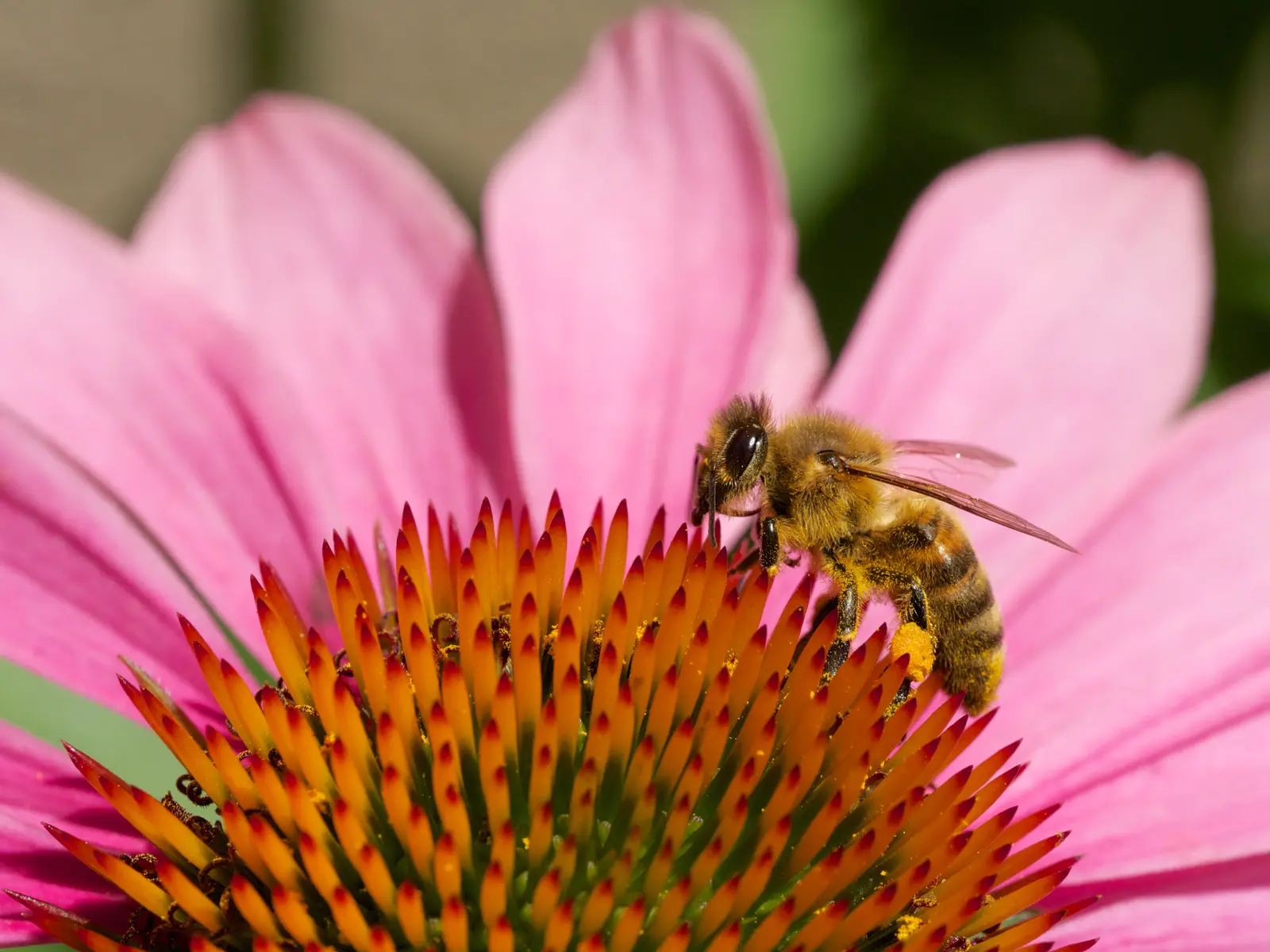
Echinacea purpurea
A clump-forming herbaceous perennial with pink-purple rays, prominent seed cones, and useful choices between extended flowers, seedheads, and stem habitat.
Growing referenceHouseplants
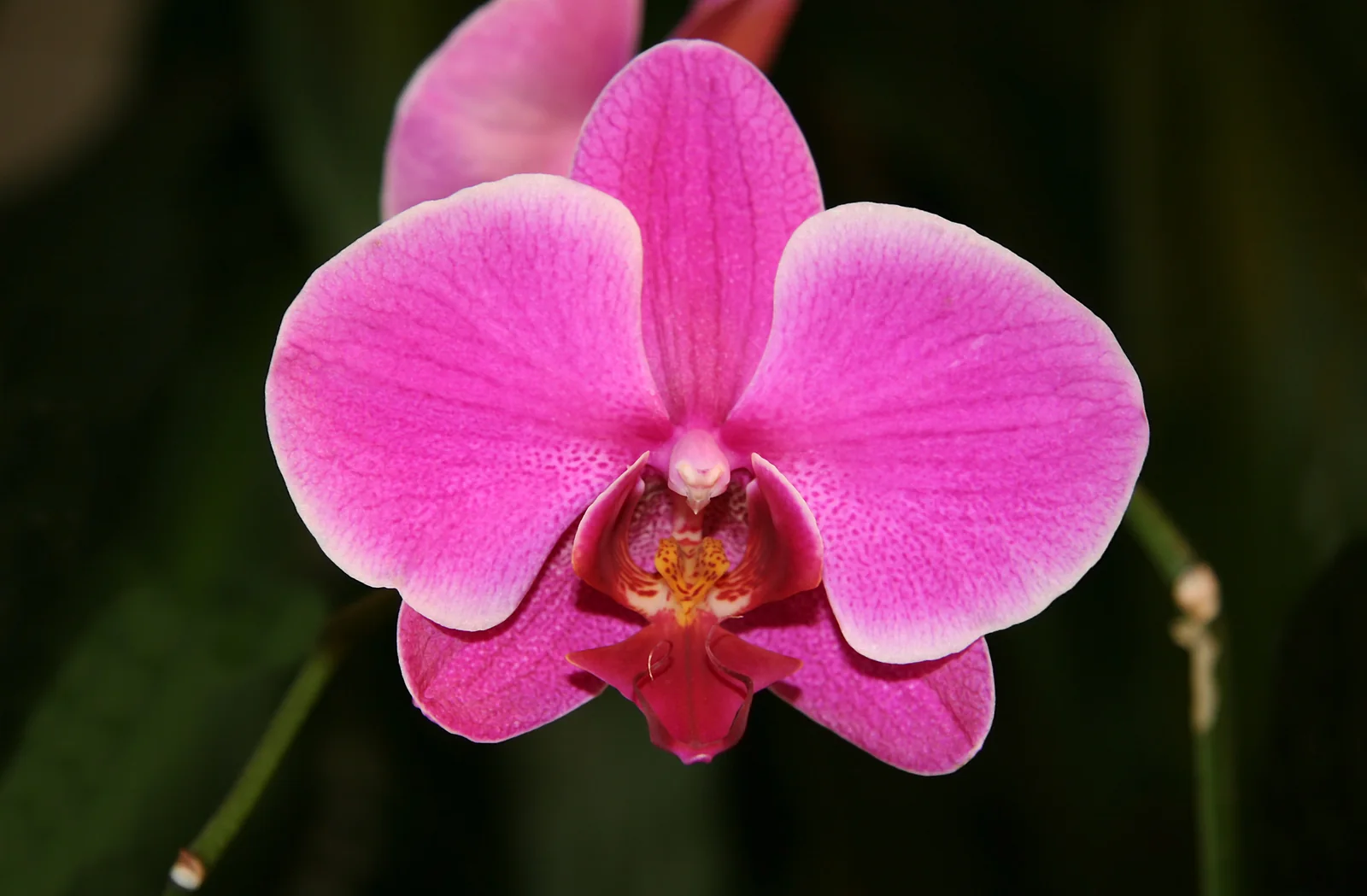
Phalaenopsis hybrids
Common indoor moth-orchid hybrids grown for arching flower spikes, with care governed by roots, potting medium, available light, and hybrid differences.
Growing referenceTurn your bed or container measurements into a materials estimate and a project you can save.
Plan a garden project