Read the cane habit as carefully as the fruit label
Cultivated blackberries have complicated species and breeding histories, so Rubus species and hybrids is a more useful scope than assigning every garden plant one species name. Erect types produce comparatively upright canes; semierect types arch strongly; trailing types need their long canes supported. Blackberry–raspberry hybrids such as boysenberry and loganberry fall into the trailing management group. Thornlessness is a separate characteristic and does not tell you how a plant will grow. Oregon State cultivated blackberry guide.
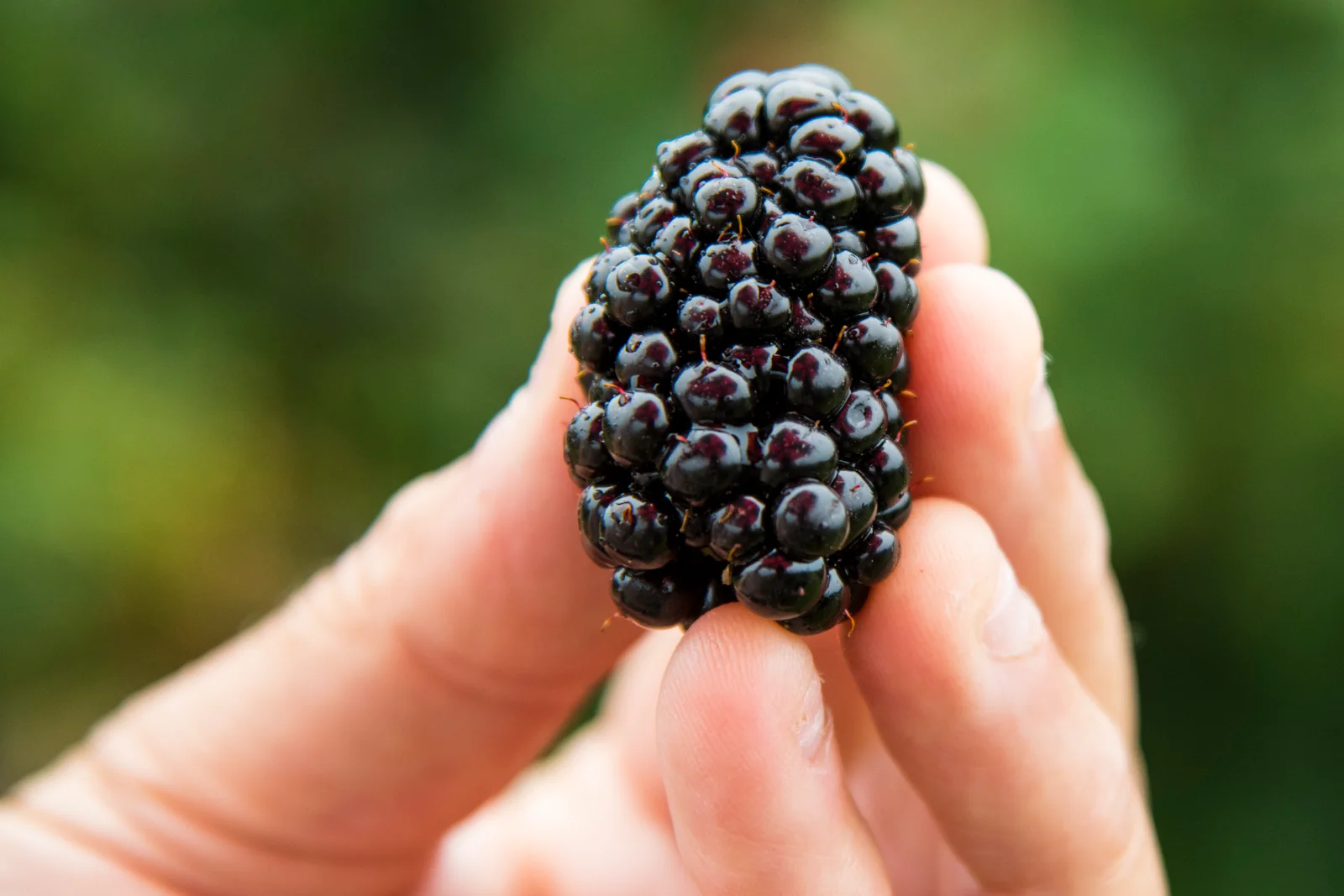
A blackberry retains its central receptacle when picked, unlike a hollow raspberry. That helps identify the crop but cannot establish a cultivar. Keep the nursery label, especially its fruiting type and growth habit. Most cultivated blackberries do not need another cultivar for pollination. Additional selections can extend the harvest, but each adds its own cane space and seasonal work. Do not substitute an unidentified wild bramble for a named garden plant.
Match winter, summer and the planting site
Blackberries can be productive garden fruit where the cultivar is well adapted. Arkansas selections demonstrate how erect canes and regional breeding can make a manageable hedgerow, but a successful cultivar in Arkansas is not automatically suitable for a cool coast or colder interior site. Chilling requirements, cane survival and the timing of fruiting differ. First-year growth may establish well even when the eventual crop is poorly matched to the season. Arkansas blackberry production.
Start with a sunny position and soil that drains after rain. Remove perennial weeds before planting because an established cane row is difficult to renovate around entrenched grass. Where drainage requires improvement, prepare an appropriate raised rooting area before installing plants. Think about mature growth over the whole row, not just a hole for each nursery pot. Leave walking room for picking, cane removal and tying; a heavily cropping hedge becomes difficult to use if every side is blocked.
Establish the row and preserve cultivar identity
Buy healthy, accurately named plants and keep roots from drying before planting. Dormant planting dates depend on the region; Georgia’s winter recommendations should not become a universal calendar. A trailing cultivar may need substantially more room along its support than an erect hedgerow plant. Install a suitable permanent trellis before the canes become tangled, and correct circling roots on container stock according to nursery guidance. Georgia bramble establishment.
Erect plants may begin with more spreading canes than their eventual habit suggests, so support young growth when needed. Tip layering and root-based propagation are useful for appropriate cultivars, but new plants also carry the health history of their source. A clean nursery start is preferable to exchanging roots from a diseased patch. Avoid burying a mass of twisted canes while planting; establish the roots correctly and train new growth deliberately as it appears. Label replacement plants so their pruning rules do not get lost.
Support two generations of cane at once
A blackberry crown is perennial, while most individual canes grow one season, crop the next and then die. The row therefore holds current fruiting canes alongside their replacements. Tie and position them so both generations remain identifiable. Erect and semierect cultivars often benefit from summer tip pruning that encourages laterals, but the correct timing and cut depend on the cultivar and training system. Trailing types should follow a trailing-specific method. Oklahoma blackberry and raspberry culture.
Remove completed fruiting canes while preserving suitable new growth. Primocane-fruiting blackberries add the possibility of a crop on new canes and require a deliberate one-crop or two-crop strategy. Do not assume a raspberry pruning recipe transfers unchanged. Before buying a support, use blackberry trellis planning to compare cane habit, winter handling and harvest reach. A lightweight vegetable climbing frame is not automatically suited to mature woody canes loaded with fruit.
Water and feed the replacement growth as well as berries
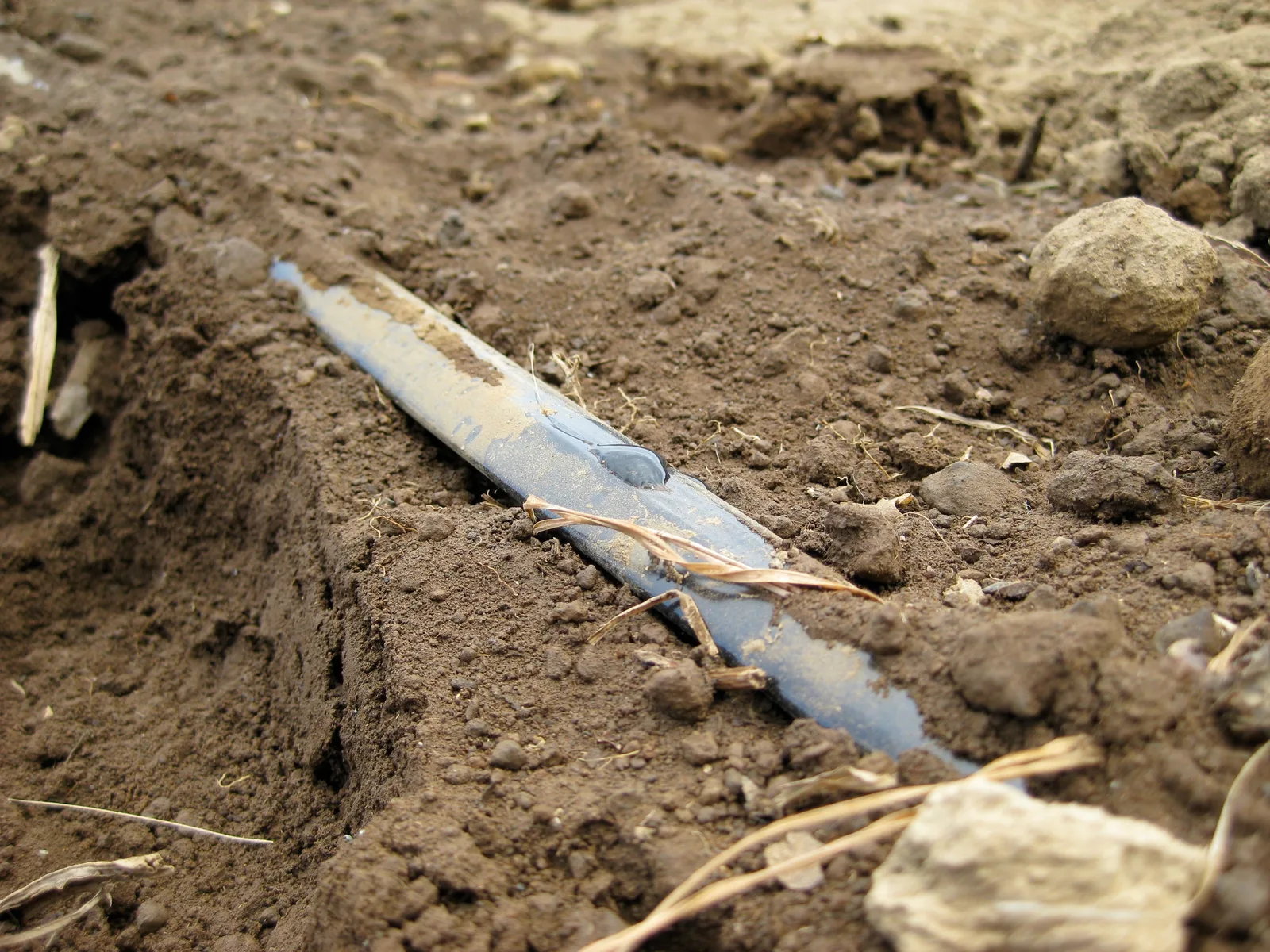
Check moisture along the row during berry development and after harvest while replacement canes continue growing. An irrigation outlet beside one crown does not guarantee an evenly wetted hedgerow. Mulch can conserve moisture and suppress annual weeds, but the root zone still needs drainage. Monitor the actual soil rather than following a fixed interval through every combination of weather and soil. Avoid repeatedly cultivating through established roots when hand removal or mulch can manage competing weeds. Coastal caneberry care.
Fertilizer should follow soil information and cane response. Strong growth must fit within the intended support and allow the canopy to dry; creating a crowded mass is not a useful sign of success. Container cultivation is possible for suitable selections, but it concentrates the demands for water, feeding, pruning and winter root protection. Decide who will maintain that root zone during hot weather before choosing a container blackberry, and allow enough access to renew canes without dismantling the arrangement.
Pick for flavor and handle the fruit gently
Black color alone is not a complete ripeness test. Depending on cultivar, the glossy surface becomes less shiny as fruit reaches better flavor. Georgia bramble harvest guidance. A ripe berry releases more readily. Sample sound berries from the plant rather than judging by a catalog photograph. Frequent picking is useful because ripe fruit is delicate and an overripe berry can become a source of decay or insect attraction. Iowa State blackberry harvest guidance.
Harvest into a shallow container, keep fruit out of prolonged heat, and cool it promptly if it will not be eaten immediately. The most useful harvest plan starts before peak ripening: make room for fresh use, freezing or another intended use, and choose a picking route that does not force you through replacement canes. Note whether the cultivar softens quickly or remains firm when ripe. That observation helps set picking frequency without confusing firmness with immaturity.
Separate cane disease, fruit damage and normal dieback
A cane dying after its completed crop is expected. New canes with lesions or unexplained collapse warrant investigation. Anthracnose can produce pale-centered lesions with darker raised margins; orange rust produces conspicuous orange growth, usually beneath leaves. Bunchy growth and abnormal blossoms suggest a different problem, called rosette or double blossom. Orange patches on canes are not necessarily the same disease as orange pustules on leaves. Georgia orchard disease diagnostic guide.
Use location, cane age and symptom pattern to guide diagnosis before deciding what to remove. Systemic orange rust requires removal of the whole infected plant. Minnesota orange rust guidance. Other problems call for sanitation and a revised canopy routine. Keep suspect material out of new plantings. When fruit fails, examine whether it was injured, scorched, moldy or simply picked before ripening; those outcomes are not interchangeable. Remove rotting fruit, improve access and air movement, and seek region-specific advice for a recurring or spreading problem.
Sources and scope
Research-based guidance informed by institutional references. Cultivar, region and growing conditions can change the advice. Product inclusion does not imply hands-on testing of every model.
- Oregon State: Growing blackberries in your home garden
- University of Arkansas: Blackberry Production in the Home Garden
- University of Georgia: Home Garden Raspberries and Blackberries
- Oklahoma State: Blackberry and Raspberry Culture for the Home Garden
- Oregon State: Growing berries on the Oregon Coast: Raspberries and blackberries
- Iowa State: Growing Blackberries in the Home Garden
- University of Georgia: Diagnostic Guide to Common Home Orchard Diseases
- University of Minnesota: Orange rust on raspberry and blackberry