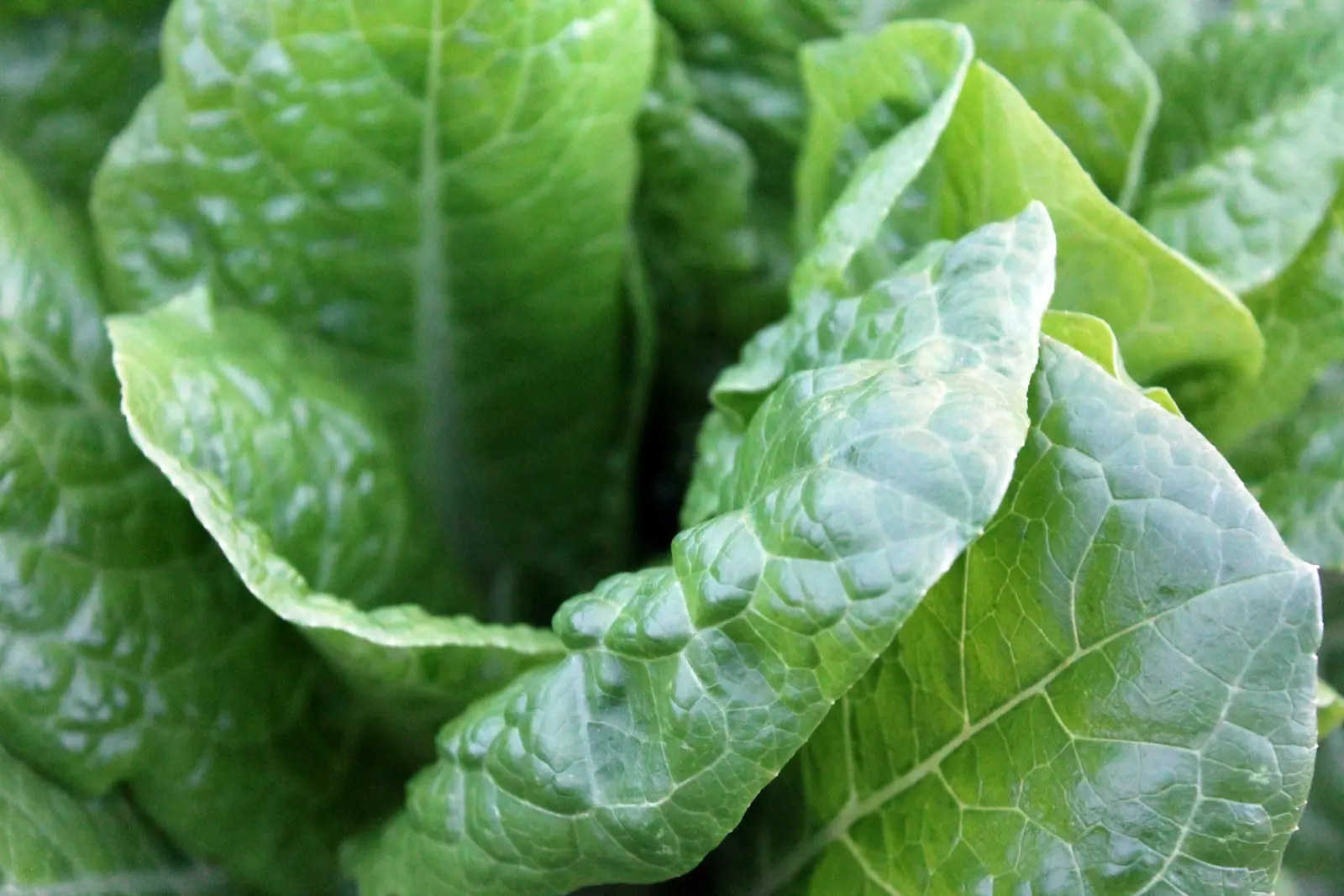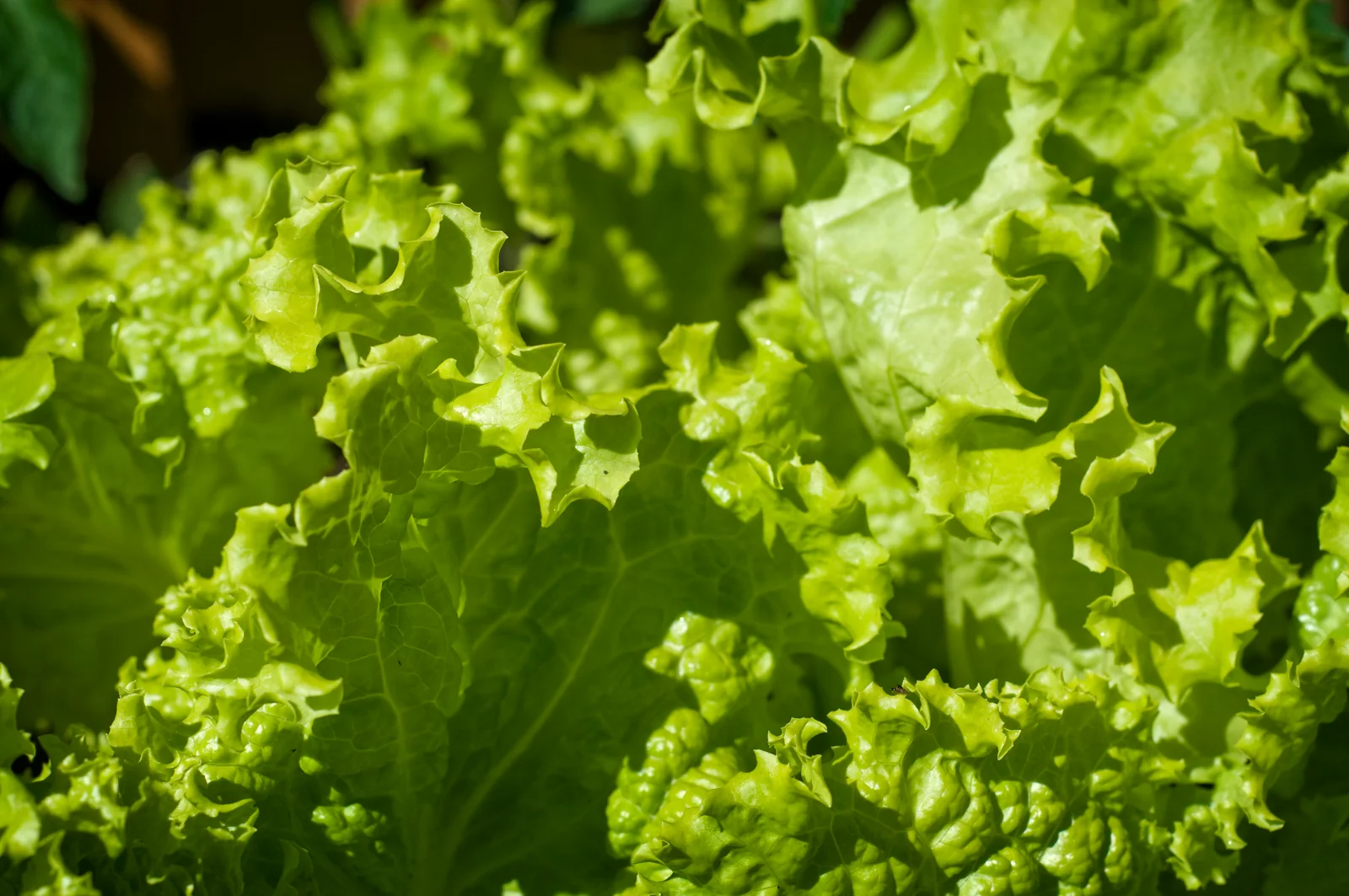
A cool-season lettuce bed
One 6 × 3-foot bed, a reachable harvest and a spacing plan for selected lettuce plants.
From growing idea to materials list
Connect the space, plants and supplies in one practical plan. Adjust your measurements and see the quantities change.
Projects with a starting point
Each example joins a planting decision, measured quantities and a complete project guide. Adjust it to your space before buying.
One 6 × 3-foot bed, a reachable harvest and a spacing plan for selected lettuce plants.
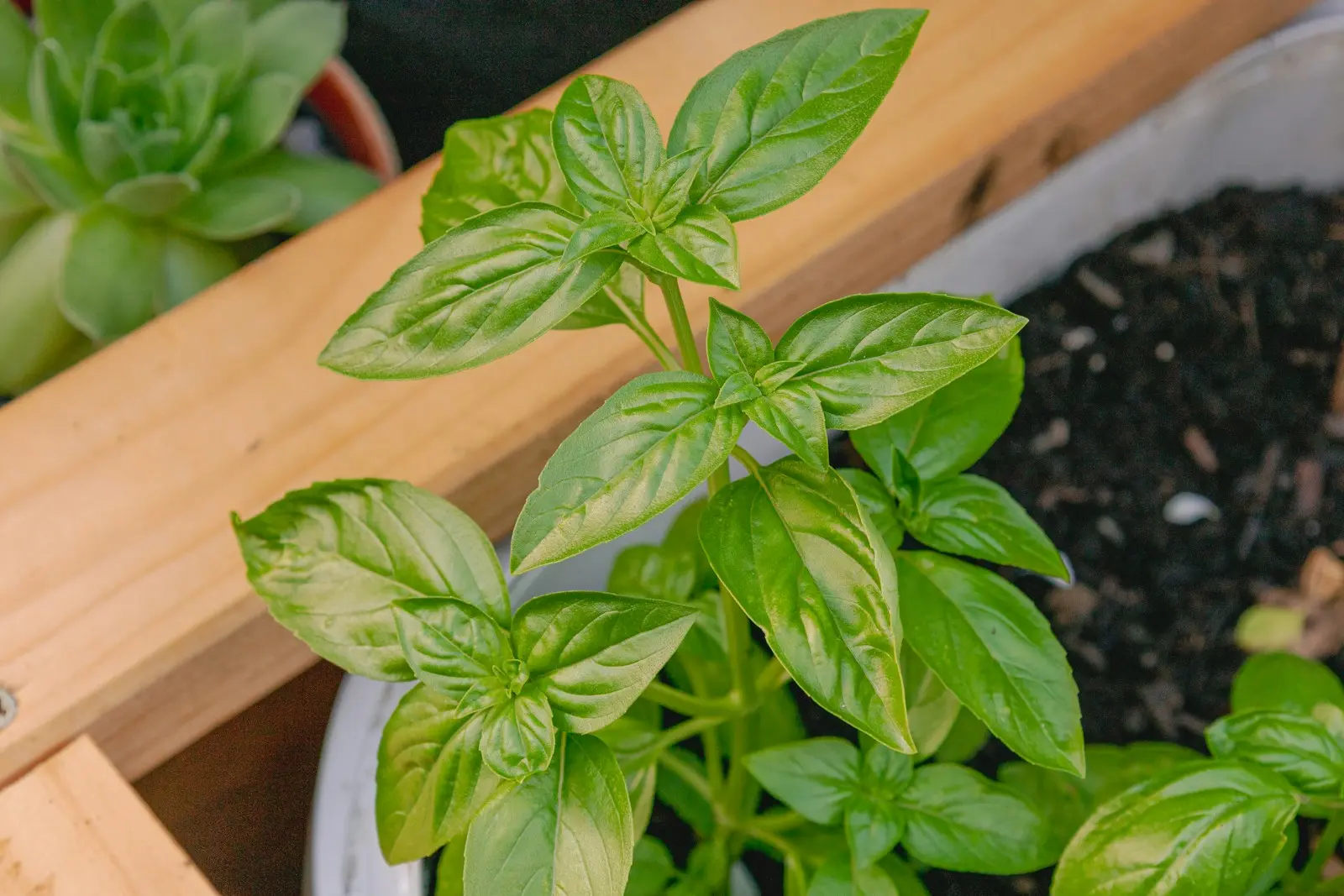
Give basil, parsley and thyme their own root space and watering decisions.
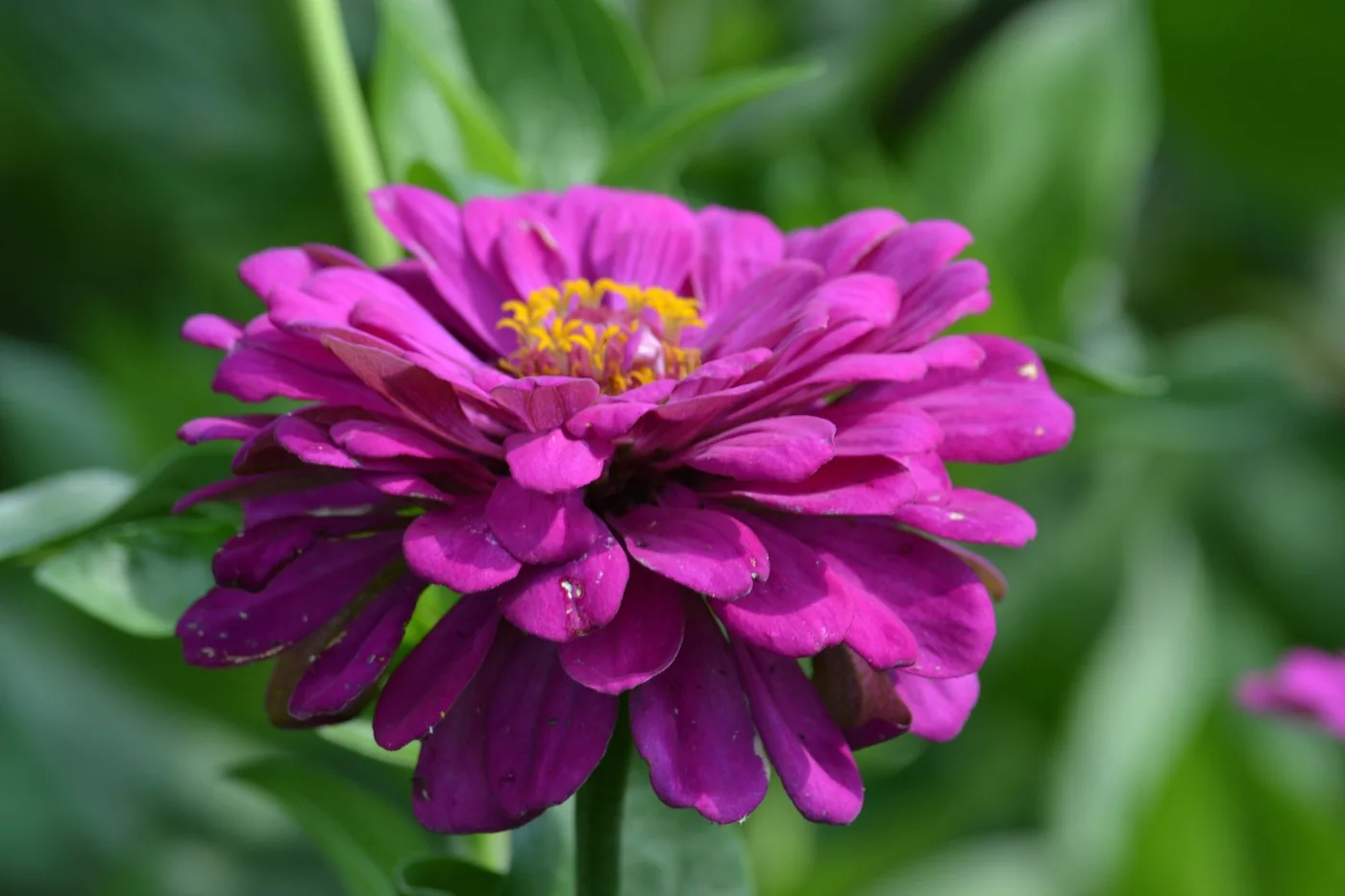
Plan a compact flower harvest around the actual spread of a named zinnia.
Bed volume uses inside length × width × the difference between target and existing fill depth, multiplied by bed count and your allowance. Round-container volume uses the filled portion of a truncated cone, subtracts your root-ball volume and multiplies by container count. Bags are rounded upward. Grid positions use your row spacing and edge clearance. Drip time divides your chosen water target by total rated outlet flow.
Growing conditions: University of Maryland Extension — vegetables in containers. Tubing specifications: Rain Bird ET25-50S2.
Use these guides to check the growing decisions behind your inputs.
Raised beds · 6 min read
Measure the fill, mark eighteen lettuce positions, and plant a manageable cool-season bed with a harvest plan you can edit and save.
Read the guideContainer gardening · 7 min read
Set up a measured three-pot herb garden with separate watering, realistic harvests and local seasonal timing for basil, parsley and thyme.
Read the guideFlowers & pollinators · 7 min read
Build an editable 8 × 3-foot cutting project with ten Magellan Coral zinnias, measured soil quantities and room to water, inspect and harvest.
Read the guide