Write the garden plan before the shopping list
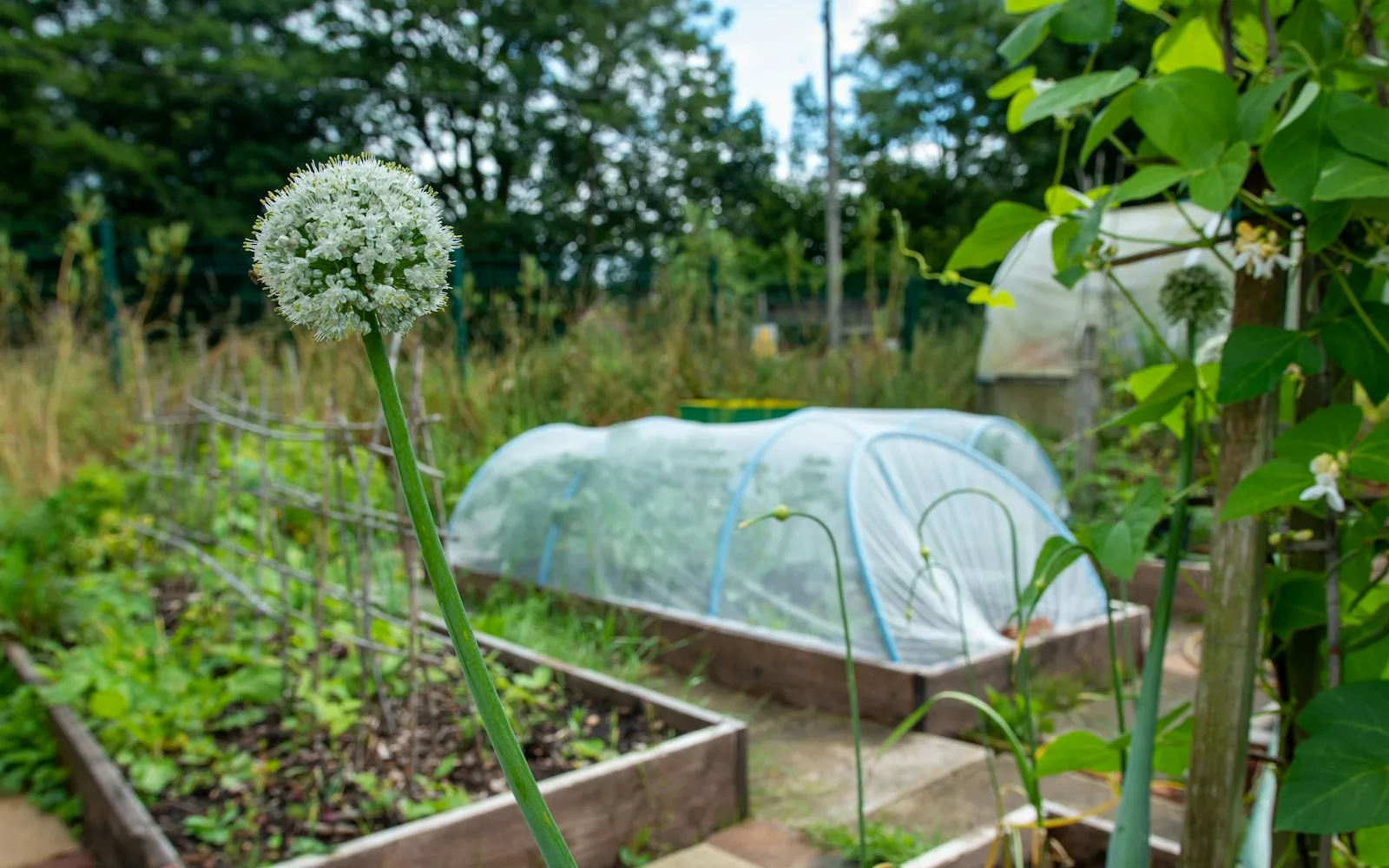
Begin with what you want to grow and the space you can actually maintain. Draw the bed or containers, mark access paths, and note the nearest usable water source. Include where tools will live and how you will carry material into the garden. These small details determine whether a long hose, a cart, a large tool set, or a compact hand tool would genuinely help.
The University of Minnesota's community-garden startup guide asks planners to consider existing assets, crop choices, watering, tasks, storage, and a budget. The same questions scale down to a single household. You do not need a formal project document; one page containing the layout, crops, recurring jobs, and current equipment is enough to expose most obvious gaps before you spend money.
Sort purchases into three decisions
Make three short lists: needed to begin, useful if a problem appears, and unnecessary for this plan. Keep the first list tied to actions. If you must plant transplants into prepared containers, specify a suitable way to make planting holes. If you must move bulk material through a narrow gate, measure that route before deciding whether a cart would fit. Avoid listing a product category without the task that justifies it.
Put attractive but uncertain purchases on the second list. A timer might become useful if manual watering conflicts with your routine; a specialized seed tool might matter if repeated sowing proves slow. Waiting lets the actual task tell you which feature matters. The third list is equally valuable: equipment for crops you are not growing or areas you are not maintaining can stay out of the budget entirely.
- Needed now: a clear task has no adequate existing solution.
- Consider later: the task or benefit is still uncertain.
- Not for this garden: the equipment serves a different scale or activity.
Inventory condition, not just ownership
Lay out the tools and containers you already have. Check handles, fasteners, edges, drainage holes, and any parts that must fit together. An owned tool is useful only if it is suitable and in serviceable condition. Decide what can be cleaned or maintained, what needs a documented replacement part, and what should not be used. Do not treat a loose or damaged handle as acceptable merely to avoid buying something.
Minnesota Extension distinguishes cleaning away dirt and debris from disinfecting garden equipment. That makes maintenance a concrete task rather than a vague promise to reuse everything. Follow appropriate instructions and product labels, and plan a place to dry and store items. Reusing sound equipment can reduce duplicate purchases, but the goal is a reliable working setup, not preserving every worn object indefinitely.
Choose the scale of the job, not the size of the tool set
A small prepared bed does not automatically require powered cultivation equipment. Minnesota's reduced-tillage guidance notes that simple rakes and hand tools can prepare a smooth seedbed in a small garden. It also distinguishes the fine surface useful for small seeds from the less exact seedbed needed for many transplants or larger seeds. Decide what your planting method requires before making soil preparation a machinery purchase.
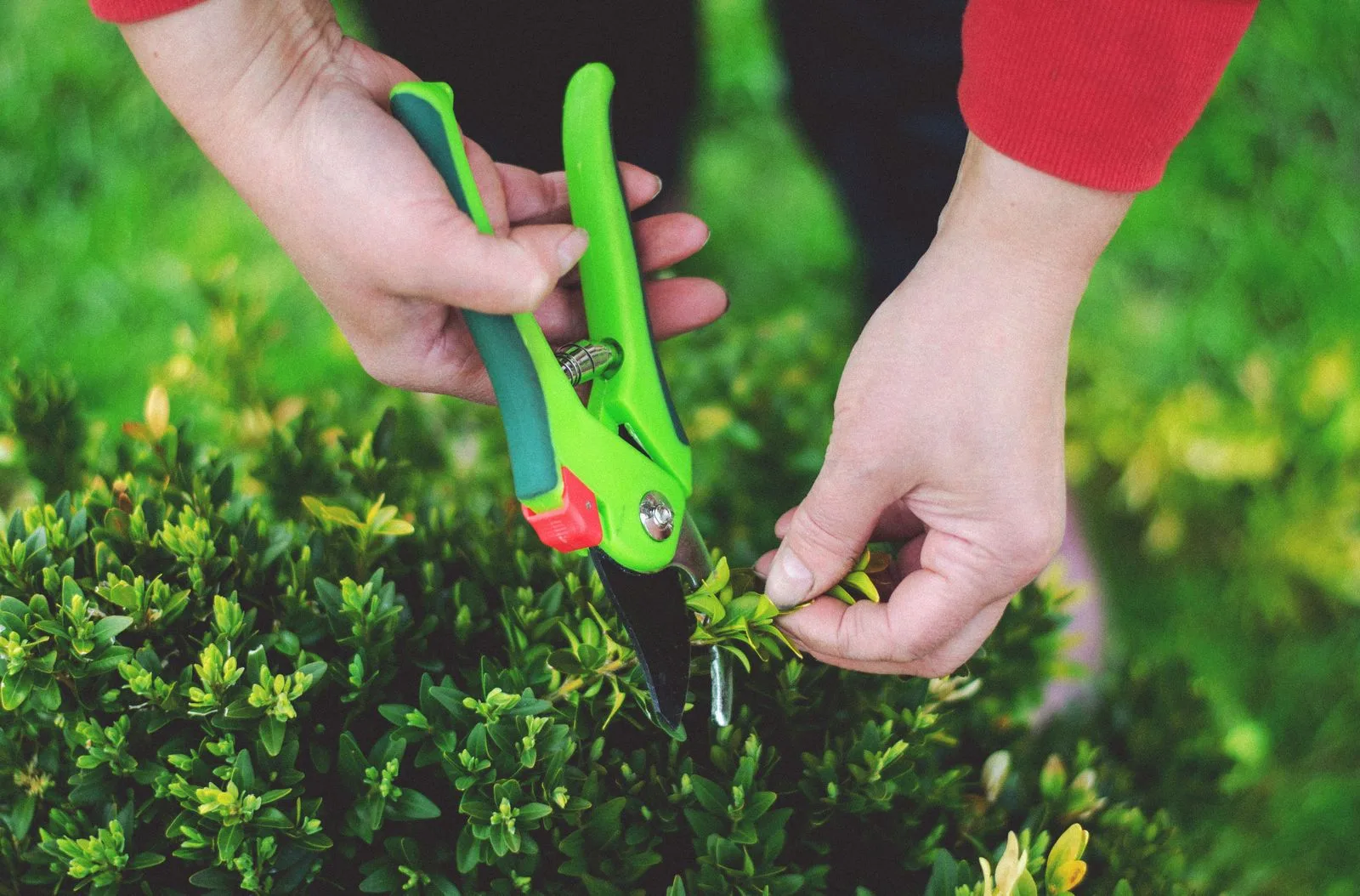
Pruning is another place to be precise. If your actual job involves live stems, compare an appropriate bypass design and the manufacturer's rated cutting capacity with the stems you expect to cut. Minnesota's pruning-tool guidance explains differences among hand pruners, loppers, and saws and notes fit options such as smaller handles or left-handed designs. A large multipack is not evidence that each tool fits your hands or your plants.
Budget for materials and access, not only hardware
Measure before allocating money to soil, mulch, or irrigation. A 2-by-1-meter area needing a 20-centimeter layer requires 400 liters of material. That calculation says nothing about which material is appropriate, but it prevents comparing a few bags with a bulk quantity as if they were equivalent. Include delivery and the route from delivery point to garden when comparing the practical cost of options.
Have existing soil assessed when appropriate rather than buying amendments by habit. Minnesota's vegetable-planting guidance recommends soil testing to identify fertilizer and amendment needs. Keep this decision separate from filling a container or bed to a measured depth. You may need growing volume, a particular nutrient adjustment, both, or neither; one shopping category does not answer all four possibilities.
A small-garden example without a universal starter kit
Imagine a gardener with two containers, one prepared bed, a working watering can, and a serviceable hand trowel. Their first plan is a few purchased transplants and one directly sown crop. Instead of automatically adding seed trays, lights, a tiller, and an irrigation timer, they first check container drainage, plant spacing, how far water must be carried, and whether the existing trowel can do the planting jobs.
If watering proves inconvenient, they can measure the route and compare a suitable hose arrangement. If the bed needs frequent shallow weeding, they can examine tools for that specific job. If they later choose varieties available only as seed, an indoor-starting setup becomes a separate decision with its own space and timing plan. Each purchase answers an observed limitation; the example is a decision method, not a claim that every gardener needs those exact items.
Use comparison tools to verify fit, then review the season
When you do compare gear, turn preferences into checkable attributes: maximum storage length, required connector, appropriate cut capacity, or a replaceable part. Unknown specifications should remain unknown, not become reassuring guesses. Compare the exact model and variant, and check current retailer details before purchasing. The garden gear finder can organize these requirements and explain matches without pretending that a ranked list proves a product is best for everyone.
Keep a brief end-of-season note: which items you used regularly, what stayed untouched, and which task remained awkward. Add the actual quantities of soil or mulch used and any compatibility problems encountered. This record makes the next purchase more informed than another generic starter list. A well-equipped small garden is one you can comfortably manage with dependable tools, not one that owns the most equipment.
Sources & further reading
We favor university extension guidance and original product documentation. Linked sources support the specific facts cited; they do not endorse Garden Gear Atlas.
- University of Minnesota Extension — Community garden start-up guide
- University of Minnesota Extension — Reducing tillage in your garden
- University of Minnesota Extension — Clean and disinfect gardening tools and containers
- University of Minnesota Extension — Caring for winter pruning tools
- University of Minnesota Extension — Planting the vegetable garden