Begin with where the roots will live
The useful distinction is not expensive versus cheap, or natural versus artificial. It is the environment around the roots. A container confines them to a limited volume, so its medium must provide water, air and support in that space. University of Maryland Extension emphasizes those physical functions when choosing a container growing medium. UMD growing-media guidance.
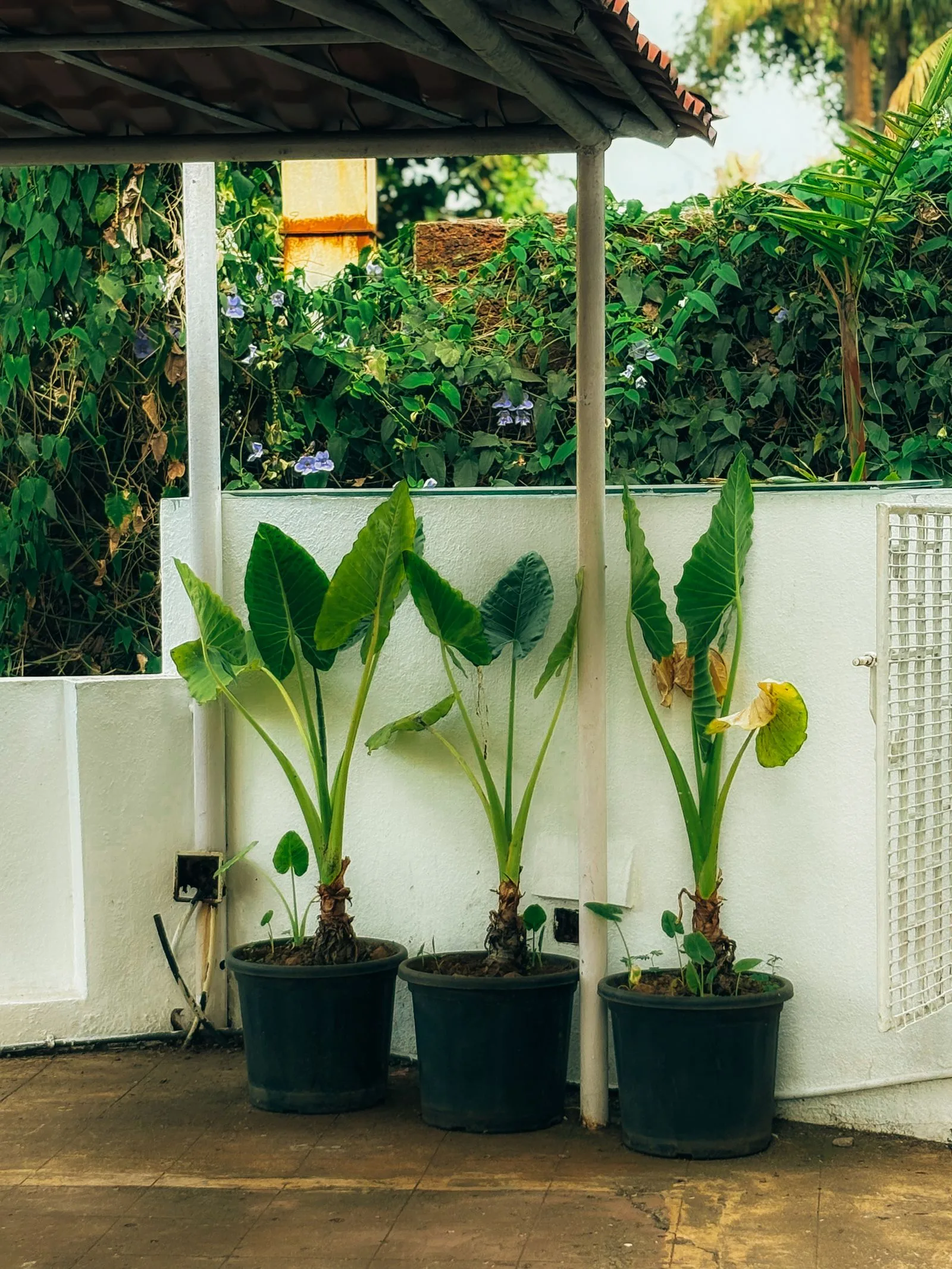
Before shopping, write down the planting situation: a pot with a drainage hole, a reservoir-style planter, a raised bed open to the ground, or a garden border. Add the crop and container dimensions. This short description prevents a common mistake: choosing a bag because the photograph resembles your plant while overlooking whether the product is intended for its growing situation.
Why garden soil behaves differently in a pot
Soil that supports healthy plants outdoors can become too dense and poorly aerated when confined in a container. UNH Extension recommends a lightweight potting medium rather than unmodified garden soil for pots; soil brought from the yard can also introduce unwanted organisms or weed seeds. That does not make your garden soil bad. It makes it the wrong default for a different job. UNH container-soil explanation.
There are deliberately formulated soil-based container recipes, so 'any soil is always forbidden' is too broad. Illinois Extension describes amended soil-based mixtures and their weight tradeoffs. The practical distinction is between a tested or professionally formulated mixture and simply shovelling soil into a pot. For a beginner buying ready-to-use materials, a suitable container mix removes that formulation task. Illinois container media.
Read ingredients as functions, not a scorecard
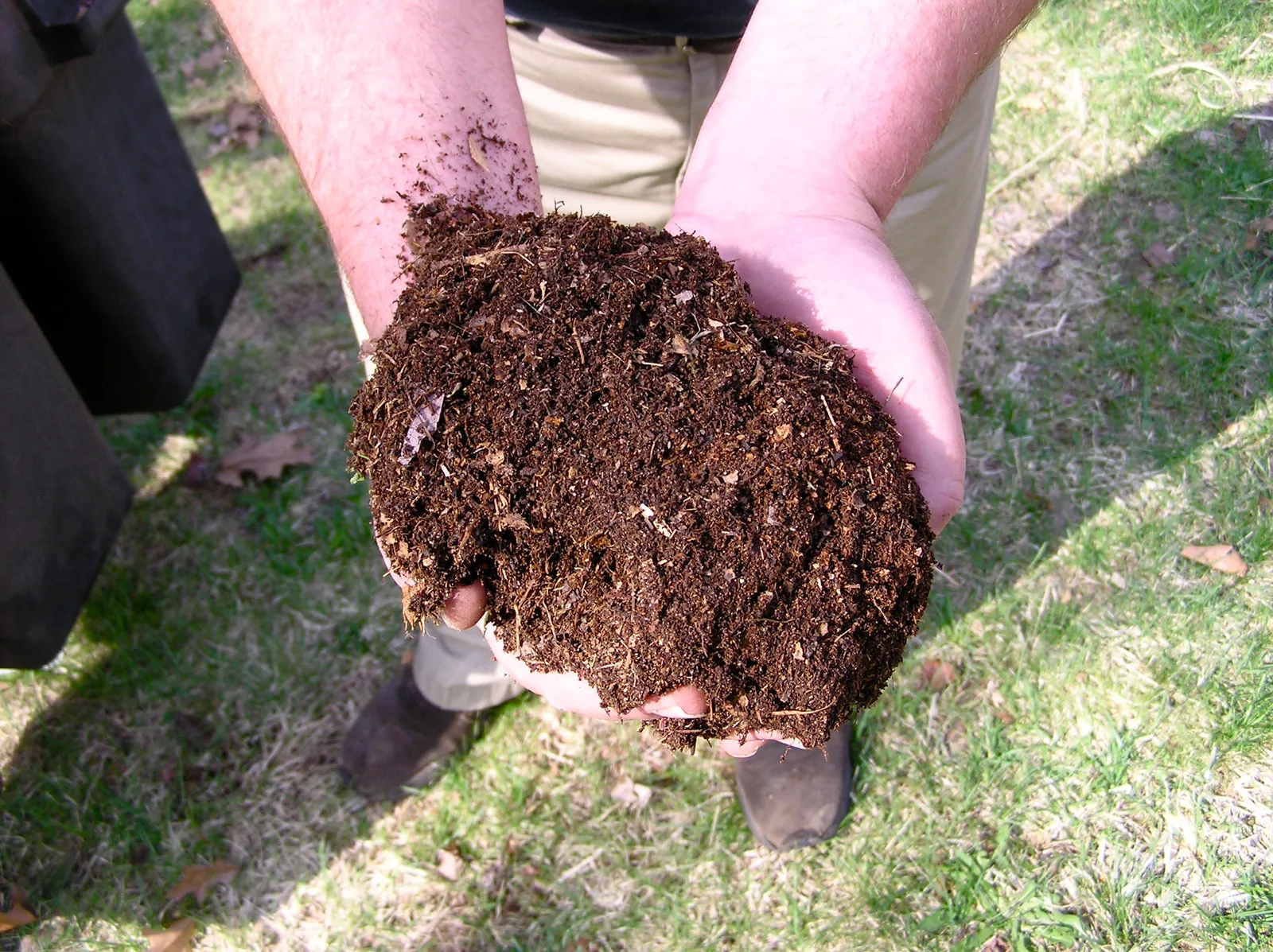
Common mixes combine materials that manage moisture and air differently. Peat and coir are moisture-holding ingredients; perlite helps maintain drainage and air space; vermiculite holds water and nutrients; bark changes structure and can alter how quickly a mix dries. UNH explains these roles and notes that different plants need different media. A general mix for annual flowers is not automatically an orchid or cactus mix. UNH ingredients and plant needs.
Do not try to identify the best bag by counting ingredients. A long list does not establish the particle sizes, proportions or behavior you need. Instead, check whether the maker actually recommends the mixture for your plant and watering setup. If you want a peat-free or animal-free product, verify that requirement separately; the words 'organic' or 'natural' do not answer every ingredient question.
Keep raised-bed soil and compost in their lanes
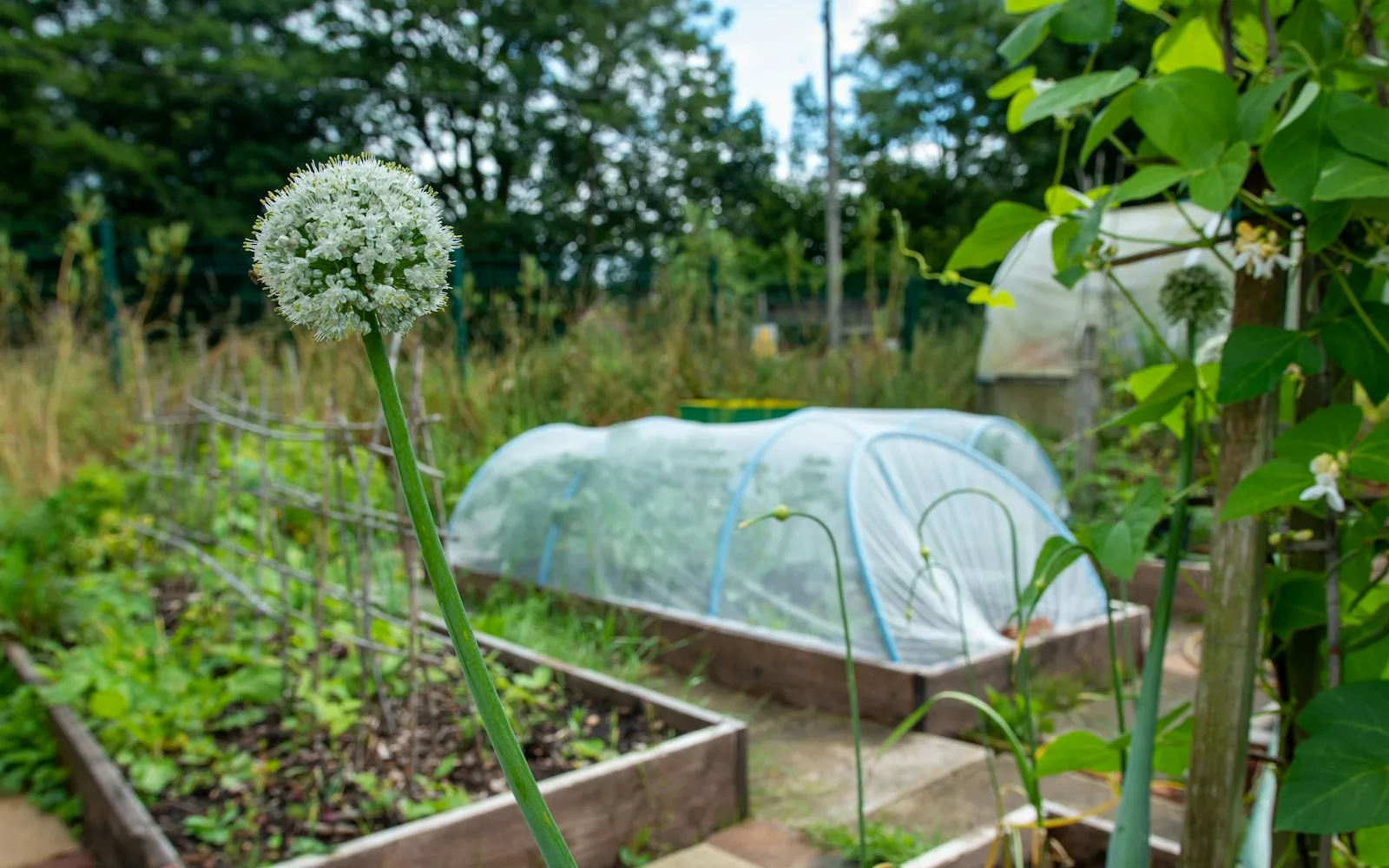
A raised bed is not one standardized system. A deep bed open to native soil differs from a shallow elevated box with a bottom. Ask whether the proposed mix is intended for that specific construction. Espoma, for example, sells its Raised Bed Mix for filling raised beds; that intended use should not be silently extended to every planter. Espoma raised-bed use.
Compost is valuable as an amendment, but 'compost' does not promise a balanced container medium. Its feedstocks, maturity and properties vary. UGA cautions against using pure compost for containerized plants because potential salts and organic acids can harm roots, and its water behavior may not suit the crop. Do not turn a successful bed-amendment recommendation into a universal all-compost pot recipe. UGA compost-use cautions.
Fix drainage at the container, not with a gravel layer
A suitable mix cannot compensate for a pot that traps excess water. NC State Extension recommends drainage openings and explains that gravel at the bottom does not improve drainage: water can collect in the finer medium above the coarse layer. Use an appropriate container and a consistent growing medium instead of sacrificing root space to a supposed drainage layer. NC State container drainage.
Reservoir-style planters are a separate designed system, not ordinary pots accidentally left standing in water. Follow their setup and medium instructions. Before filling any expensive planter, confirm how excess water leaves it, where the water level is checked, and whether the manufacturer specifies a particular mix. This is a useful moment to stop and read the instructions, while changing the setup is still easy.
Prepare the mix and plan beyond planting day
Dry growing media can be difficult to wet evenly. Maryland Extension advises moistening mix before planting; an initially damp, evenly blended medium is easier to work with than a dry mass that sheds irrigation water. Use the product's directions rather than compressing the mix hard to make extra material fit. UMD preparation guidance.
Check whether fertilizer is already included, how long its stated initial charge is intended to last, and what follow-up feeding the label recommends. Do not automatically combine multiple fertilizer products because each sounds helpful. Write the planting date and product name on your garden record, and keep the bag directions or a clear photograph. Future yellowing or slow growth is easier to investigate when you know what went into the pot.
Compare enough usable volume, not just bag price
Measure the space you intend to fill before deciding how many bags to buy. Compare products using the same volume unit and distinguish a single bag from a multipack. A low displayed price may represent less material, while a large bag may be awkward to carry or store. Delivery convenience is a legitimate part of the decision, but it is separate from growing suitability.
Reuse deserves its own decision. Maryland Extension allows reuse of healthy container medium with appropriate refreshing, but advises against retaining media associated with root disease. Do not treat every old mix as automatically ruined or automatically safe. Inspect its condition, remove old plant debris, and seek plant-specific advice when disease is suspected. UMD reusing media.
The final choice should be easy to explain: this mix fits this planting system, this crop and this maintenance routine. That is a stronger reason to buy than a premium-sounding label, and it gives you a useful baseline for adjusting the next planting.
Sources & further reading
We favor university extension guidance and original product documentation. Linked sources support the specific facts cited; they do not endorse Garden Gear Atlas.
- University of Maryland: Growing Media (Potting Soil) for Containers
- University of New Hampshire: Best Soil for Potted Plants
- Illinois Extension: Container Garden Soil
- NC State Extension: Plants Grown in Containers
- UGA Extension: Composting and Recycling Landscape Trimmings
- Espoma: Raised Bed Mix intended use