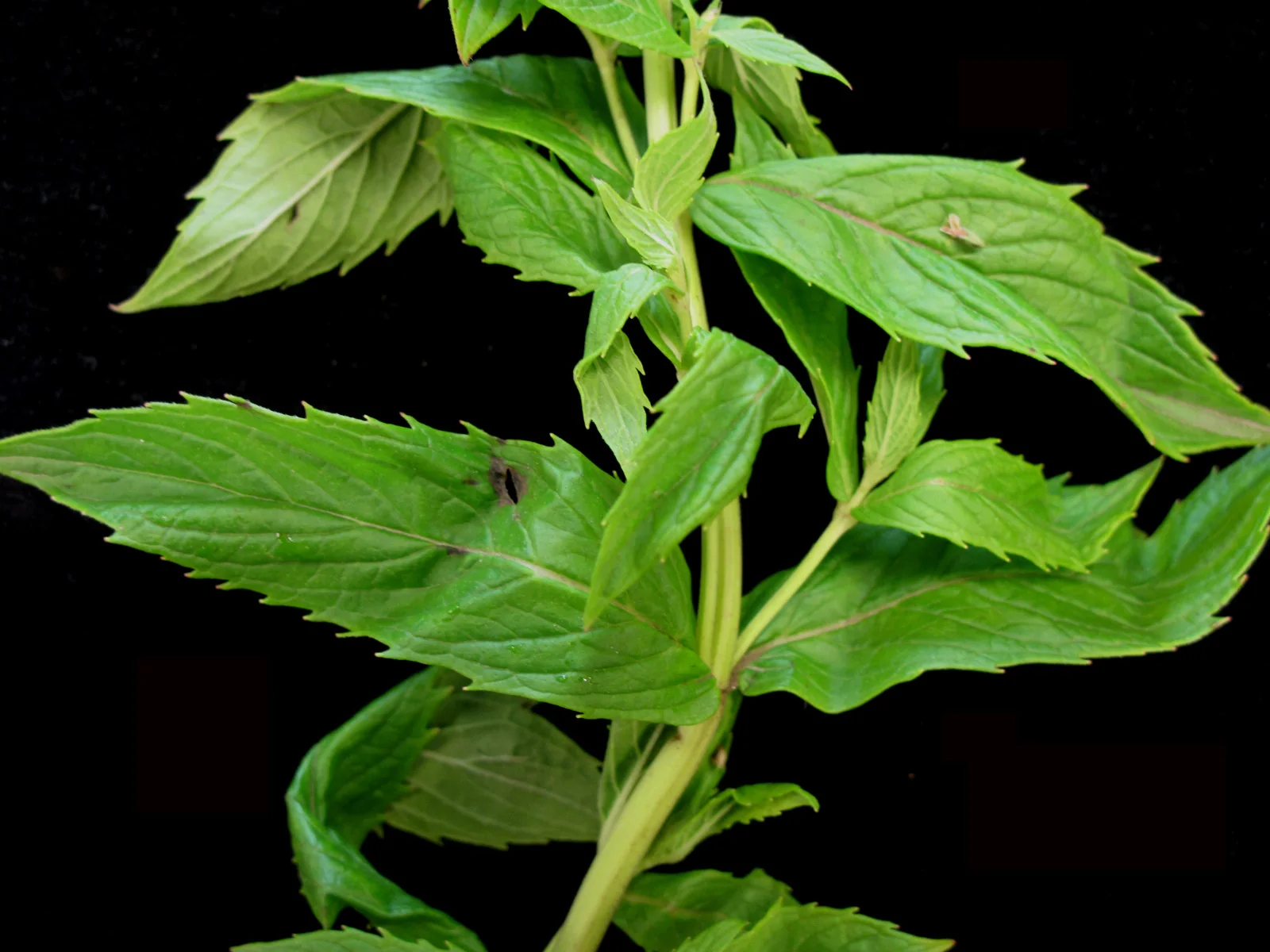
Buy spearmint by identity as well as aroma
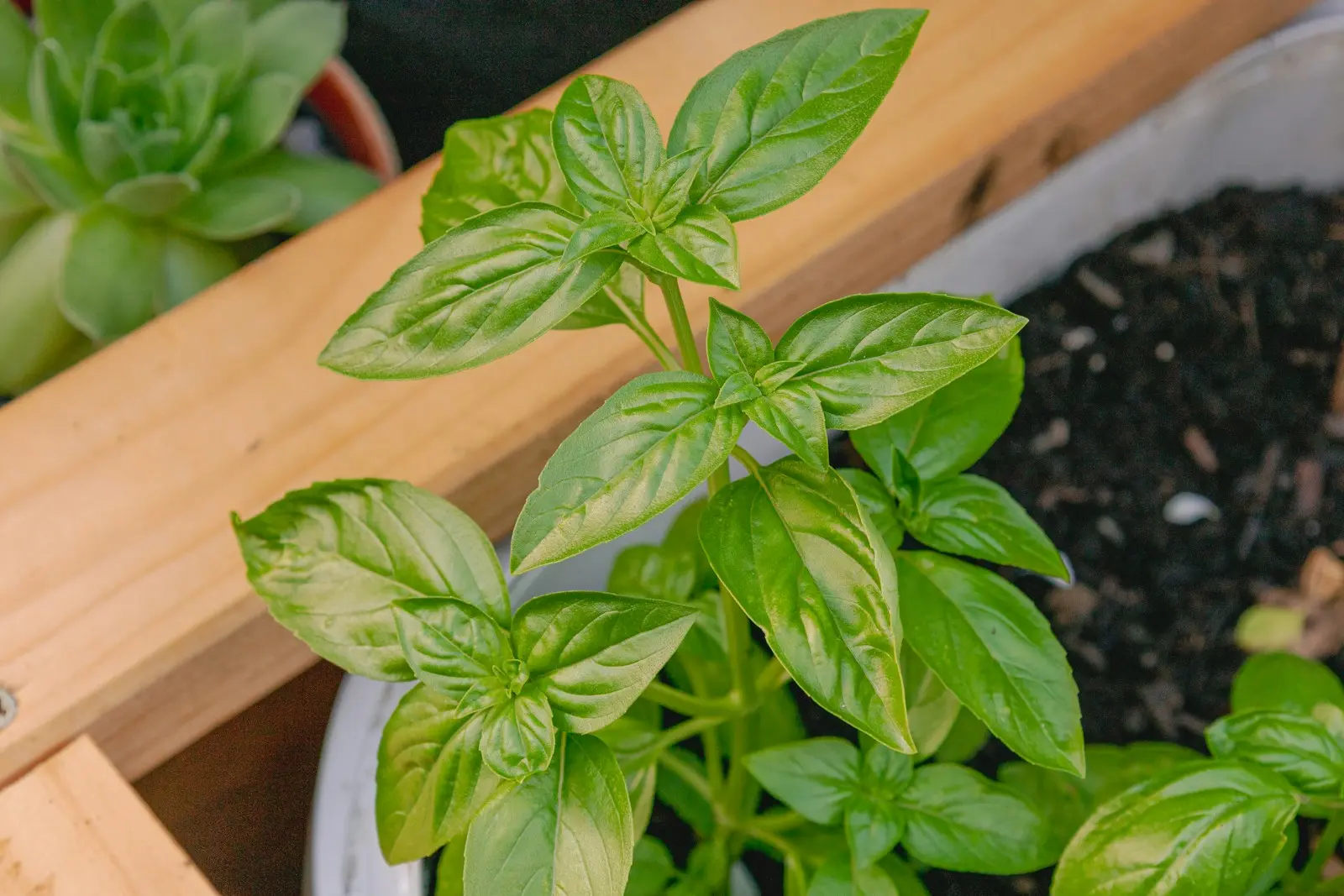
Spearmint is Mentha spicata, an aromatic perennial with upright leafy stems and a spreading underground system. Its leaves are typically green, toothed and nearly stalkless. Flowers form terminal spikes, and the leaves are widely used in mint sauce, salads, beverages and other culinary preparations. A named, identified nursery plant is a better starting point for a kitchen crop than an unidentified mint-like plant found outdoors. NC State spearmint profile.
The common word mint covers more than one plant. Peppermint is a different hybrid, Mentha × piperita, while apple and other flavored mints have their own leaf texture and aroma. A recipe's use of mint does not imply every labeled mint will taste identical. Choose spearmint if that is the flavor you want, retain its label, and compare future cuttings with the known parent. Size estimates describe the shoots of a managed plant; they do not describe a permanent boundary for roots.
Contain the plant before it spreads
Spearmint belongs in a dedicated pot for most mixed herb gardens. Illinois Extension strongly favors above-ground containers for mint and warns that sunk bottomless containers do not always stop escape. Underground rhizomes are only part of the challenge: stems that reach suitable soil can establish beyond the original plant. A neat-looking clump today therefore does not demonstrate that a planting arrangement will stay contained. Illinois mint guidance.
Set the pot where its rim, drainage outlets and trailing shoots can be inspected. Keep shoots from bridging into nearby containers or the bed. If mint is already spreading in the ground, trace and remove the creeping growth carefully rather than chopping through it indiscriminately and leaving fragments behind. The mint containment guide explains the maintenance decision in depth. A raised bed shared with other herbs is not automatically a mint barrier; the plant can still occupy the whole available bed and cross its edges.
Supply moisture without making a stagnant pot
Mint grows best where the root zone retains moisture yet drains. UF/IFAS recommends light or partial shade in Florida and notes that mint handles the state's hot, humid weather well. This regional advice explains why a location with some shade can be more useful than an intensely exposed patio pot in a hot climate. In cooler places, full sun may be suitable when water supply keeps pace. UF/IFAS mint growing guide.
Use the plant's conditions to set watering rather than imposing a weekly interval. A crowded pot can become thirsty quickly, but persistent wetness at its base is not a remedy. Check the mix, confirm that surplus water exits, and keep the pot from standing in a filled saucer. Mint does not share rosemary's preference for a root zone that dries more between waterings, so separate containers are practical. Remove weeds while they are small enough to distinguish from new mint shoots, and inspect the growing tips while harvesting.
Propagate a known plant and renew crowded roots
For a reliable flavor and identity, propagate an identified healthy plant by division or cuttings. Utah State explains that mints hybridize readily and that seedlings may not remain true to type. This matters when the point of the crop is the aroma you already like. A rooted stem or division from that plant preserves its characteristics; a packet labeled broadly as mint is a different starting proposition. Utah State mint guidance.
Inspect divisions before potting them so pests or suspicious leaf symptoms are not spread through the collection. Give each healthy division enough root and shoot material to establish, water it in, and resume heavier harvest only after fresh growth develops. Renewal also creates an opportunity to remove old dead material and refresh compacted mix. Keep feeding modest and responsive to growth. Adding fertilizer to an overcrowded, poorly watered plant will not create the space its roots need, and excessively lush growth can complicate keeping the canopy healthy.
Harvest new growth and recognize winter dormancy
Pick tender shoots during active growth and let the plant replace them. After flowering, the RHS recommends cutting mint back to encourage a fresh flush; it also notes that herbaceous mint naturally dies back over winter. Bare old stems after cold weather are therefore not enough evidence that the perennial is dead. Look for living growth from the base as the next season begins. RHS mint care.
A pot packed with roots may need division and renewed mix rather than an ever-larger container. Replanting a healthy portion can keep the plant at a manageable scale while restoring room for growth. Harvesting and renewal should follow the plant's condition, with lighter cuts while it is establishing or recovering. If you want flowers for visiting insects, leave a portion of the growth to bloom and use other shoots for leaves. Indoor winter picking is possible only when sufficient growth is supported; dormancy or low light should change harvest expectations.
Inspect rust before sharing cuttings
Mint rust can cause pale distorted shoots and dusty orange pustules on stems and leaves, later followed by yellow or black pustules. That pattern differs from ordinary dry leaf margins. The RHS recommends removing affected plants promptly and paying attention to infected underground material, because new growth can become infected again. Do not distribute divisions from a plant showing suspicious rust symptoms simply because some leaves still look green. RHS mint rust advice.
Examine both leaf surfaces before deciding what a spotted plant needs. A dry, crowded pot can also lose vigor, and visible chewing damage calls for checking actual feeding insects. If the cause is unclear, photograph the shoots, undersides and pot conditions and obtain a local diagnosis. Keep healthy propagation material separate from affected plants. A hard cut can refresh healthy mint, but it should not be presented as a guaranteed cure for an infected plant. The practical decision may be to restart with a clean, correctly identified spearmint plant and fresh growing conditions.
Sources and scope
Research-based guidance informed by institutional references. Cultivar, region and growing conditions can change the advice. Product inclusion does not imply hands-on testing of every model.