Overview
A hole is necessary for most conventional pots, but it is not the entire drainage system. The growing mix, container shape, outer cover, and watering routine all influence how long roots remain wet.
Begin with a pot audit, before adding water
If a container is persistently soggy, stop treating wilt as an automatic request for more water. Check the growing medium and the route water takes out of the pot. Several unrelated problems can produce disappointing foliage, so do not diagnose root disease from leaf color alone.
Work through these questions in order:
Illinois Extension explains that drainage allows space for air around roots and recommends emptying excess water from detachable saucers and decorative outer containers. A pot that drains directly into a reservoir touching its base may still leave roots in persistently wet conditions. Container drainage options
- Is there a real outlet? Some decorative pots have no hole; others have marked knockouts that were never opened.
- Can water leave it? Inspect for roots, debris, a tight wrapper, or a flat surface obstructing the outlet.
- Where does that water go? Look inside the saucer or decorative outer pot, not just at the visible nursery pot.
- What is the mix like below the surface? A light-colored top does not establish that the root zone is dry.
The gravel layer moves the problem
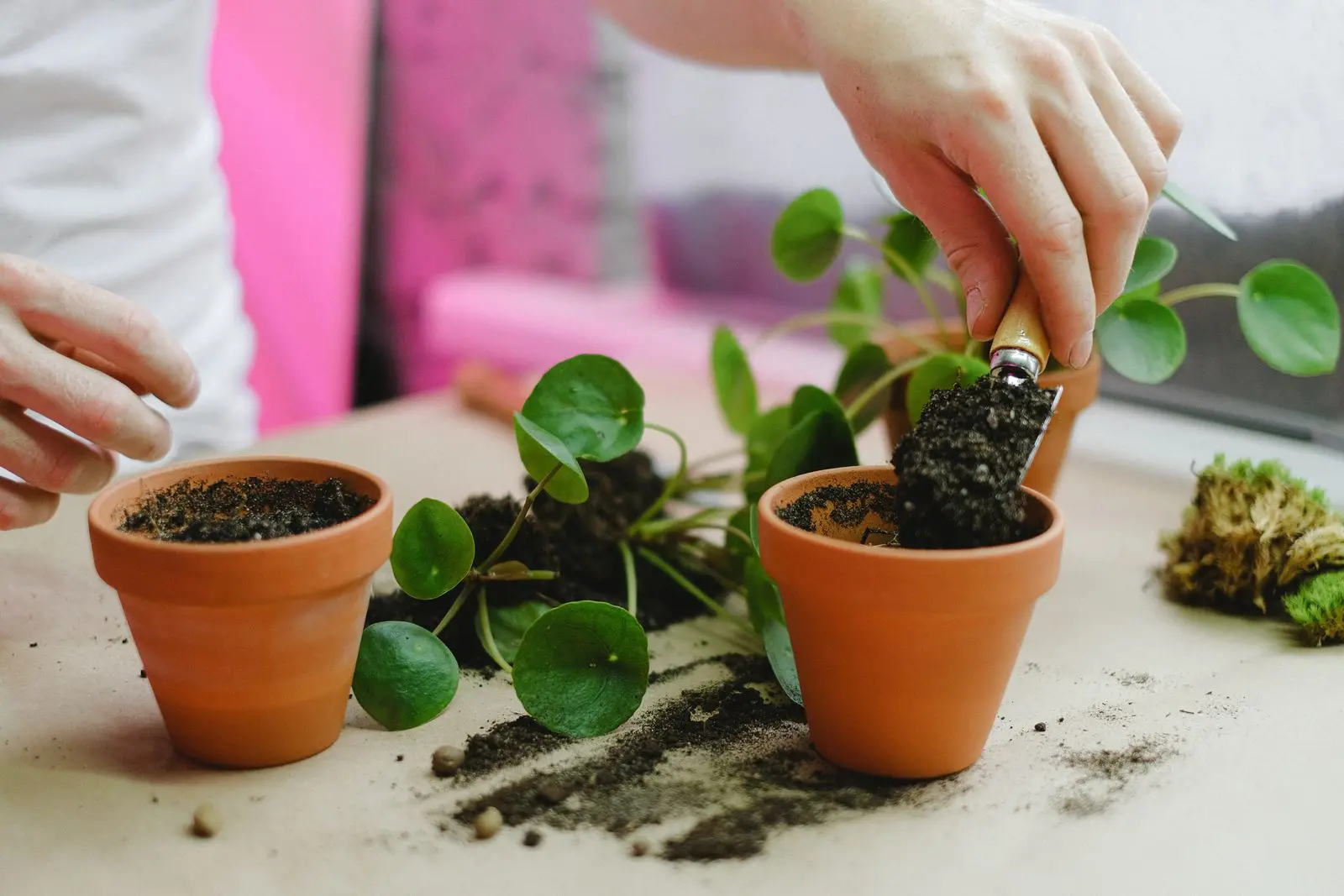
Water does not move through a fine-textured growing medium into a coarse gravel layer as readily as the simple “water falls through gaps” picture suggests. The change in texture can retain a wet zone above the boundary. Adding stones therefore does not create a larger, better-drained root zone; it uses up space that could hold growing mix.
Keep the distinction clear: a loose piece of mesh over a large hole, used only to retain mix, is not a several-inch gravel layer. Neither replaces an open outlet. If a retaining cover becomes blocked, it has stopped serving its purpose. UC’s explanation focuses on this interface between fine and coarse materials. Why gravel does not improve container drainage
The practical default is a consistent, appropriate mix through the planted portion of a conventional container. Do not recreate a supposed underground drainage layer inside a flowerpot.
Match the mix and the size to the plant
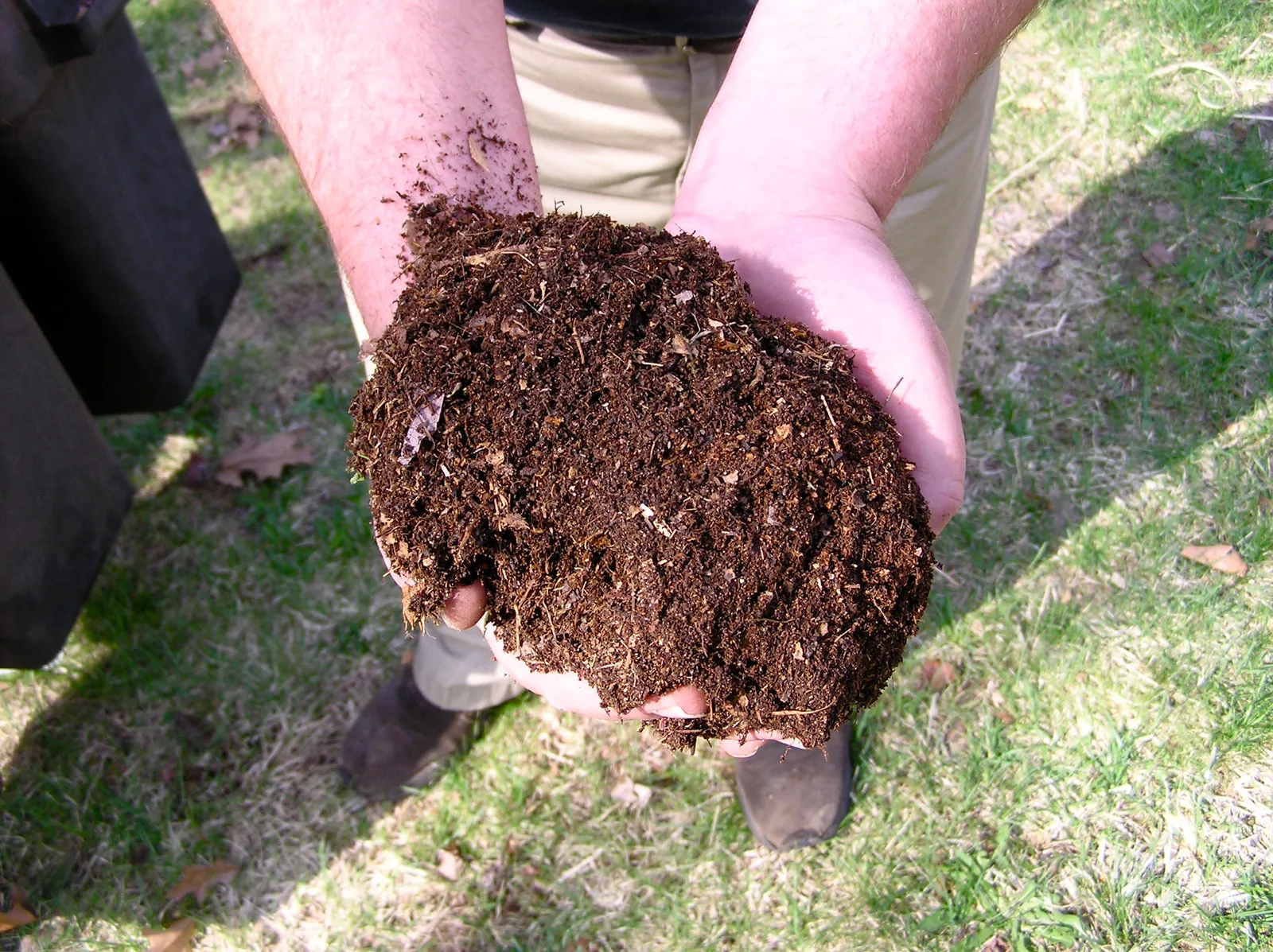
Ordinary garden soil is often a poor default for containers. It can be heavy and have inadequate pore space when confined in a pot. Commercial soilless mixes use combinations of materials to balance water retention and aeration; the word “soil” on the bag does not tell you how a product will behave. Read its intended use and ingredients. NC State Extension: plants grown in containers
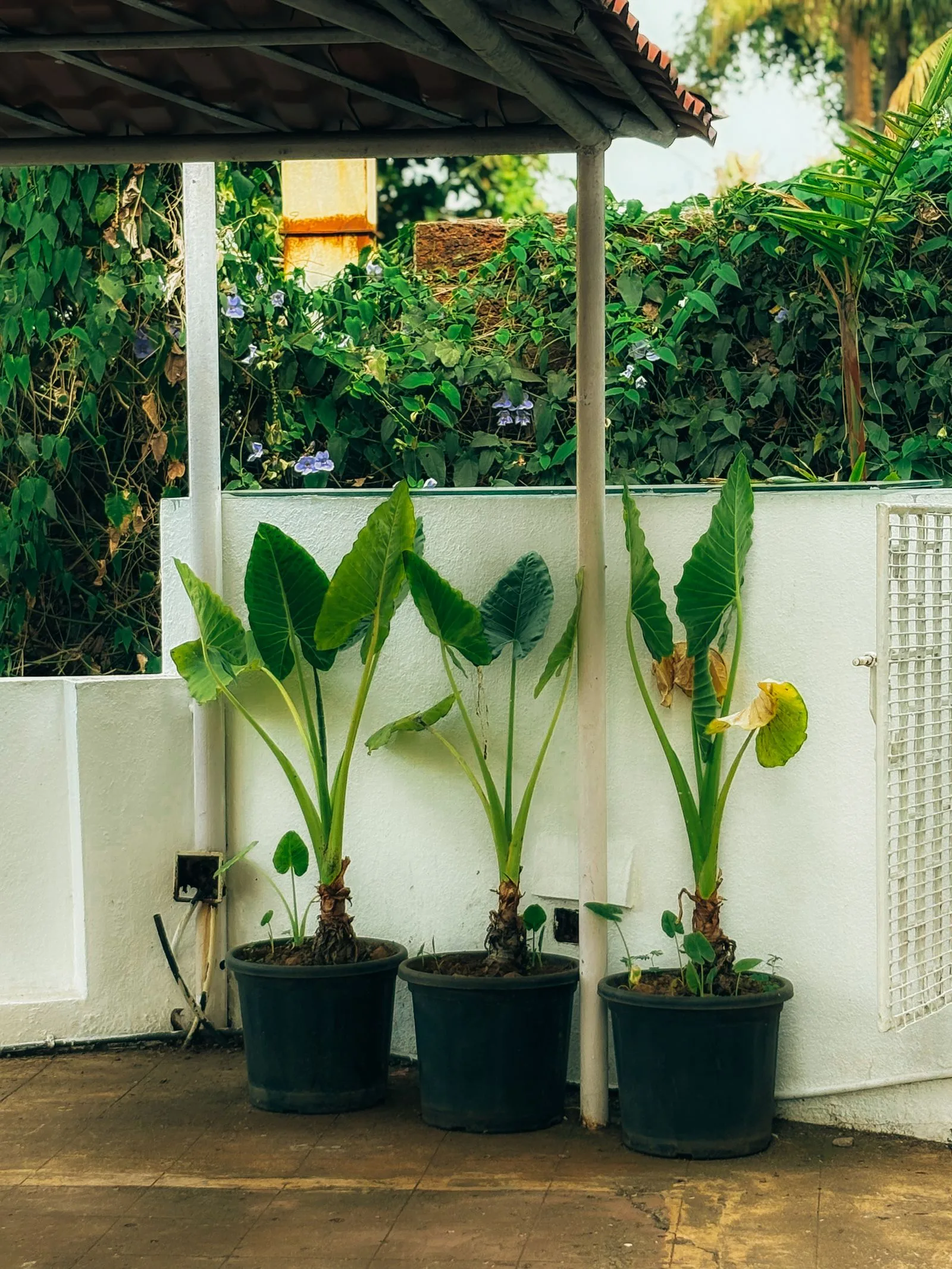
Container dimensions also matter. A plant squeezed into an undersized pot may dry out too quickly and have restricted root growth. For indoor plants being repotted, jumping to a much larger container is not automatically helpful either: select a size appropriate to the existing root system and expected growth. NC State distinguishes total volume from depth when discussing container choice.
There is no useful universal instruction to add a fixed percentage of perlite to every bagged mix. Start with a product designed for the type of planting, then assess the result in your actual pot and environment. A cactus, a leafy patio vegetable, and a moisture-loving houseplant do not need identical drying cycles.
Water thoroughly, then allow the next need to develop
For many ordinary container plantings, water slowly enough to moisten the root zone and allow some water to leave the outlets. Empty the saucer afterward. University of Illinois Extension recommends checking the growing medium rather than assuming one fixed schedule and notes that hot, dry conditions can sharply increase demand. Creating a successful container garden
Use several observations together: the plant’s needs, the feel of the mix, how heavy a safely liftable pot feels, recent rain, and exposure to sun and wind. “Every Saturday” is convenient for a reminder, but it is not a measurement of available water.
If water rushes out while the root ball remains dry, do not assume drainage is excellent. Very dry potting mix may shrink away from the walls, allowing water to bypass it. Illinois Extension describes this problem and recommends rewetting affected containers by soaking until the mix is moist, then allowing drainage. Container-garden watering and rewetting
Two exceptions worth handling deliberately
Decorative outer pots: Keep the plant in a removable inner pot with outlets. Water where excess can escape, allow it to drain, then return it to the cover. Check the outer pot again after watering. This is a maintenance choice, not a reason to hide a permanently wet base.
Self-watering planters: These are designed systems that move water from a reservoir into the mix, often by wicking. Maryland Extension describes the separate reservoir and overflow used in this approach. Follow the instructions for the reservoir, overflow, and growing medium rather than applying the empty-saucer routine used for an ordinary pot. Self-watering containers
They do not suit every plant: Illinois Extension notes that plants needing a substantial drying period, such as many cacti and succulents, are not the usual candidates. Self-watering and double-potting guidance
For balcony gardens, make a plan for runoff before planting. Virginia Cooperative Extension specifically points out the need to protect neighbors below when watering containers. Vegetable gardening in containers
Good drainage is not about making every pot dry as fast as possible. It is about supplying water while preserving suitable conditions for roots—and giving excess water somewhere to go.
Sources & further reading
We favor university extension guidance and original product documentation. Linked sources support the specific facts cited; they do not endorse Garden Gear Atlas.
- University of California Master Gardeners: drainage in containers
- Container drainage options
- NC State Extension: plants grown in containers
- Creating a successful container garden
- Self-watering containers
- Vegetable gardening in containers