Know what leaf lettuce will and will not form
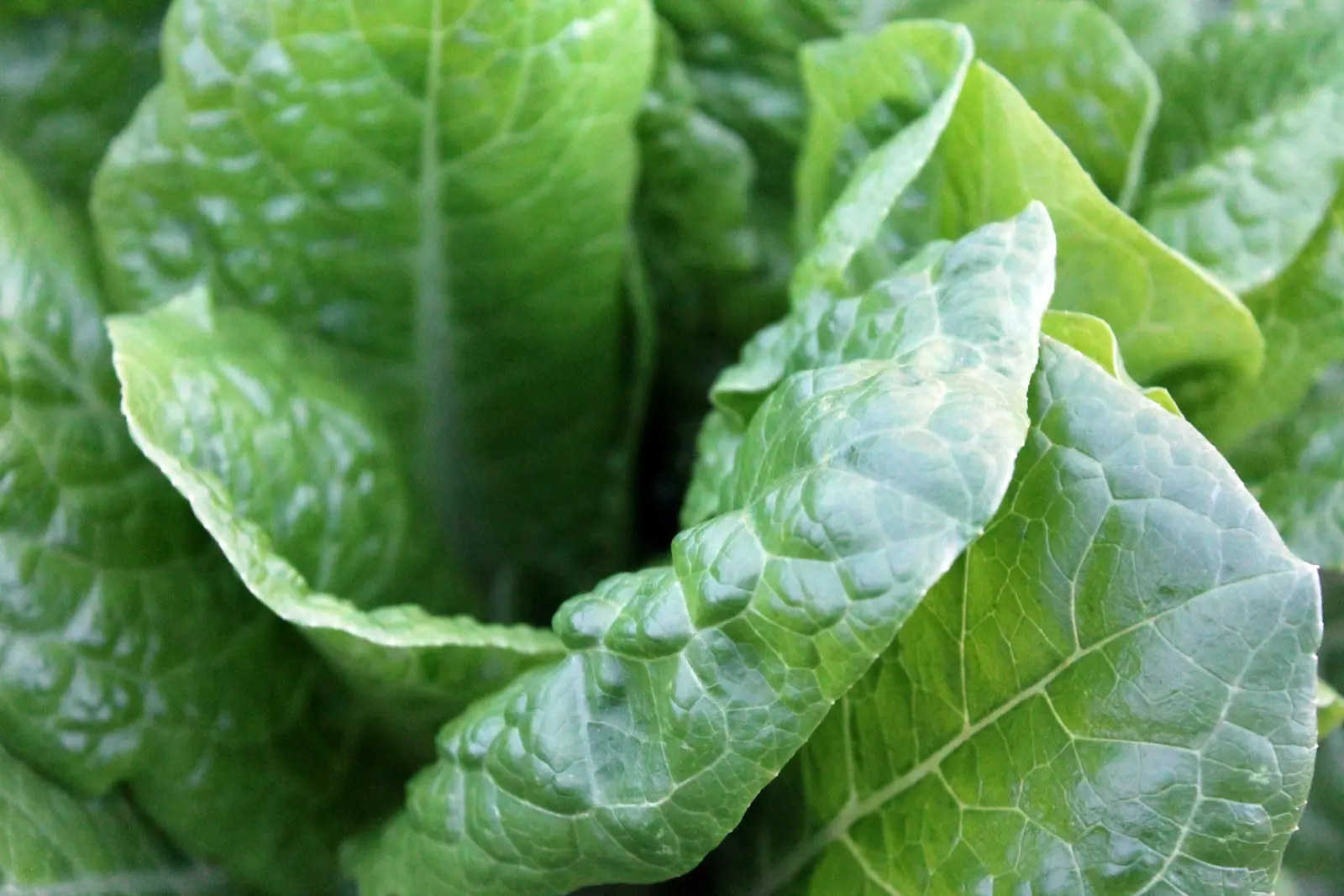
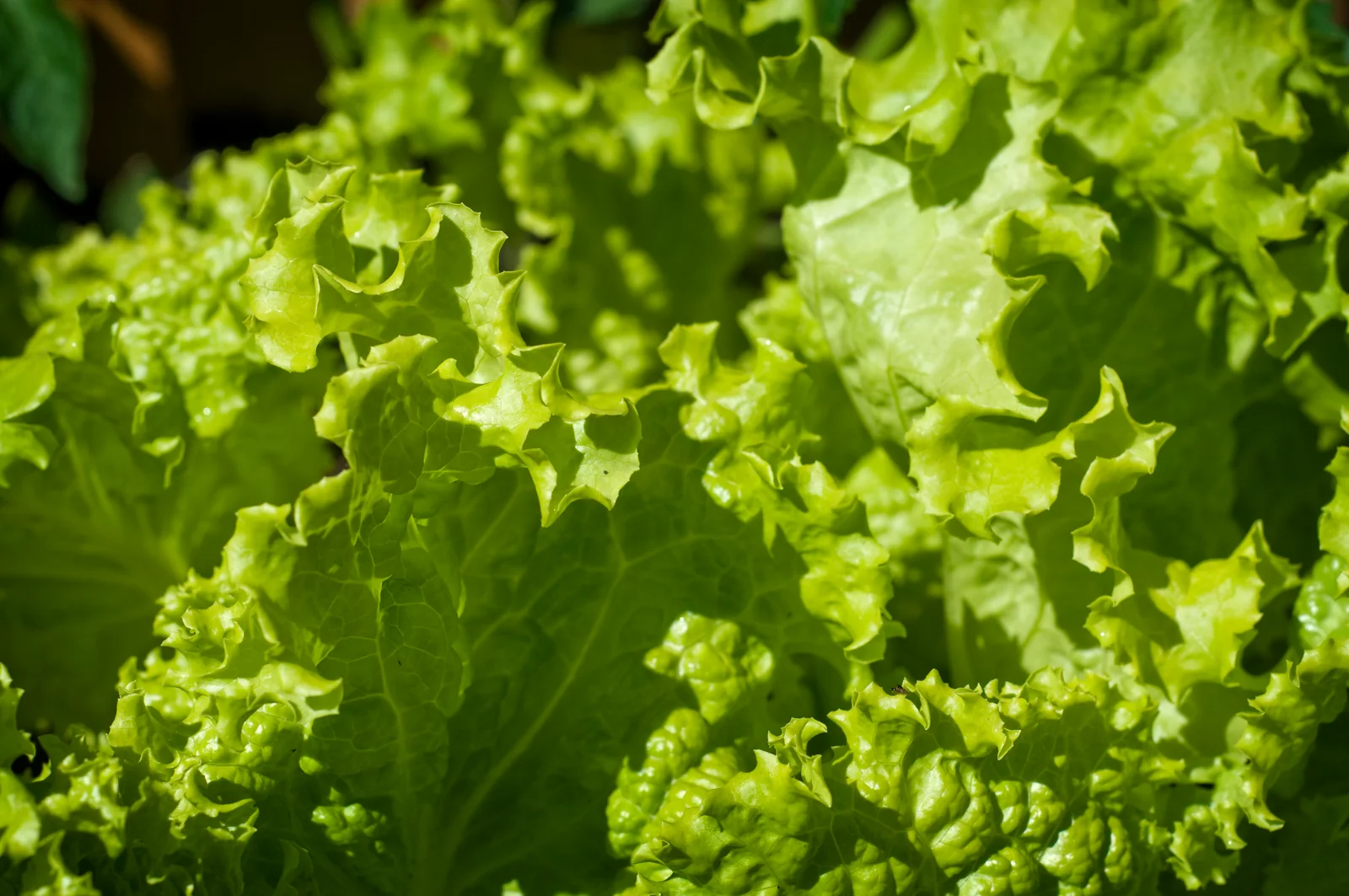
Leaf lettuce makes an open rosette of leaves rather than a tight head. Oakleaf, frilly and many red or green loose-leaf varieties belong to this useful group. NC State lists leaf, head, romaine and butterhead lettuces within Lactuca sativa. NC State Extension Plant Toolbox: Lactuca sativa A plant’s red color or ruffled edge alone does not tell you which harvest form it was bred to produce; keep the variety label.
Choose leaf texture and plant form for your meals. Tender leaves suit quick salads; firmer leaves may be easier for sandwiches or transporting to the kitchen. If you want an iceberg-style head, buy a heading variety and use its own spacing and maturity guidance. For a small garden, loose-leaf plants let you compare individual picking with whole-rosette harvest without waiting for a compact center. Decide that preference before planting a large patch. Harvesting convenience is part of choosing a variety, not an issue to discover after every leaf is ready at once.
A packet labeled salad mix may contain mustard, kale or other greens as well as lettuce. Keep the ingredient list and avoid treating every emerging seedling as Lactuca sativa. If you want a clean comparison of leaf-lettuce varieties, start with separately labeled packets so differences in flavor or growth are not confused with differences between species.
Put harvest weather ahead of the calendar
Lettuce is a cool-season crop. Illinois Extension notes that high temperatures can impair growth and quality, while long days, warmth and age contribute to seed-stalk formation. Illinois Extension: Lettuce Use those conditions to define your local lettuce season rather than assuming that a fast crop can be sown successfully every month.
For spring, look for a period long enough to establish plants and pick useful leaves before persistent heat. For fall, remember that germination and establishment may happen during warmer weather than the eventual harvest. Slow-bolting varieties can improve the odds, but they do not remove the seasonal limit. If your site has a short hot transition, plan a modest harvest and a clean finish. Use the succession guide to arrange later plantings; it is more realistic to plan several useful young crops than to assume one rosette will supply fresh leaves indefinitely.
Choose a bed, pot or box by the watering routine
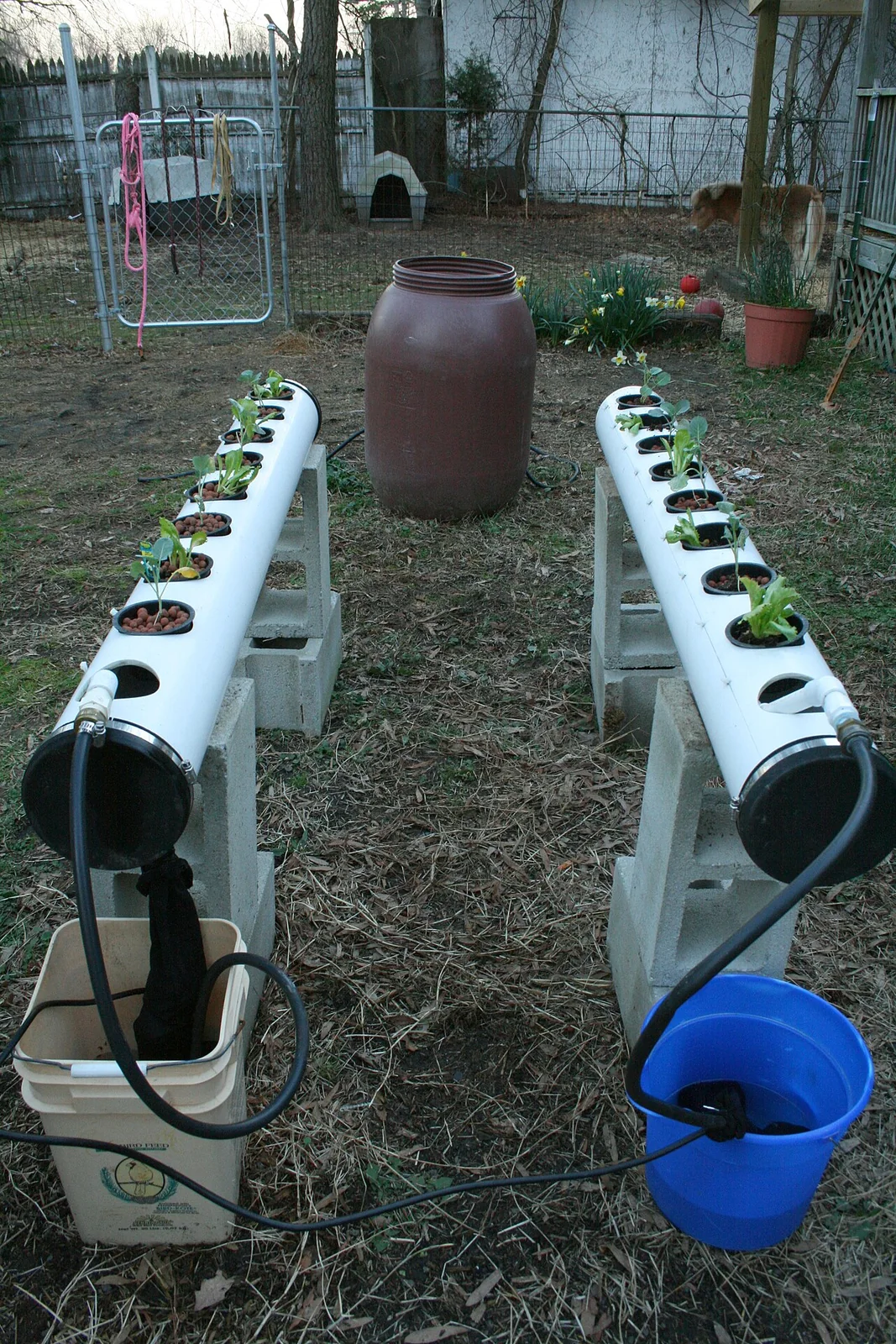
Maryland Extension identifies lettuce as suitable for containers and salad-growing boxes as well as garden beds. University of Maryland Extension: Growing lettuce A small planter can bring the crop close to the kitchen, but its limited volume makes access to water especially important. Choose drainage and a useful root zone before decorative appearance.
Use a container potting mix rather than packing a shallow box with dense garden soil. Check where excess water will leave and whether you can inspect the surface without lifting the whole planter. Avoid placing it where harvest means reaching over a railing or stepping on another bed. If comparing two positions, try a small identical planting in each and record the harvest quality. Morning access to the crop and a nearby water source may matter more than a perfectly styled container. The container drainage guide explains how the pot and medium work together.
Space for the leaves you intend to harvest
Spacing changes with harvest stage. Minnesota Extension gives closer spacing for baby-leaf picking and wider spacing for full-size leaf-lettuce plants. University of Minnesota Extension: Lettuce, endive and radicchio A dense sowing is not automatically a layout for mature rosettes. Read the cultivar’s recommendation and decide which plants will remain as leaves expand.
For a first trial, grow one short section for whole plants and another for repeated outer-leaf picking. Mark them before the seedlings become crowded. Thin deliberately rather than removing only the plants that happen to be easiest to grasp. If sowing small seed is difficult, work over a short measured section and keep the packet closed between sections to avoid an accidental spill. Check seed age and storage conditions if emergence is weak. Record what actually emerged before sowing more into the same place; two overlapping flushes can make harvest and thinning needlessly confusing.
Keep growth steady and observe the center
Utah State links moisture fluctuations with tougher leaves, slow development and off-flavors. Utah State University Extension: Lettuce in the garden Look below the surface before deciding that a light shower has watered the whole planting. Check containers more often as weather warms and the canopy expands, while ensuring they do not remain waterlogged. Base any feeding on the starting medium, plant response and appropriate soil or fertilizer guidance.
During each visit, inspect a few undersides for pests and glance into the center for new growth. Soft decay, chewed holes and a rising seed stalk call for different decisions. Do not respond to all three by adding fertilizer. Keep harvest equipment clean and avoid placing a bowl directly on soil. If a cover is in use, open it enough to inspect all the plants and reseal the edge afterward. A covered planting still needs observations; warmth, crowding and moisture can change under a barrier as the season progresses.
Harvest usefully and recognize the end of the crop
Utah State describes taking older leaves while allowing younger ones to continue growing. Utah State University Extension: Lettuce in the garden You can also harvest a whole plant when its rosette is useful or space is needed. The harvest and bolting guide explains how to preserve the growing center when repeat picking is your goal.
Judge the remaining plant after a harvest. It should have healthy foliage and an active center if you expect another useful picking. When a central stalk rises and quality declines, plan the final harvest rather than repeatedly cutting off the top and expecting a young plant again. Keep leaves shaded after picking, refrigerate them promptly and wash before use. Note cultivar, exposure, harvest method and the date leaves stopped meeting your needs. That simple record connects variety and site choices to the salads you actually enjoyed, making the next planting easier to size and schedule.
Sources and scope
Research-based guidance informed by institutional references. Cultivar, region and growing conditions can change the advice. Product inclusion does not imply hands-on testing of every model.