Identify the plant you intend to harvest
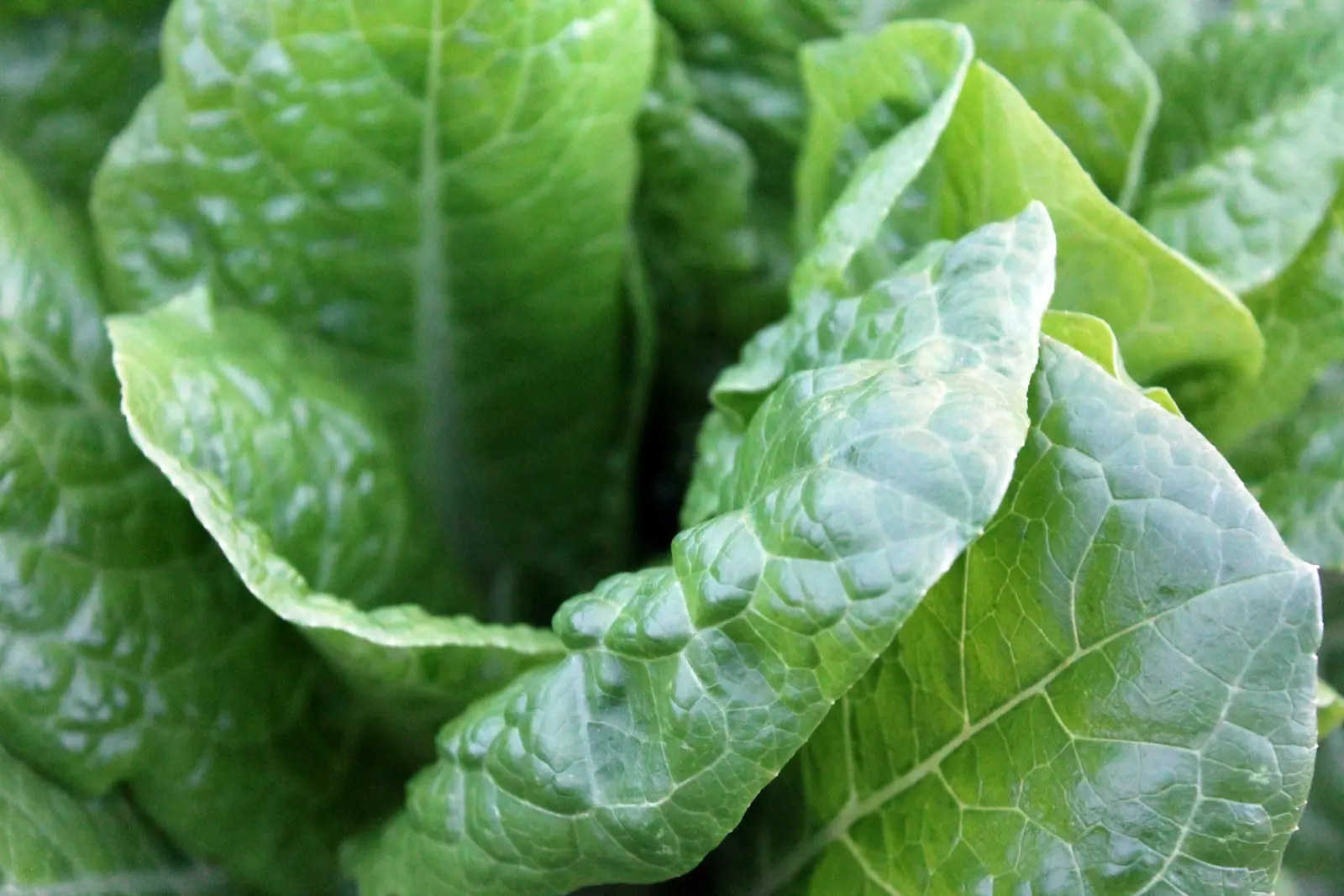
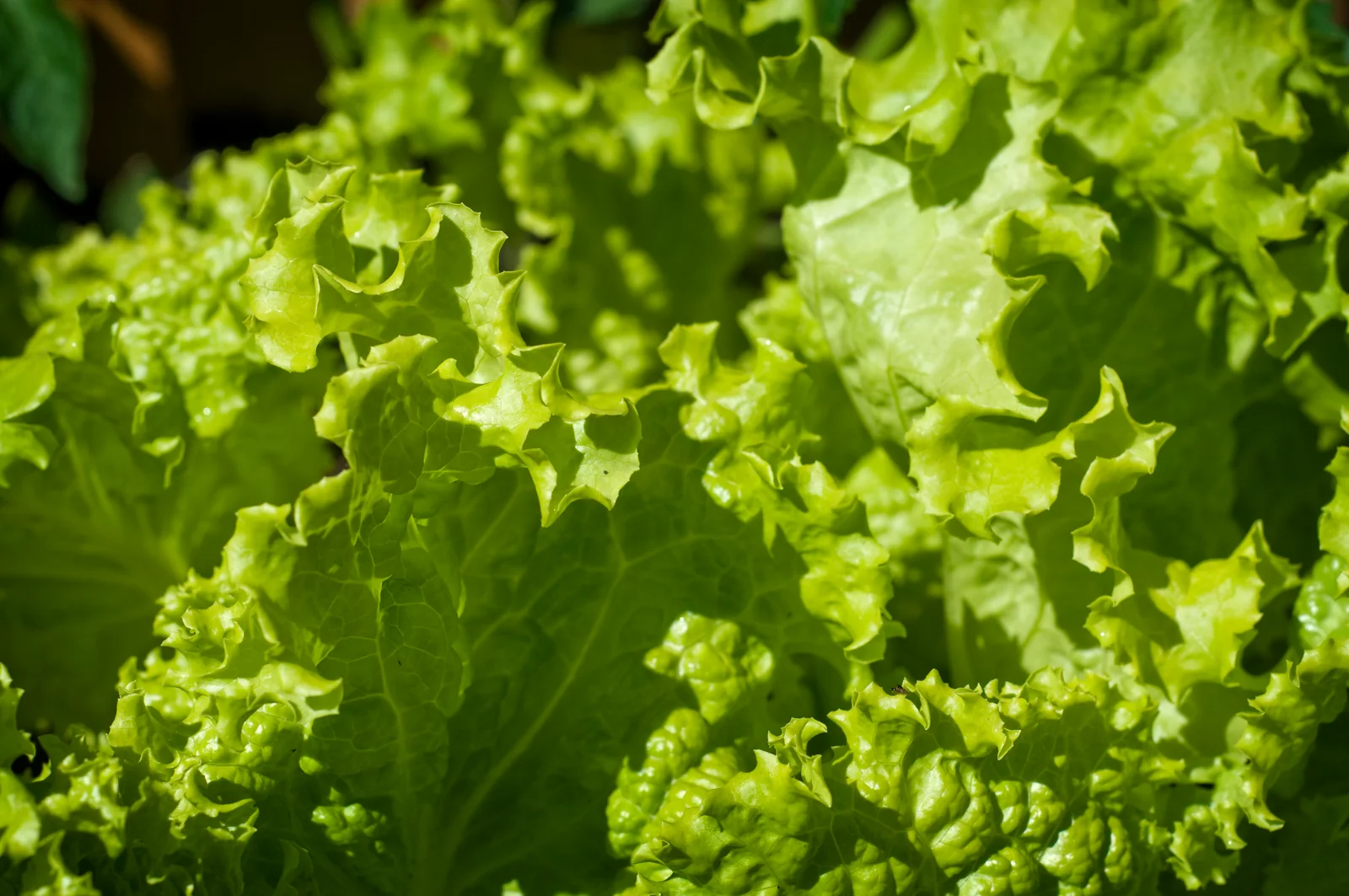
This guide is for loose-leaf lettuce: plants that make open rosettes rather than compact heads. Butterhead, romaine and iceberg belong to the same species but have different head development and harvest options. Minnesota Extension explicitly separates those types. University of Minnesota Extension: Lettuce, endive and radicchio Check the variety name if a plant looks unexpectedly open; waiting for an iceberg-style head on an oakleaf lettuce will not produce one.
Next decide what you want from this particular planting. A few sandwich leaves today, a bowl for dinner and an empty space for the next crop are different harvest targets. Count usable plants before you start. If only two small rosettes are available, taking almost every leaf to fill a large bowl trades away much of the next harvest. The leaf-lettuce profile covers basic growing conditions; use this page to decide where and when to cut established plants.
Choose outer leaves or a whole plant
Utah State describes harvesting older outer lettuce leaves while younger ones continue growing. Utah State University Extension: Lettuce in the garden Select sound leaves large enough for your intended use, hold the plant steady and remove the leaf near its base without tearing the center. Leave the youngest central leaves and enough older green foliage to keep the plant functioning. There is no dependable promise of a fixed number of repeat harvests from every cultivar in every season.
Whole-plant harvesting is useful when you need a full rosette, want to reduce crowding or have reached the end of the useful weather window. Illinois Extension notes that cutting every other leaf-lettuce plant gives those remaining more space. Illinois Extension: Lettuce Lay out the harvest before cutting: remove alternate crowded plants and selectively pick from the remaining larger ones. Keep the label marking the row so you can compare this treatment with plants you left untouched. Avoid accidentally cutting a central growth point while reaching for a lower leaf.
When leaves are ready in several sizes, sort the task before picking: a whole crowded plant for tonight, a few large outer leaves for sandwiches, and young centers left to expand. Put only the amount needed into the bowl. This turns thinning into useful food while preserving plants with the clearest prospect of another harvest, instead of cutting every rosette to an identical outline.
If using a cut-and-regrow method, expose the growing point first
A dense patch can make an across-the-top cut tempting. Before doing that, examine a plant at the edge and find the small leaves at its center. Set the cut above those growing points rather than following an arbitrary one-inch instruction. Heights vary with the age and form of the plants. If you cannot see where centers are, selective leaf harvest is the more controllable choice.
A useful small-garden trial is to cut one short section and leave the rest for individual picking. Mark it and compare the next flush for usable leaf size, soil splash and time spent cleaning. Regrowth that is sparse or difficult to wash may not justify another cycle. Do not force a second harvest merely because the first was called cut-and-come-again. For planning later sowings, use the separate lettuce succession guide; that solves supply gaps by new plants rather than assuming one set of roots will keep producing indefinitely.
Read bolting from the center outward
Bolting means the plant is shifting toward flowering and seed production. Illinois Extension links seed-stalk development with long days, warm temperatures and plant age. Illinois Extension: Lettuce Inspect the center rather than only the outside leaves. A lengthening central stem with increasing distance between leaves signals a different stage from the tightly arranged young rosette you started with.
When that change appears, assess leaf quality promptly and plan a final harvest if the leaves are still useful. Do not wait for visible yellow flowers to make the decision. Removing the top can remove a stalk, but it does not return the plant to its original developmental stage. In a kitchen garden, a practical stopping point is when the leaves no longer suit the meal you grow them for. Record that date alongside the cultivar and weather. A slow-bolting label is a comparison between varieties under particular conditions, not a guarantee of summer-long tenderness.
Use shade and watering as support, not a reset button
Maryland Extension allows partial shade for lettuce and notes that it grows well in full sun in spring and fall. University of Maryland Extension: Growing lettuce Choose exposure in relation to the season. On a hot site, afternoon shade may be useful; in a dim spring bed, adding shade can simply reduce the light available for growth. Look at the actual hours of sun instead of treating every north-facing or tree-adjacent position as equivalent.
Utah State warns that uneven moisture can toughen leaves and contribute to off-flavors. Utah State University Extension: Lettuce in the garden Check the upper root zone regularly, especially in a shallow planter, and water the medium without leaving it saturated. If a plant is wilted, inspect moisture before cutting a large harvest. For a temporary shade trial, compare a few plants with nearby uncovered ones and note whether quality improves. Avoid adding a warm fleece cover as a heat response. If heat and bolting are already widespread, an orderly final harvest can be more useful than repeatedly buying ways to prolong a poor-quality crop.
Make each picking visit an inspection
Look under the leaves you plan to take and down into the center. Separate ordinary insect holes from soft, decaying tissue. Do not put visibly rotten leaves into the harvest bowl and expect washing to restore them. If repeated outer-leaf removal reveals damage around the crown, investigate it before planning another round of regrowth. Note whether the problem is confined to a crowded damp corner or appears across the bed.
An exclusion cover can protect leafy crops without needing to admit pollinating insects for the leaves themselves, but it still needs inspection and watering access. Maryland Extension emphasizes early installation and securely held edges. University of Maryland Extension: Weather and pest protection Choose a covering arrangement you can lift without dragging it across the rosettes. Keep soil and dirty weights outside the harvest container. If you open only one end and reach over every plant, redesign the access; repeated visits should become easier as the crop grows, not progressively more awkward.
Finish with usable leaves and a clear next decision
Harvest with clean hands and clean tools into a clean container. Keep leaves shaded while finishing the row, then refrigerate promptly and wash under running water before use. Handle leaf lettuce as a delicate fresh crop: pick amounts your household can use while quality is good. Keep any leaves for immediate use separate from intact leaves you intend to store so repeated sorting does not bruise the whole batch.
After harvesting, look at what remains. There should be a credible next crop of leaves on a healthy center if regrowth is the goal. If the remaining plants are tall, bitter, crowded or declining, clear the finished section and record the result. Your record can be brief: harvest method, useful bowl size, time between good pickings and the first bolting date. Use it to choose the next cultivar and planting window. That turns the end of a lettuce crop into a practical decision rather than a contest to keep every plant alive.
Sources & further reading
We favor university extension guidance and original product documentation. Linked sources support the specific facts cited; they do not endorse Garden Gear Atlas.
- University of Minnesota Extension: Lettuce, endive and radicchio
- Utah State University Extension: Lettuce in the garden
- Illinois Extension: Lettuce
- University of Maryland Extension: Growing lettuce
- University of Maryland Extension: Weather and pest protection