Work backward from a bowl, not a packet
A seed packet contains far more lettuce than many households can use at once. Begin with the amount you want at one meal and how often you cook at home. Then decide whether that harvest should come from a few heads or from repeated small leaf pickings. There is no reliable universal number of plants per person: appetite, cultivar, harvest stage and weather change the answer.
For a first trial, allocate a small section of bed or one container to a labeled batch. Record how many meals it actually provides. Keep the remaining seed for later sowings. This trial gives you a local unit of production, such as 'one short row supplied two salads,' without pretending that every future row will behave identically.
Leave space for the following batch before planting the first one. Succession planting fails easily when all available space is filled on the first pleasant spring weekend. An empty reserved strip is not wasted ground if it lets you sow again while the first batch is still being harvested. The alternative is to plan a clear removal date for a short-lived crop occupying that space.
Choose one harvest system for each batch
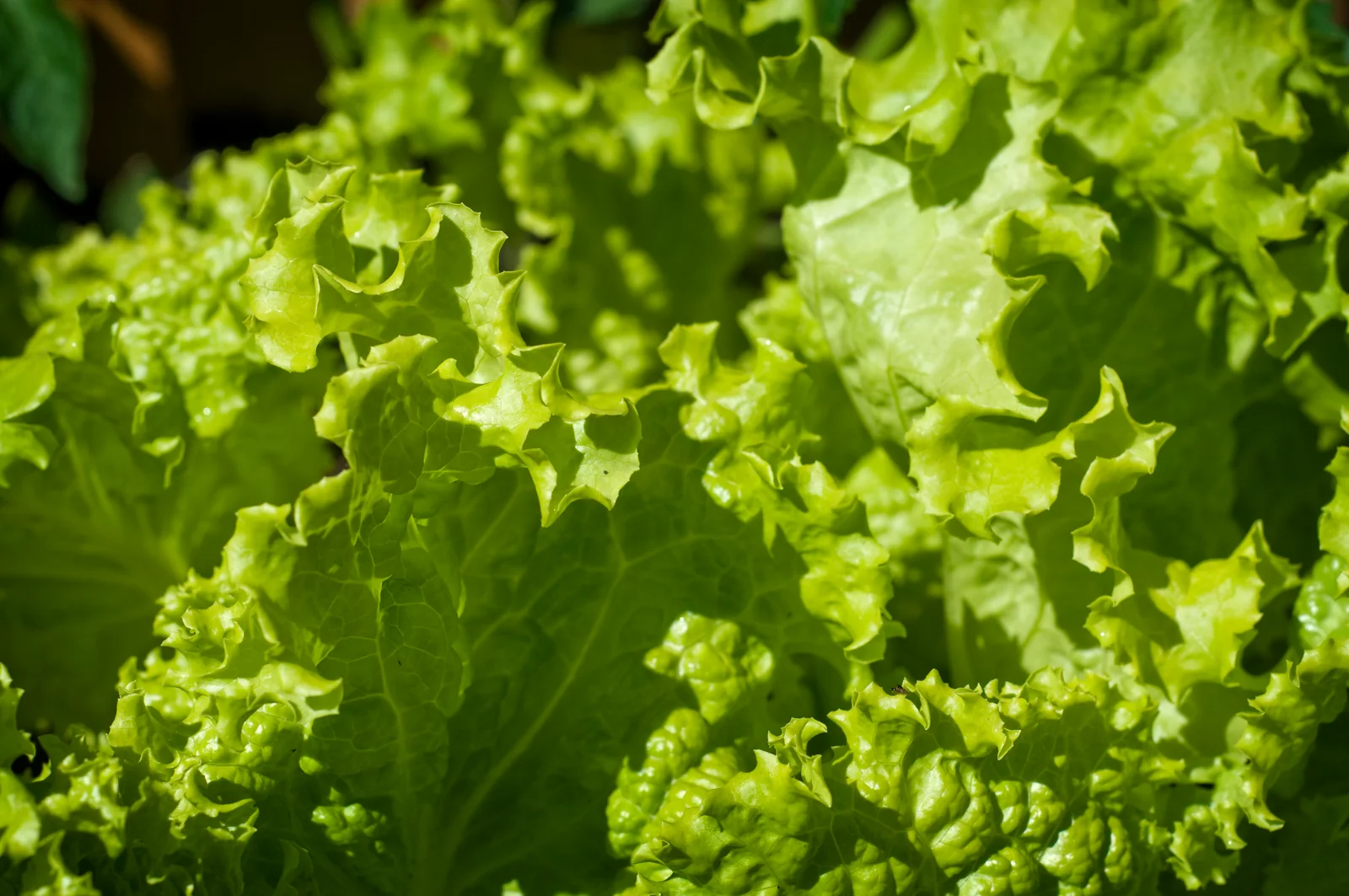
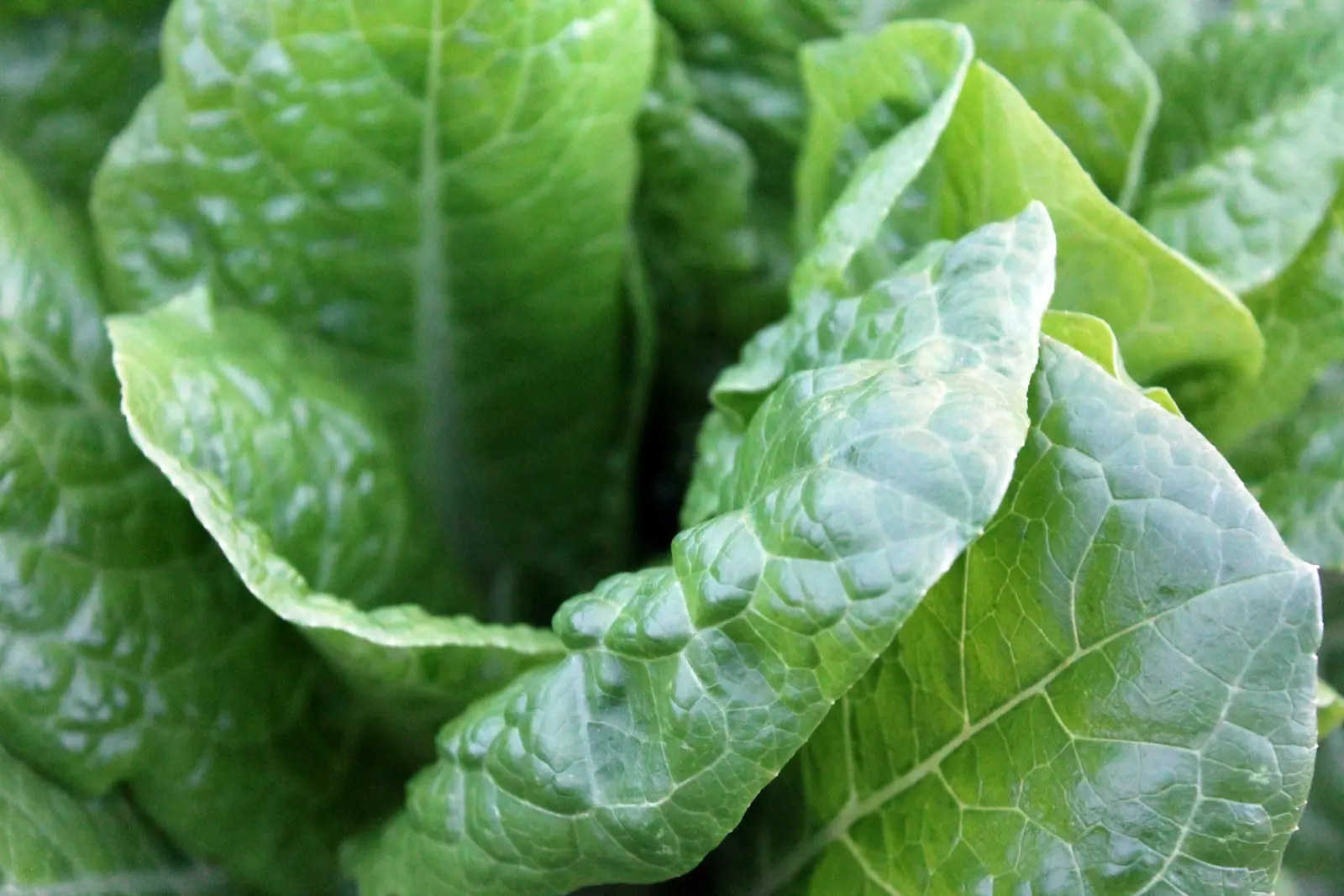
Baby-leaf lettuce, repeated outer-leaf harvesting and whole-head production require different expectations. Baby leaves can be planted more densely because you harvest them small. Head lettuce needs enough room to make the head described by the cultivar. If you sow densely for baby greens and later decide to wait for full heads, thinning is not optional.
Outer-leaf harvesting is useful when you want modest amounts repeatedly: take usable older leaves and preserve the growing center. Whole-head harvesting is simpler when a recipe calls for a large amount, but it empties that spot at once. A cut baby-leaf stand may regrow if its growing points remain intact and conditions are favorable; it is not an unlimited supply of identical harvests.
Maryland Extension ties lettuce spacing to the type and intended harvest stage and recommends successive plantings or varieties with differing maturity. Its lettuce guide explains the distinctions among leaf, butterhead, romaine and crisphead types. Choose a method deliberately, then use the packet's instructions for that method rather than mixing density recommendations from unrelated systems.
- Baby leaves: useful for quick, small harvests; plan to replace tired stands.
- Outer leaves: useful for frequent light picking; protect the plant's center.
- Whole heads: useful for predictable meal portions; stagger planting so they do not all mature together.
- Mixed harvests: assign separate labeled patches so thinning and picking remain intentional.
Build a schedule with checkpoints instead of promises
Start with a modest repeat interval, perhaps around two weeks during favorable weather, and treat it as a test. When the next sowing date arrives, inspect the earlier batch. Is it growing rapidly, barely emerging, or almost ready? A warm spring can cause successive sowings to catch up with each other, while cold soil may separate them more than expected. The calendar reminds you to look; the crop helps you decide.
Write the cultivar, sowing date, emergence date and intended harvest stage on a simple record. Note the first useful harvest and when quality declined. Those observations are more valuable than a long spreadsheet of predicted dates. After a few batches, adjust the batch size first if you are producing too much, then adjust the interval if there are gaps.
Use local planting calendars to identify reasonable seasonal windows. Maryland's dates are specific to Maryland; Utah's are specific to its different climates. Neither should be copied unchanged into a national calendar. The University of Maryland planting calendar shows how sowing and harvest windows differ among lettuce types. Compare that approach with your county or state Extension recommendations and the conditions in your own bed.
Summer is a separate growing problem
Lettuce is a cool-season crop, and warm conditions can make germination and eating quality more difficult. A packet labeled heat tolerant offers a relative advantage, not immunity to bolting. If seedlings fail repeatedly in hot soil, increasing seed density may simply use more seed without solving the cause. Consider starting a small batch in a cooler suitable location, using transplants, or waiting for a better window.
Utah State Extension notes reduced lettuce germination at high soil temperatures and the effect of heat on bitterness and bolting. Its lettuce-growing guide provides the physiological context for a summer pause or a cooler start. Do not treat a cold-season seed-starting routine as automatically suitable in July, especially under a heat mat or a closed cover.
Temporary afternoon shade can be helpful in an exposed site, but evaluate what it changes. A shaded bed still needs sufficient light and water; shade does not undo advanced bolting. A container may be easier to move into a less punishing position, while a large bed may justify shade cloth. If the intervention costs more effort than the small crop is worth to you, stop sowing lettuce for the hottest stretch and restart for fall.
Make each sowing easy to establish
Prepare a fine, reasonably level seedbed and follow the packet's shallow sowing directions. Small seeds can be buried too deeply by rough raking or a heavy watering stream. Keep the germination zone moist without turning it into a saturated layer. In a container, check several spots: edges exposed to sun and wind may dry before the center.
Thin at the stage appropriate to the intended harvest, while crowded plants are still easy to separate or snip. Do not wait until every plant is competing for the same small space and then expect instant recovery. If you want to eat thinnings, handle and wash them as food, and ensure any products applied to the crop are appropriate for edible use.
Keep weeds out while the lettuce is small, using shallow, careful work around the roots. Mulch becomes more practical once seedlings are established and will not be buried by it. Water according to the root zone and weather, not because a neighboring tomato has a particular schedule. A shallow lettuce container and a large fruiting-vegetable pot can need different attention on the same patio.
Decide when a batch has finished earning its space
Taste and inspect plants before planning dinner around them. As stems elongate and quality declines, repeated picking may produce less useful food than a new planting would. A bolting batch is not a failure that must be nursed indefinitely. Record when it became unappealing, remove it, and use that information to shorten the next harvest window.
Do not automatically replant the cleared spot with more lettuce if the season has turned unfavorable. The right successor may be another crop, a temporary mulch cover, or a later lettuce transplant. Succession means arranging useful harvests through time, not growing the same vegetable continuously at any cost.
At the end of the season, keep three observations: the batch size you could comfortably use, the sowing interval that avoided the worst gaps, and the weather that ended good quality. Those are the foundation of next year's schedule. Keep a small reserve of seed, a little space available, and permission to change the plan when the garden grows faster or slower than expected.
Use separate labels for a mixed salad planting
A packet mixture can be attractive, but its components may not reach your preferred harvest stage together. If your goal is learning a repeatable schedule, start with one lettuce cultivar per labeled patch. Keep non-lettuce greens in their own section when their growth or flavor differs substantially. At harvest, note which patch supplied the leaves you actually wanted, not merely which produced the most foliage. If one batch is ready before you need it, harvest a portion and reduce the next sowing rather than immediately expanding the system. If you want a mixed bowl, you can combine leaves in the kitchen without giving up useful information in the garden. This small amount of separation makes future succession decisions much easier.
Sources & further reading
We favor university extension guidance and original product documentation. Linked sources support the specific facts cited; they do not endorse Garden Gear Atlas.
- University of Maryland Extension: Growing lettuce
- Utah State University Extension: Lettuce in the garden
- University of Maryland Extension: When to plant vegetables