Understand the system you are buying
Most passive self-watering planters separate stored water from the main growing compartment and use capillary movement to deliver moisture. The connection may be a wick, a column of growing medium, or another designed contact area. A fill tube, indicator, and overflow can make the system easier to manage, but their presence and operation vary. University of Maryland describes this separation of reservoir, growing area, and overflow in its container guidance. Maryland Extension: self-watering containers.
Keep the distinction from an ordinary pot standing in water. A purpose-built system controls how stored water contacts the medium and where excess leaves. Simply leaving a conventional drainage saucer full is not equivalent. Before purchasing, locate each functional part in a diagram. If a listing never shows the reservoir, wick, growing volume, or overflow, it is difficult to judge what the word self-watering actually promises.
For two concrete shopping approaches, the LECHUZA CLASSICO Color 28 pairs a reservoir with a liner and level system, while Bloem's Ariana uses an internal self-watering disk and knockout drainage. These are different operating arrangements, not interchangeable pots with different finishes. Check the assembly and inspection routine you prefer before comparing the decorative size. Bloem Ariana manufacturer features.
Match the plant before maximizing reservoir size
A plant that benefits from fairly consistent moisture is a different candidate from one requiring a pronounced drying cycle. Its root system, growth rate, and growing conditions also matter. Do not choose a large reservoir solely because you dislike watering, then assume every species can adapt to the same arrangement. A reservoir can reduce the frequency of carrying water without removing the need to understand the plant.
Illinois Extension notes that many vegetables and tropical houseplants can benefit from consistent water availability, while thick-leaved cacti and succulents often do not justify this type of setup. Use that as a broad suitability distinction, then check your species and the manufacturer's system guidance. Illinois Extension: self-watering-pot suitability. A small trial with one compatible plant is more informative than moving an entire collection into unfamiliar reservoir pots at once.
Treat establishment as a separate phase
New roots may not immediately reach the part of the system receiving water. Some designs therefore require top watering during establishment before normal reservoir use begins. Others use a wick inserted into an existing nursery pot and have different instructions. The phrase 'fill and forget' erases this important distinction. Determine how the root zone is supplied during the first weeks, not only once the plant is fully established.
LECHUZA's classic system explicitly describes a growing-in phase, followed by reservoir filling and a plant-dependent dry phase. Its smaller stick system operates differently. Those instructions demonstrate why one brand's refill routine should not be copied blindly to another planter, or even another mechanism from the same maker. LECHUZA: how its irrigation systems work. Follow the particular model's instructions and confirm that water actually reaches the root zone.
Use the specified growing medium and fill method
Wicking depends on the properties and contact of the growing medium. A very coarse medium that works in a freely draining hand-watered pot may not draw water the same way in a reservoir system. A fine, dense material may remain wetter than intended. Follow the planter's mix requirements rather than adding a universal recipe of sand, gravel, perlite, or bark based only on advice for ordinary containers.
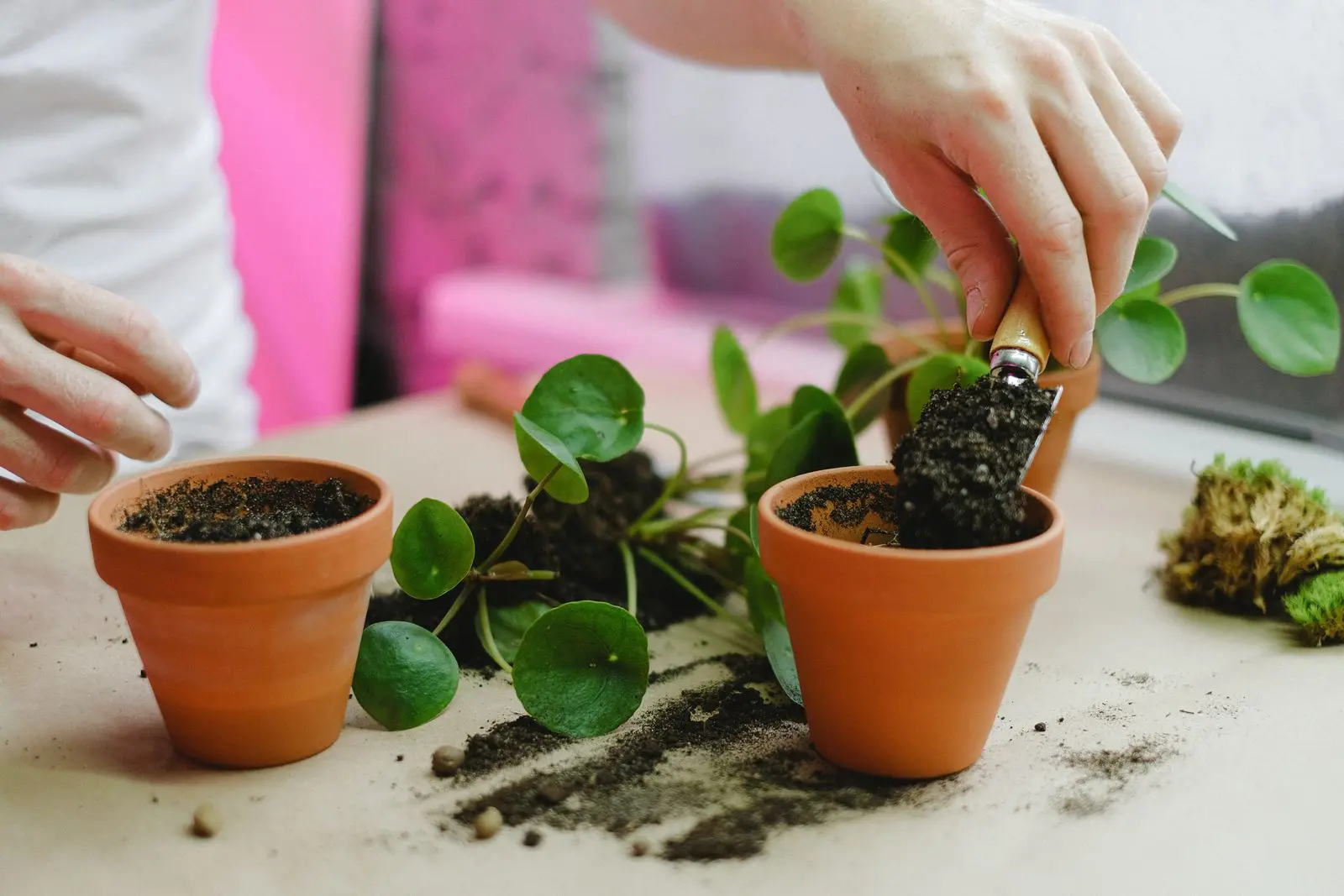
During assembly, pay attention to the wick position and any required packing of designated wicking areas. These steps are functional, not decorative. Do not leave a wick floating above the water or substitute a material whose behavior is unknown. If the maker supplies an insert or separator, use it as directed. Photograph the empty assembly before filling it so you can later identify which hidden part may need attention without guessing from the top.
Read indicators as measurements of their actual compartment
A float indicator usually reports reservoir level, not root health or moisture at every depth. A full reading can coexist with a poorly connected wick; an empty reading can coexist with moisture still held in the growing mix. Roots, mineral deposits, or assembly issues can also affect moving parts. Check that the indicator moves freely according to the instructions, especially after a long period of use or a repot.
Keep a short refill record during the first ordinary weeks. Note weather or room changes and inspect the plant and medium, not just the gauge. A suddenly different refill pattern is worth investigating. It may reflect growth or heat, but it could also indicate a leak, a blocked connection, or a changed watering habit. The indicator is useful because it narrows one question; it should not be asked to answer every question about the plant.
Plan indoor and outdoor overflow separately
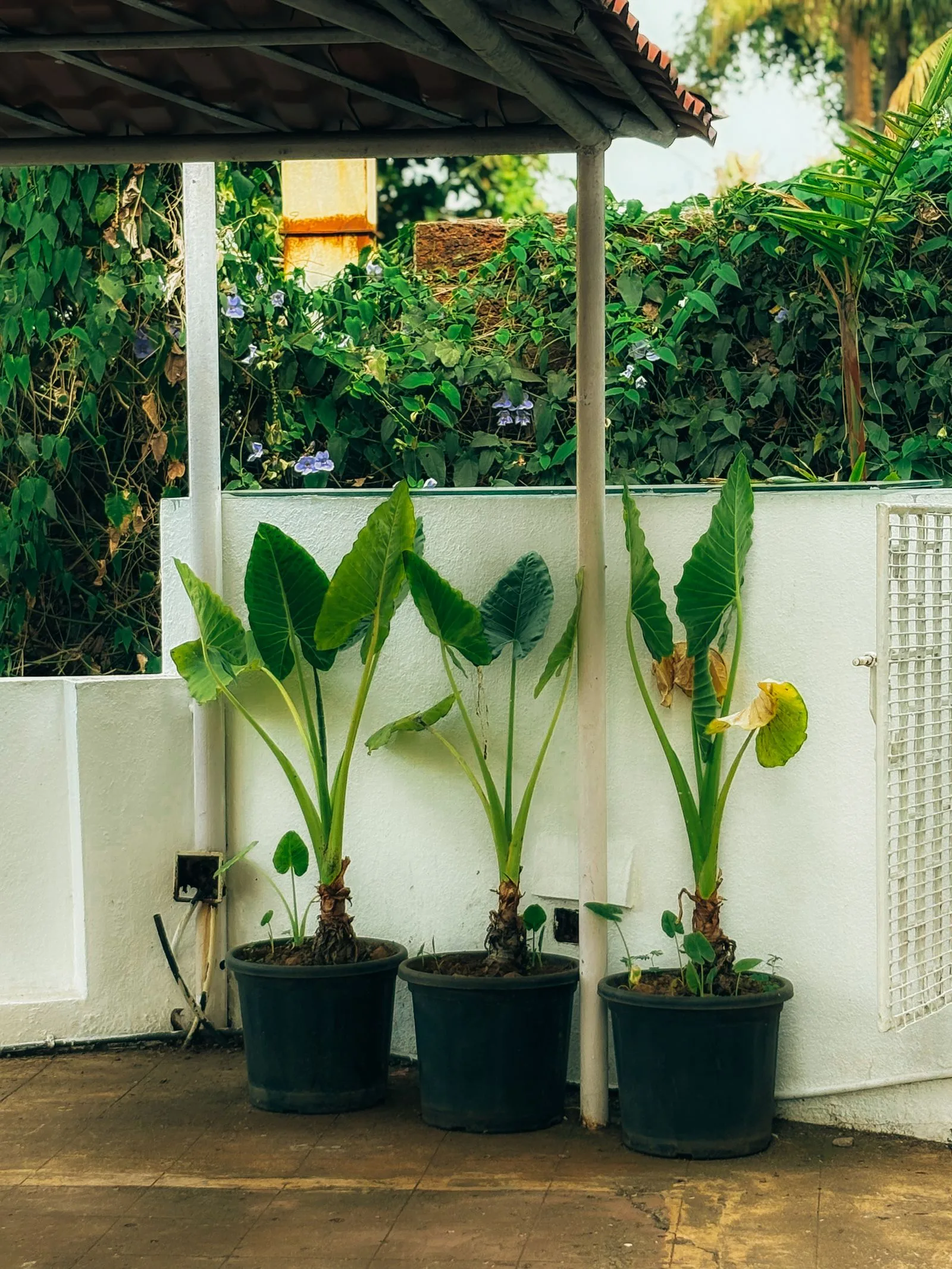
Outdoor rain can fill a reservoir beyond its intended level unless the designated overflow is open and clear. Indoor use may require a plug or different assembly to prevent leakage onto furniture. Verify both modes on the exact product. A drain plug in one model can serve a different role from a removable stopper in another. Do not assume that a pot sold for indoor and outdoor use requires no change when moved.
Make runoff accessible for inspection. A reservoir hidden inside a decorative sleeve or against a wall may leak unnoticed if you cannot see its outlet. For balcony use, direct drainage responsibly and avoid letting water fall onto people or property below. For indoor use, test the assembled empty system over a washable surface before relying on it near vulnerable materials. Keep electrical accessories, if present, within their stated installation and moisture limits.
Estimate time away from observed demand
Reservoir capacity is not a reliable vacation-duration promise by itself. The same volume can last very different lengths of time with a small indoor plant and a large outdoor tomato. Plant growth, sun, temperature, wind, and recent watering all change demand. Instead of accepting 'weeks without watering' as a guarantee, observe several refill cycles under representative conditions and leave a margin for hotter weather or unexpected problems.
Test the exact arrangement while you are home before an absence. Confirm that the plant remains appropriately watered, the overflow works, and a helper can find the fill point. Leave instructions explaining whether the system requires a dry phase and what an unusual reading looks like. For valuable or demanding plants, arrange a check even when the estimated capacity seems ample. Automation and passive reservoirs reduce some chores, but they do not provide oversight.
Compare maintenance over the whole season
Look for access to clean the reservoir, replace a wick, remove the liner, and inspect roots. A handsome sealed body can become inconvenient if every maintenance task requires dismantling the plant. Check whether spare components are identifiable and whether the instructions explain fertilizer use and any flushing routine. Do not pour concentrated fertilizer into a reservoir without directions specific to the product and plant.
A good purchase fits both the plant and your behavior: you can assemble it correctly, verify establishment, refill appropriately, and inspect it without avoiding the work. If an ordinary draining pot already works well, a reservoir is optional rather than an upgrade every plant needs. The strongest reason to choose one is a specific delivery problem it solves—not a belief that stored water makes horticultural judgment unnecessary.
Sources & further reading
We favor university extension guidance and original product documentation. Linked sources support the specific facts cited; they do not endorse Garden Gear Atlas.
- University of Maryland: reservoir-container design
- Illinois Extension: self-watering pot suitability
- LECHUZA: irrigation-system instructions
- Bloem: Ariana planter construction and drainage
- LECHUZA: CLASSICO Color 28 model specifications