Fruit & berries
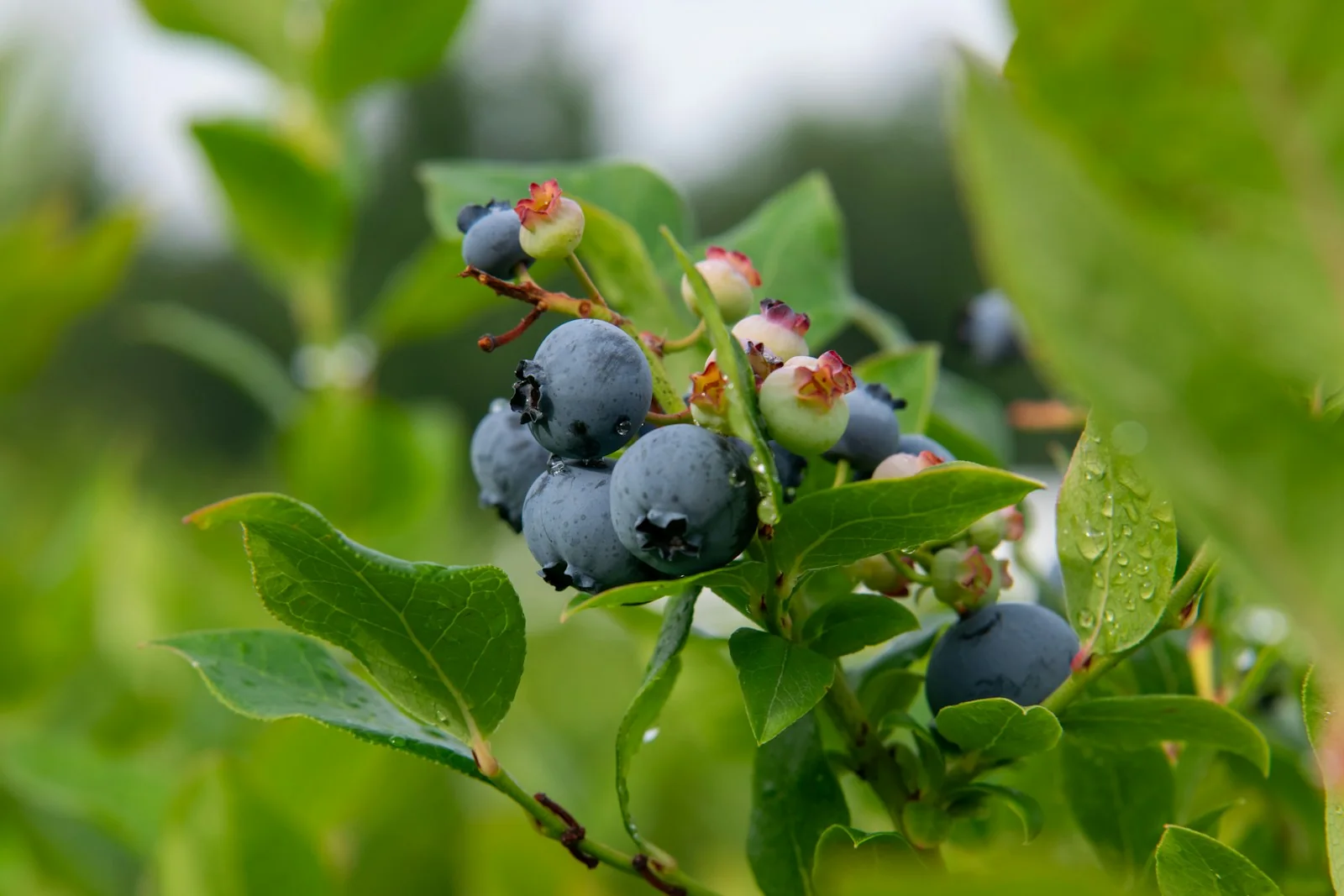
Highbush blueberry
Vaccinium corymbosum and southern highbush hybrids
A long-lived fruiting shrub whose success depends on matching blueberry type to winter conditions and maintaining an acidic, aerated root zone.
Growing referenceExplore / Fruit & berries
Make room for a sweeter harvest.
Choose fruit for your climate, root space and growing routine. Compare berries, container fruit and young-tree care before investing in plants and supports.
Compare fruit plants and growing needs →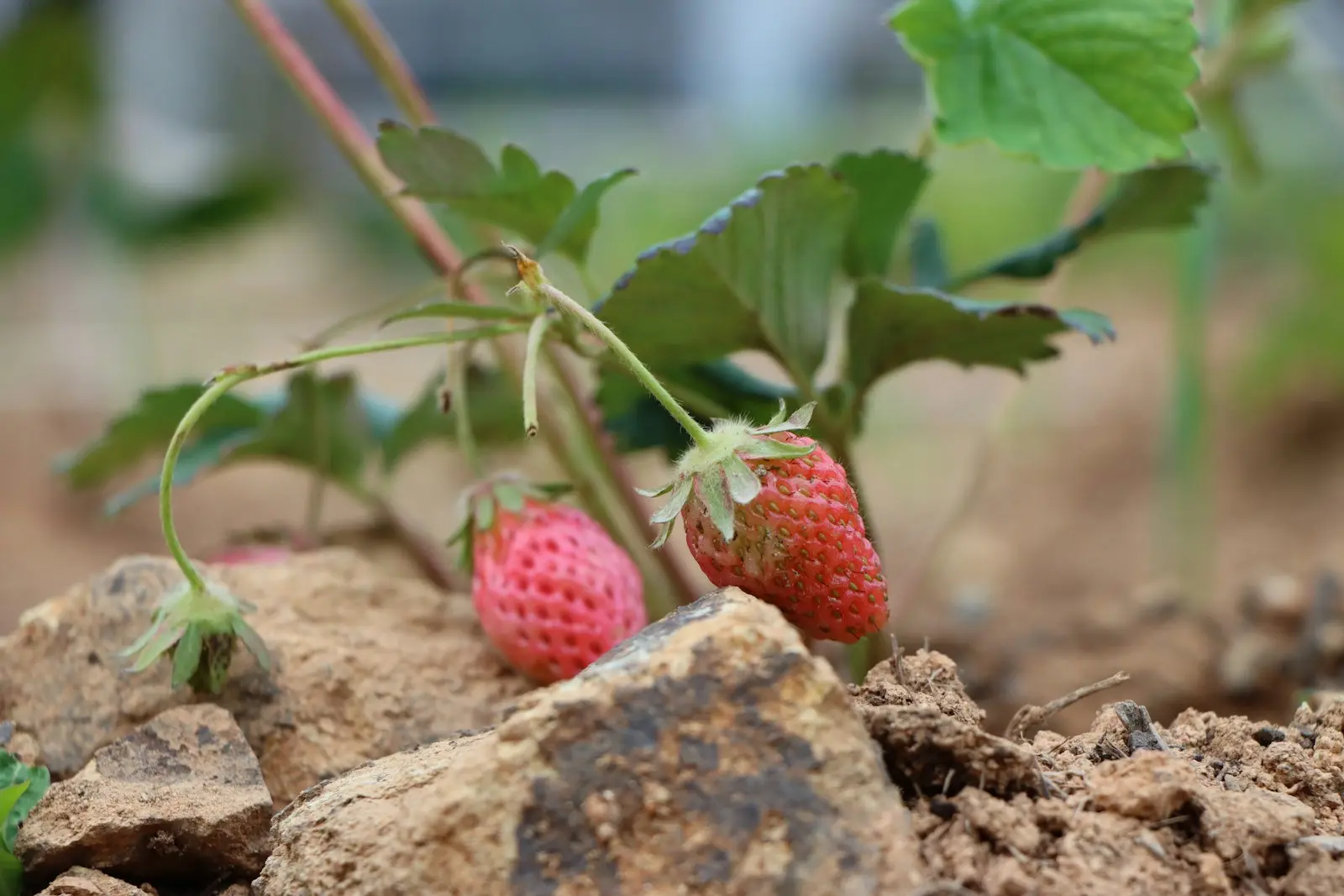
A useful place to start
Runners, fruiting canes and developing fruit tell different stories. Follow the crop-specific decision instead of a single pruning or harvest calendar.
01 / Choose the next strawberry plants
Decide where daughters can establish and when fruiting space takes priority.
02 / Renew the blueberry framework
Distinguish cane age from young fruiting laterals before selecting removals.
03 / Keep the harvest within reach
Use ripeness and cane access to plan manageable picking passes.
04 / Understand the remaining season
Separate crop origins and regional ripening windows before removing late fruit.
Fruit & berries
Vaccinium corymbosum and southern highbush hybrids
A long-lived fruiting shrub whose success depends on matching blueberry type to winter conditions and maintaining an acidic, aerated root zone.
Growing referenceFruit & berries
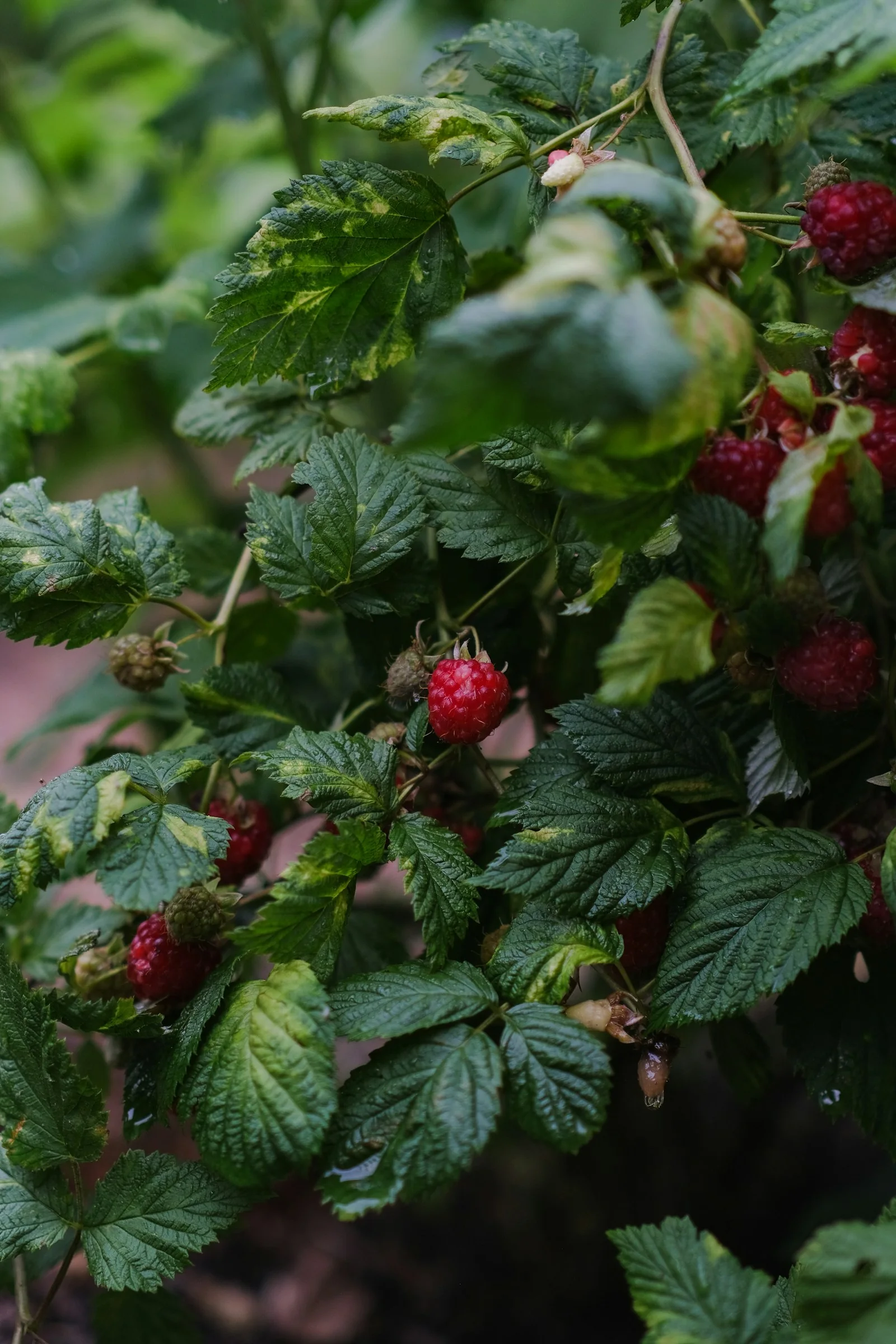
Rubus idaeus cultivars
A perennial bramble with short-lived canes, delicate fruit and a pruning system determined by whether the cultivar fruits on first-year or second-year growth.
Growing referenceFruit & berries
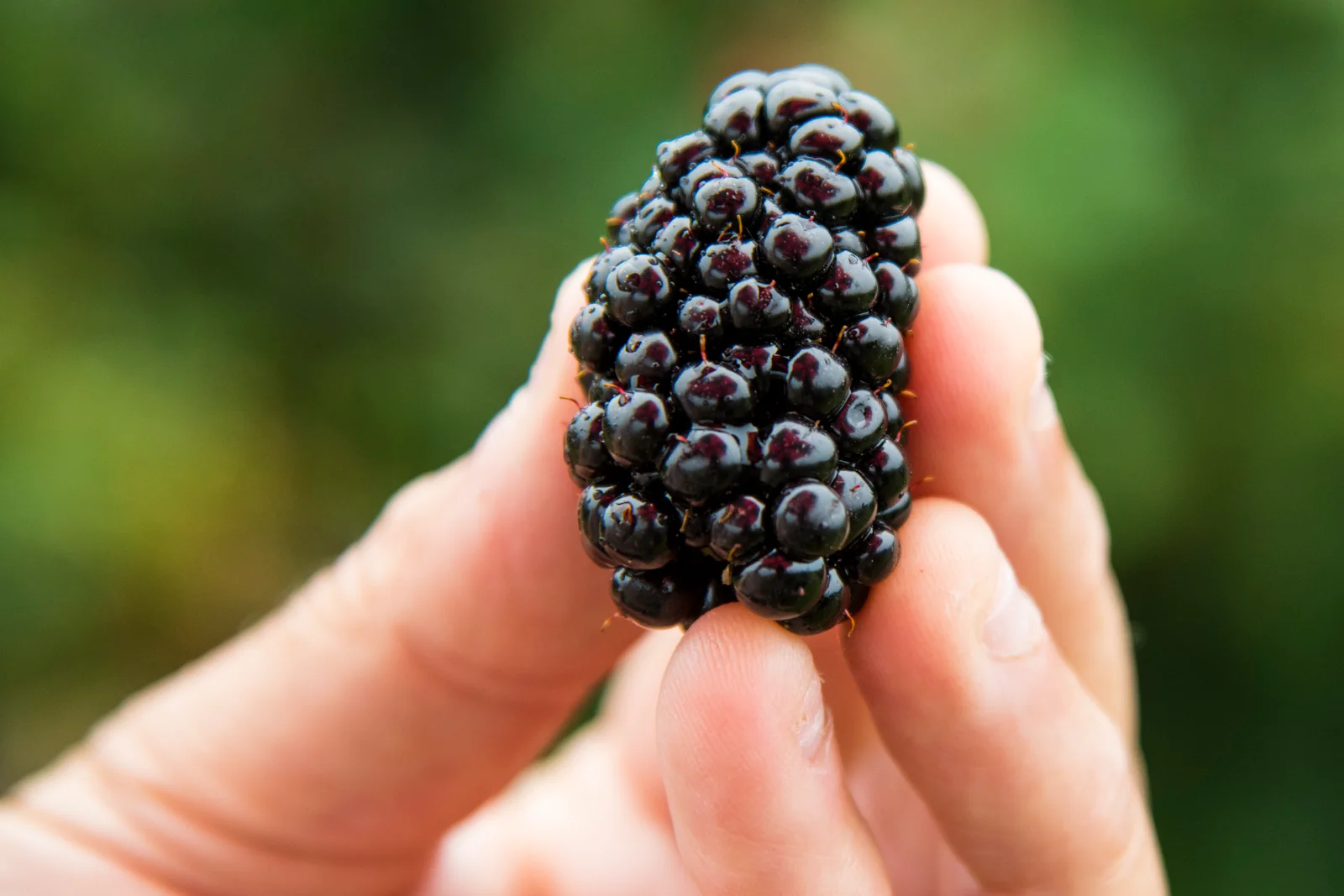
Rubus species and cultivated hybrids (blackberry group)
Cultivated brambles ranging from upright bushes to long trailing canes, with support and pruning chosen around cane habit, fruiting age and regional adaptation.
Growing referenceFruit & berries
Fragaria × ananassa
A low-growing hybrid perennial fruit crop whose runners, planting depth and flowering type determine how a productive bed or container should be managed.
Growing referenceFruit & berries
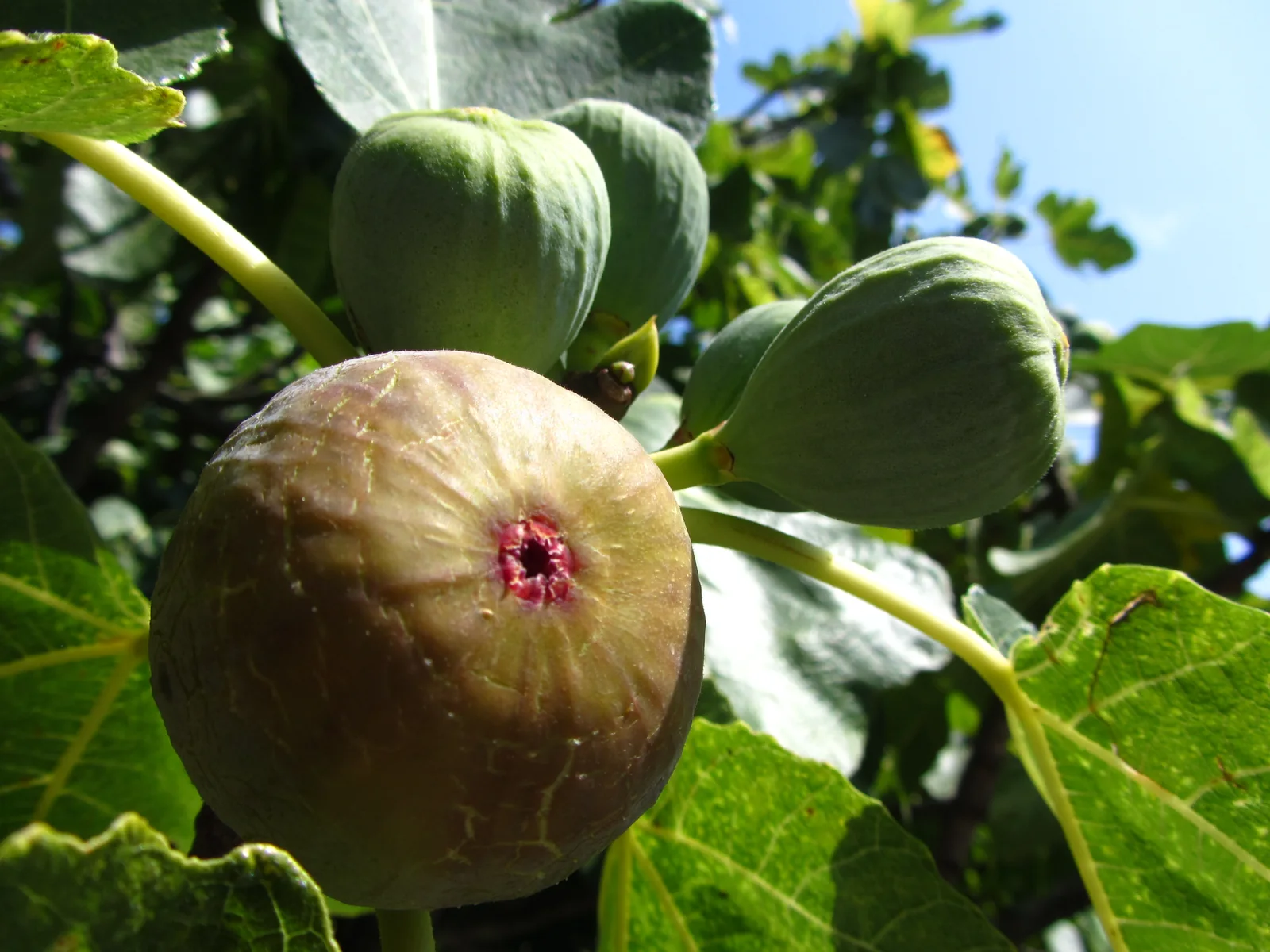
Ficus carica (common, parthenocarpic fruiting types)
A deciduous fruiting shrub or small tree that rewards a warm, sunny site, with winter protection chosen to preserve productive wood and give fruit time to ripen.
Growing referenceFruit & berries
Vitis vinifera, American Vitis species and cultivated interspecific hybrids (bunch grapes)
A woody perennial vine grown for clusters of fruit, with species ancestry, season length, regional disease pressure and pruning system all shaping the right garden choice.
Growing referenceFruit & berries · 7 min read
Choose which strawberry runners to keep, root a small replacement batch, and preserve the spacing and identity of your fruiting plants.
Read the guideFruit & berries · 7 min read
Learn the difference between an old blueberry cane and its young fruiting laterals, then choose a manageable annual renewal sequence.
Read the guideFruit & berries · 7 min read
Use flavor, release and appearance to judge blackberry ripeness, organize repeat picking, and preserve replacement canes in an established planting.
Read the guideFruit & berries · 7 min read
Distinguish growing figs from fruit entering ripeness, identify the crop on old or new wood, and make a region-aware decision about late fruit.
Read the guideFruit & berries · 6 min read
Choose a strawberry system around harvest pattern, runner management, watering and winter protection—not just the planter's appearance.
Read the guideFruit & berries · 6 min read
Plan container blueberries around regional plant suitability, root volume, acidic mix, pollination, watering access, and winter protection.
Read the guideFruit & berries · 6 min read
Decide whether to amend native soil, create a separate blueberry bed, or use containers by considering soil buffering, irrigation water, and maintenance.
Read the guideFruit & berries · 6 min read
Identify raspberry cane age and fruiting type, then choose a summer, fall-only, or two-crop pruning routine without removing next year’s harvest.
Read the guideFruit & berries · 6 min read
Choose blackberry support by erect, semi-erect, or trailing habit, cane replacement, winter handling, and the room needed to harvest safely.
Read the guideFruit & berries · 6 min read
Prepare container citrus for a bright indoor winter with manageable pot movement, pest inspection, moisture checks, and a gradual spring return.
Read the guideFruit & berries · 6 min read
Build a container-fig routine around common-fig selection, pot movement, summer watering, dormancy, and realistic fruit ripening.
Read the guideFruit & berries · 6 min read
Compare fruit-tree cultivars, compatible flowering partners, rootstocks, support needs, and mature space before placing a nursery order.
Read the guideFruit & berries · 6 min read
Establish a new apple tree with correct planting depth, targeted watering, root-zone access, maintained support, and a first-season observation plan.
Read the guideFruit & berries · 6 min read
Evaluate grape trellis locations by cultivar suitability, sun, air movement, drainage, support loads, herbicide exposure, and harvest access.
Read the guideFruit & berries · 6 min read
Choose and manage berry protection with small mesh, supported fit, closed edges, pollinator timing, and daily wildlife checks.
Read the guideFruit & berries · 6 min read
Assess peach crop load by fruiting shoot and scaffold, thin at the appropriate stage, and address branch strain without relying on improvised props.
Read the guideFruit & berries · 6 min read
Verify Ribes species, cultivar, planting-address restrictions, permits, climate fit, and harvest use before ordering currants or gooseberries.
Read the guideA successful setup brings the plant, growing conditions and equipment together. These related topics help you work through the next decision.