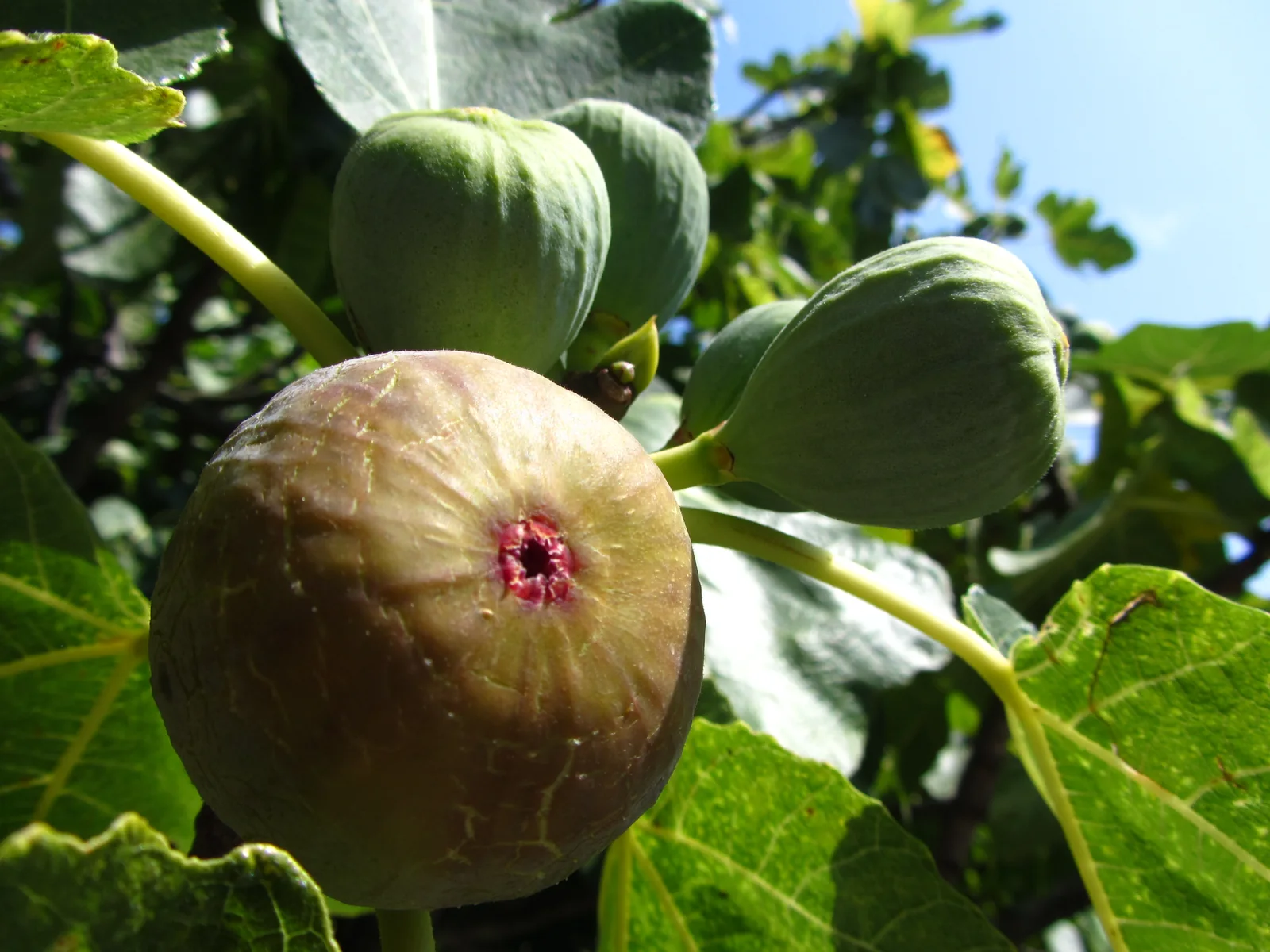
Sort the fruit before deciding that the tree has failed
Stand beside one reachable branch and separate three observations: fruit is present, fruit is getting larger, and fruit is approaching eating ripeness. Those are different achievements. A branch covered in hard figs demonstrates fruit development, but does not yet demonstrate that this cultivar can finish its crop within the remaining season at your site.
Start a record for a few representative fruits instead of squeezing every fig each day. Photograph the whole branch and its individual fruit positions, then note their size category, firmness and appearance. Choose examples from both an exposed side and a less exposed side. A sequence of photographs can reveal progress that is difficult to remember from an occasional inspection.
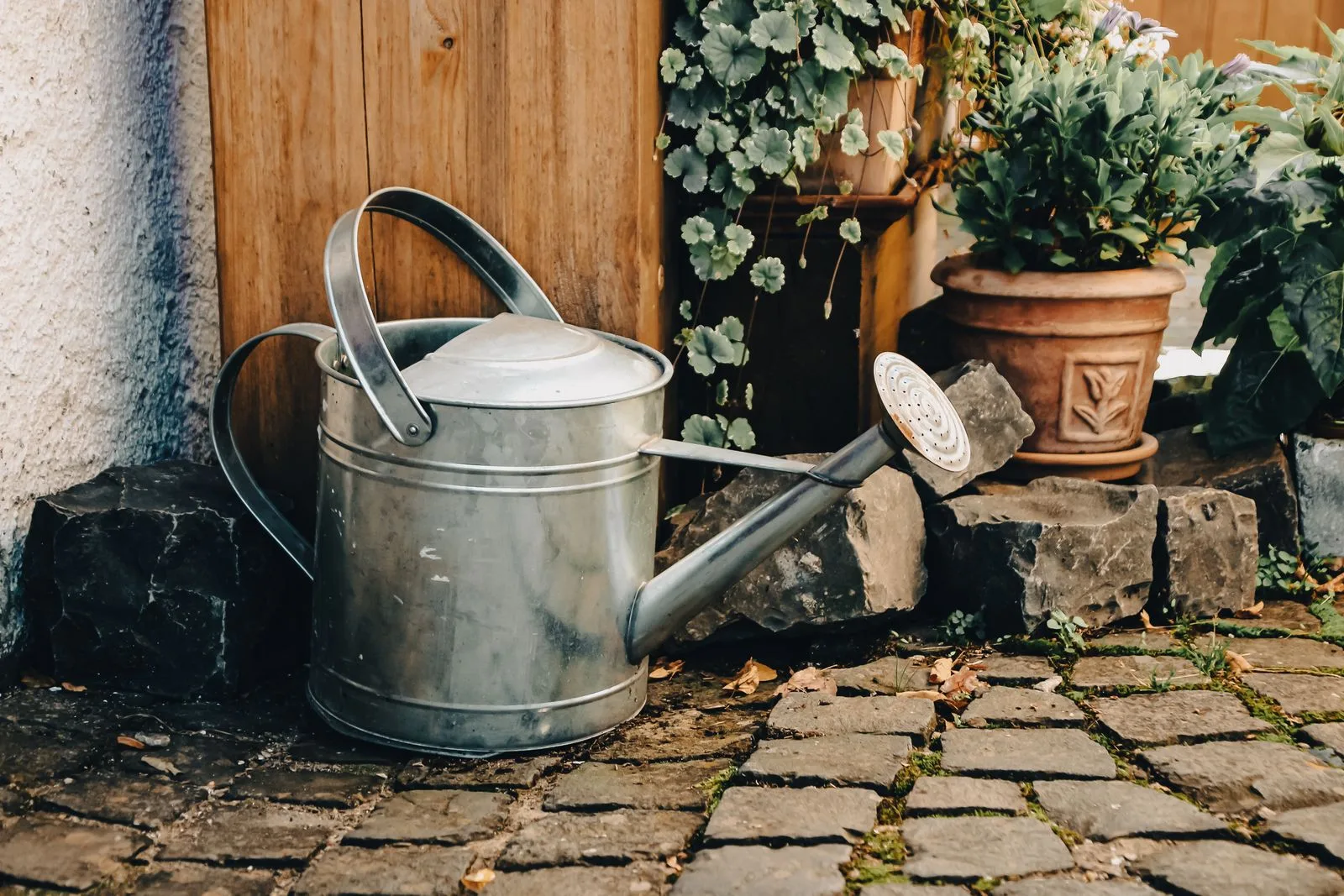
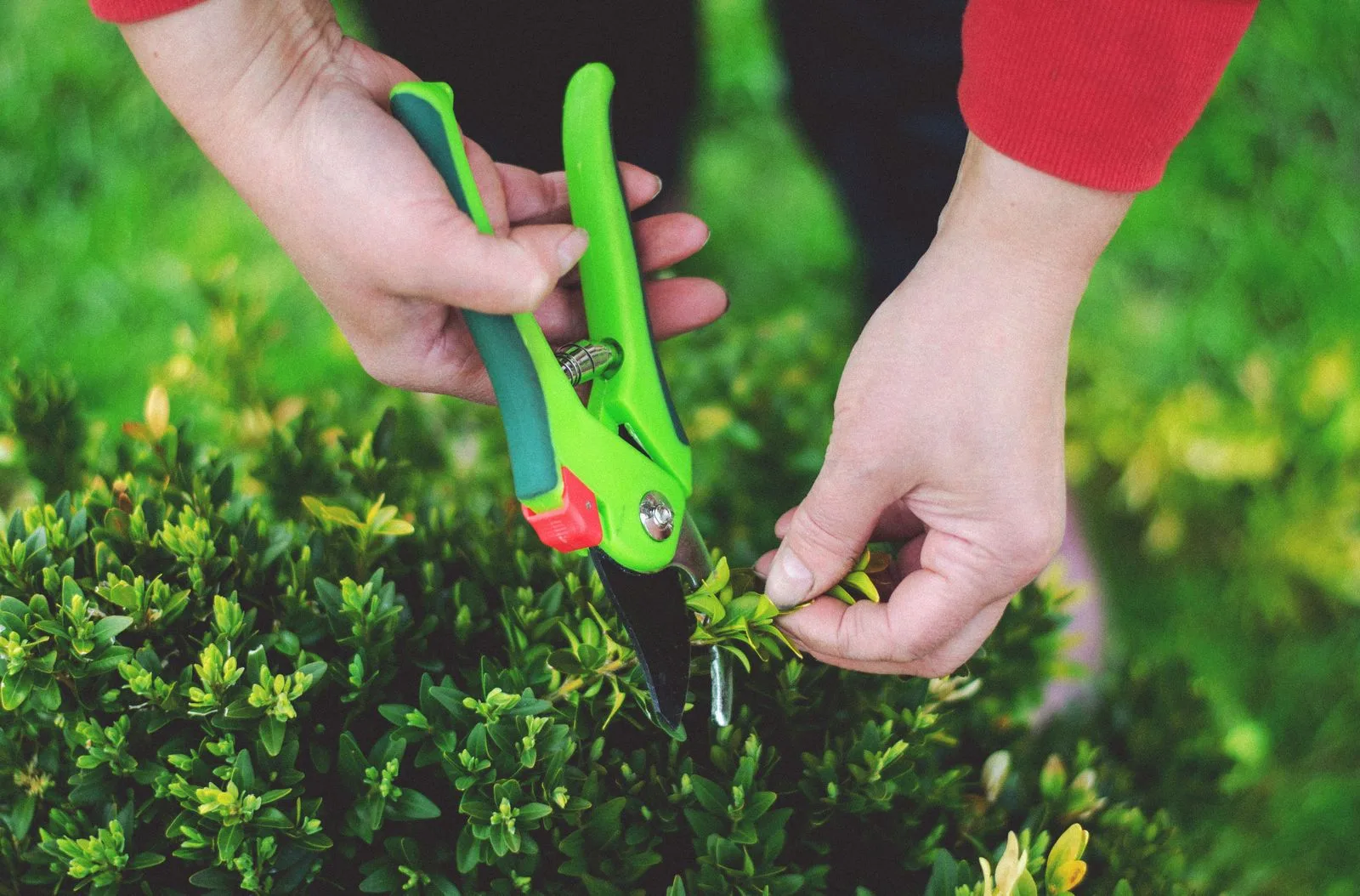
The shortlist supports that modest job: readable markers keep the cultivar and season record clear, while small-stem snips can help clip a ready fruit's stem where finger picking would tear it. Use them only where the stem cuts comfortably. Compare dimensions and handling fit. Neither item changes how much suitable growing weather the fruit has left.
Identify which wood carries the crop you are watching
Maryland distinguishes an earlier breba crop on the previous year's wood from the main crop on current-season growth. Its typical main harvest runs from late summer toward frost. Some cultivars carry both, and pruning or winter injury changes what remains available. Maryland's fig harvest explanation. Treat its seasonal dates as regional context, not a schedule for every fig garden.
Follow the fruiting branch toward the trunk and identify where the recent shoot began. Mark that point on your photograph. If you pruned the tree hard or it regrew after winter damage, record that too. A late crop on new regrowth is a different starting situation from an established framework that began growing promptly in spring.
Do not call every small fig an early crop or every large fig a main crop. Size alone does not identify the wood or the time of initiation. Where the nursery name is uncertain, retain the original label and ask the supplier about crop behavior. A familiar-sounding cultivar name should not replace observations of the actual plant.
Keep the UK autumn rule within its climatic setting
The RHS describes a UK outdoor cycle in which tiny fruitlets survive winter at shoot tips and enlarge the following season. Larger figs that formed during the current season often remain hard because the cool season is too short; the RHS advises removing those unripe larger fruits in mid-autumn while retaining the tiny embryos for the next crop. RHS explains the two groups.
That recommendation addresses a different dependable crop from many warmer gardens, where current-season fruit is the main harvest. Therefore, do not remove a developing main crop merely because a UK calendar says autumn cleanup. Match advice to the crop your climate can mature, the plant's actual progress and the conditions still available.
For an outdoor UK fig, identify the two size groups carefully before removing anything. For a warmer site with fruit already softening, keep inspecting the active crop. For an uncertain marginal site, photograph both groups and seek local advice. The sensible decision may be different for two figs photographed on the same date in different regions.
Use several ripeness clues and learn the cultivar's color
Figs vary widely in mature skin color. Florida IFAS describes cultivars with green, yellow, bronze, purple and darker fruit, so a green skin is not universal evidence of immaturity. Its cultivar information also shows why regional ripening descriptions and fruit characteristics matter. Florida IFAS fig types and cultivars. Use the expected color of your named cultivar alongside texture and recent change.
A fig entering ripeness should be evaluated more frequently than one that remains hard and unchanged. Support the fruit gently and check for yielding flesh without pinching repeatedly in the same place. Notice whether its neck and hanging position change as it softens. Compare one sound, ready-looking fruit with your records instead of testing the whole crop roughly.
When you pick a representative fruit, examine and taste it after washing, then connect that result to the stage you observed on the branch. If the flavor and texture are disappointing, record whether it was still firm, injured or otherwise unusual. One sampled fruit helps refine picking judgment; it cannot establish that every fruit or the entire cultivar is unsuitable.
Distinguish a short ripening window from a stressed plant
Write down when this crop first became visible, when it began noticeably enlarging and whether any fruits have softened. Add the approximate end of reliable warm growing conditions from your local experience or regional guidance. Avoid converting that note into a guaranteed countdown. A general number of days cannot account for every cultivar, weather pattern and start date.
Maryland lists winter-killed stems, unsuitable cultivars, insufficient sun, drought, excess fertilizer, heat stress, short seasons and crowded branches among reasons figs may fail to develop or ripen. Its harvest-failure checklist provides a starting diagnosis. The practical next step is to identify evidence for a cause, rather than applying several treatments to every hard crop.
For example, a tree that regrew from low down after freezing has a visible explanation for a later start. A tree with a preserved framework but increasingly shaded branches needs a different review. Check watering delivery where the roots are actually growing. Compare what changed this season before assuming that the answer is a different fertilizer or a larger pot.
Avoid a rescue operation that creates another delay
Keep ordinary care consistent while you investigate. Check the soil or container medium before changing watering, verify that drainage works, and review the existing feeding record. Do not turn disappointment with the crop into a sudden package of heavy feeding, root cutting and canopy reduction. Multiple changes obscure which condition mattered and leave no clear basis for next season.
NC State warns that excessive nitrogen can encourage late succulent growth and contribute to poor fruiting performance. It also notes that recovery after cold injury delays fruiting until new growth develops. NC State's fig culture guidance. These observations support reviewing vigor and winter history; they do not establish a universal remedy for every tree with green figs.
If the canopy needs restructuring, record the specific branch conflict and schedule an appropriate pruning plan. Consider the fruiting wood that would be lost before shortening every shoot. For the mechanics of larger necessary cuts, consult branch-collar pruning guidance. Routine late-fruit assessment should not become an unplanned major renovation.
Choose what to retain when the season is closing
Make three decisions separately: fruit still progressing toward ripeness, large fruit that has stalled beyond the local useful window, and any tiny overwintering fruitlets that your regional system relies on. Do not mix all three into one cleanup instruction. Walk the plant branch by branch and use the observations you made earlier in the season.
Where the RHS outdoor UK pattern applies, retaining the tiny fruitlets also means retaining suitable shoots that carry them. Removing all shoot tips during cleanup defeats that next-season purpose. RHS fig pruning and crop guidance. Where a main crop is still advancing in suitable weather, removal needs a different justification than simply being later than an overseas calendar.
If damaging cold is imminent, harvest fruit that has reached a usable stage and accept that hard immature fruit may not become the fresh crop you wanted. Check your first-frost plan for the wider garden. Make any container movement according to the established container fig care plan, including the plant's stage and the destination's conditions.
Separate ripe-fruit handling from hopes for hard fruit
Maryland explicitly says hard green figs do not ripen after picking, while fruit that has already begun coloring and softening can continue to soften and sweeten. Maryland's distinction between immature and ripening fruit. For fresh eating, aim for the appropriate ready stage on the tree rather than treating every picked fig as equally capable of finishing indoors.
NC State emphasizes the short life of ripe figs, particularly in damp conditions, and advises prompt use or brief cool storage. It notes that the milky latex can irritate sensitive skin. NC State on fig harvesting and handling. Use gloves when handling cut or latex-producing parts, support delicate fruit, and keep it separate from split, sour or moldy material.
Plan a small harvest around an actual use. Have a shallow container ready and avoid layering fragile fruit deeply while you continue garden work. If animals are taking ripe figs, examine the pattern before installing protection; inspectable fruit covers explain access and wildlife considerations. Protection can preserve ripe fruit, but it does not solve inadequate ripening time.
Use the year's outcome to make one clear change
At season's end, record the first useful picking, the final useful picking and what remained hard. Include whether the productive wood survived the previous winter. These observations distinguish a cultivar that reliably finishes only one crop from a plant that merely forms many fruitlets. Keep survival, vegetative growth and usable harvest as separate results.
If no fruit ever matures despite otherwise suitable conditions, confirm the fig's fruiting type. Common-type figs develop without pollination, while Smyrna and San Pedro types have different requirements. Florida IFAS explains those distinctions. Its fig fruit-type account. Do not assume another ordinary fig tree will provide whatever a wrongly selected type needs.
Choose the next change from the evidence: a better-exposed position, a pruning plan that retains the useful crop, improved watering checks or a locally proven earlier cultivar. Keep that decision modest enough to evaluate. A tree with fewer visible fruits but a dependable ripe harvest may serve your garden better than a dramatic late display that never reaches the plate.
Sources & further reading
We favor university extension guidance and original product documentation. Linked sources support the specific facts cited; they do not endorse Garden Gear Atlas.
- University of Maryland Extension: Growing figs in Maryland
- RHS: Fig pruning and training
- University of Florida IFAS: The fig
- NC State Extension: Fig culture in North Carolina
_in_Southern_France.JPG)