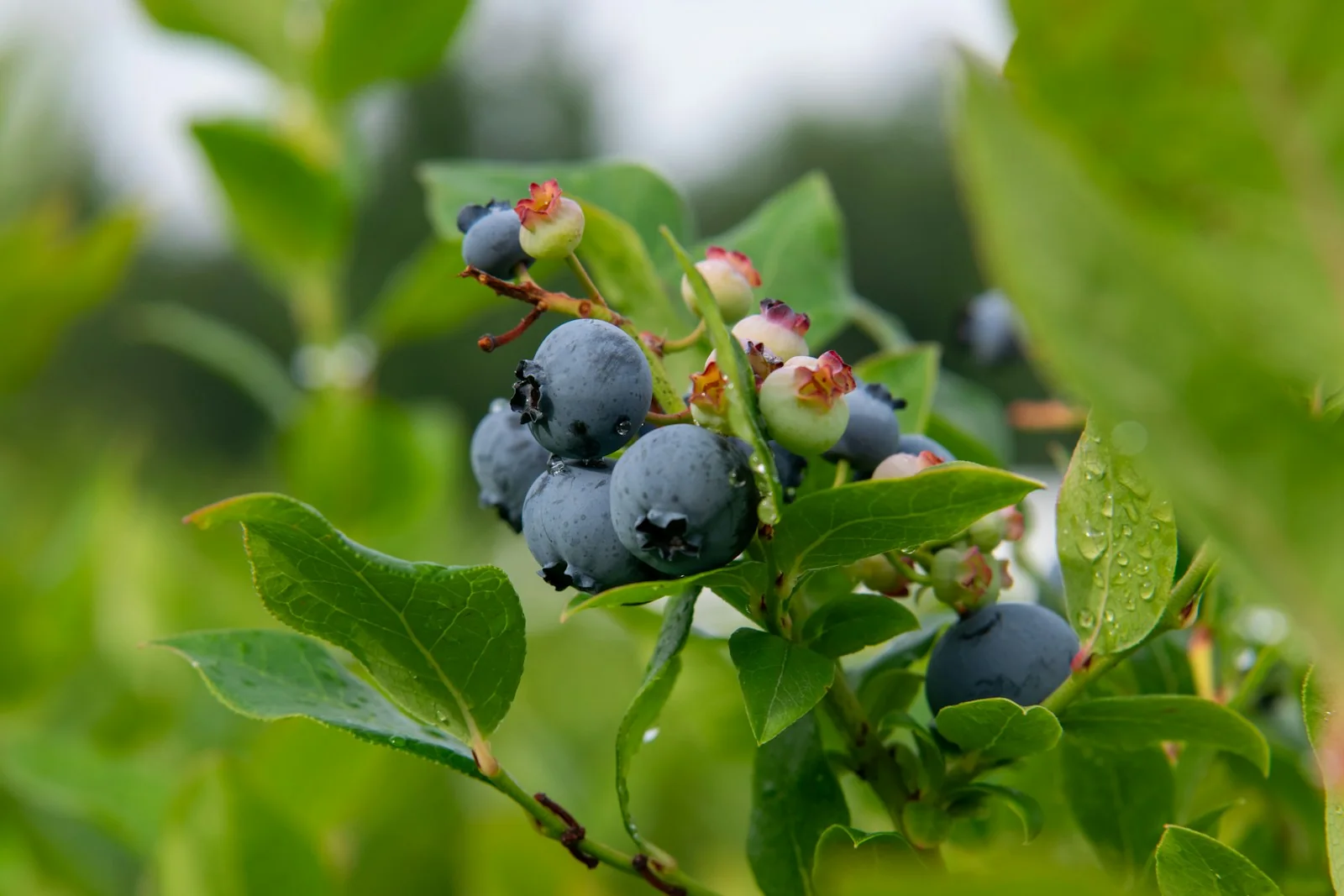
Confirm what is taking the fruit and how much matters
Watch the planting before buying a barrier. Note whether birds are feeding, berries are missing whole, fruit is pecked, or damaged berries remain on the plant. Other animals, insects, and deteriorating fruit can create different problems. A barrier selected for birds may not solve them. Photograph the damage and observe at more than one time of day rather than attributing every lost berry to the most visible visitor.
University of California IPM emphasizes identifying the damaging bird and monitoring activity before selecting management. Its tree-fruit and vine guidance provides that starting point. Use the identification and observation advice here; control regulations and other methods discussed in that California publication should not be copied into a different location. This guide focuses on physical crop protection that can be inspected and removed.
Decide how much fruit you need to protect. If the household wants a bowl of berries, protecting one reachable section may be more manageable than enclosing every plant. Record which part you intend to harvest and which can remain available to wildlife. This is a practical allocation of space and effort, not a promise that birds will choose the unprotected fruit and ignore gaps in the covered section.
Choose material with entanglement risk in mind
Avoid choosing solely from a package labeled bird netting. Ask for the opening size at full stretch, strand construction, and intended use. Large loose openings can entangle wildlife, especially when the material sags around branches or lies on the ground. Agriculture Victoria explains that household fruit netting there must have openings no greater than 5 by 5 millimeters at full stretch. Its Harvest Without Harm guidance explains the specification and rationale.
That dimension is a Victorian household rule and a useful conservative material reference; it is not a claim that the same law applies everywhere. Check local requirements and obtain the actual product specification. The material and installation work together, so a small opening does not justify leaving loose folds or abandoning inspections. Avoid descriptions such as completely wildlife-proof when the system still depends on fit, maintenance, and the animals present.
Compare enough material to cover a measured frame with a smaller cheaper piece that would need to be stretched beyond its intended fit. Include the sides and access opening in the calculation. If a supplier provides only overall dimensions and no mesh information, ask before buying. A clearly specified product is more useful than guessing from an online image or assuming every fine-looking fabric has the same openings and durability.
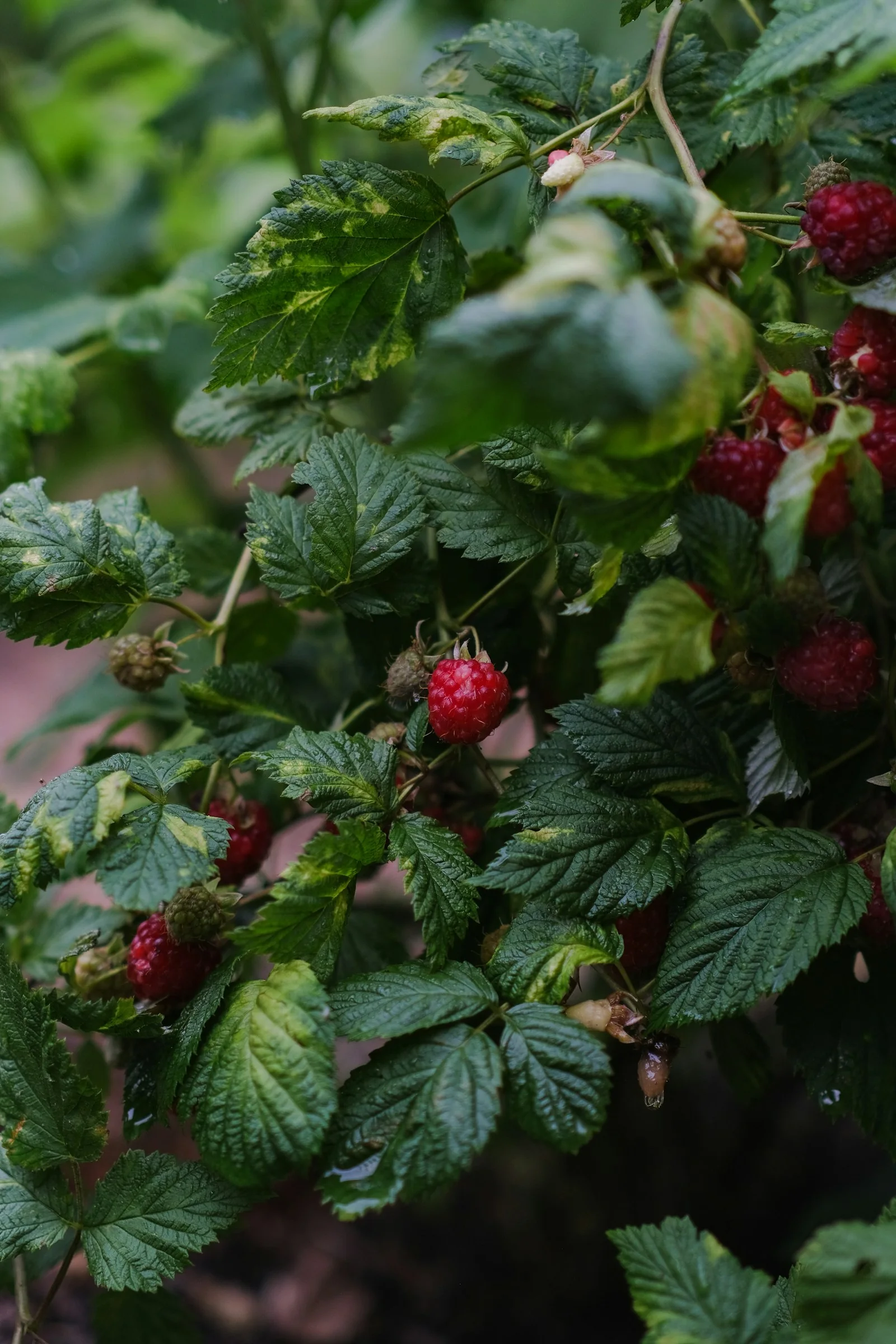
Make a frame that leaves fruit and wildlife clear
Support the covering so it remains away from the fruiting canopy where possible. Measure the plant at its current size and allow for growth during the protected period. A berry pressed against the enclosure can remain accessible from outside, and branches rubbing the covering make it harder to maintain a taut fit. Check that the selected frame can remain stable under the conditions where it will be used.
Design a clear entrance that opens without dropping a loose curtain into the planting. Close it after every visit, and secure the lower edges according to the enclosure design so animals cannot enter beneath them. Keep surplus material contained, rather than leaving loops beside the base. Victoria's wildlife guidance warns against loosely thrown netting and recommends daily inspections and prompt removal after the crop is harvested. Its fruit-tree page explains these handling priorities.
For a worked layout, protect two pots inside a frame you can walk around rather than wrapping each shrub in multiple overlapping pieces. Place the door where you naturally approach with a picking bowl. Check every edge from outside and then inspect the interior before closing it. If your design has hidden pockets that cannot be checked without dismantling it, simplify it before fruit begins to ripen.
Time protection around flowering and the actual crop
Plan the installation date from the plant's stage and observed bird pressure. Fruit protection usually becomes relevant as berries approach the vulnerable ripening period, while insect-excluding covers can interfere with access during flowering. Minnesota discusses grape flowering separately from bird feeding on ripening fruit. Its grape guide illustrates why those stages need different access. Apply the same stage-based question to your berry crop using its own pollination requirements.
Do not assume one covering can serve every goal at once. A mesh chosen to reduce wildlife entanglement may not exclude a particular tiny insect, and an insect barrier may alter airflow or pollinator access. Define the target problem before comparing products. If your planting flowers and ripens over an overlapping period, consider a design or limited coverage that preserves the needed flower access rather than sealing the entire area automatically.
Install the frame early enough to discover awkward dimensions, then add and manage the cover when appropriate. Before final closure, inspect the interior so no animal is enclosed accidentally. A routine tied to plant stage is more dependable than a fixed month copied from another climate. Write the chosen trigger in your notes, such as the beginning of susceptible fruit development plus confirmed local bird activity.
Inspect daily and treat maintenance as part of protection
Walk around the enclosure daily while it is in use, and recheck after wind, a fallen branch, or heavy garden activity nearby. Look at seams, ground edges, door fastenings, loose loops, and places where growing shoots push against the material. Inspect inside as well as outside. The goal is to catch both damage to the crop barrier and conditions that could trap or entangle an animal.
If an animal is caught, keep pets and bystanders away and contact an appropriate local wildlife rescue service promptly. Follow their instructions rather than pulling on the animal or cutting blindly through a tangled bundle. A frightened animal and a loaded net can both move unpredictably. Keep the rescue contact with the garden's other practical information so you do not need to search for it while an animal is struggling.
Give anyone harvesting the same opening and closing routine. A perfectly fitted enclosure left open after picking is not functioning as designed. Keep the entrance easy to operate, and avoid fastening systems that require tools for each handful of berries. If daily inspection is not realistic during an absence, arrange a capable helper or remove the covering and accept the temporary crop exposure.
Remove, clean, and reassess after the harvest
Take protection down when its job is finished. Check for wildlife before gathering the material, then fold or roll it so it does not become a loose hazard in storage. Clean and dry it according to the manufacturer's instructions, inspect for damage, and label its intended frame. Disposal also deserves care: abandoned or poorly contained netting can remain an entanglement risk after leaving the garden.
Record the result in useful terms: whether fruit was reached, where gaps appeared, whether inspection was easy, and how often maintenance was needed. Do not describe an apparently undamaged crop as proof that a particular material is harmless to all wildlife. The relevant success is an observed season with a functioning cover and a manageable inspection routine, along with any faults you identified and corrected.
If the system was burdensome, reduce the protected area next season. Bags or sleeves around selected accessible clusters may be worth evaluating for the crop, provided their fit, ventilation, and maintenance are suitable. A smaller well-managed system can match a modest household harvest better than a large enclosure nobody can inspect. Choose protection by the work you can sustain through ripening, not simply by the number of plants you own.
Sources & further reading
We favor university extension guidance and original product documentation. Linked sources support the specific facts cited; they do not endorse Garden Gear Atlas.
- University of California IPM: Birds on tree fruits and vines
- Agriculture Victoria: Use of fruit netting, harvest without harm
- Victoria Department of Energy, Environment and Climate Action: Wildlife and fruit trees
- University of Minnesota Extension: Growing grapes