Identify the crop history before reaching for pruners
Start with the nursery label, planting record, or photographs of the previous harvest. Write down whether fruit appeared on new canes late in the season or on canes that had already survived winter. Harvest month alone can mislead because cultivar and location shift the calendar. A label saying everbearing usually describes the ability to use two cane ages; it does not mean every cane fruits continuously.
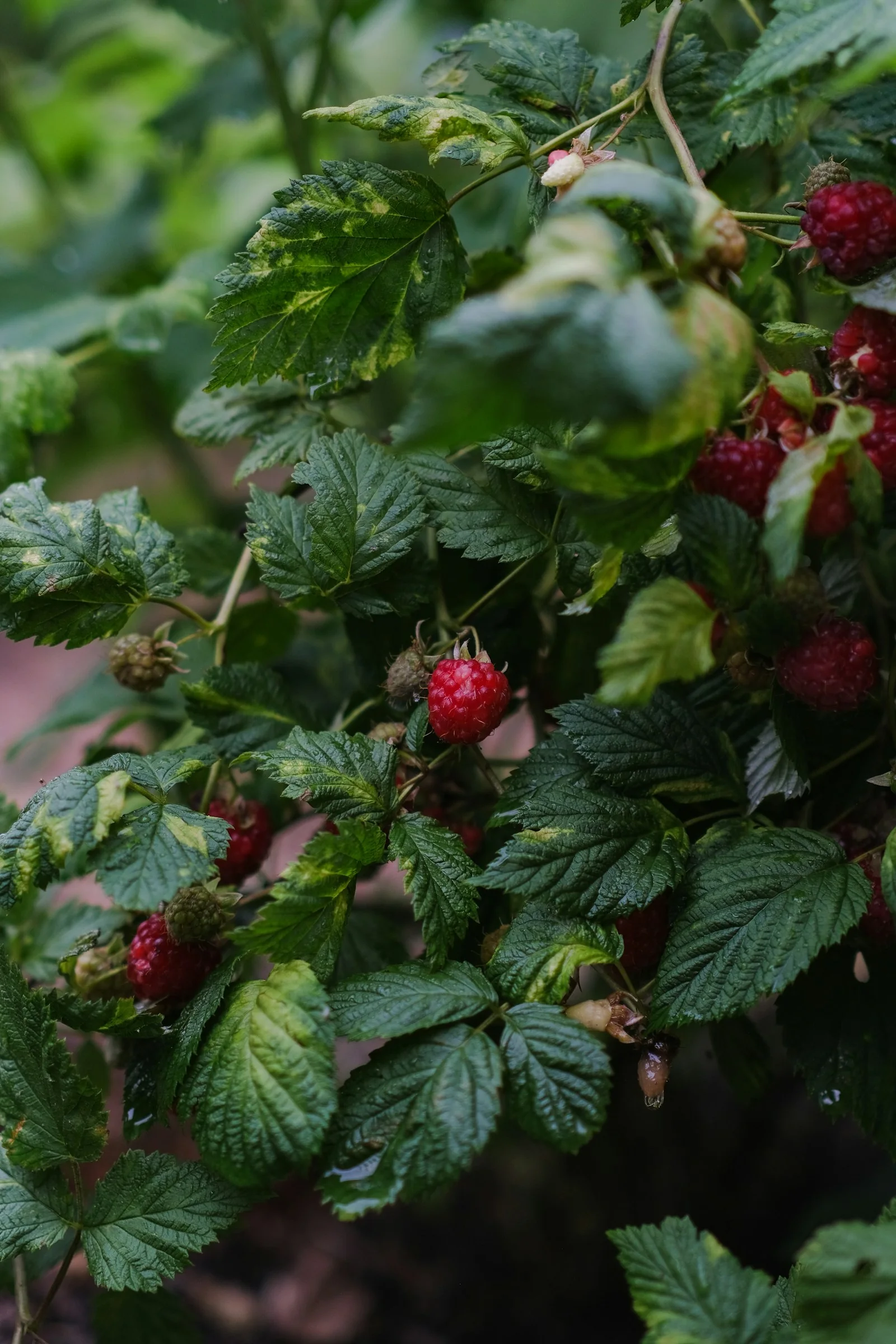
Raspberry roots and crowns persist, but an individual cane follows a shorter cycle. New growth is called a primocane; after overwintering it becomes a floricane. Summer-bearing raspberries fruit on floricanes, which then die. Primocane-fruiting types also fruit near the upper part of new canes. Minnesota explains the cane stages and crop types. Understanding that sequence is what prevents an enthusiastic cleanup from removing the next crop.
If the patch is unidentified, do not guess by cane color alone. Photograph and loosely mark a few representative canes, remove clearly dead or broken material, and observe where fruit appears through a growing season. Keep markers loose and inspect them as stems expand. One observation season can establish a useful pruning record; cutting everything to the ground first may erase both the evidence and an upcoming summer harvest.
For summer-bearing plants, separate spent canes from replacements
After a cane has finished its summer crop, trace it to the base before cutting. Fruit laterals and old cluster remains help identify the used cane. Follow the local pruning timetable for your type and remove spent canes near ground level without damaging the crown. Meanwhile, preserve suitable new canes growing among them: these are the candidates for next summer's fruit, even though they have contributed nothing to this year's picking bowl.
Work through a small section from one end of the row, rather than cutting whichever stem catches your eye. Lay removed canes outside the row as you go so they cannot be mistaken for standing growth. Once the obvious spent canes are gone, assess crowding and damaged replacements. A second pass is easier to judge when the old framework no longer hides the plants you intend to keep.
Maryland's bramble guidance distinguishes first-year shoots from the second-year canes that die after fruiting. Its life-cycle explanation supports selective removal. For a practical check, point to each retained cane and explain its job: next year's crop, a needed replacement, or uncertain growth being observed. If you cannot explain why a cane remains, investigate it before either preserving a tangle or making an irreversible cut.
Choose fall-only pruning when the later crop fits your season
For a confirmed primocane-fruiting red or yellow raspberry, a fall-only system removes all canes at ground level during dormancy. New canes then provide the later crop. Minnesota's commercial raspberry guidance describes dormant cutting in late fall or early spring and notes the simplicity of this system. Its pruning guide also explains the extra work involved in retaining a summer crop.
The convenient pruning routine is only useful if the cultivar's later fruit can ripen in your location. Ask about local performance before relying on a generic autumn harvest description. If frost regularly arrives while your berries are still developing, repeatedly using the same system will not change the length of the season. Compare a locally earlier primocane cultivar or a summer-bearing planting rather than assuming a calendar adjustment will solve it.
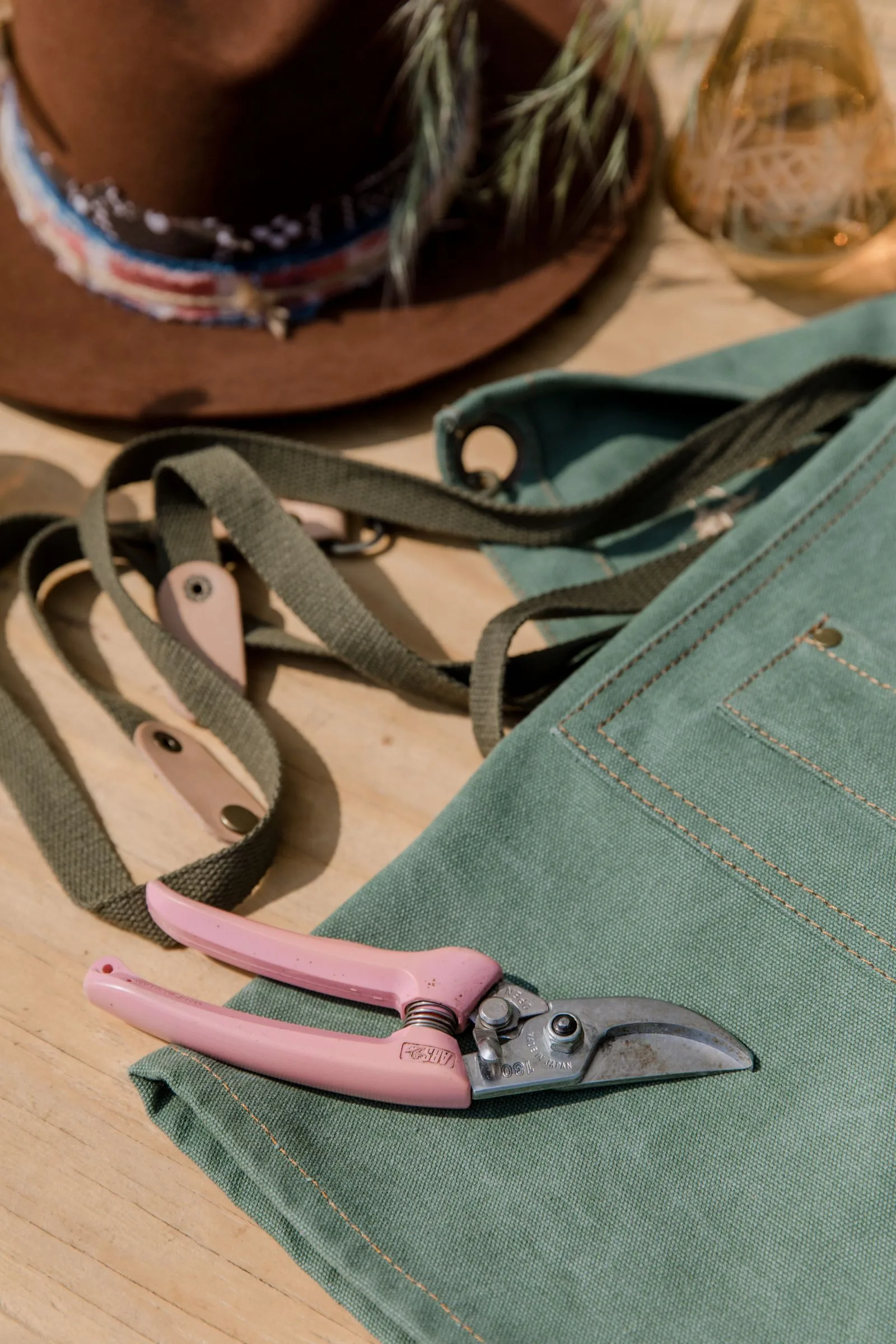
Before cutting, move drip tubing, low support twine, labels, and other equipment out of the cutting path. In a small garden, hand pruners may give more control than trying to use mowing equipment around closely spaced obstacles. Remove the cut canes so you can see new growth clearly when it emerges. Photograph the cleared row and record the method; future helpers need to know this was an intentional fall-only choice.
Keep a second crop only when you want the added work
With a primocane-fruiting variety, the lower portion of a cane that fruited at its tip can produce a summer crop after overwintering. That means a two-crop system requires selective pruning: remove the spent upper part and retain suitable lower cane, then remove that cane once its summer crop is finished. At the same time, new canes are developing the later crop. Oregon State describes these alternative systems.
Use the visible end of the previous fruiting area and local cultivar guidance to identify the cut. Do not copy a fixed height without checking where your cane actually fruited. An old tip and a damaged whole cane require different decisions. If the lower cane is clearly dead or diseased, retaining it simply because the system calls for a summer crop does not create useful fruiting wood.
Try a worked choice based on your schedule: if you will be away through the early harvest but available later, preserving a summer crop adds work with little benefit to you. If you value small pickings across two periods and can maintain the row, selective retention may be worthwhile. Two harvest windows should not be advertised as an automatic increase in total yield. The point is to choose the pattern you can use and manage.
Check the raspberry group before borrowing a technique
Black and purple raspberries are not simply red raspberries with different-colored fruit. Their growth habit and pruning approach differ, including the role of summer tipping and lateral management. Oregon State explicitly treats blackcaps differently from summer-bearing red and yellow raspberries. Keep those instructions separate in your notes rather than applying a fall-only red-raspberry routine to every bramble in the garden.
Likewise, do not transfer a blackberry tipping height to your raspberry row because both use canes and a trellis. Attach a durable label to each planting group and keep mixed cultivars identifiable. If roots and suckers have spread across the original boundaries, draw the uncertain area and watch its fruiting pattern. A tidy row label is useful only if you still know which plants belong behind it.
Think about access while thinning. You need to see cane bases, tuck replacement growth into supports, and reach fruit without repeatedly stepping into the root zone. Start with a regional recommendation for row width and retained cane spacing for your particular type. Then compare that recommendation with the space the mature row actually occupies. Avoid turning a published commercial density into a precise prescription for an unidentified garden patch.
Leave a pruning record that makes next season simpler
At the end of the job, write three things on your garden plan: the raspberry type, the chosen crop system, and which growth should fruit next. Record any uncertainty separately. That is more helpful than a note saying pruned raspberries, which gives no clue whether the removed canes were spent floricanes or the entire dormant planting.
Keep a photograph from the same end of the row after pruning and during harvest. Use it to evaluate whether the support height, row width, and picking route worked. If canes repeatedly break when pulled out, remove them in shorter pieces and reconsider how they were tied. If the row becomes inaccessible by midsummer, intervene while new growth is still manageable instead of waiting for another crowded dormant cleanup.
Finally, compare the harvest with the decision you made. A missed summer crop after fall-only pruning is expected; a missed summer crop after mistakenly removing all summer-bearing canes is a diagnostic clue. Use that distinction to correct the routine. An orderly cane-age record lets you improve the planting without interpreting every quiet harvest season as a need for more fertilizer or replacement plants.
Sources & further reading
We favor university extension guidance and original product documentation. Linked sources support the specific facts cited; they do not endorse Garden Gear Atlas.
- University of Minnesota Extension: Growing raspberries
- University of Maryland Extension: Growing raspberries and blackberries
- University of Minnesota Extension: Pruning and training raspberries
- Oregon State Extension: Growing raspberries