Begin with the fruit you can grow and use
List the fruit species you want, the space available, and the harvest you would use. Then ask a regional extension source which types and cultivars have a realistic record in your climate. Winter survival, spring bloom exposure, summer heat, ripening season, and local disease pressure all matter. A nursery's broad hardiness range is useful information, but it does not answer every question about cropping at your address.
Choose a use before ranking fruit descriptions. A cultivar suited to fresh eating soon after picking may be a different choice from one selected for cooking or storage. Think about when you are home to harvest, how much fruit you can process, and whether you can reach the mature canopy. An enticing flavor description is only one part of a long-lived plant purchase.
For a practical shortlist, compare three documented options and leave any unknown field visibly blank. Do not fill missing information with assumptions from another cultivar that has a similar name. Ask the nursery to confirm the identity and planting requirements in writing. If it cannot explain what is being sold, choose a more clearly documented plant rather than spending several seasons discovering the answer through trial and error.
Check compatibility and bloom overlap separately
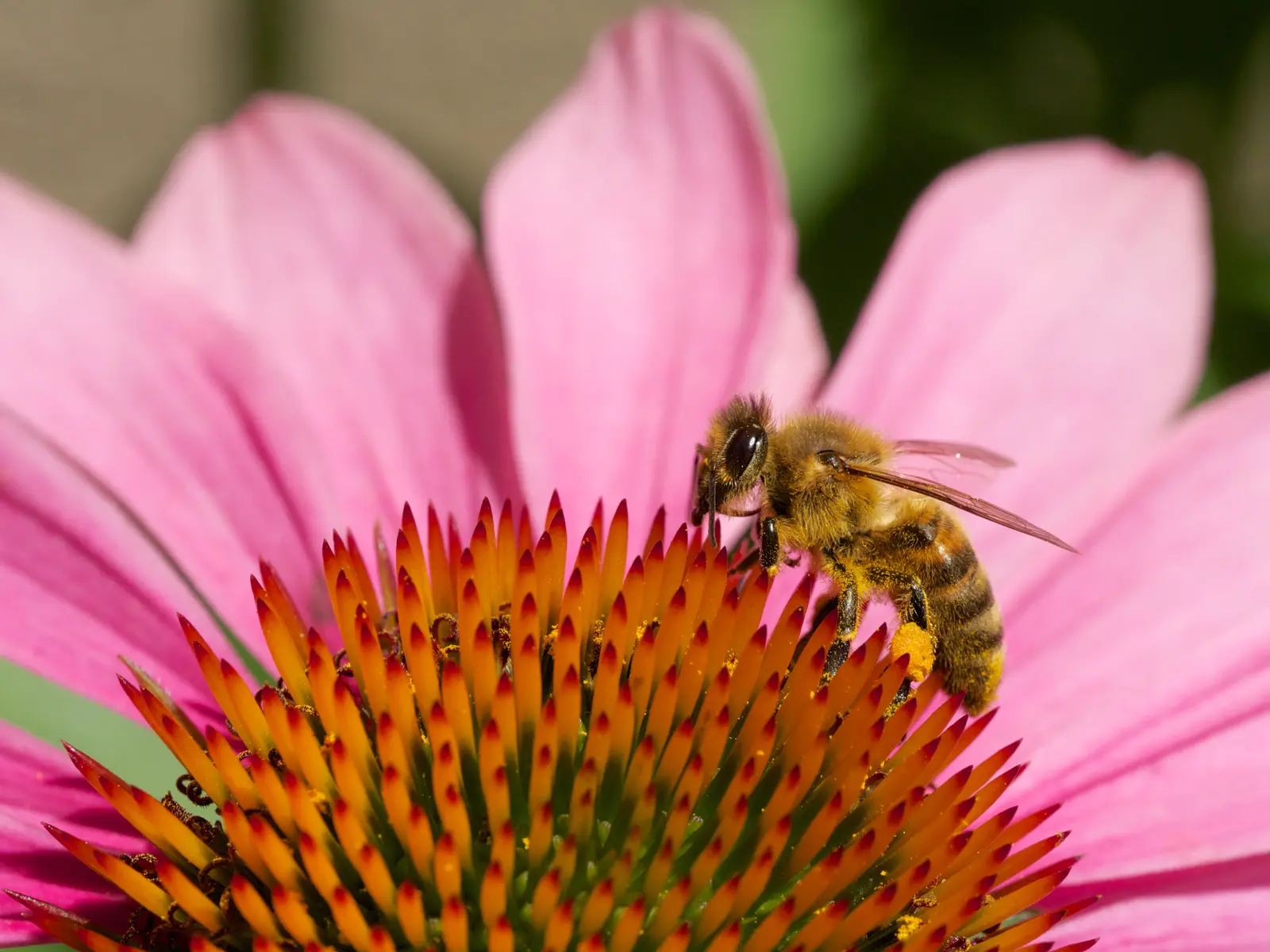
Determine whether your chosen species and cultivar need a different compatible pollen source. Washington State's tree-fruit guidance describes cross-pollination requirements and exceptions among apples, pears, cherries, plums, and other fruits. Its pollination page includes crop-specific compatibility information. Do not convert the convenient phrase fruit trees need two trees into a rule for every species, or assume that a self-fruitful label means insects and flowering conditions no longer matter.
Check two things for any proposed pairing: can the cultivars cross successfully, and do they flower together locally? A tree's harvest month does not establish its bloom period. Two cultivars can ripen at very different times yet bloom together, while two attractive purchases can fail to provide a useful flowering overlap. Some cultivars are poor pollen donors, so a simple count of two plants is not enough.
Draw arrows on your plan showing which tree is expected to supply pollen to each other tree. This is a decision aid, not a prediction of bee behavior. If a neighbor's tree is the intended source, establish its identity and overlapping bloom rather than relying on an unidentified fruit tree beyond the fence. Consider what you would do if that tree were removed before your own planting reaches useful production.
Ask what is below the graft
Many nursery fruit trees combine a fruiting cultivar, called the scion, with a separate rootstock. The rootstock can influence size, early bearing, disease response, and cold hardiness. Washington State explains the jobs of scion and rootstock. Record the exact combination. A familiar fruit name on a tag tells you much less about the eventual tree than the same name paired with a documented rootstock.
Ask how that combination behaves in your region and soil. Dwarf and semi-dwarf are broad descriptions rather than precise dimensions shared across every fruit species. The same category can include trees with different anchorage and support needs. A compact crown is useful only if the rootstock also fits the site and you can maintain whatever permanent support the tree needs.
Compare two nursery offers for the same apple cultivar: one identifies its rootstock and support requirements, while the other says only patio tree. The first may be the clearer purchase even if its initial price is higher. You can plan space, support, and maintenance from documented information. The second still requires clarification; its marketing label cannot be treated as an engineering or horticultural specification.
Fit mature trees and supports into the whole garden
Use mature dimensions for the actual cultivar-rootstock combination and intended training system to place trees. Include access to prune, thin, harvest, and inspect. Minnesota emphasizes rootstock selection where apple-growing space is limited and distinguishes the support requirements of common rootstocks. Its apple guide shows how the below-ground choice affects the garden above it. Regional size estimates are starting points, not exact guarantees.
Mark mature canopy outlines on a plan instead of arranging only trunk dots. Then add a path for carrying harvested fruit and reaching any support posts. Consider the shade cast on existing beds and the clearance from buildings or boundaries. A spacing calculator can turn chosen dimensions into a grid, but it cannot choose biologically appropriate spacing or account automatically for an espalier, sloping site, or irregular canopy.
Price the support before buying a tree that depends on it. Include stakes or a trellis, suitable ties, installation, and future inspection. Do not assume all staking is temporary. If a permanent support is unattractive or impractical in the planned location, reconsider the rootstock or location. That is a purchasing decision to settle early, rather than an optional accessory to debate after the first heavy crop leans the tree.
Compare the order as a complete planting system
Build one line per tree containing species, scion, rootstock, flowering partner, likely mature size, support, shipping form, and intended location. Add the regional source used to verify suitability. This small order sheet makes incompatibilities visible before payment. A missing pollination partner or an unspecified rootstock should stand out just as clearly as a missing delivery address.
Iowa State notes that bare-root nursery orders often offer a wider cultivar choice, while local container stock may have more limited cultivar or rootstock options. Its apple-growing guidance explains those purchasing tradeoffs. The better option depends on how much choice you need and whether you can handle the plant appropriately when it arrives. A bargain is less useful if delivery occurs when the site cannot be prepared or planted.
For a two-tree project, compare the entire cost and footprint of both trees, not the price of the preferred cultivar alone. Include the second tree's fruit use and maintenance. If only one tree truly fits, investigate a documented self-fruitful option or a confirmed existing pollen source for the selected crop. Avoid solving a space problem by simply omitting a required partner from an otherwise attractive shopping list.
Verify the plants when they arrive
Match each label to the order sheet before planting or removing packaging. Check that cultivar and rootstock information agree with the invoice, and keep a durable record of both. Inspect roots and trunk condition promptly within the nursery's reporting window. Photograph any discrepancy and contact the supplier while the plant can still be identified. A permanent planting should not begin with an unexplained substitute.
Locate the graft and follow planting-depth instructions for the exact tree. Do not confuse the graft with the root flare or assume the nursery container's surface always marks the correct finished level. Have the appropriate support ready, protect roots from drying during the work, and label the planting location. If several similar dormant trees arrive together, finish one labeled placement at a time to avoid mixing them.
Revisit the pollination plan at the first flowering season. Record actual bloom overlap, insect visits, and any weather damage without expecting an immature tree to behave like a full-bearing orchard. Those observations can refine the plan, but they should build on a sound purchase. Choosing the right documented combination at the start gives later care a clear purpose and prevents avoidable replacement of trees that never fitted the site.
Sources & further reading
We favor university extension guidance and original product documentation. Linked sources support the specific facts cited; they do not endorse Garden Gear Atlas.
- Washington State University Tree Fruit: Pollination
- Washington State University Tree Fruit: Rootstocks
- University of Minnesota Extension: Growing apples
- Iowa State Extension: Growing apples in the home garden