Start with an established shrub and a reason to renew it
Use this guide for an established highbush blueberry whose canes can be followed individually. It is especially useful when the plant has become crowded, carries many short twigs, or has an uncertain pruning history. Establishment pruning for a newly purchased plant, lowbush field renovation and specialized warm-climate systems need their own instructions.
Write the cultivar beside a photograph of the dormant shrub. Note whether it made strong new shoots last summer and where fruit was difficult to reach. If you inherited it, write unknown age rather than estimating the planting year from height. Your first useful record starts with the wood you can identify now.
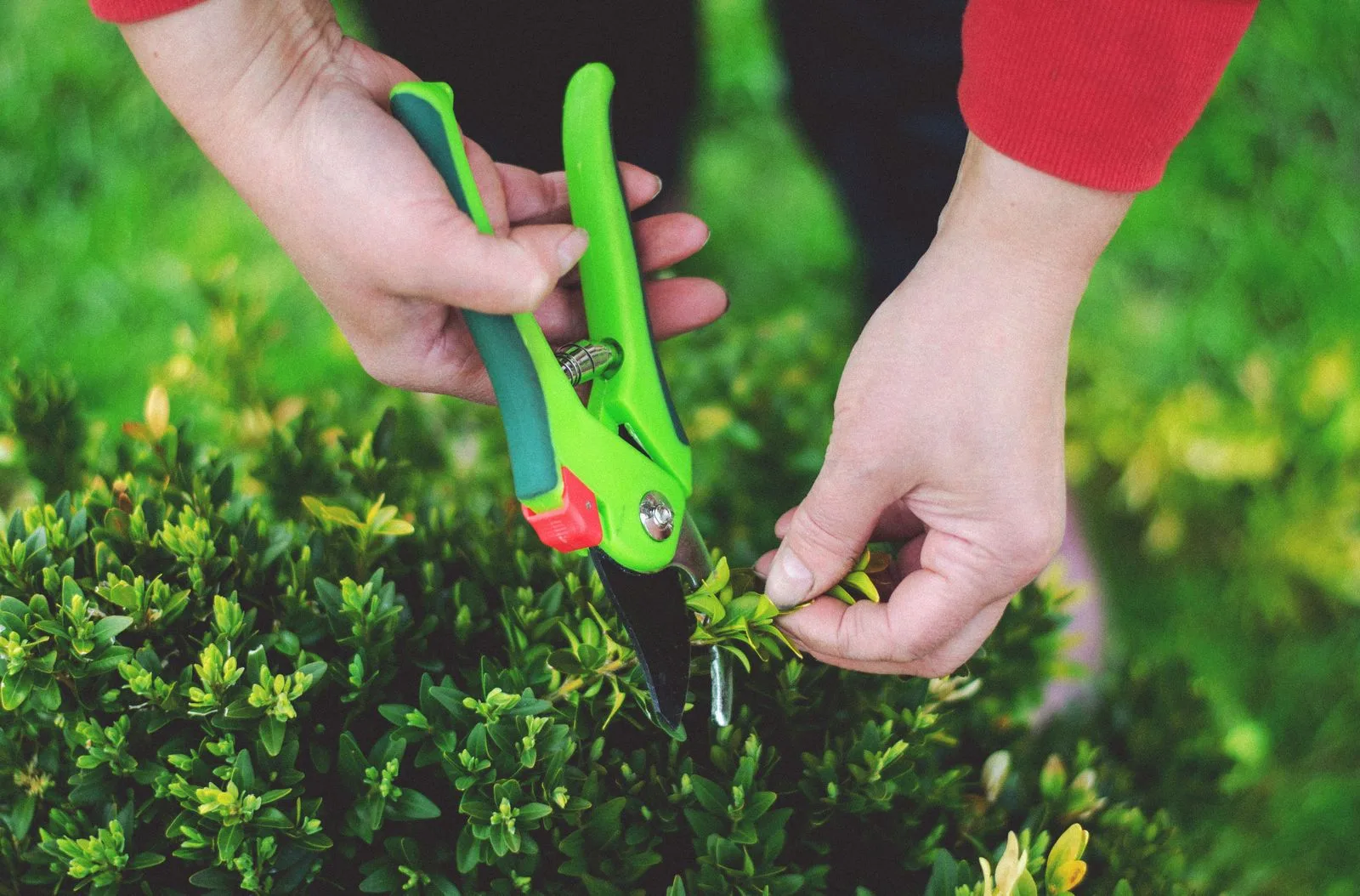
The shortlist pairs a FELCO 6 hand pruner for suitable small stems with a FELCO 211-50 bypass lopper for larger renewal cuts, plus markers for the record. Check hand fit and cutting specifications. A rated capacity is not a promise of a comfortable cut; position and effort still matter. The pruning equipment guide helps assess alternatives.
Separate the cane's age from the fruiting shoot's age
A cane is a main woody stem arising from the crown or framework. A lateral is a side shoot on that structure. Oregon State explains that blueberry flowers and fruit form on the previous season's growth, including laterals carried by older wood. Strong upright shoots, called whips, provide future replacement wood. Oregon State's blueberry growth and pruning guide.
This means a large old cane can carry young fruiting shoots at its ends. Conversely, a relatively young cane may have little worthwhile growth after damage or prolonged crowding. Before selecting any removal, follow it from the base to its branches. Ask what that one cut would remove: weak twigs, useful laterals, a replacement shoot, or all three.
Try the distinction on one easily reached branch before examining the whole bush. Point out its basal cane, a side branch and the most recent terminal extension. You do not need to assign every fork a birthday. You need enough structural understanding to predict what stays attached after the proposed cut.
Use bark as an age clue, then check the branching
UConn describes new stems as green to reddish, two-year wood as reddish to light brown, three-year stems as tending toward gray, and older canes as gray with possible flaking bark. It presents removal before stems become excessively old as a practical rule of thumb. UConn's blueberry pruning account. These descriptions help sort a bush, but color alone is not a precise dating instrument.
Place canes into three working groups: recent replacement growth, established canes with useful young branches, and older candidates with weak recent growth. For an unrecorded plant, label the groups provisionally. Differences in exposure, cultivar and the part of the stem you inspect can make an exact age claim less useful than this functional grouping.
Look along each older candidate for a strong younger shoot emerging low down. Then compare the crown around it: is another vigorous cane already occupying the same space, or would removing this one leave almost no framework on that side? Take a photograph before moving branches. A photograph preserves relationships that a loose pile of cut wood cannot show.
Read the buds before deciding the crop can be spared
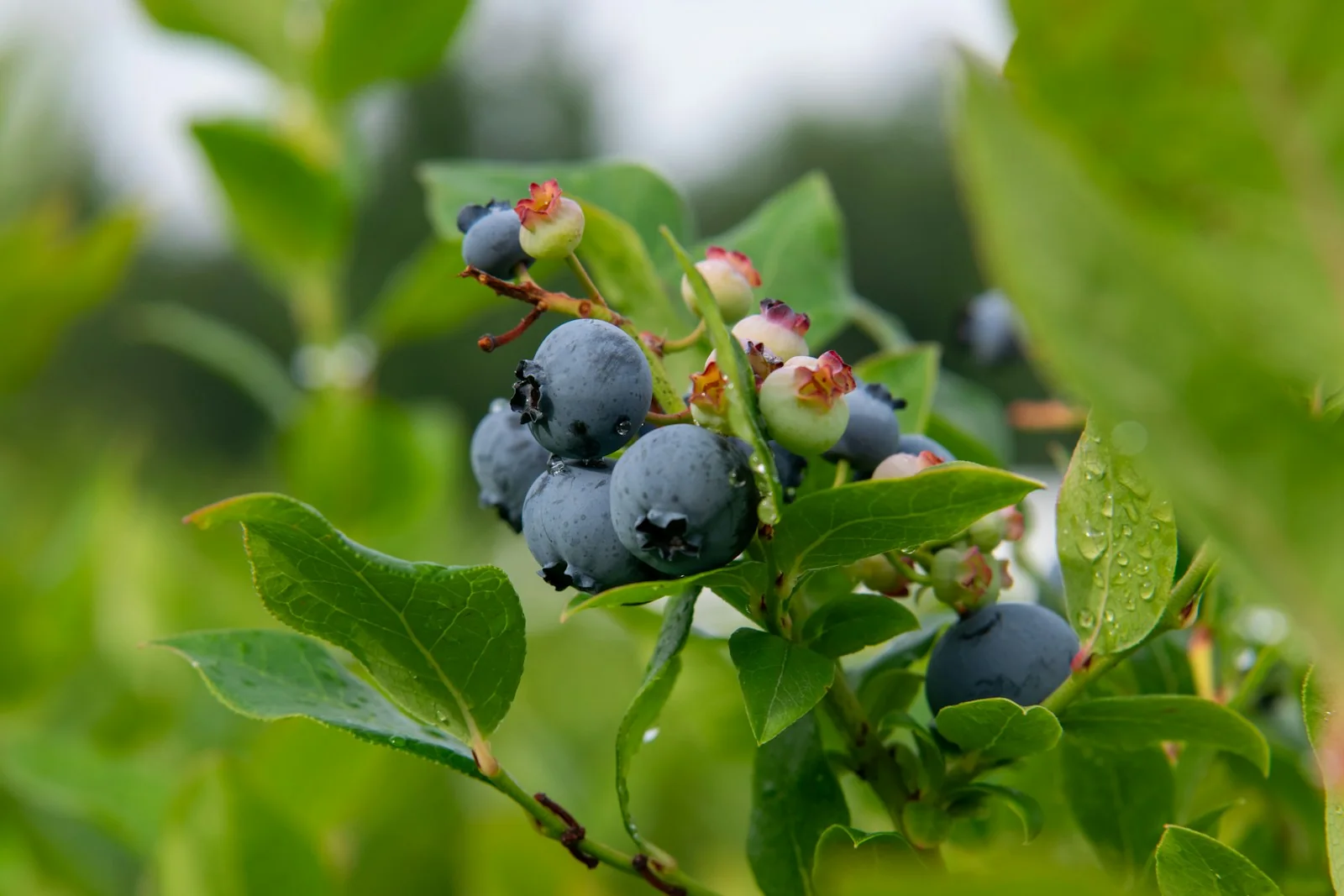
In winter, flower buds are noticeably plumper near the ends of last year's growth; smaller vegetative buds below them produce leafy shoots. Oregon State also distinguishes strong laterals from short, twiggy growth that supports poorer fruiting. Its illustrated pruning explanation identifies both buds and shoots. Inspect several examples in daylight before beginning a large cutback.
A shrub covered in flower buds can still have an inadequate replacement structure. Count useful growth as well as potential fruit. The practical question is whether the plant has space and retained wood for both the approaching crop and the growth that follows it. Removing all visibly bare young shoots because they lack many flower buds defeats that purpose.
Avoid making a level outline across the shrub as a substitute for inspection. Uniform shortening tells you little about which canes have become unproductive. If a branch genuinely blocks access, trace it inward and choose the specific removal needed. Keep a separate height-management note if the whole cultivar has outgrown its location.
Make the obvious removals before judging renewal candidates
Begin during the dormant period recommended for your region, before growth starts. Minnesota advises annual early-spring pruning and removal of old weak stems at ground level while preserving strong young growth. It also warns that overly aggressive pruning can greatly reduce the crop. Minnesota's home-blueberry pruning guidance. A date borrowed from a milder garden is less useful than the plant's stage.
Remove clearly dead or broken material first, then review branches that cross, rub or occupy an unusable low position. Keep proposed renewal canes in place until this first pass is complete. The bush may look substantially different when the obvious problems are gone, allowing a better judgment of what additional thinning is justified.
If discoloration or collapse suggests more than normal aging, photograph the affected area and inspect the rest of the cane. Do not assume all gray wood is dead or every weak shoot is merely old. Refer an unexplained spreading problem to a local diagnostic service, keeping disease decisions separate from the routine age-balancing task.
Choose an annual share of renewal, not a universal cane count
Published targets vary. The RHS describes a mature bush with young, middle-aged and old stems and suggests removing up to a quarter of the oldest thick stems. It allows cuts at the base or above a strong young shoot low on the cane. These are UK home-garden guidelines. RHS blueberry renewal advice.
Do not combine every source's number into a larger pruning prescription. A target developed for one cultivar, bush size or growing region is not automatically a target for yours. Use the actual balance of healthy retained framework and suitable replacements to interpret local advice. A sparse small shrub and a dense established shrub should not lose an identical count by habit.
For a worked decision, imagine a bush with two weak old canes and several well-positioned young replacements. Renewing the poor canes may be straightforward. If an equally old bush has almost no replacement growth, first examine why and consider a staged plan. The label old alone does not tell you how much useful canopy can safely be surrendered this winter.
Execute each selected cut with the retained wood in view
Before cutting, trace the selected cane again from its base to its tip. Move a neighboring branch only as far as needed to see the cutting point. Position the tool so neither blade nor handle catches a replacement shoot. If reaching the base requires blind force, improve access or choose a tool that can make the cut cleanly.
Work on one cane at a time and remove its loose pieces before selecting the next. A large branched cane may need to be reduced into manageable sections after its removal has been decided. Do not drag a bulky crown of twigs through the young shoots you just chose to preserve. Keep the intended retained framework visible throughout.
Stop when the selected renewal work is complete. An open center is a useful result, but continuing until every part looks symmetrical can turn moderate pruning into a different operation. Photograph the same side again and record which basal canes were removed. Follow model-specific sharpening and maintenance guidance when the tool begins crushing or tearing suitable stems.
Treat a neglected bush as a different project
Oregon State explains a drawback of irregular severe pruning: a flush of replacement canes can grow together, age together and later leave little younger wood available when they all decline. Regular moderate renewal avoids building that repeated cycle. Oregon State on consistent annual pruning. Renovation can be useful, but it has different short-term crop consequences from ordinary maintenance.
For a bush dominated by weak old wood, decide whether you want gradual renewal or a deliberate renovation with an expected interruption in fruiting. Assess its location and underlying health before making that choice. Restoring branches on a plant with an unsuitable root environment does not resolve the reason it failed to make strong replacement growth.
Use blueberry soil pH planning when leaf symptoms, a soil report or repeated poor growth points toward the root zone. Use container blueberry planning if the shrub is confined in a pot. Avoid automatically adding fertilizer after pruning; first review what has already been applied and what the plant actually needs.
Judge the next season by replacement growth as well as fruit
Once growth resumes, locate new shoots relative to the winter photograph. Record which basal areas produced replacements and whether crowding returned in the same place. Mark the plant's record with the year; if using a nearby stake, keep it clear of shallow roots and the normal picking route. You can identify canes through a photo without attaching permanent tight labels to them.
During harvest, note whether the retained branches are reachable and whether any low growth rests awkwardly under fruit weight. These observations can inform the next dormant session. They do not require a new round of major pruning while the crop is still present. Record the obstruction and preserve the ability to trace it later.
At the next renewal, begin with that evidence instead of repeating a numerical recipe. Keep the canes that continue to carry useful young growth and make room for replacements where they are genuinely needed. The lasting skill is reading the bush's structure well enough that each cut has a visible purpose before the blades close.
Sources & further reading
We favor university extension guidance and original product documentation. Linked sources support the specific facts cited; they do not endorse Garden Gear Atlas.
- Oregon State Extension: Growing blueberries in your home garden
- UConn Home Garden Education Office: Blueberry pruning techniques
- RHS: Growing blueberries
- University of Minnesota Extension: Growing blueberries in the home garden
- Oregon State Extension: Annual highbush blueberry pruning