Start with the harvest you want
Do you want a handful of berries for breakfast over an extended period, or a concentrated crop for larger kitchen projects? That question should come before choosing a strawberry jar. A decorative container with a few plants can be enjoyable without supplying the volume needed for repeated jam batches. Set the expectation deliberately so a modest harvest is not mistaken for crop failure.
June-bearing strawberries usually produce a concentrated seasonal crop, though the calendar month varies by region. Day-neutral and traditional everbearing types have different flowering patterns, and retail labels are sometimes used loosely. Heat can interrupt production even in plants sold for repeated harvest. Ask for the cultivar name and its locally recommended management rather than relying on 'berries all summer' marketing.
Utah State Extension explains the differences among strawberry types and how local temperature affects production. Its strawberry guide makes clear why variety recommendations need regional context. Choose the harvest pattern that fits your kitchen and climate first, then select the bed or container system that can support it.
A bed is a longer commitment, not simply a larger pot
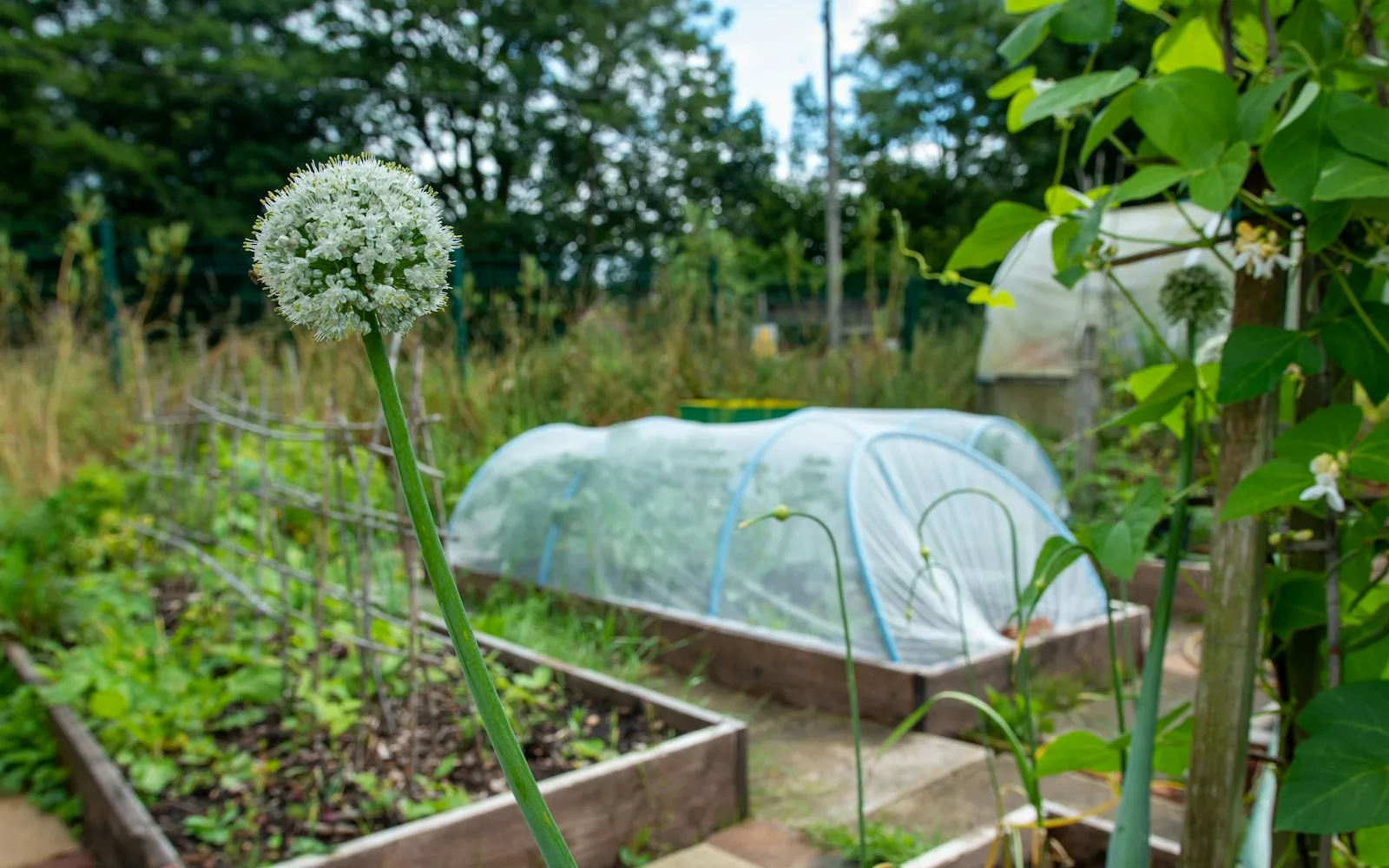
A productive strawberry bed needs more than a sunny rectangle. Check drainage, perennial weeds, access and the history of the site before planting. Once runners and crowns occupy the space, correcting an entrenched weed problem becomes much harder. A raised bed can improve access or drainage in some situations, but it still needs a suitable root zone and does not erase disease history.
Decide whether runners will be allowed to establish daughter plants in a defined area or removed to maintain separate plants. A managed row is different from letting the whole bed become a solid mat. Leave paths and enough room to inspect fruit. Planting more crowns initially is not necessarily helpful if the chosen system is designed to fill with runners later.
Record cultivar names by section. Different harvest patterns and management systems should not be mixed casually in one unlabeled bed. If you cannot remember which plants are June-bearing, instructions for postharvest renovation become difficult to apply safely. A simple map and durable labels cost little compared with the time required to establish the planting.
Containers trade location flexibility for root-zone exposure
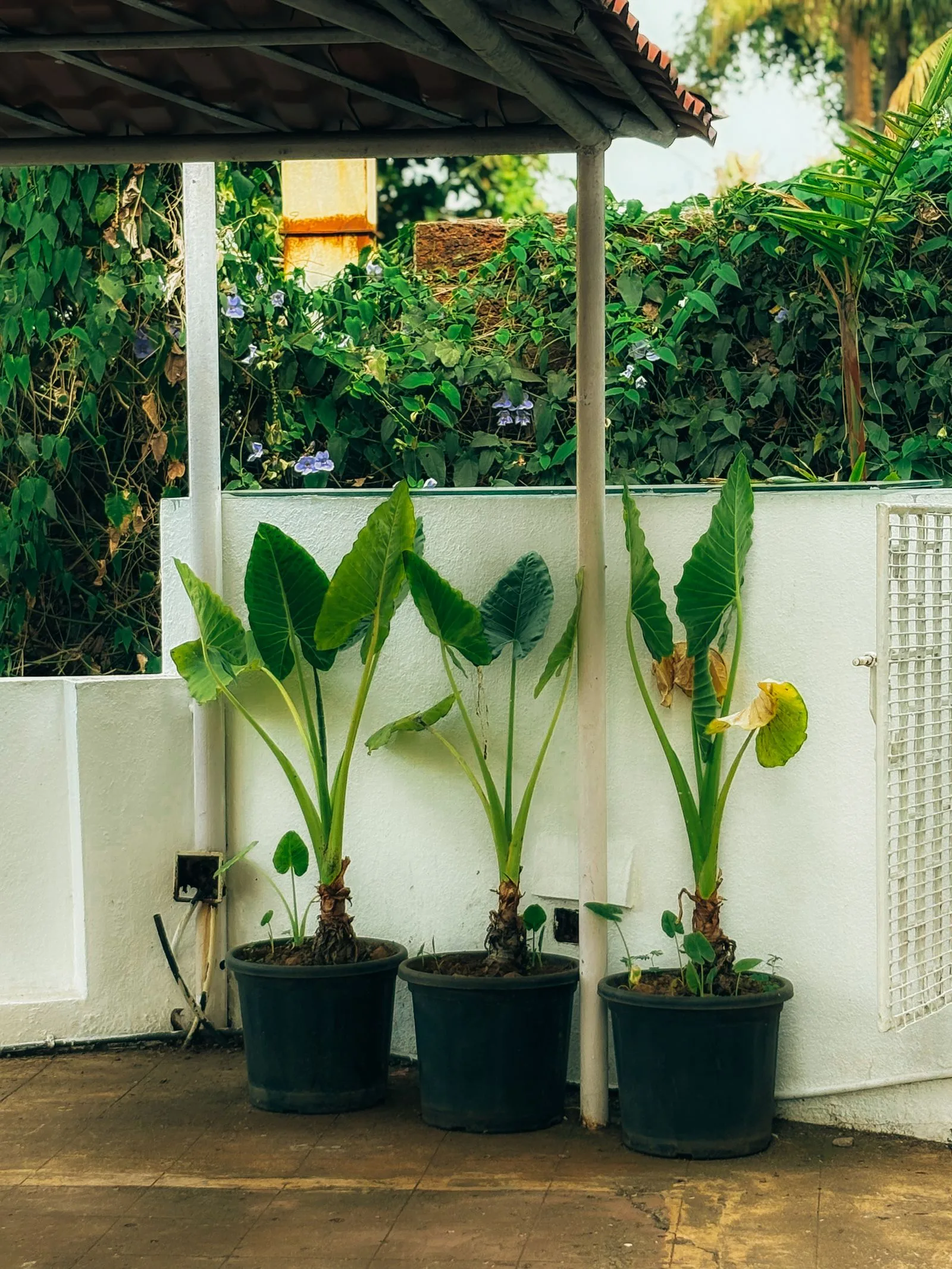
Containers let you use a sunny patio where no garden bed is available. They can also bring the harvest to a comfortable height. Compare the complete planted weight, drainage route and watering access before choosing a tall tower or hanging basket. A container that looks manageable empty may be difficult to move when wet and full of plants.
Inspect whether water can reach every planting pocket. Tiered planters can create differences between top and lower sections, while a simple broad pot is easier to check directly. Do not assume that visible drainage from the bottom proves every root ball is evenly moist. Test moisture in several positions, especially during the first weeks after planting.
Iowa State Extension discusses container strawberry selection, care and the limitations of keeping these plants from year to year. Its container-strawberry guide favors day-neutral or everbearing types for that system. Treat that as a useful container strategy, not a claim that June-bearing plants cannot grow in pots or that every climate requires annual replacement.
- Choose a bed if you can manage runners, weeds and winter protection in a permanent sunny area.
- Choose a simple container if patio access is valuable and regular moisture checks are realistic.
- Be cautious with many planting pockets if you cannot inspect and water them individually.
- Decide before purchase whether the container crop will be seasonal or whether you will attempt overwintering.
Plant the crown at the correct level
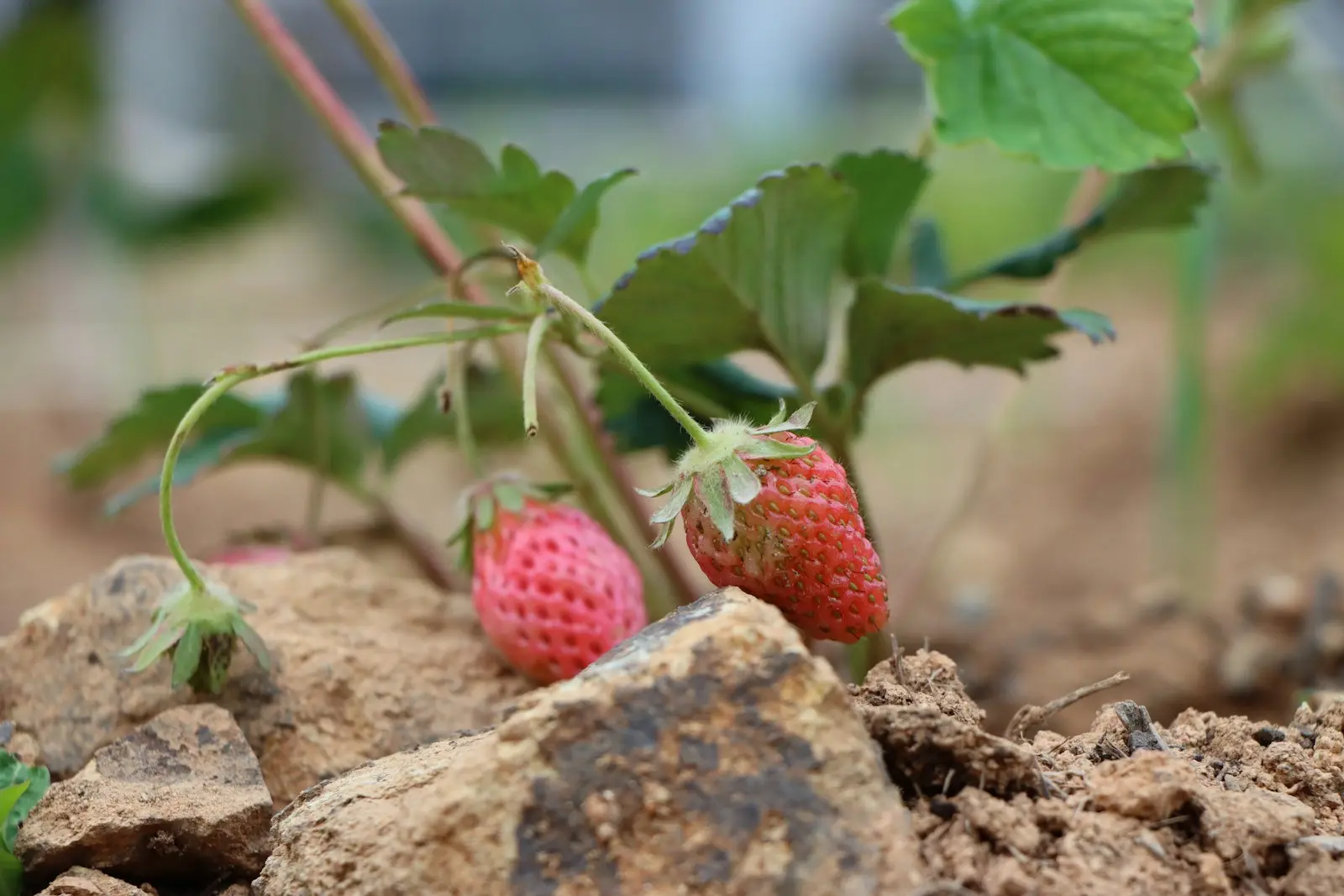
The crown is the short central growing structure where leaves emerge and roots attach. For dormant bare-root transplants, position the crown’s center at the finished soil surface, with roots covered and emerging growth above it. Plant actively growing potted plants at their existing depth. Prepare the hole so the roots can be arranged without crowding, then check again after watering because settling can change the final position.
Start with healthy, correctly identified plants from a reputable source. A free runner from an unknown old patch may bring problems that are difficult to recognize at planting. Inspect leaves, crowns and roots, and follow the supplier's directions for bare-root versus potted plants. Keep bare roots from drying during preparation without leaving them neglected in standing water.
Minnesota Extension illustrates strawberry establishment and explains ongoing bed management. Its home-garden strawberry guide is especially useful for understanding crowns, runners and seasonal care. Follow a management plan appropriate to your strawberry type; do not apply every renovation or flower-removal instruction to all plants interchangeably.
Protect fruit without creating a new access problem
Keep ripening fruit accessible for frequent inspection. Remove spoiled fruit promptly rather than leaving it among healthy berries. A suitable clean mulch in a bed can help separate fruit from bare soil, but mulch should not bury crowns. Container fruit hanging over the rim may still need protection from birds or other animals; height alone is not a barrier.
If using protective netting, choose and install it carefully so it is taut, supported and regularly inspected, rather than leaving loose folds that can entangle wildlife. Preserve access for pollinators while flowers need it. A cage or cover that prevents you from reaching fruit easily can lead to overripe berries remaining inside. Design an opening you will actually use.
Plan watering around the root zone and keep foliage from remaining wet unnecessarily. Containers can dry quickly, while a poorly drained bed can stay too wet. Neither system benefits from a fixed schedule that ignores weather. Keep fertilizer appropriate to the crop type and growing medium; strawberries do not become more productive merely because several nutrient products are combined.
Winter is part of the purchase decision
A strawberry's hardiness in the ground does not guarantee survival in an exposed pot. Roots in containers experience different temperature conditions, and raised or hanging systems can be especially exposed. Before investing in a large planter, decide where it will go when the season ends and whether that location is accessible with the planted weight.
Iowa State's winter guidance discusses both protection and the option of replacing container plants. Its overwintering article distinguishes ground-level beds, raised systems and containers. Local recommendations are essential: protection suitable for an Iowa winter is not automatically the right routine in a mild coastal climate, and an unheated garage is not identical in every region.
For a multi-season bed, include postharvest care, runner management and locally timed winter protection in the annual plan. For a seasonal container crop, budget for new plants and refresh the setup appropriately rather than treating replacement as an unexpected failure. Compare the harvest you enjoyed with the work involved. The better system is the one you can keep healthy through its full intended life, not just the one that looks most attractive on planting day.
Count useful planting positions, not decorative openings
Before buying a tower or pocket planter, map which openings will receive useful light and which you can reach for watering and harvest. A product with many holes does not automatically provide that many equally good strawberry positions. The lower rear pockets may be shaded or hard to inspect, and the upper section may dry differently. If the planter must stay against a wall, ask whether it can be rotated safely when filled; do not assume daily movement will be practical. Compare it with a simpler broad container holding fewer well-accessible plants. Include the amount of potting mix, support stability and winter destination in that comparison. The right purchase may have fewer advertised planting sites but a much clearer care routine from establishment through the final harvest.
Sources & further reading
We favor university extension guidance and original product documentation. Linked sources support the specific facts cited; they do not endorse Garden Gear Atlas.
- Utah State University Extension: Strawberries in the garden
- Iowa State University Extension: Strawberries in containers
- University of Minnesota Extension: Growing strawberries
- Iowa State University Extension: Overwintering strawberries