Plant problems · 7 min read
Are Aphids Causing the Damage? Identify Them Before Treating
Distinguish aphid colonies and feeding symptoms from chewed leaves, old damage, and beneficial insects, then choose a proportionate response.
Read the guideExplore / Plant problems
Identify first. Intervene thoughtfully.
Separate damage, disease and growing-condition problems. Start with observation and prevention, then choose a proportionate response.
Find the guide for your plant problem →
A useful place to start
Follow the guide that matches the symptom or organism, then check the conditions around it.
01 / Separate yellow-leaf causes
Compare the pattern and growing conditions before adding an amendment.
02 / Identify the insect
Distinguish presence from damage before deciding whether action is needed.
03 / Compare disease patterns
Use host and symptom evidence before treating different mildews as interchangeable.
Plant problems · 7 min read
Distinguish aphid colonies and feeding symptoms from chewed leaves, old damage, and beneficial insects, then choose a proportionate response.
Read the guidePlant problems · 7 min read
Use nighttime inspection, fresh feeding evidence, habitat adjustments, and focused protection to manage slugs without relying on one homemade barrier.
Read the guidePlant problems · 7 min read
Recognize powdery mildew, distinguish cosmetic infection from serious decline, and improve future performance without expecting a spray to restore damaged leaves.
Read the guidePlant problems · 5 min read
Distinguish fungus gnats from other small flies, use sticky traps as monitoring tools, and correct persistent moisture without drying plants beyond their tolerance.
Read the guidePlant problems · 6 min read
Identify seedlings and weed life cycles before removal, protect intended volunteers, and use mulch and shallow maintenance without spreading perennial roots.
Read the guidePlant problems · 6 min read
Use leaf age, vein color, root conditions, and soil-test interpretation to investigate yellowing trees and shrubs before adding iron.
Read the guidePlant problems · 6 min read
Compare powdery growth, angular leaf lesions, underside fuzz, and disease timing so cucumber and squash mildew problems get the right diagnosis.
Read the guidePlant problems · 5 min read
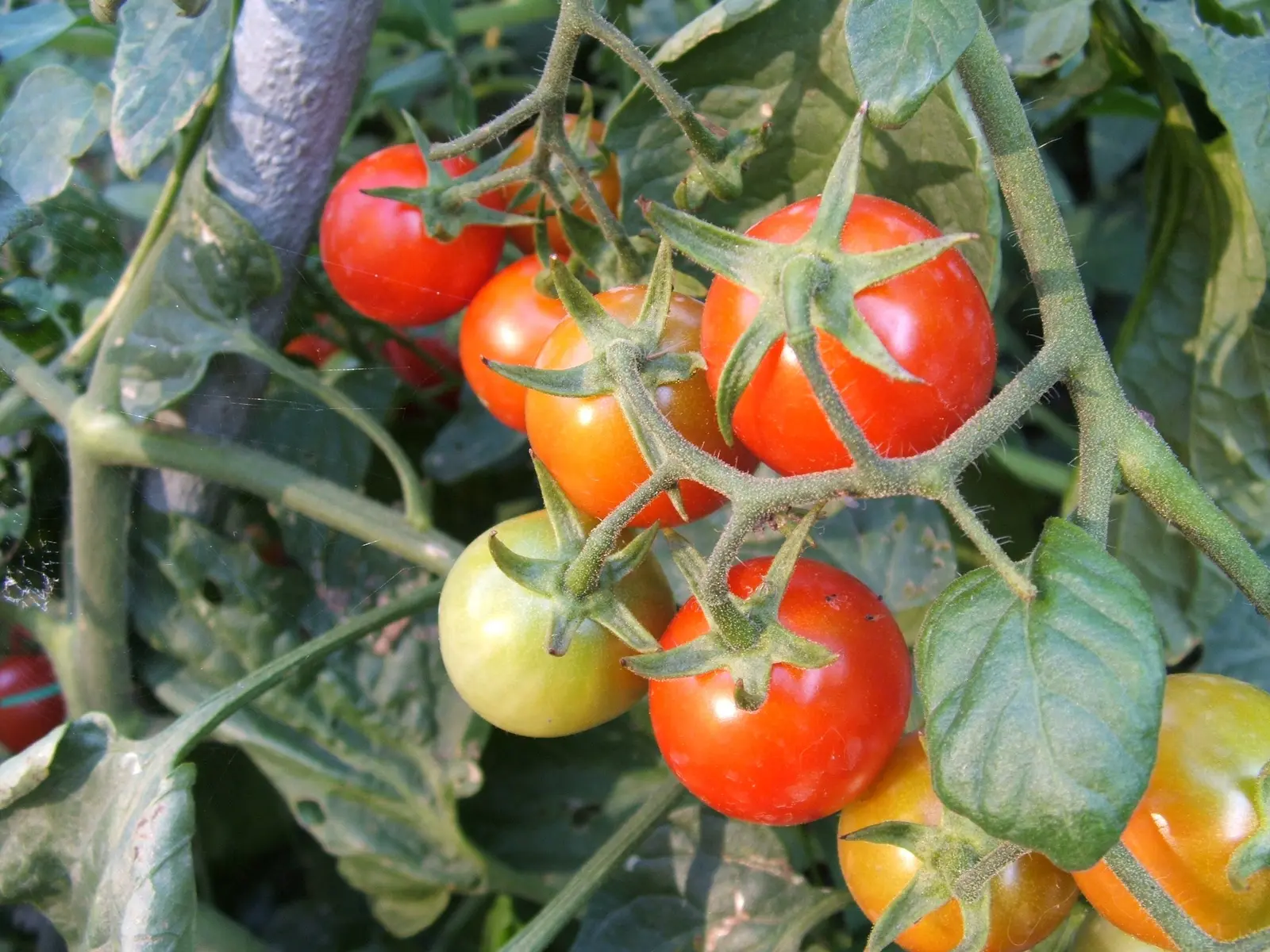
Distinguish blossom-end rot from sunscald and other tomato damage, then check roots, moisture delivery, and soil-test evidence.
Read the guidePlant problems · 6 min read
Use leaf age, growth pattern, visible pests, and garden history to separate physiological tomato leaf roll from problems needing diagnosis.
Read the guidePlant problems · 6 min read
Learn which wilt symptoms suggest squash vine borer, how to inspect stems, and when exclusion, crop choice, and local timing can help.
Read the guidePlant problems · 6 min read
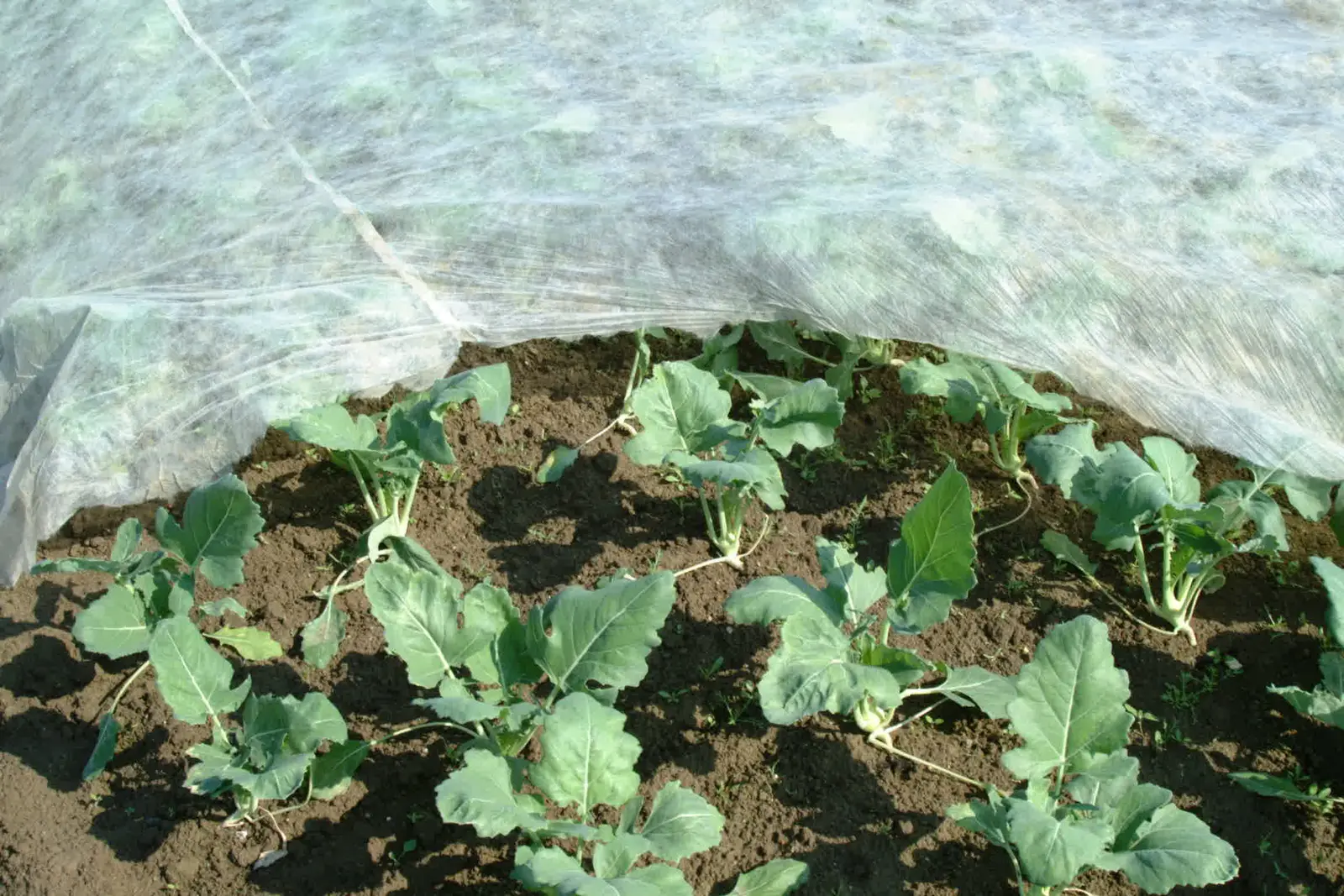
Compare common cabbage-feeding larvae with black swallowtails, recognize parasitoid clues, and protect brassicas without treating every caterpillar as a pest.
Read the guidePlant problems · 6 min read
Distinguish removable surface dust from mite feeding, confirm living mites, and choose a focused response that preserves beneficial predators.
Read the guideA successful setup brings the plant, growing conditions and equipment together. These related topics help you work through the next decision.