Start with the plant being eaten
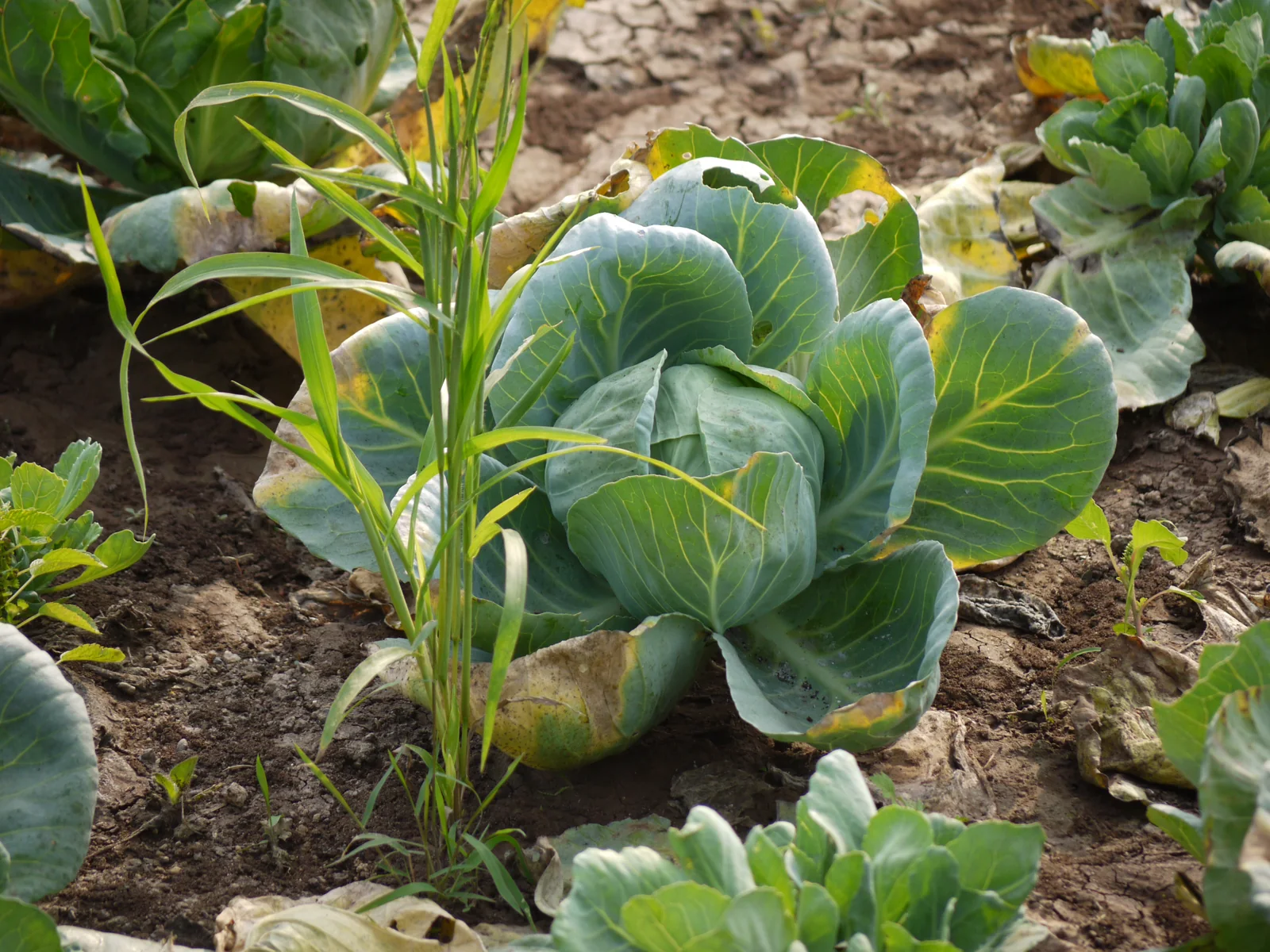
Identify the host before the caterpillar. Cabbage, broccoli, cauliflower, kale, and related vegetables share a familiar group of leaf-feeding larvae. Dill and parsley belong to a different plant family and can support black swallowtails. This does not mean a caterpillar can be named from its location alone; a larva may be wandering between feeding and pupation sites. It means host identity gives the photograph and behavior a useful context.
Look for fresh feeding, the larva itself, and droppings near the damaged tissue. Inspect leaf undersides and the developing center instead of searching only the largest holes. A hole may remain after the animal has left. Record whether the crop is a young transplant, an established leafy plant, or beginning to form a head. The same amount of chewing can lead to different decisions at these stages, so identification and crop condition should be considered together before reaching for a treatment.
Compare texture and movement, not green color alone
Imported cabbageworms have a velvety appearance, while cabbage loopers are smoother and characteristically arch their middle as they move. Smaller diamondback moth larvae can also occur on brassicas and behave differently when disturbed. Minnesota Extension's cole-crop caterpillar guide supplies side-by-side identification features and explains the damage they cause. Several species can share a plant, making it possible for one photograph to show only part of the problem.
Watch an individual move along a leaf and take a short video if the looping action is clearer than a still image. Include an object of known size in a separate photograph without pressing it against the animal. Avoid handling unidentified hairy or spiny larvae simply to test their texture. If the appearance does not match the reference, keep the identification open and request help. “Small green caterpillar” is a useful description of uncertainty; it is not enough information for a species-specific management choice.
Give swallowtails a different decision pathway
Black swallowtail caterpillars change appearance as they grow. Young larvae can be dark with a pale saddle, while later stages show a greenish body with dark bands and orange markings. NC State's parsleyworm reference documents these changes. Comparing a young larva with only a mature-caterpillar photograph can therefore lead to a mistaken identification. Use the host plant and age-appropriate images together rather than assuming every stage should look alike.
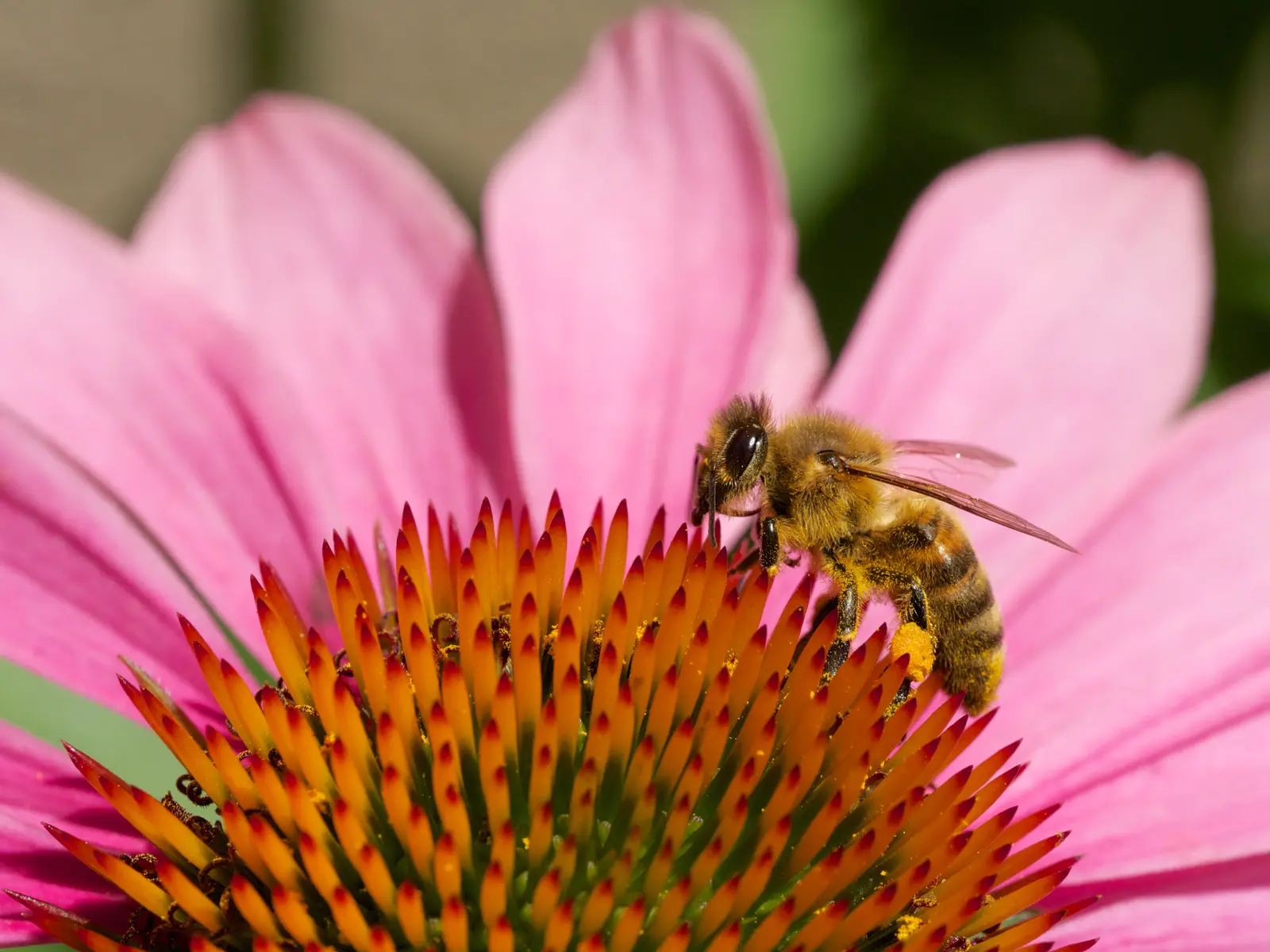
If you want butterflies in the garden, decide how much dill or parsley you are willing to allocate to their larvae. Wisconsin's black swallowtail guide connects adult nectar plants with the larval host plants needed to support the life cycle. Growing extra suitable hosts is a clearer plan than inviting butterflies and then removing every feeding caterpillar. Keep harvest expectations realistic and avoid moving a larva onto an unrelated plant. A cabbage leaf is not an interchangeable food source just because it is green and available.
Recognize natural enemies already working
Predators and parasitoids can suppress caterpillar populations. A parasitoid develops on or inside a host and eventually kills it; this differs from a predator consuming prey directly. Cocoons attached to or clustered near a host, changed appearance, or an inactive mummified body can be clues. Maryland Extension's parasitoid guide illustrates signs worth recognizing. Visible evidence is helpful, but a caterpillar's appearance alone does not reveal every internal interaction taking place.
Pause before removing a suspicious cluster of tiny cocoons as if it were another pest egg mass. Photograph it and compare it with an institutional reference or ask extension. Where natural control is confirmed, preserve it according to the advice for that host. Do not promise that beneficial insects will always act quickly enough to prevent crop loss. Instead, include them in the assessment: what is feeding now, how much damage is progressing, and what evidence shows enemies are present? That creates a proportionate response instead of an automatic all-insect removal routine.
Decide what damage the crop can carry
A large kale plant grown for periodic leaf harvest presents a different problem from a newly set broccoli transplant losing its few leaves. A developing cabbage head also deserves close inspection because hidden feeding can affect the harvest directly. Describe the crop's purpose before setting your tolerance. An ornamental butterfly host intentionally provided for larvae and a vegetable intended for a family meal do not need identical management, even when both have visible chewing.
For a small brassica planting, hand removal of confirmed pest larvae may be practical. Inspect the concealed folds as well as exposed leaves, and return after the first pass to check for individuals missed when small. Use suitable gloves or tools where needed; leave uncertain organisms for identification. Do not remove so many damaged leaves that you create a larger loss of working foliage than the feeding itself. If damage is stable and the crop remains productive, document that result instead of assuming every existing hole needs another intervention.
Exclude pests without excluding your own access
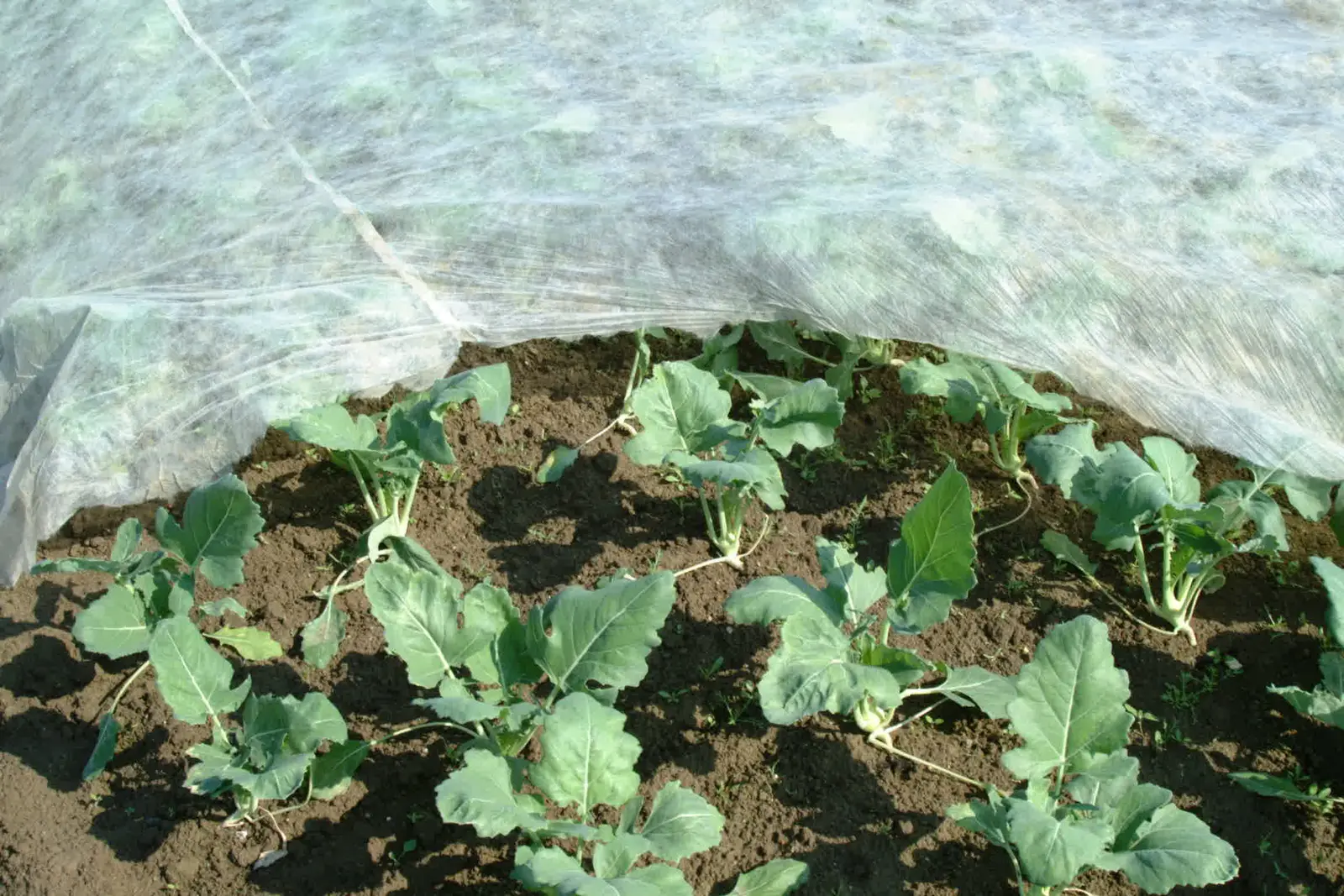
An appropriate insect barrier can reduce adult access to a brassica crop, but it needs intact edges and enough space for growth. Check plants before covering them so you do not enclose an existing infestation. Make the installation easy to open and reseal for watering, weeding, and inspection. A cover that is left ajar after every harvest is a different system from the one described on its packaging. Its practical effectiveness depends on the routine as well as the fabric.
Also think about temperature and the intended harvest. Many head and leaf brassicas are harvested before flowers are needed, while a plant retained for seed has different pollination requirements. Do not transfer that cover routine automatically to squash or another crop dependent on insect pollination during fruit production. Mark the bed's purpose on the plan. If heat becomes a concern, assess a suitable insect mesh and ventilation arrangement rather than assuming a warming frost cover is ideal for the whole summer.
Keep any treatment confined to the identified problem
Some caterpillar products act on larvae of butterflies and moths beyond the vegetable pest you intended to control. The fact that an ingredient has a biological origin does not make it harmless to a nearby swallowtail feeding on its host. Read the current label for the pest, crop, application location, and restrictions, and seek local advice if a product is needed. This guide does not provide pesticide rates or a blanket spray schedule for all leafy plants.
An illustrative mixed bed makes the choice concrete: inspect cabbage for imported cabbageworms, reserve some dill for confirmed swallowtails, and leave recognized parasitoid cocoons intact. Do not treat the entire bed because one cabbage has fresh feeding. Arrange plants and access so a targeted response is feasible, then record what happened to the crop rather than only how many caterpillars were removed. Next year, use that record to adjust barrier timing, inspection frequency, or the amount of sacrificial host foliage you grow for butterflies.
Sources & further reading
We favor university extension guidance and original product documentation. Linked sources support the specific facts cited; they do not endorse Garden Gear Atlas.
- University of Minnesota: caterpillars on cole crops
- University of Maryland: parasitoids
- University of Wisconsin: black swallowtail
- NC State Extension: parsleyworm and eastern black swallowtail