Choose what to grow
Compare plants.
Put the light, root space and seasonal needs beside one another before choosing a place in your garden or home.
1 of 3 plants selected — add another to compare.
| Care decision | 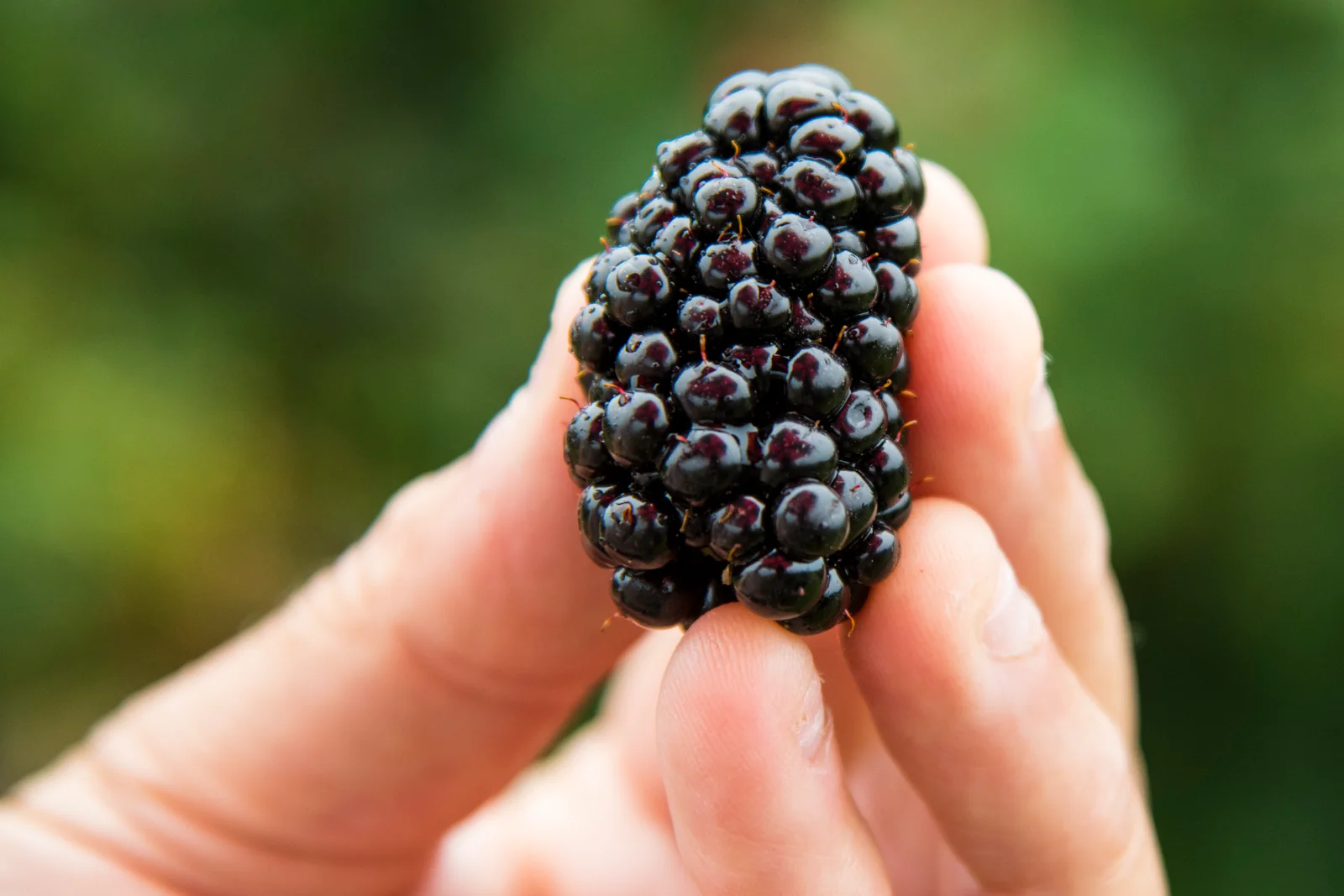 |
|---|---|
| Light | Full sun for cropping; shelter can reduce cane breakage from strong winds. |
| Water | Irrigate the occupied root zone during establishment and dry weather, especially while berries develop; avoid persistent waterlogging. |
| Soil & growing mix | Well-drained soil with organic matter. A pH around 6.0–6.5 fits much home-garden guidance; use regional soil-test recommendations. |
| Mature size | Varies greatly: erect hedgerows, arching semierect plants or long trailing canes. Some vigorous trailing cultivars grow canes 15–20 feet long under favorable Oregon conditions. |
| Growing season | Perennial crown and roots with mostly biennial canes. Summer-bearing and primocane-fruiting cultivars have different crop schedules. |
| Winter & climate | Cultivar-dependent. Trailing hybrids are often less cold hardy than erect or semierect selections; survival, flower-bud hardiness and ripening season all matter. |
| Container fit | Container choice matters. Check mature size and root-space guidance in the reference. |
| Place & variety | Blackberry is a cultivated crop group, not one universal species. This profile includes erect, semierect and trailing blackberries and related named blackberry–raspberry hybrids. It does not recommend planting invasive wild brambles such as Himalayan blackberry. |
| Equipment to consider | |
| Evidence & next steps |
|
These facts help compare choices. They do not establish that plants can share a pot, watering circuit or outdoor site. Check the full reference and local suitability before planting.
Open this comparison as a bookmarkable page
Give your choice enough room.
Use inside bed or pot measurements to plan mix quantities and working space.