Allow room for a shrub that keeps its framework
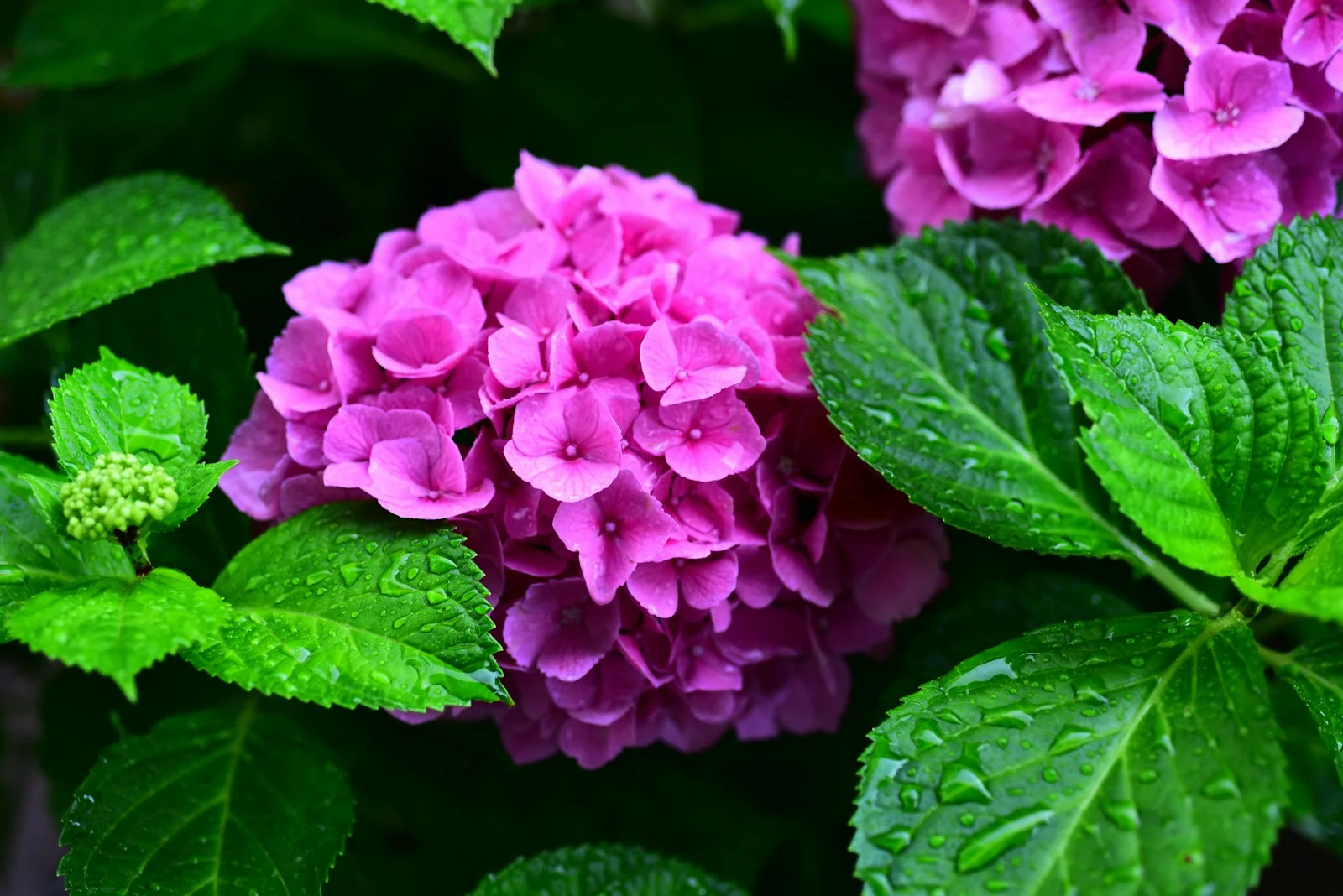
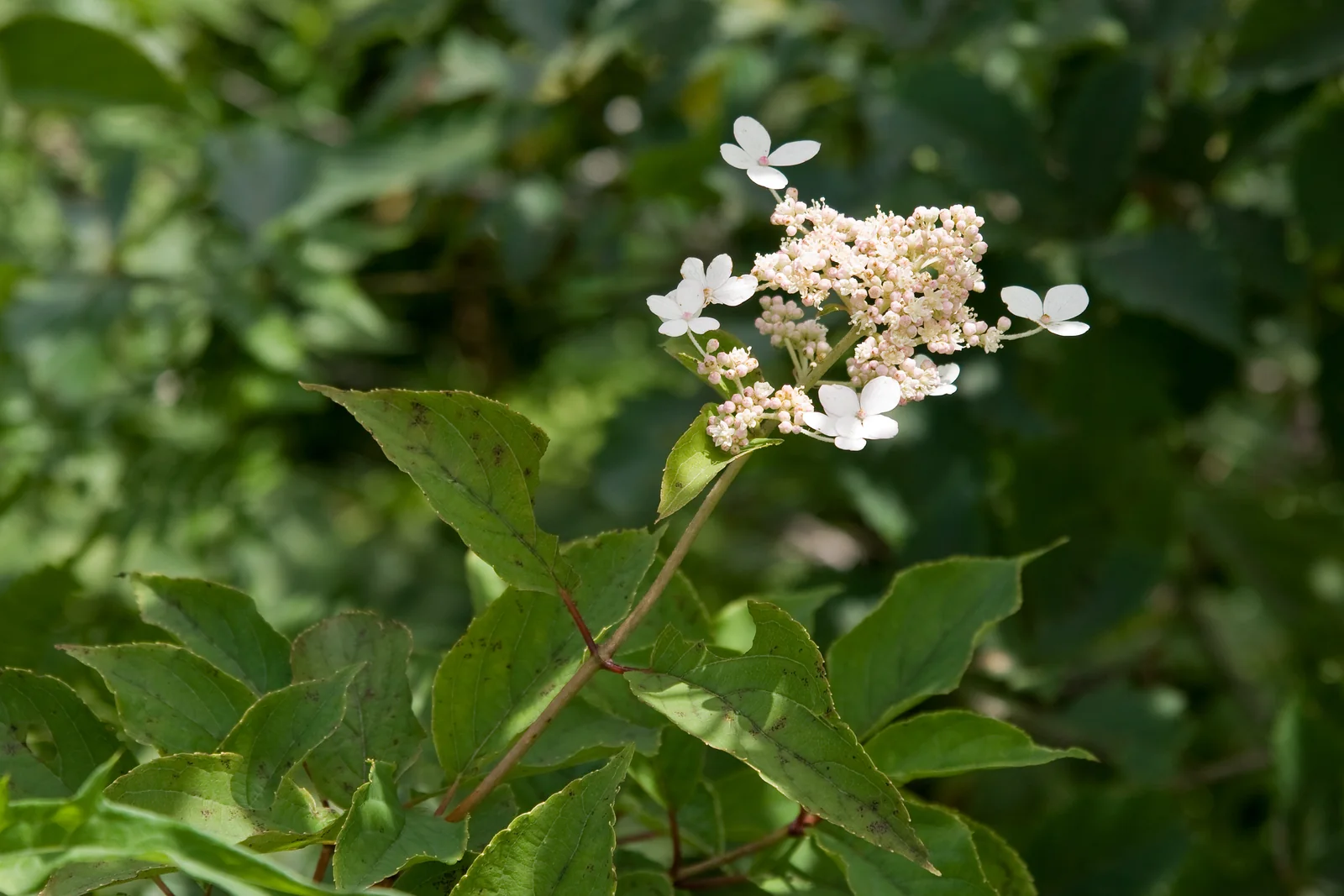
Panicle hydrangea is a deciduous woody plant, available as a branching shrub or a trained small tree. Its elongated flower clusters distinguish its display from the rounded heads of many other hydrangeas. The plant keeps a woody framework through winter, so plan the space around mature branches as well as the summer flowers. Large selections can overhang a walkway even when their trunks occupy little ground. RHS: Hydrangea paniculata
Choose the growth form before buying. A standard trained on a trunk asks for room around its raised crown; a multistem shrub fills the lower part of a border. Place a marker at the proposed center and check the mature canopy against windows, access routes, and neighboring plants. Avoid assuming that routine pruning can permanently make an inherently large cultivar behave like a compact one. The nursery label should identify both the cultivar and its expected dimensions.
Select light and establish roots before judging the display
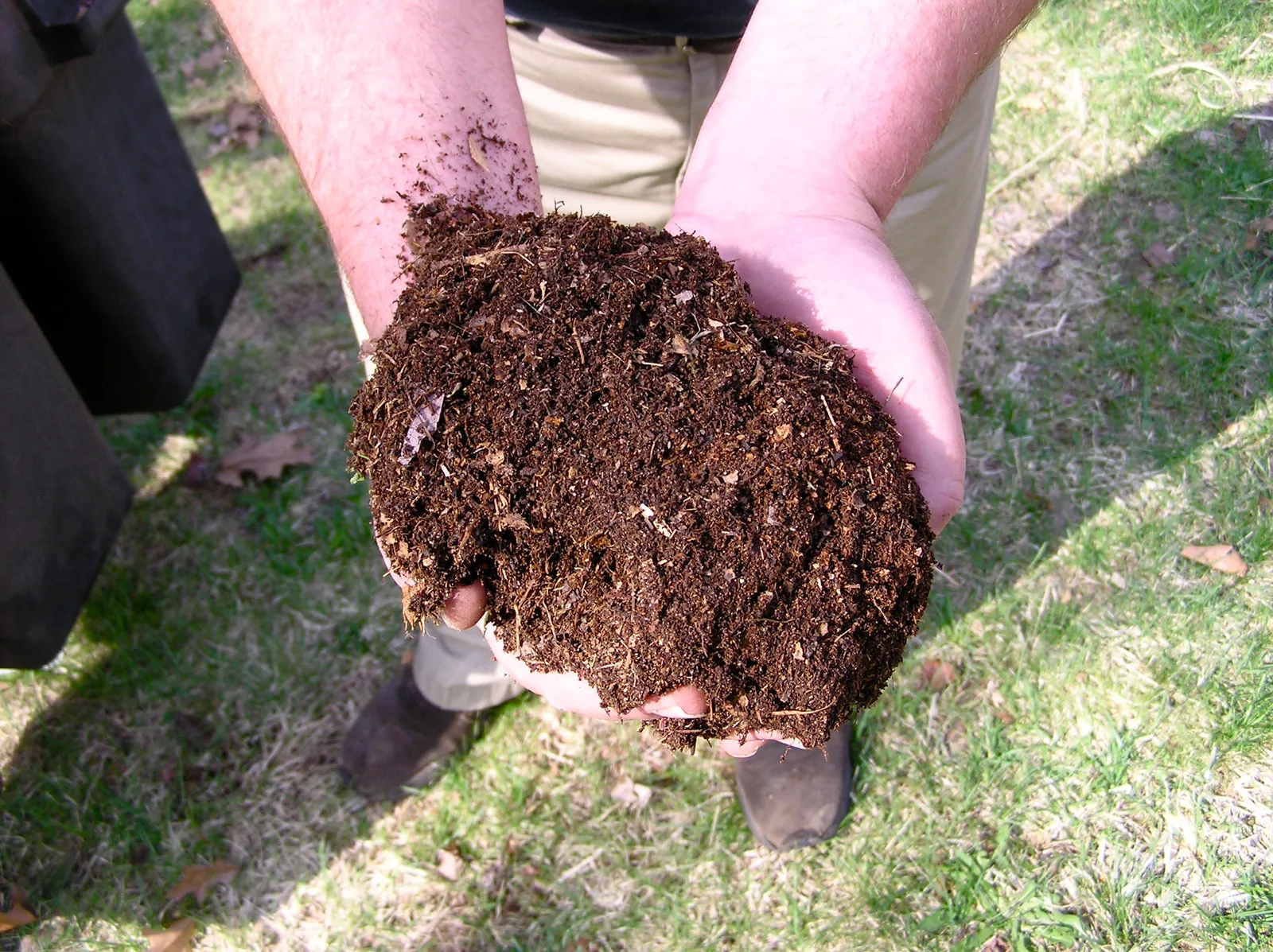
Sun supports flowering, but a site that stays bright without severe afternoon heat is often a better match in hot climates. Moisture-retentive soil must still drain. Give a newly planted shrub attention through dry weather while its roots move into surrounding ground, and use mulch to moderate the shallow root zone. A plant sold in heavy flower can need that establishment care even when its canopy already looks mature. NC State Extension: panicle hydrangea
Use the shrub transplanting guide to assess access, drainage, and the existing root ball before digging. After planting, compare moisture within that ball with the surrounding soil instead of judging the bed from its surface. For a row, check the plants at both ends as well as the middle. This turns watering into an observation of the actual planting, rather than a rule based on the hydrangea name.
Understand color, cultivar size, and cut flowers
‘Limelight’ illustrates why the exact cultivar matters: NC State describes it as a shrub about 6–8 feet tall and wide, with flowers beginning light green and changing as they mature. That does not make it a miniature suitable for every small bed. A related smaller selection is a separate buying decision, with its own label to check. Allow room for the flowering branches to arch rather than planning only around upright spring growth. NC State Extension: Limelight hydrangea
The color sequence of panicle flowers is not the blue-versus-pink soil-pH response associated with certain bigleaf hydrangeas. Do not acidify the bed to turn a panicle blue. Its flower heads can be used fresh or dried; before cutting many for an arrangement, decide how much of the outdoor display you want to retain. An aging head becoming pink and then brown is different from a fresh flower abruptly collapsing during stress. Compare flowers of similar age when evaluating a problem. NC State Extension: Limelight hydrangea
Prune before current-season flowers are built
Panicle flowers form on new growth. Necessary shaping is therefore usually done in late winter or early spring, before active growth has advanced. The useful timing cue is the plant’s development in your climate, not a fixed date copied from another region. Start by deciding which branch is crowding access, crossing another branch, or contributing to an unbalanced crown. Keep the old- and new-wood guide nearby if other hydrangeas share the border. Illinois Extension: properly pruning hydrangeas
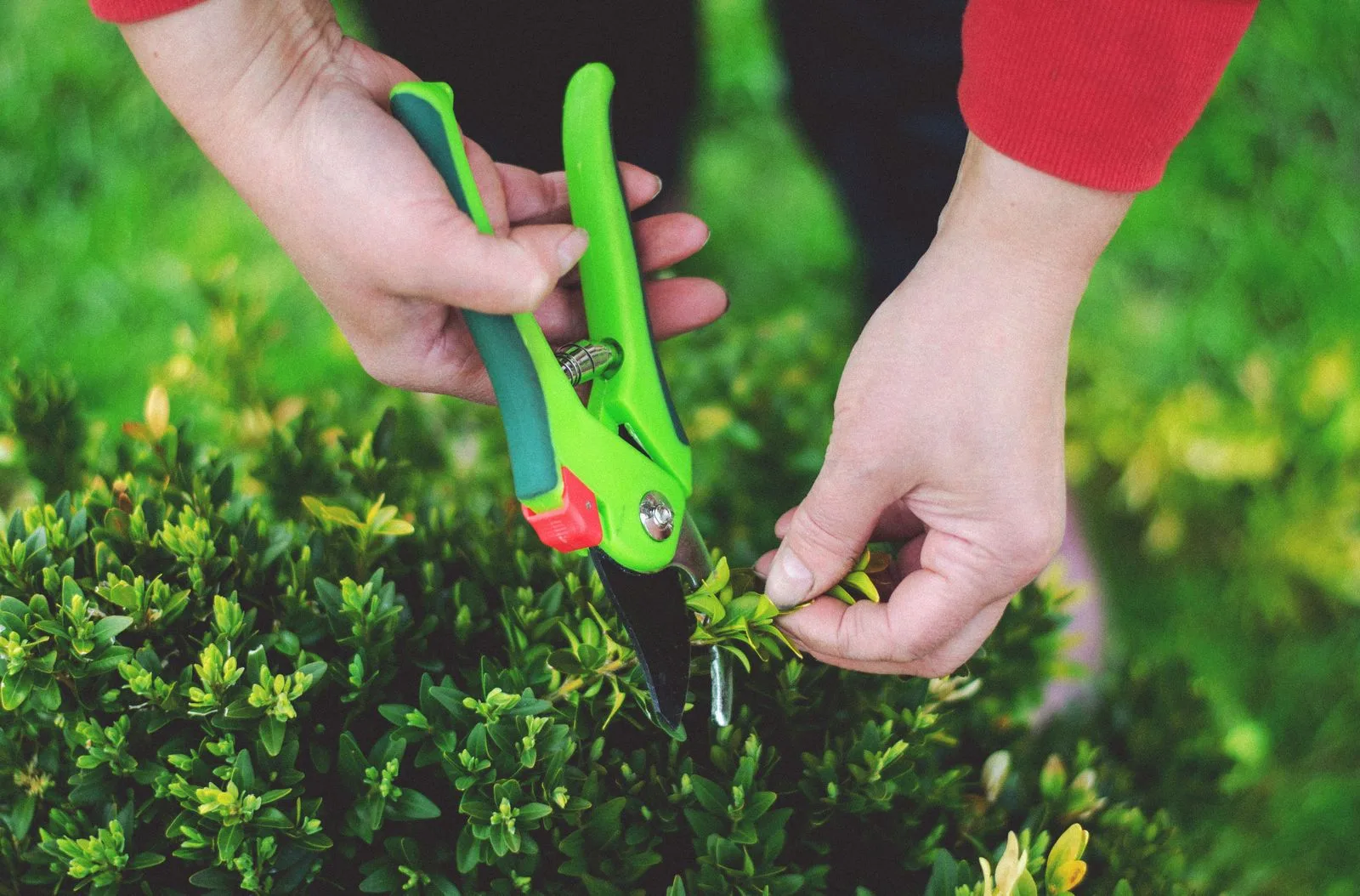
There is no need to make all the plants equally short. Mark the intended outline before you cut, then remove selected stems with a bypass pruner when they fit its working capacity. On a tree-form plant, think about the raised canopy and its supporting trunk. A pruning method intended to maintain a low shrub is not a reason to cut away that trunk. Preserve the purchased form unless you deliberately intend to retrain it.
Use the amount of pruning to serve the planting
Pruning instructions sometimes sound contradictory because they target different outcomes. The RHS describes retaining a branch framework and shortening previous growth to healthy buds; harder reduction can emphasize large flower heads. Illinois Extension cautions against repeatedly severe fall cutting and notes that some shrubs need less frequent intervention. These are reasons to choose a modest, purpose-driven approach instead of treating annual hard pruning as a requirement. RHS: hydrangea pruning Illinois Extension: hydrangea pruning timing
First ask whether the plant is healthy, flowering, and fitting its space. If it is, removing damaged wood or a few misplaced branches may be enough. If it repeatedly blocks a path despite major reductions, compare replacement with a genuinely smaller cultivar in the rejuvenation or replacement guide. Photograph the plant before and after pruning so next season’s branch strength and display can inform the next decision. Assess success by the desired shape and usable space, not the volume of stems removed. Illinois Extension: hydrangea pruning timing
Treat propagation and containers as separate projects
The RHS lists seed, softwood cuttings, and hardwood cuttings as propagation routes for panicle hydrangea. For a particular named selection, a rooted cutting is the relevant route to preserving the parent’s characteristics; seedlings should not be promised the same size, flower form, or color sequence. Keep propagation material labeled and separate from the established border until it has a functioning root system. Choosing an already rooted nursery plant is the more direct route when the priority is completing a planting. RHS: Hydrangea paniculata
Container use is conditional on the selected plant and the management available. Compare its eventual canopy with a stable pot, drainage access, and the ability to monitor moisture through summer. Also plan its winter location before the shrub becomes difficult to move. Use the container overwintering guide to make that plan; an in-ground hardiness zone alone cannot answer whether exposed roots in a particular pot will survive.
Investigate missing flowers and wilt separately
If a panicle shrub remains leafy without a useful display, check whether growing-season clipping removed developing shoots and whether the canopy receives enough light. The fact that it flowers on new wood changes the diagnosis from that of a bigleaf whose overwintering buds were lost. Record what was cut and when, plus the actual shade pattern after nearby trees leafed out. This gives the hydrangea care framework something concrete to work with. Illinois Extension: properly pruning hydrangeas
Wilt needs a root-zone check. Saturation can damage roots and produce drooping, discolored leaves; further irrigation can aggravate that condition. Observe drainage after rain and compare the original planting ball with nearby soil. Persistent localized dieback deserves diagnosis. Moisture observations alone cannot identify which disease, if any, is present. Illinois Extension: drowning and edema
Sources and scope
Research-based guidance informed by institutional references. Cultivar, region and growing conditions can change the advice. Product inclusion does not imply hands-on testing of every model.