Choose the species deliberately
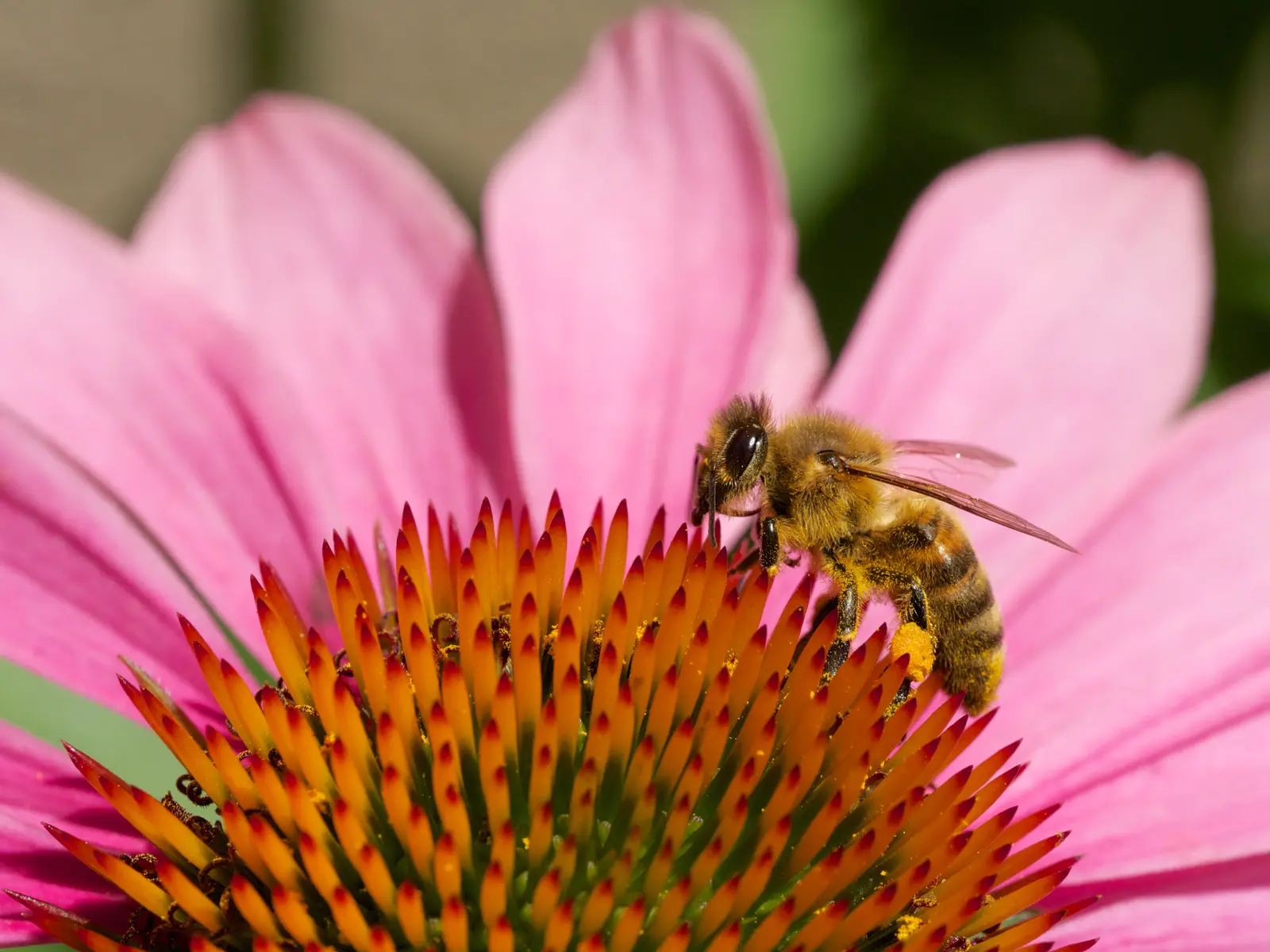
Purple coneflower is an herbaceous perennial: its leafy flowering stems grow from a crown, and those above-ground stems die back seasonally. The familiar flower has pink-purple rays around a raised central cone. That cone develops seeds, so a fading flower is also the beginning of a different garden feature. The species is native to parts of eastern and central North America; its name should not be used as shorthand for every orange, red, or heavily doubled coneflower in a catalog. NC State Extension: purple coneflower
Keep the complete botanical label when buying a named selection. If a planting plan specifically calls for E. purpurea, verify that the seller identifies the selection within that species rather than only calling it an Echinacea. The native perennial selection guide helps connect that identity with the site and your goals. A useful choice begins with the plant you actually have, not a color photograph shared across an entire breeding group.
Favor an open site and a draining winter crown
Echinaceas perform best with good light and soil that does not remain waterlogged. The RHS particularly warns about heavy wet conditions and vulnerable late plantings that have little time to establish before winter. Planting while roots can grow into the surrounding soil is more useful than following a universal autumn sale schedule. In a wet-winter garden, assess the site after rain before treating a cold-hardiness rating as proof of suitability. RHS: growing echinacea
Mark each new crown so it remains visible as neighboring plants expand. Check moisture around its original root ball during establishment, and do not interpret the mature species’ drought tolerance as an instruction to let a new transplant dry repeatedly. A container can be practical for a suitably sized selection, but its drainage, summer watering, stability, and winter exposure all need a plan. Use the pollinator container guide to assess that complete setting instead of choosing a pot by flower color alone.
Sow with the seed lot’s instructions in hand
Cold stratification means a period of moist chilling that helps satisfy seed dormancy. Illinois Extension includes purple coneflower among plants for which this treatment may be relevant. The practical lesson is to read the instructions for the actual seed lot: a named selection or commercially prepared seed may come with different guidance from freshly collected seed. Dry storage in a refrigerator is not automatically the same process as moist stratification. Illinois Extension: seed stratification
Label the seed source and the dates of any treatment, then keep the emerging seedlings identified as they develop. This is especially useful when more than one coneflower type grows nearby and volunteer seedlings appear in the border. Do not assign an existing cultivar name to a seedling merely because its first flower resembles the parent. If your priority is a uniform named selection, begin with correctly labeled plants; if variation is welcome, a seed project lets you observe that variation honestly. Illinois Extension: seed stratification
Use deadheading and division for specific purposes
The RHS species account recommends removing spent flowers to encourage further flowering and lists division and root cuttings as propagation methods. Decide whether extending the display matters more than leaving each cone to develop seed. You can manage different stems differently: cut selected flowers while retaining others where their changing texture will be welcome. The deadheading guide explains the cut itself without requiring the entire planting to be treated identically. RHS: Echinacea purpurea
Division is a way to make or relocate plants, not an automatic annual maintenance task. Start with a healthy, established clump and an actual need for additional plants or space. Keep roots from drying during the move and label the divisions so their identity follows them. If a clump is declining or its flowers are abnormal, investigate first; distributing pieces of an unhealthy perennial can distribute the problem. Record how each division establishes before planning a larger planting around its performance. RHS: Echinacea purpurea
Read trial evidence at the cultivar level
Mt. Cuba Center evaluated Echinacea performance and pollinator use in a Mid-Atlantic trial. Its material distinguishes named E. purpurea selections from hybrids, which is useful when comparing plants that retailers may group together simply as coneflowers. Look at the exact name, flower structure, and trial setting before turning a favorable result into a purchase decision. A result from one region is evidence about those conditions, not a universal ranking for every garden. Mt. Cuba Center: Echinacea trials
For your own selection, write down whether the priority is an accessible flower center, a particular height, a long display, or leaving useful seedheads. Then compare candidates on that basis. A dense double flower and an open central disk may offer very different structures even when their ray color is similar. Avoid assuming that all cultivars serve the same purpose or that the most heavily advertised flower is the right match for a species-focused native planting. Mt. Cuba Center: Echinacea trials
Leave seedheads and manage stems with their age in mind
Standing coneflower stems can have a second use after their flowers fade. NC State’s garden research documented cavity-nesting bees using cut perennial stems, including E. purpurea. Its practical guidance is to leave roughly 12–24 inches of stem when making the first winter cut, then allow previously opened stems to remain through subsequent seasons rather than repeatedly recutting them. A stem opened earlier by summer deadheading may already be available for nesting, so its history matters. NC State Extension: perennial stems for pollinators
Keep a small standing patch where the dried structure suits the design, and let new growth develop around older stems. A plant marker helps distinguish a deliberately retained crown from an empty space during spring cleanup. A copper-plated marker provides room for the name and planting date; keep it visible beside the crown. Mark which stems were already cut if several people maintain the garden. This makes the next cleanup a deliberate choice instead of an annual blanket reset. NC State Extension: perennial stems for pollinators
Take abnormal green flowers seriously
Aster yellows can affect coneflowers. Wisconsin Extension describes a phytoplasma disease spread by leafhoppers, with symptoms including distorted growth and abnormal flowers that can become green or produce unusual secondary growth. Infected perennial plants can persist as sources of infection, and there is no treatment that cures an infected plant. Confirmed affected plants should be removed rather than divided or retained for seed. Wisconsin Extension: aster yellows
Appearance alone can still mislead: herbicide injury and other problems can resemble parts of the symptom pattern. Photograph the entire plant, a normal neighboring flower, and the abnormal head before seeking local diagnostic help. Note whether the problem is limited to a flower or accompanied by broader stunting and distorted foliage. Do not uproot a whole planting from an uncertain image comparison, but do not dismiss persistent green, malformed flowers as a harmless color variation either. A sound identification determines whether removal is needed. Wisconsin Extension: aster yellows
Sources and scope
Research-based guidance informed by institutional references. Cultivar, region and growing conditions can change the advice. Product inclusion does not imply hands-on testing of every model.