Confirm the species before comparing packets
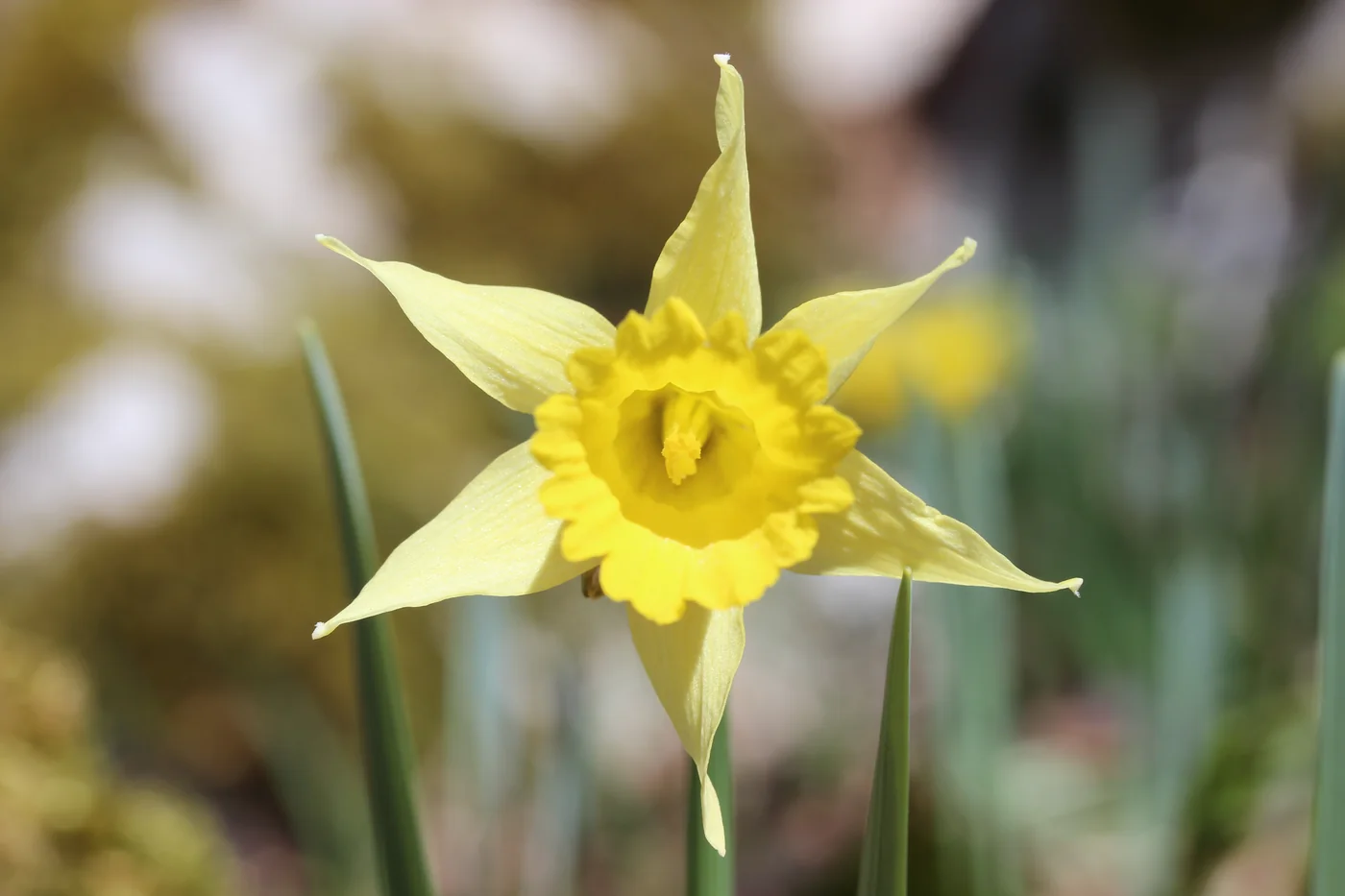
This profile concerns the wild daffodil, Narcissus pseudonarcissus. The typical flower has a deeper yellow trumpet surrounded by paler yellow segments. The RHS places it in Division 13, the category for natural species and their forms. A large trumpet-shaped garden cultivar is not automatically this species, and a mixed bag labeled daffodils does not establish its identity. RHS: Narcissus pseudonarcissus species profile
Ask for the full botanical name when buying it for a species planting. Keep any subspecies or cultivar information supplied rather than shortening every label to daffodil. Photographs help verify the general appearance, but a flower image alone is a poor basis for assigning a precise botanical identity to an inherited clump.
If your aim is simply a yellow spring display, many other daffodils may suit. Compare those separately by their own height, flowering period and regional record. If the aim is this particular species, buy identified nursery material and leave wild populations undisturbed.
Reserve the site for leaves as well as flowers
A daffodil site has two visible stages: a short flowering display and a longer period occupied by leaves. Before planting, stand where you normally view the garden and imagine the same patch after the last trumpet fades. It must remain acceptable then, especially beside a frequently used path or in a lawn that normally receives regular mowing.
Make a practical choice between a border pocket and a grass drift. A border offers a clear permanent boundary, while a drift depends on someone remembering where to stop mowing. Keep the route to taps, compost bins and gates outside the planting. Avoid putting bulbs in the narrow strip where a wheelbarrow must turn.
Later-growing companions can soften the view of declining foliage, but leave room for the daffodil leaves themselves. Do not plan to pack summer plants directly into the bulb position each year. That turns a permanent planting into a recurring excavation problem.
Judge shade during the spring growth period
NC State identifies full sun and partial shade as suitable and warns against extremely wet conditions. Its species account describes a bulb useful in open woodland and naturalized areas. These are site categories, not a promise that any ground beneath a tree will work. NC State Extension: Narcissus pseudonarcissus
Observe the proposed position while the daffodils would be growing. A deciduous canopy before leaf-out creates a different situation from a dense evergreen shelter. Note when shrubs cast shade and whether the area becomes inaccessible beneath later growth. If you are assessing the bed in autumn, use spring photographs or begin with a limited trial instead of assuming seasonal light is constant.
Under established trees, use available planting pockets and change position if roots prevent a suitable hole. Do not cut substantial roots to impose a decorative pattern. Where root competition and dry spring soil are persistent, a nearby open border may be easier to maintain than the picturesque spot against the trunk.
Buy the batch that fits the space you can plant
Count usable planting positions before ordering. Remove path clearances, tree-root conflicts and persistently wet hollows from your rough sketch. The remaining area is the real planting area, even if the entire lawn looks empty in autumn. A small established group provides a better basis for expansion than an oversized first order that must be fitted wherever holes are easy to dig.
For dormant bulbs, general RHS buying guidance favors firm material without mold. Keep the original label and inspect the batch before combining it with older bulbs. A species bulb need not match the size of an unrelated large garden hybrid to be appropriate. RHS: Growing daffodils
A trowel is useful for modest groups and checking planting pockets. For a large turf project, assess the repetitive digging job before choosing equipment. Use the regional planting guide for depth and seasonal preparation, keeping the instructions supplied for the identified batch with your notes.
Water for establishment and active growth
Distinguish a newly planted batch, a leafy established clump and an invisible summer-dormant patch when deciding where water is needed. Marking the bulbs makes that distinction possible after the leaves disappear. A sprinkler serving a summer lawn or thirsty bedding plants should not become an automatic justification for keeping the dormant bulb position continuously wet.
After a dry spring spell, inspect the soil where the bulbs grow, rather than judging moisture from a green lawn several feet away. Water applied only to the surface may not describe conditions around the roots. Conversely, water collecting in a hollow is evidence to reconsider the location, not a signal to shorten the interval between watering.
Use rainfall and soil condition to adjust attention through the season. Where container growth is the plan, check the actual growing medium and outlets, since a pot responds differently from surrounding ground. The appropriate long-term planting is one whose moisture needs can coexist with its neighbors.
Keep the post-flowering boundary clear
The leaves need to remain exposed until they yellow naturally; tying them into bundles or removing them early compromises the rebuilding period. For a planted lawn, wait for that stage before resuming mowing over the bulbs. RHS: Planting bulbs in grass
Make the waiting period visible to anyone maintaining the space. Photograph the drift from the mowing route and use markers at its limits. Put rigid markers outside the mower path, where they will be seen and will not be struck. A small boundary that people can readily follow is more useful than scattered individual bulbs across every part of a working lawn.
Decide separately whether to remove faded flowers or permit seed formation. Do not treat deadheading as permission to remove leaves. If you need a step-by-step lifting or division method, use the existing division guide; a normally flowering, manageable clump does not need to be disturbed simply because another spring has passed.
Use a container when its aftercare has a destination
A container can place a modest display near an entrance, but decide where it goes after flowering before planting it. The prime viewing spot may be wanted for summer flowers while the daffodils still need their leaves. Choose a recovery position with appropriate light and access for watering, rather than assuming the pot can disappear into a dark shed.
Ensure the vessel has drainage and can be moved safely at its filled weight. Keep the species label attached through the change of location. If the bulbs will eventually move into the ground, reserve that space in advance and avoid promising an immediate full display from a recently moved batch.
For a permanent collection, record which bulbs remain in pots and which are planted out. The container is a separate growing environment with a different winter exposure and moisture pattern. A hardiness number for garden soil does not remove the need to assess the pot’s conditions.
Investigate decline before enlarging the collection
Compare leaves and flowers separately. A group that emerges strongly but flowers sparsely needs a different investigation from one with missing plants or collapsed foliage. Note changes in shade, spring dryness, drainage and mowing before buying supplements to fill the gaps. New bulbs can obscure an underlying site problem by producing a fresh first-year display.
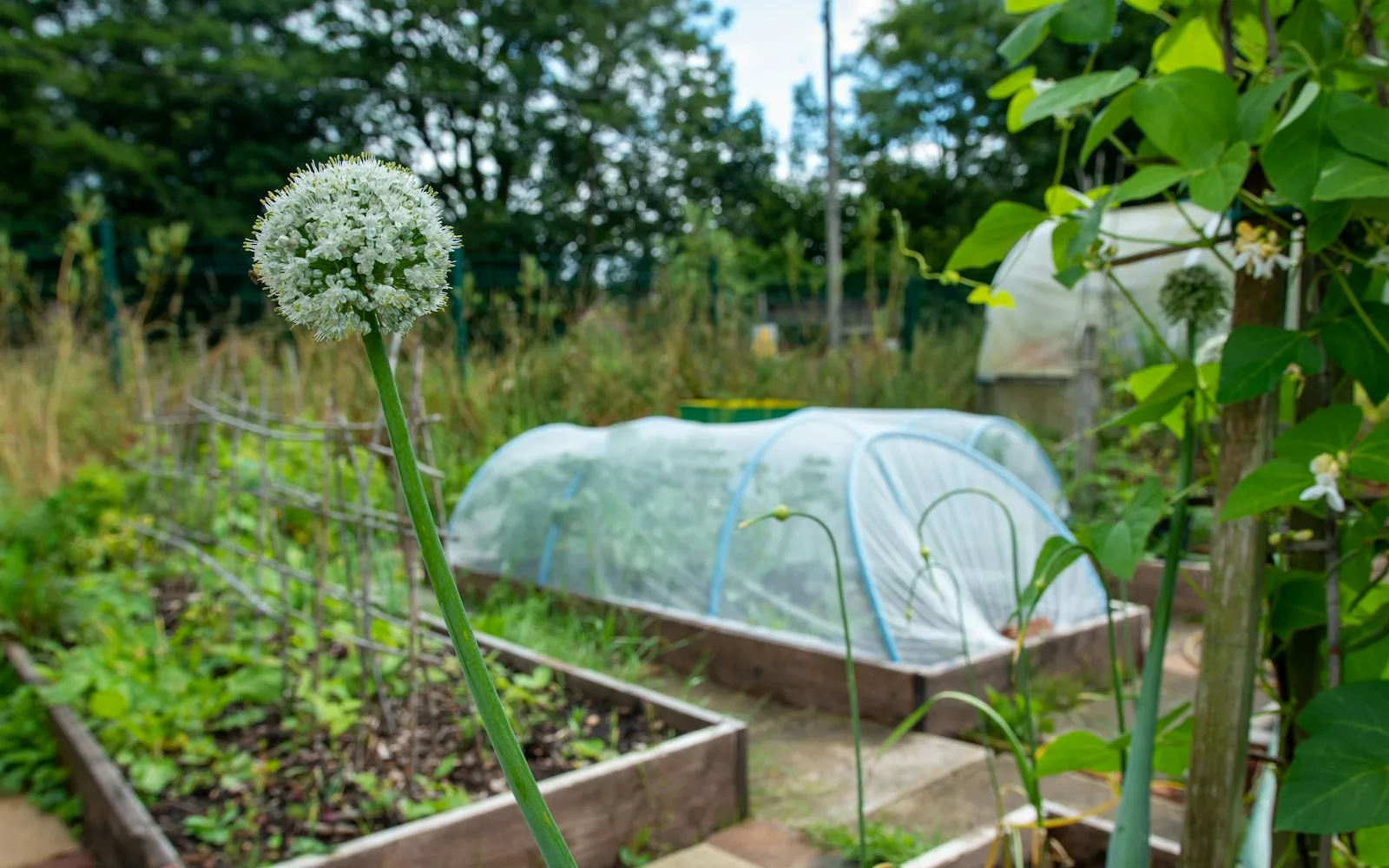
Daffodil bulbs are ornamental plant material, not food; keep them clearly separate from stored onions and other edible bulbs. The species is harmful if eaten. NC State Extension: Narcissus pseudonarcissus
At the end of the visible season, record whether the planting earned its space through both flowering and leaf decline. Keep successful groups, adjust access where trampling occurred, and expand only into comparable conditions. In North America, describe this European species as a naturalized ornamental rather than a locally native meadow plant. Its usefulness in a garden and its geographical origin are different considerations.
Sources and scope
Research-based guidance informed by institutional references. Cultivar, region and growing conditions can change the advice. Product inclusion does not imply hands-on testing of every model.
.jpg)