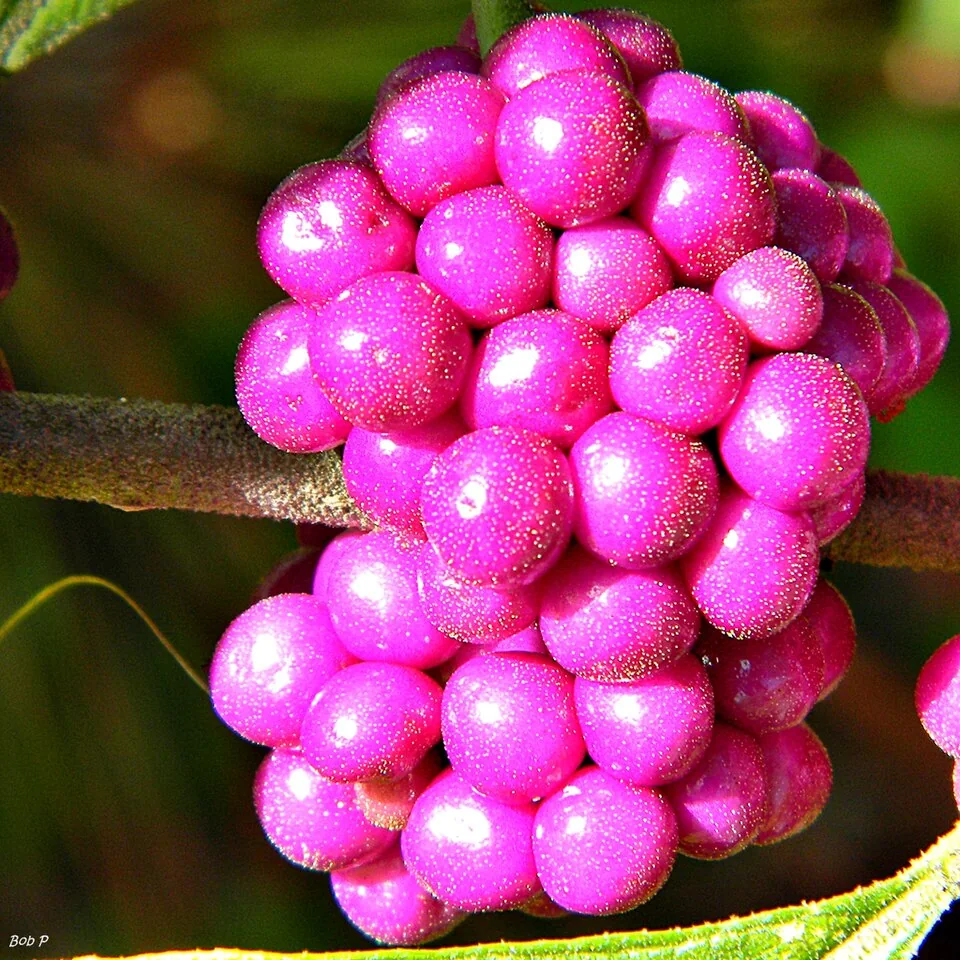
Confirm the American species on the label
American beautyberry is Callicarpa americana. The UF/IFAS plant directory records it in Florida flatwoods and hammocks and across the southeastern United States. A nursery label containing only beautyberry is insufficient if the species' regional origin is part of your planting goal. UF/IFAS Plant Directory: Callicarpa americana
UF/IFAS distinguishes C. japonica and smaller C. dichotoma from C. americana. White-fruited selections also exist; purple fruit alone cannot confirm identity. UF/IFAS Gardening Solutions: Beautyberry
Keep the species and any cultivar name with your garden record. If you inherit an unidentified shrub, photograph the leaves, fruit arrangement and entire habit, then seek identification before applying a species-specific care routine. The aim is to understand the plant you have, not to force a familiar common name onto the first purple-fruited branch.
Give it a seasonal job it can actually perform
Decide whether the shrub is an autumn focal point, an informal edge or part of a larger wildlife planting. Each can be a useful role without requiring year-round visual coverage. If privacy is essential from a particular window, assess that need separately before relying on this plant alone.
The Florida landscape account describes an open, arching shrub and recommends ample space for its sprawling form. It is deciduous, and its fruit can extend the display beyond leaf fall. These characteristics make the view through and around it part of the design. UF/IFAS: Callicarpa americana
Stand at the main viewing point and mark where you want the fruiting branches to appear. Leave enough background space to distinguish the clusters. A garden photograph can help you test that position, but include the whole shrub outline rather than adding only a close-up of the attractive fruit.
If several windows overlook the same bed, choose which view has priority. A branch arrangement that puts the fruit at eye level from a low seat may look quite different from an upstairs room. You can record both views, but the planting position should have one clear purpose. This helps avoid moving or trimming a successful plant merely because every possible viewpoint does not show the same amount of fruit.
Reserve width for the branches you want to keep
Measure the bed at its narrowest point, including the route used to open a gate, carry groceries or move a bin. A mature branch over that route will eventually demand a choice between access and display. Making the choice on a plan is easier than cutting a fruiting stem in late summer.
For a group, start by allocating the whole area and then decide how many plants belong within it. Do not fill every early gap simply to create instant density. Keep an approach from which the base and interior can be inspected after the plants grow together.
A loose edge near a lawn may be easier to live with than the same shrub squeezed between a path and a wall. If space is tight, compare a genuinely suitable alternative rather than assuming that a repeated haircut will give American beautyberry the exact shape shown in a formal hedge photograph.
Establish a moisture baseline without borrowing a calendar
At planting, learn where the original root ball ends so you can check it again. Compare its moisture with the adjacent soil during the first dry and wet spells. The same watering event can affect those two areas differently, and visible wet mulch is not enough information to judge either one.
Check that the water source and inspection route remain accessible after nearby plants expand. If the bed is at a woodland edge, observe whether tree roots and overhead foliage make the proposed position harder to manage than it appears in winter. A convenient site is one you can assess in the season when care is needed.
UF/IFAS Gardening Solutions notes drought tolerance after establishment and poor suitability for salt exposure. For a coastal site, being native to Florida does not mean the shrub is adapted to direct salt conditions. UF/IFAS Gardening Solutions: Beautyberry
Keep the initial routine simple enough that changes in growth can be interpreted. Record weather, soil observations and any intervention together.
Follow flowers and fruit as separate stages
NC State describes flowers and fruit on new shoots, with clustered fruit encircling the stems. This sequence explains why removing a developed summer branch also removes part of that season's potential display. NC State Extension: American beautyberry
Take a photograph when the small flowers are present and return to the same branch later. That makes it possible to distinguish a plant that did not flower from one that flowered but produced little visible fruit. A final autumn photograph alone cannot show where the sequence changed.
If fruit is sparse, first check the label, pruning history, light and plant condition. Do not automatically buy another shrub without understanding whether the existing plant had flowers to begin with. Adding plants changes the space commitment and should be a considered choice. Use the fruiting-wood and seasonal-screen guide for a more detailed way to record this progression.
Choose a pruning goal before a pruning height
A healthy shrub may need no size intervention if it fits its role. If it does need work, decide whether the goal is to remove damage, reduce an awkward framework or restore access. These are different tasks, and the amount removed should follow the goal rather than a universal annual height.
Maryland Extension identifies beautyberry among shrubs flowering on current-season growth and places their planned pruning in winter or spring before new growth. This supports scheduling structural work before the season's display develops. Maryland Extension: Pruning shrubs and hedges
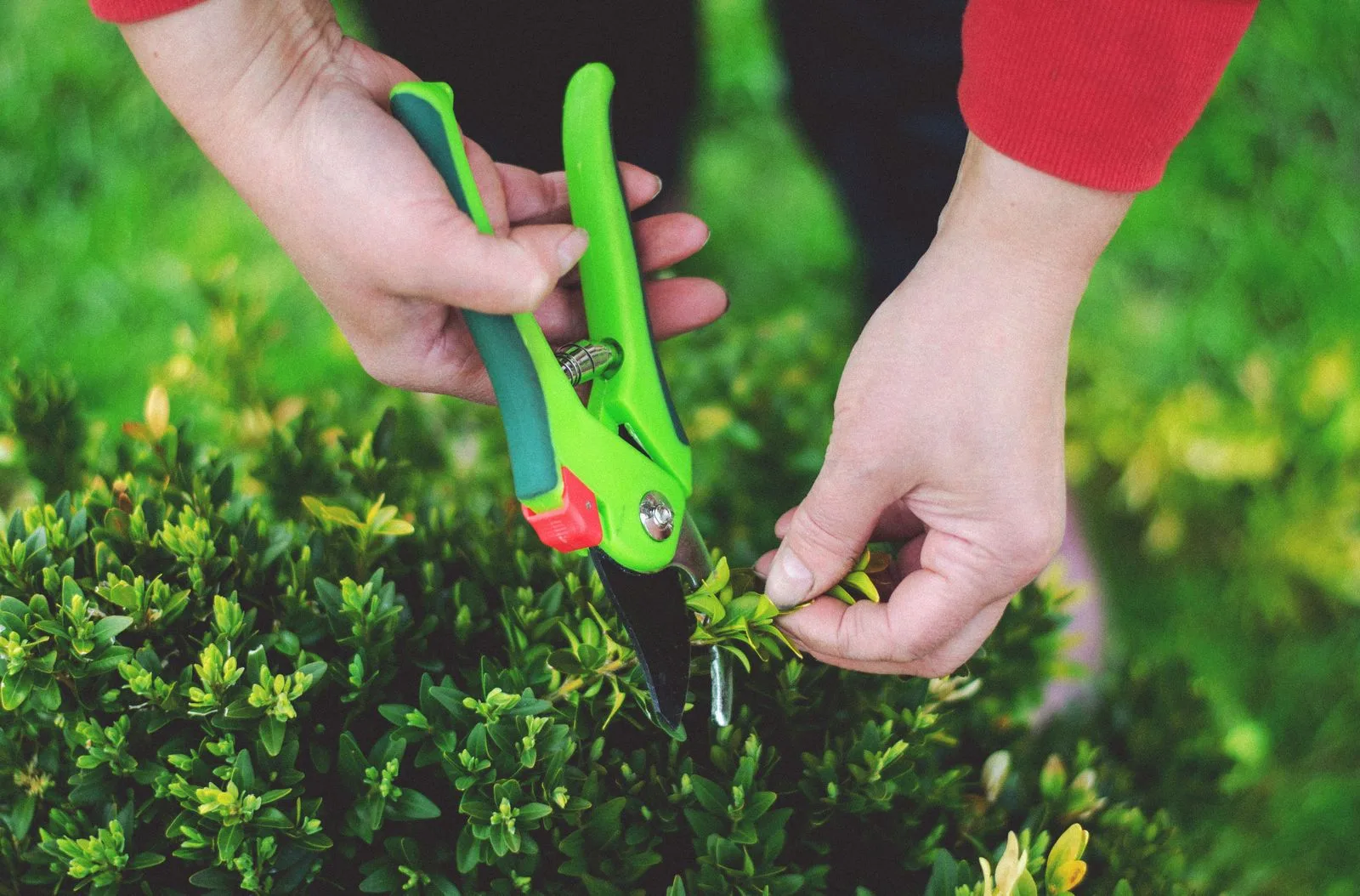
Choose a hand pruner for small stems only when its grip and cutting access suit you. The FELCO 6 and FELCO 9 are options for different hands, not a mandatory pair. If a stem is too large or difficult to reach, reassess the tool and task rather than forcing the handles closed.
Notice new plants before they become part of the design
The UF/IFAS species account notes that American beautyberry may self-seed. Additional plants are possible, but seedlings should not be assumed to reproduce every named cultivar trait. UF/IFAS: Callicarpa americana
During routine weeding, inspect unfamiliar woody seedlings before pulling them or deciding to retain them. Photograph a plant you cannot identify and keep the intended shrub positions clear on your plan. A volunteered plant is not automatically in a useful position simply because the parent is welcome.
If you want another beautyberry, compare a confirmed seedling with the need for a specifically named nursery selection. For a matching group, keep the identity requirement explicit. For an informal planting where variation is acceptable, make sure any retained plant still has its own growing space and an accessible position. Do not let chance placement override the paths and viewing areas you planned.
Keep the fruit display compatible with everyday use
Fruit retained for wildlife and fruit retained for viewing draw on the same branches. Decide whether any stems will be cut for indoor display before the best clusters form, then leave the rest in a place where they can remain undisturbed. There is no need to turn every branch into a harvested product.
Birds and small mammals may consume the fruit. Remaining clusters can persist after leaf fall and dry dark, so their display duration varies. UF/IFAS Gardening Solutions: Beautyberry
Record when the shrub provides the view you wanted and when it becomes visually open. Use the native-shrub seasonal plan to fill a real gap elsewhere in the garden. If access repeatedly conflicts with the best branches, consult the small-shrub moving guide before redesigning around another cycle of summer cuts.
Sources and scope
Research-based guidance informed by institutional references. Cultivar, region and growing conditions can change the advice. Product inclusion does not imply hands-on testing of every model.
_(7905062584).jpg)