Choose the look and the use before calling it a lawn
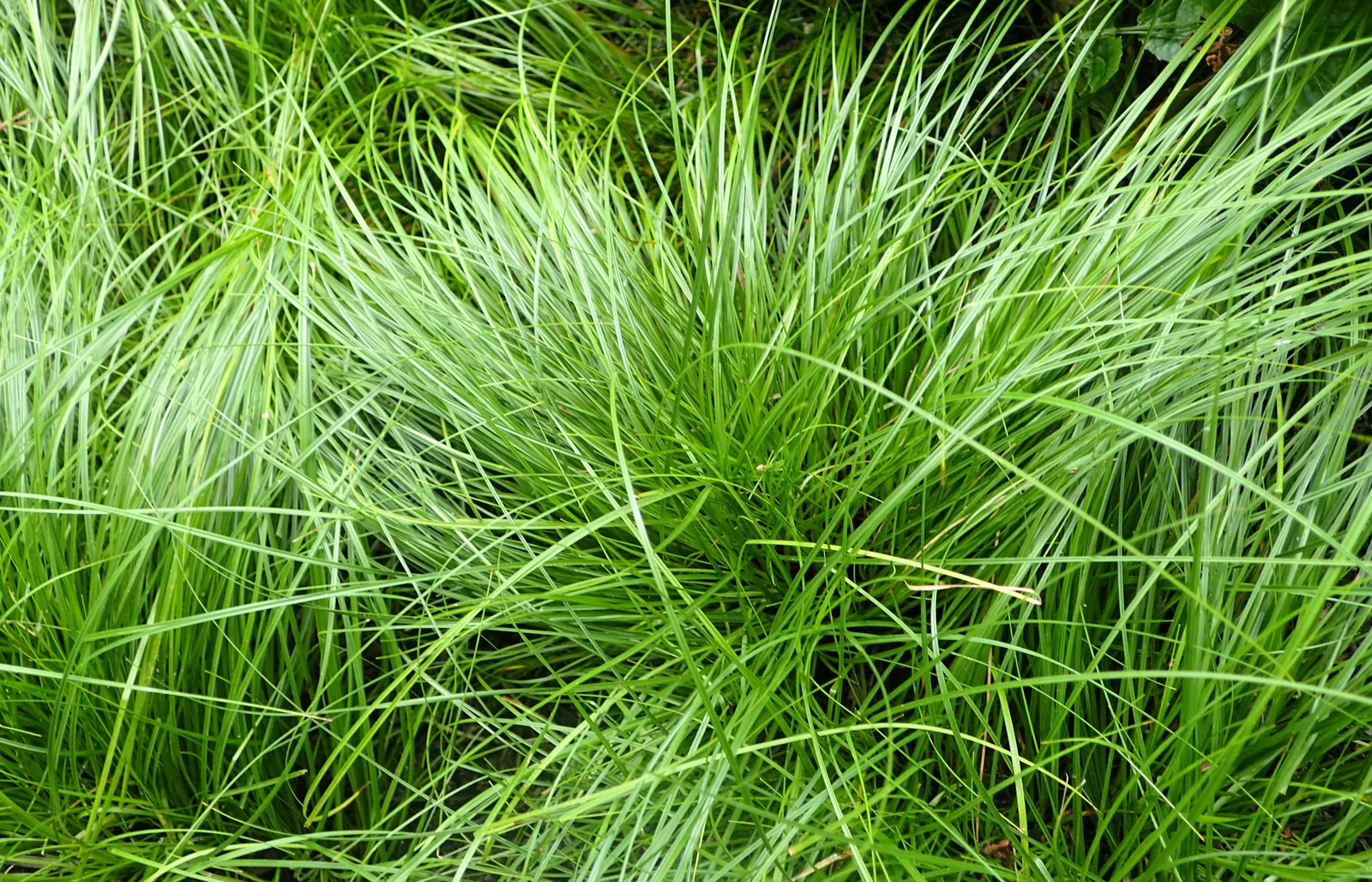
Pennsylvania sedge is useful when the goal is a low, fine-textured layer beneath trees or between compatible perennials. Before buying it, decide whether the area is meant for viewing, occasional garden access or regular play. Those uses demand different kinds of surface performance. Retain an obvious route wherever people walk to a gate, compost area or hose connection.
NC State Extension identifies heavy foot traffic as a limitation. Its lawn-alternative description is therefore best read as an opportunity to change the function of a shaded area. It does not make this plant equivalent to a frequently used turf surface.
Draw the proposed planted patch and walking route together. If a dog repeatedly follows the same fence line, keep that strip as access rather than planting it and hoping the habit changes. Where the entire area receives repeated wear, a different surface or a smaller ornamental planting may better meet the household’s needs.
Use regional evidence to choose the first trial location
Mt. Cuba Center’s Delaware trial found the species performed well in both sun and shade. It formed a looser carpet, and the cultivar ‘Straw Hat’ spread more slowly than the species in that trial. This is useful comparative information, not a universal forecast for how quickly a purchased plug will fill your bed.
In a cooler garden, a partly shaded outer woodland edge may make a practical first test. In a hot garden, begin with shade and a manageable group. Avoid making a large all-sun commitment solely because a successful trial exists elsewhere. Take photographs at the same time each month and note whether the plants need frequent supplemental water to retain an acceptable appearance.
Record plant source and cultivar alongside exposure. If two groups differ, those details help you interpret the result. Do not compare a recently planted tray with an older established colony and assume the difference comes entirely from sunlight. Establishment age, soil and root competition belong in the notes too.
Fit the planting between existing roots
Walk the site after rain and during a dry spell. Identify naturally open soil pockets and protect visible tree roots. A sedge underplanting should not require changing the grade, installing a raised bed around the trunk or trenching an edge through roots. Leave a mulch-only area where small plants cannot be fitted without damage.
Set out plugs first using the nursery’s spacing recommendation, then move individual positions around roots and rocks. Measure centers rather than pot rims. If you want to compare two appropriate spacings, place them in clearly marked separate patches so you can evaluate care requirements and coverage later. A mixed unrecorded pattern makes the experiment difficult to interpret.
Plant only as many positions as you can water promptly. Keep root balls supported during removal from trays and set them at the appropriate nursery depth. The dry-shade guide explains root-friendly preparation in more detail, while the spacing guide covers counts and installation.
Manage the open ground while the sedge expands
A newly installed sedge bed is still a collection of individual root balls. Inspect the original plugs as well as the soil around them, especially where roots from a tree share the pocket. Water when those checks show the plants need it, applying water gently enough that it enters the soil instead of running past the plugs.
Keep weeds visible and remove them before their roots become tangled with the sedge. When a grasslike seedling appears, identify it before pulling it from the middle of a desired clump. Keep clear photographs of the planted sedge near the bed’s records to help anyone sharing the weeding. Use labels for trial patches until the plants are easy to recognize.
Wisconsin Extension describes the species as rhizomatous. That spreading habit means the eventual colony can cross the initial planting positions. Keep the advancing edge inspectable and preserve space for smaller companions. Ground coverage should develop within a planned area, rather than quietly taking over every neighboring pocket.
Decide whether mowing serves a real purpose
Mt. Cuba Center’s Carex evaluation includes mowing assessments alongside ornamental performance. A mowing result addresses response under the trial’s management; it does not establish tolerance of sustained foot traffic. Keep the question of appearance separate from the question of wear.
An unmown planting may best suit a woodland bed. If you prefer a more even outline, first assess whether selective cleanup can provide it without driving equipment over tree roots or small companion plants. Do not automatically apply a weekly turf routine. Retain a clear border, remove debris as needed and allow the sedge’s natural foliage to provide the texture you selected it for.
Inspect winter-worn foliage before cleanup and work around emerging growth. Leave a small comparison area if you are testing a management approach. Record the date and appearance after treatment, then compare recovery with the untouched area. This gives you evidence for your own bed rather than an annual habit that continues without a clear benefit.
Notice the spring flowers before scheduling cleanup
Mt. Cuba Center’s growing profile describes modest April flowers pollinated by wind and an arching foliage habit. This is a different display from a flowering lawn full of conspicuous petals. Watch a clump at close range before dismissing the short brownish flower stems as dead grass.
If observing the complete seasonal cycle is part of your reason for planting sedge, leave a small marked group uncut through flowering. Compare it with the area you tidy for appearance. Record what you see without turning a few visits into a claim about total wildlife value. The point is to make maintenance an informed choice: a woodland ground layer can be appreciated for its subtle flowers and texture as well as for how evenly it covers soil.
Track identity, boundaries and seasonal performance
Native Plant Trust identifies Pennsylvania sedge as an early-flowering species and provides detailed botanical characters. Sedges can be difficult to identify from leaves alone. Buy accurately labeled nursery-grown stock, and seek confirmation if plants in the order look inconsistent or behave markedly differently.
Judge the planting across seasons. Track survival, weeds, spread, summer color and winter appearance separately. A patch can be healthy while looking different from irrigated turf, and a neat green surface can conceal a maintenance burden you do not want. If care remains excessive, reduce the planted area or select a different species for the failing zone.
Use the regional-screening guide before introducing the plant beside a natural area or sharing divisions. Keep an accurate name with any propagated stock. Preserve paths and manage the bed for the actual way the garden is used.
Sources and scope
Research-based guidance informed by institutional references. Cultivar, region and growing conditions can change the advice. Product inclusion does not imply hands-on testing of every model.