Buy a planting phase you can look after
A plug is a young plant with a small, intact root ball. It offers a practical way to plant many groundcovers, but the low price per plant can disguise the work of keeping a large number of small plants alive and visible. Start by deciding how much bed you can reach, weed and water during establishment. Divide a large project into phases if the honest answer is less than the total available area.
Compare quotations by the same usable unit. Count plants per tray, cell size, shipping terms and expected condition on arrival. A larger pot may be easier to see and more immediately presentable; a small plug may fit between tree roots better. Neither size removes the need for suitable conditions. Photograph the plants when they arrive and keep the labels until you have confirmed their identity.
Illinois Extension emphasizes irrigation and weed management while groundcovers establish. Budget time for both alongside the plant order. A lower-cost layout that requires more weeding can be sensible for a small reachable bed, but difficult on a broad bank or an infrequently visited property.
If you use drip irrigation, work through emitter spacing and representative wetting checks; plant spacing alone does not establish where water will reach.
Choose a spacing for this plant and this purpose
Find the recommended center-to-center spacing for the actual nursery selection. The name on the pot matters: similar common names can cover different species, and selections can have different habits. Ask whether a quoted width describes a mature individual, a colony after several years or the spacing used by the nursery. Those numbers answer different questions.
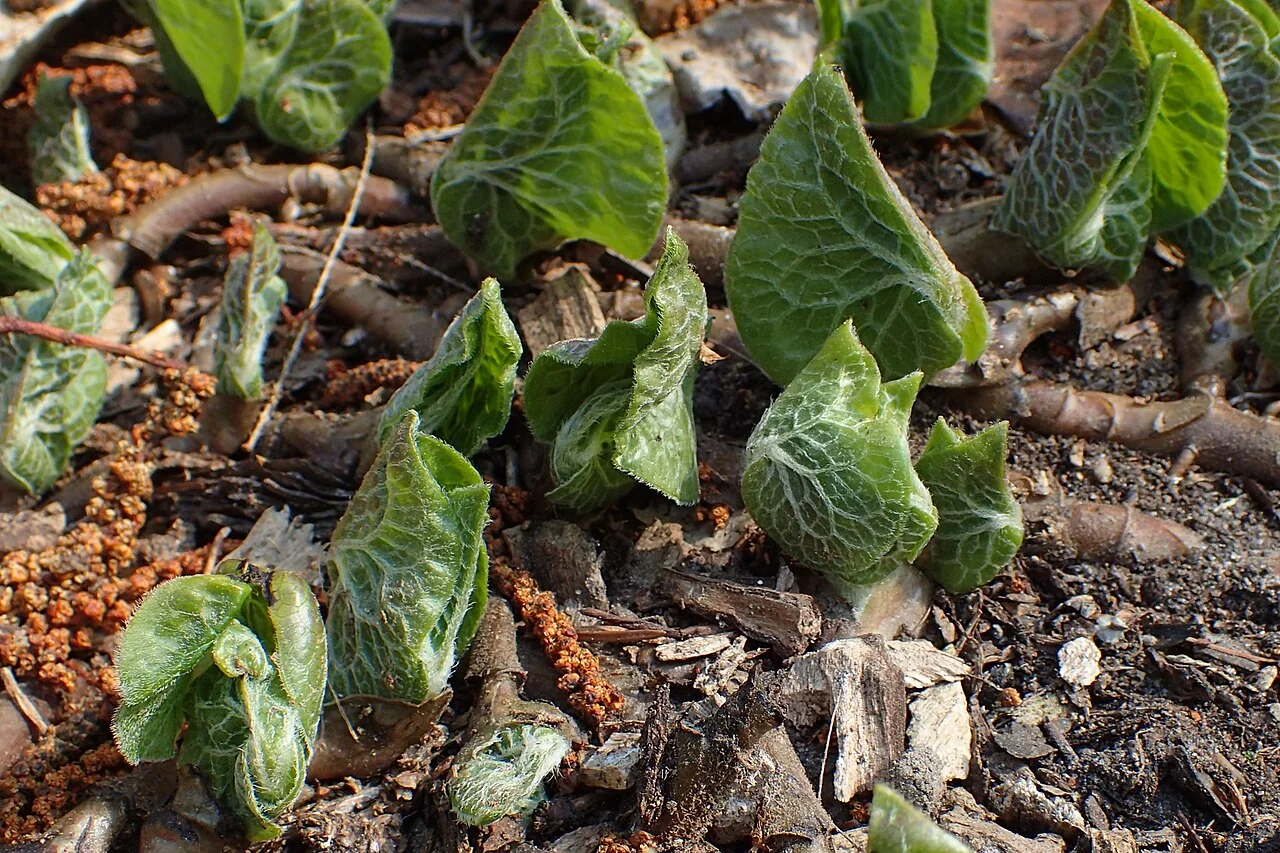
Wild ginger provides a useful example: Wisconsin Extension gives a 12–24-inch planting range. The closer and wider ends imply different plant counts and different amounts of open ground. They do not create two guaranteed dates for complete coverage. Choose within appropriate guidance according to your budget, access and willingness to care for the gaps.
Draw the intended role too. A continuous ground layer, groups around larger perennials and a border beside paving need different arrangements. Leave room for existing plants and service access. Do not crowd plugs against a wall because you have rounded up a tray order, or fill a path because it appears as blank space on the drawing.
Calculate the difference before ordering trays
For a square grid, estimated plants equal planted area divided by spacing squared, with both measurements in feet. At 12-inch centers, allow roughly one plant per square foot. At 18-inch centers, each position represents 2.25 square feet; at 24-inch centers, four square feet. This is geometry for planning, not a horticultural instruction to use any of those distances for every species.
In a 120-square-foot bed, those three square-grid estimates are 120, about 54 and 30 plants respectively. At 18-inch spacing, an equilateral triangular grid gives roughly 62 plants, because each plant occupies about 0.866 times the square-grid area. Keep the nearest-neighbor distance unchanged when comparing patterns. Simply offsetting alternate rows without reducing the row distance does not create that exact triangular geometry.
Use the plant-spacing calculator to compare options, then lay out and count actual positions. Subtract paths, tree-root exclusions and large companion plants first. Curves and edges can change a small bed’s count appreciably. Round your purchase to the supplier’s pack size only after deciding where any extras will be planted or temporarily cared for.
Set the layout on the ground before making holes
Use markers or the plants in their pots to place a complete small section. Sight along the edge and inspect the spacing from several directions. Measure from the center of one plant to the next, not from pot rim to pot rim. Shift groups around rocks or roots while preserving usable gaps. In a mixed bed, give the larger companions their space before fitting the groundcover around them.
On wooded ground, smaller root balls help reduce disturbance, as Maryland Extension’s shady-slope guidance explains. Treat buried roots as a reason to move a position, not a reason to cut through them. A planting plan should tolerate an irregular pocket or an unplanted area.
Install only the number you can water promptly. Keep waiting plants in conditions appropriate to their light needs, protected from drying wind, and check their trays rather than relying on the weather forecast. Do not scatter bare plugs across an entire bed and then begin digging at one end. Their original root balls can dry while you work.
Plant at the right level and verify the first watering
Moisten a dry root ball before planting so it is evenly damp and manageable. Remove the container while supporting the root mass, not by pulling on leaves. Make a hole suited to that root ball, set the plant at the proper nursery level and return soil around it. Keep the crown visible; burying foliage to make the plant stand upright is not a substitute for firm soil contact.
Water gently and inspect for settling. Correct a leaning or sunken plant while the planting is still accessible. Check beneath a sample root ball at the edge of the bed if you are unsure where the water went. Potting medium and garden soil can wet and dry differently, so the surface appearance of one does not prove the moisture of the other.
For a small planting, a hand trowel and an accessible hose cover the essential installation tasks. For a larger bed, design irrigation before the plants spread over it. Test the reach of water between outlets and at bed edges. Equipment should make it easier to inspect the root zone; it should not become a reason to stop inspecting.
Keep a repeatable record of moisture, weeds and growth
Choose a few representative plants and mark them on the plan: an edge plant, one in the middle, one in the driest pocket and one in the wettest. Check these regularly during establishment and after significant changes in weather. Record soil condition before watering and plant response afterward. This gives you a useful history when a patch declines, instead of a vague impression that the whole bed received enough water.
Remove weeds while small, taking care around the new root balls. Retain a modest mulch layer between plants where appropriate, without covering their crowns or preventing stems from reaching soil. As the planting spreads, reduce additions rather than repeatedly topping up to the original depth. Identify seedlings you intend to keep before a helper weeds the bed.
Maryland Extension treats groundcovers as plants with differing growth and seasonal characteristics. Evaluate the particular bed instead of assuming all groundcovers are permanent evergreen carpets. A deciduous species can be well established even when its foliage disappears, while an evergreen plant can retain leaves despite poor new root growth.
Close the gaps by solving their cause
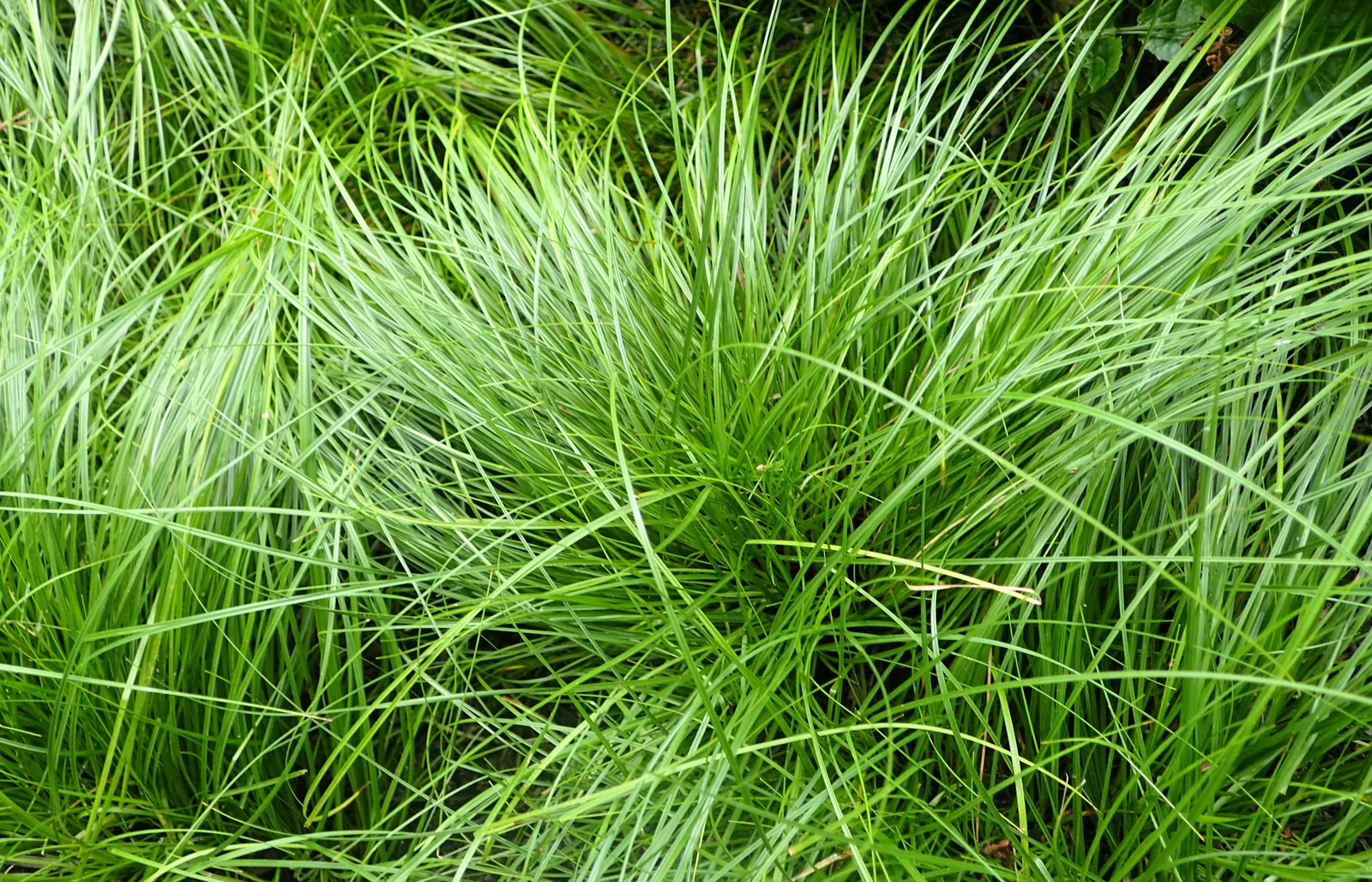
Trial results illustrate why closure dates should remain flexible. In Delaware, Mt. Cuba Center observed different rates of spread between Pennsylvania sedge and its cultivar ‘Straw Hat’. That is useful comparative evidence, but a trial’s growth is not a deadline for your soil, planting size or climate.
When a gap persists, compare it with adjacent successful positions. Look for shade differences, a dry irrigation margin, a root obstruction, repeated foot placement or buried crowns. Replant a random isolated loss with the same species if the surrounding group is thriving. Where several plants fail in the same strip, change the conditions or plant choice before ordering replacements.
At the end of the first growing season, count surviving plants and estimate how much ground they cover. Repeat the same assessment after the next spring flush. Keep purchasing decisions tied to that evidence: extend successful patches, divide healthy stock when appropriate, or reduce the project’s area if maintenance is excessive. The regional-screening guide helps assess the next species before it joins the bed.
Sources & further reading
We favor university extension guidance and original product documentation. Linked sources support the specific facts cited; they do not endorse Garden Gear Atlas.
- Illinois Extension: ground covers
- Wisconsin Extension: wild ginger
- Maryland Extension: native plants for shady slopes
- Maryland Extension: groundcovers
- Mt. Cuba Center: Pennsylvania sedge trial
_-_Guelph,_Ontario_02.jpg)