Let the tree define the planting space
Much of a tree’s working root system occupies the upper soil, and roots can extend beyond its canopy. Illinois Extension also notes that adding an understory increases competition. An underplanting therefore begins with protecting the tree, particularly when an old specimen already struggles with drought or disturbed soil.
Outline the trunk flare, visible roots, habitual walking routes and any previously disturbed areas on a rough sketch. Leave the flare visible and give exposed roots space. Do not start by deciding that a perfect circle must hold a uniform number of plants. Root positions will often require an irregular arrangement, and some of the most attractive plans combine planted pockets with a quiet mulched foreground.
If the tree is declining, recently damaged or of unusual value, seek arboricultural advice before changing its root zone. In an otherwise healthy setting, a small trial patch toward the outer part of the canopy offers a manageable beginning. Success means an understory that can coexist with the tree, not maximum plant density on installation day.
Measure shade and dryness as separate conditions
Observe the site with the canopy in leaf. Note direct morning light, afternoon light and continuous shade separately. Then check moisture after rain and later in a dry period. Tree foliage may intercept rainfall, while roots remove water from soil that looks sheltered and cool. A shady surface is not evidence of a moist root zone.
Choose several marked observation spots so you can compare the same places. A pocket beside an open lawn may differ substantially from one close to the trunk or under a dense evergreen canopy. Feel a little soil below the surface without gouging roots. Record whether the planting pocket stays evenly moist, dries intermittently or becomes persistently hard and dry.
Use those results to divide the plan. For example, reserve one moisture-retentive pocket for broad foliage and a drier outer patch for a sedge trial. Keep the driest, most root-filled strip mulched. Buying one species for every part of the bed before making these observations creates a difficult watering compromise later.
Choose a dry-shade candidate, then test its limits
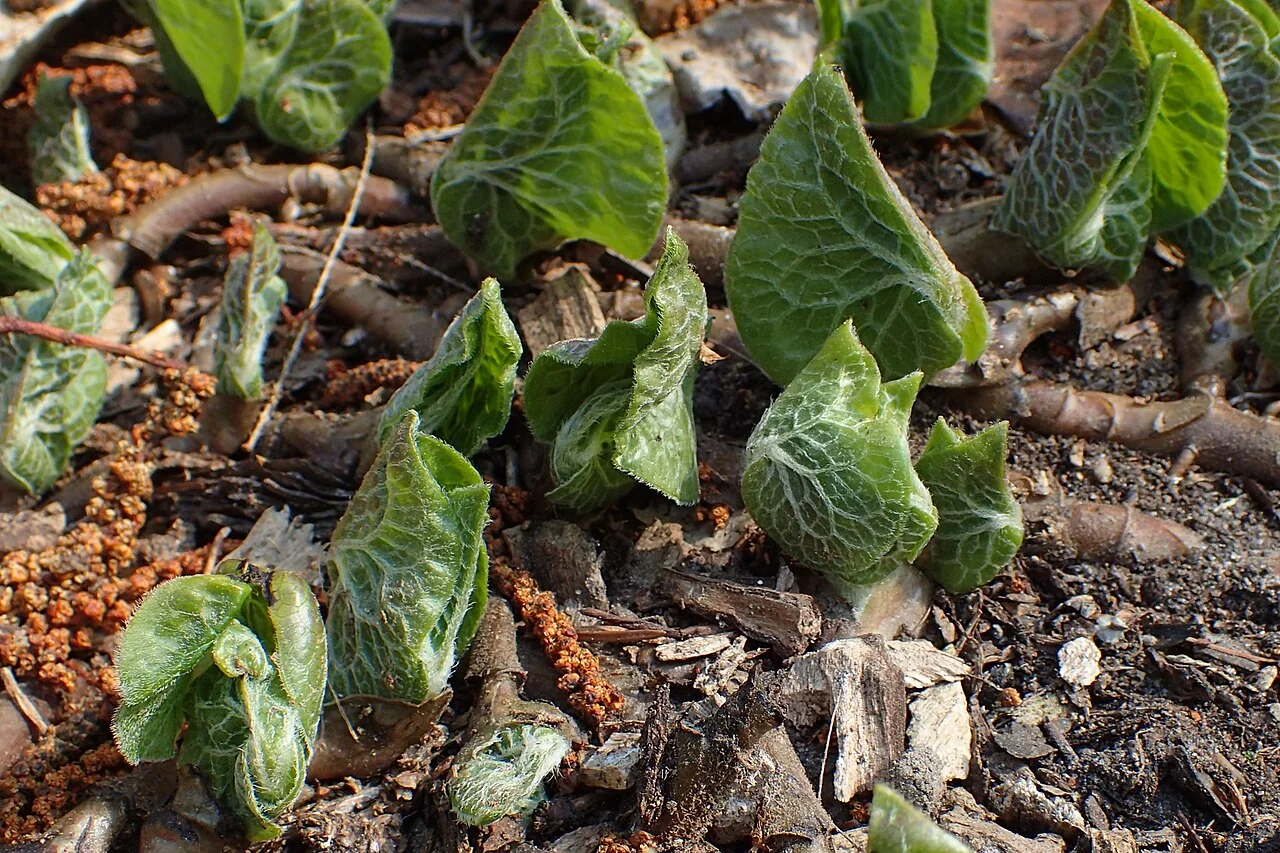
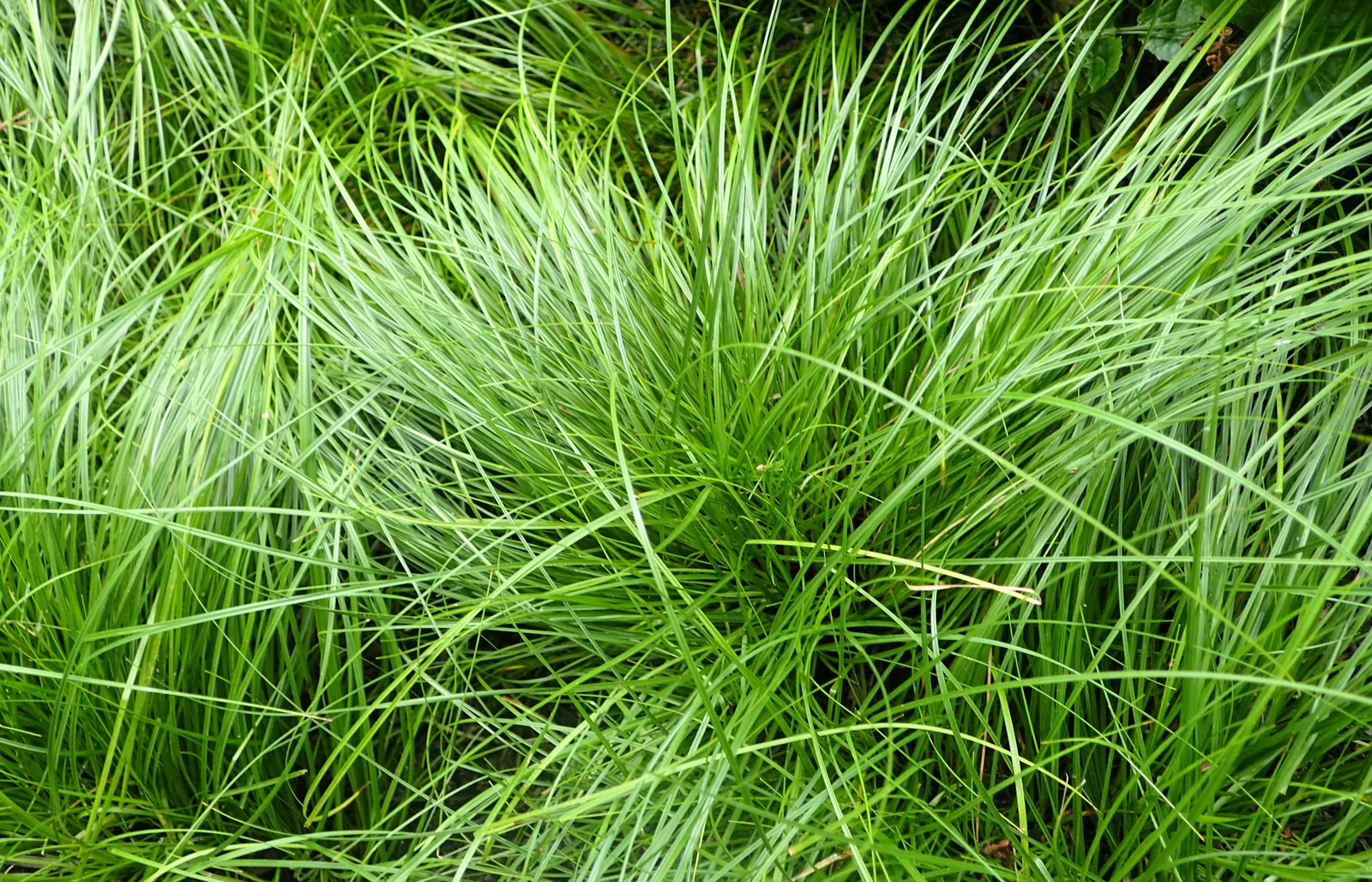
Wisconsin Extension’s groundcover comparison places Pennsylvania sedge in dry shade. It describes Canadian wild ginger as preferring moist, well-drained soil, with some tolerance of drier shade once established. That distinction matters: established tolerance does not tell you that a small new plant can go without watering.
Use Pennsylvania sedge where a soft grassy layer suits the design and local growing conditions support it. Keep a path through any area people cross regularly. A sedge carpet can replace the appearance of lawn in a sheltered corner without replacing its capacity for repeated play or trampling.
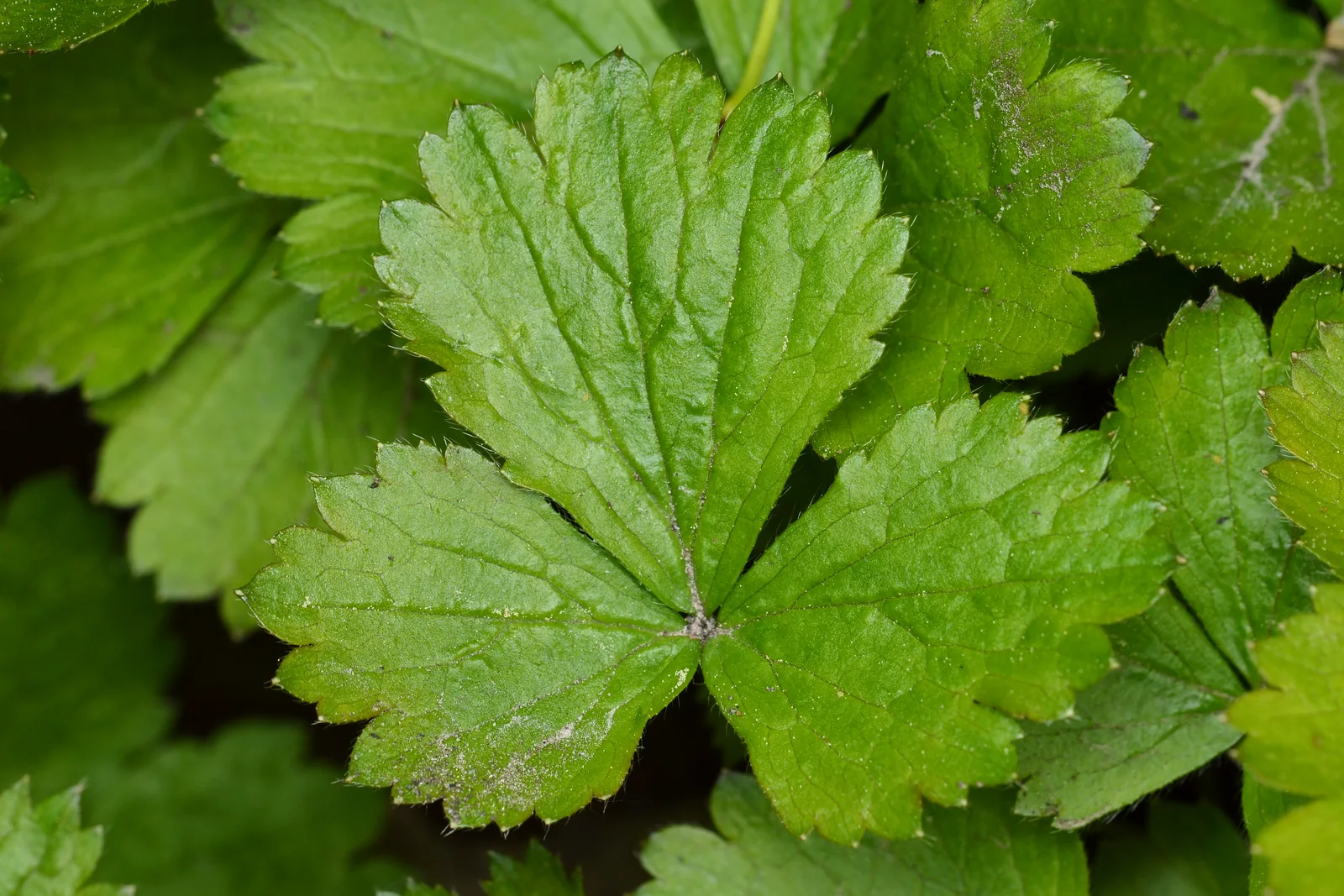
Use wild ginger in the cooler, more moisture-reliable pockets. Treat barren strawberry as another candidate to investigate for appropriate regional sites, after verifying its species identity. None should be a default answer for soil that is packed solid with roots and cannot be watered. Try a limited group through one summer before extending it around every tree in the yard.
Open individual pockets without excavating a new bed
Maryland Extension recommends small plants such as plugs or quarts to limit tree-root disturbance on wooded slopes. Use that principle on level ground too: choose a plant whose root ball fits an existing soil pocket, rather than enlarging the pocket to accommodate a large pot.
Move loose mulch aside and use fingers or a small hand tool to explore gently. If you encounter a woody root where the plant should go, move the planting position. Do not cut a root to preserve a spacing grid. Avoid powered augers, rototillers, edging trenches and repeated stabbing with a trowel. The layout can shift several inches; the tree cannot move its roots to match your drawing.
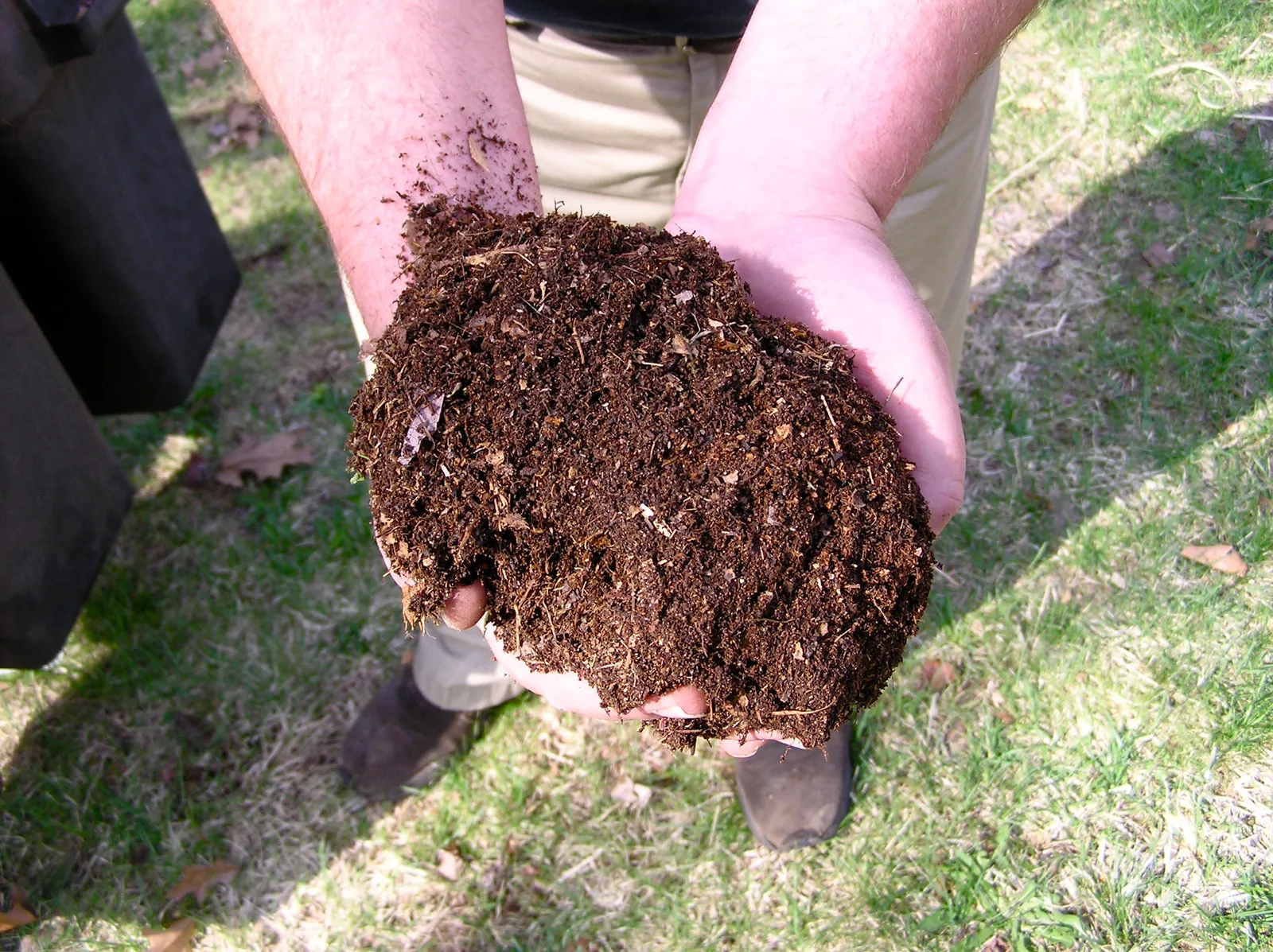
Keep the excavated soil nearby and return it around the root ball, preserving the original grade. Do not combine underplanting with wholesale soil replacement. Where there are no suitable pockets, stop digging and use mulch. A few grouped plants in workable soil produce a more useful result than dozens forced into holes among damaged roots.
Use mulch as part of the design without burying plants
Adding heavy soil layers or raised flower beds over surface roots can harm trees, according to Illinois Extension’s tree guidance. Build the design at the existing level. If the exposed roots prevent a continuous green carpet, accept the interrupted pattern instead of covering them to make planting easier.
In the open areas between plants, keep an organic mulch layer that remains clear of small crowns. Check the existing depth before adding more; repeated annual top-ups can bury an otherwise correctly planted bed. Near tiny plugs, use a lighter hand and make sure each plant remains visible and reachable. A thick tree-mulch recommendation should not become a blanket over low groundcover foliage.
Retain a natural leaf layer where it is loose and compatible with the plants. Lift off dense mats that pin new leaves down, relocating them elsewhere in the garden. Keep a defined path and tidy bed edge if you want the woodland planting to look deliberate. A clean outline often does more visually than packing every interior gap with additional plants.
Plan separate watering checks for new plants and the tree
Water newly installed plants where their roots actually are. A moist outer bed does not prove that a small plug beside a tree root is moist too. For the first weeks, inspect representative plugs frequently enough to learn how quickly they dry; hot wind and small root balls may require closer attention than a mild, rainy week. Let those checks determine your next watering, rather than following a fixed daily rule.
Apply water gently so it enters the planting pockets. If the surface sheds water, use repeated short passes with pauses. Afterward, inspect a root ball and the nearby soil to confirm that both received water. A hose you can carry around the outer edge is often sufficient for a modest trial. Avoid dragging it across young plants or wrapping it tightly against the trunk.
A watering plan for the understory does not automatically meet the needs of the tree. Conversely, a mature tree’s occasional deep watering may leave shallow nursery root balls dry between visits. Coordinate both tasks for the species, soil and rainfall. Reconsider an underplanting that would demand a permanently wetter root zone than the tree can tolerate.
Expand only after the first summer answers the questions
Compaction and construction traffic can damage tree roots, as Illinois Extension’s root-protection guidance explains. Keep soil bags, deliveries and repeated wheelbarrow trips outside the protected area. Installation logistics are part of root protection, even when the plants themselves are small.
Mark each trial group and photograph it from the same position. Record survival, new growth, leaf damage and watering effort. A plant that stays alive only with constant rescue watering may not be the right long-term choice. Compare groups against their own planting dates and sizes; a larger nursery pot can look successful early without proving better adaptation.
At the end of the growing season, expand the group that performed acceptably, adjust the location of a marginal group or retain mulch where nothing established comfortably. Use the spacing and establishment guide to calculate the next order. Keep the original sketch with the plant names and observation notes, so future care follows the site’s evidence rather than the memory of its first spring appearance.
Sources & further reading
We favor university extension guidance and original product documentation. Linked sources support the specific facts cited; they do not endorse Garden Gear Atlas.
- Illinois Extension: where tree roots grow
- Wisconsin Extension: alternatives to lawn
- Maryland Extension: native plants for shady slopes
- Illinois Extension: tree problems
- Illinois Extension: protect trees and roots