Define the concern before you judge a vigorous plant
Under the federal definition summarized by USDA’s National Invasive Species Information Center, an invasive species is non-native to the ecosystem being considered and causes or is likely to cause harm. Vigorous growth within a garden is a different question, although it still affects plant choice and maintenance.
Write down the outcome you want to avoid. It may be a groundcover engulfing small perennials, a plant escaping into adjacent woodland, roots entering a shared boundary or repeated cleanup beyond your available time. These concerns can overlap, but answering only one leaves gaps. A species may be manageable in a large designed bed yet unsuitable beside a sensitive natural area.
Give the proposed planting an explicit boundary on your plan. Then name who will maintain it and how often they can visit. If nobody can regularly inspect the far side of a fence, do not treat that fence as a reliable containment plan. The practical question is whether the plant fits the whole setting, including the places you seldom see.
Resolve names before you search or purchase
Record the complete botanical name, cultivar if present and any synonyms listed by a credible botanical source. Photograph the nursery label. Search both the accepted name used by your regional authority and common nursery synonyms. A common name alone can retrieve information about several plants with different origins and habits.
Barren strawberry demonstrates the problem. The Morton Arboretum explicitly distinguishes Waldsteinia fragarioides from the closely related W. ternata and notes that they are often confused. Native Plant Trust treats the North American plant as Geum fragarioides. Match the plant being offered to that identity before treating a label as evidence of local nativity.
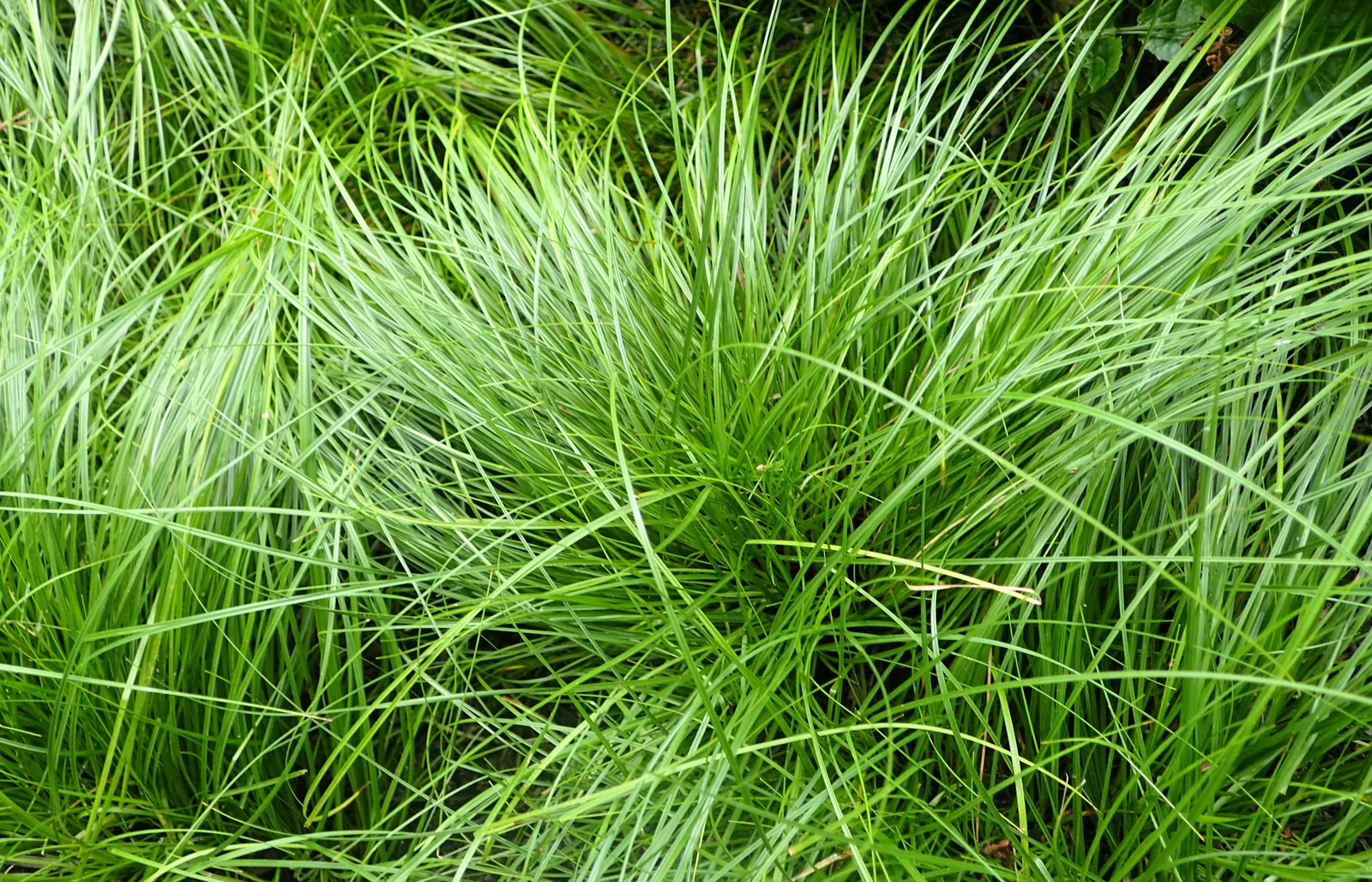
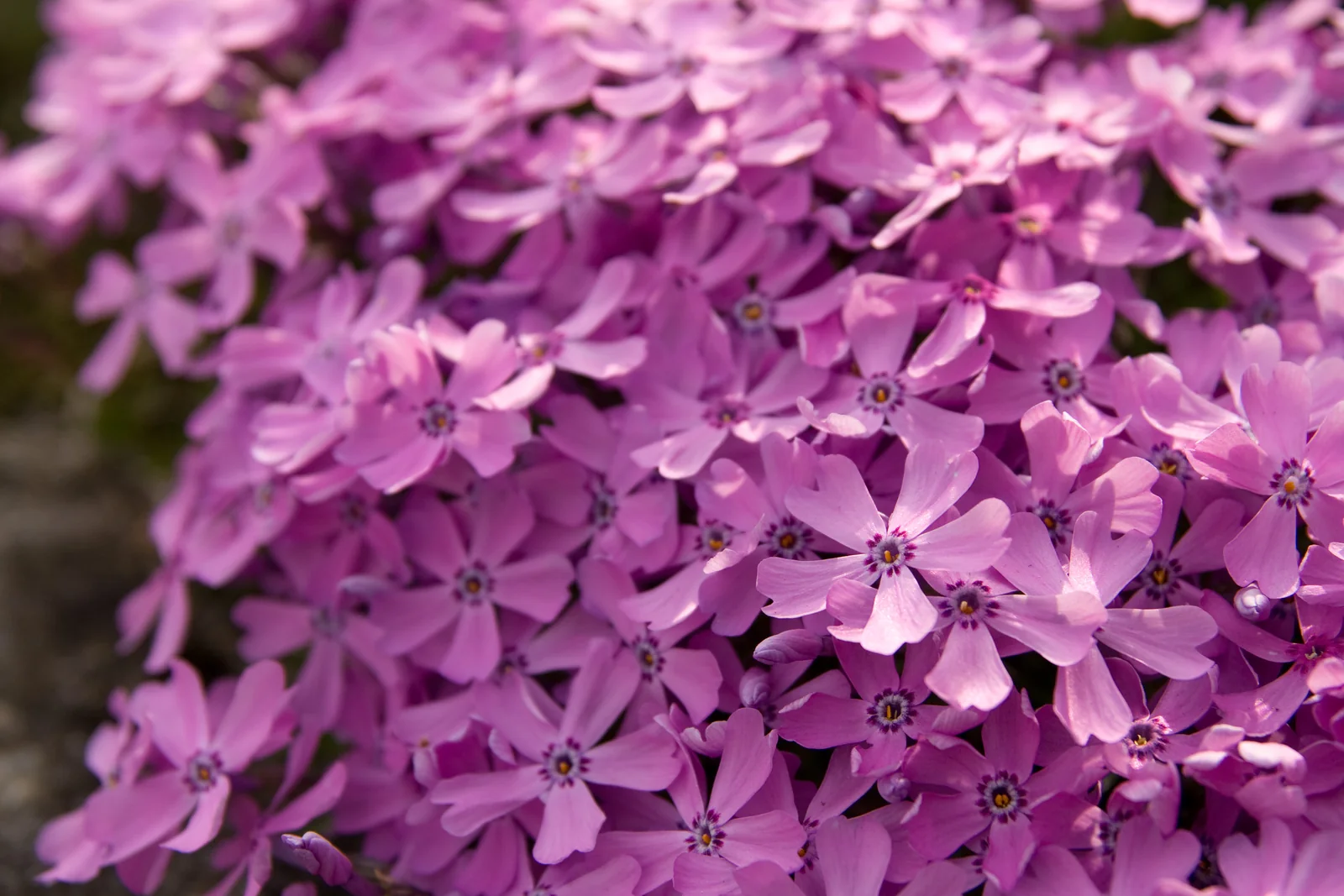
Use the same discipline for “creeping phlox,” “native sedge” and any mixed groundcover tray. Ask for a species list when a seller provides only a marketing description. If identity remains unresolved, delay the purchase or buy an accurately identified alternative. A small uncertainty at the nursery becomes a much harder problem after hundreds of plants spread together.
Check regulation and ecological guidance separately
USDA’s species-list directory links national, regional and state resources, while directing readers to the relevant regulating agency for current rules. Use the directory to find that agency, then read its current plant list and any cultivar-specific language. Record the date you checked and the exact name searched.
Next consult local extension, a state invasive-plant council or a regional conservation organization for ecological recommendations. A sale restriction and an ecological warning answer different questions. Avoid interpreting absence from a prohibited list as approval for planting beside a stream, woodland or protected habitat. Equally, do not assume that a warning written for another climate describes local behavior precisely.
Keep a simple note for each candidate: identity confirmed, agency checked, regional assessment found, suitable habitat and remaining uncertainty. If sources conflict, ask the local extension office about the exact species and cultivar with your location and site conditions. A regional question accompanied by a clear label and a site photograph is easier to answer than “Is this groundcover safe?”
Read the regional limits hidden inside plant lists
A groundcover recommendation often contains conditions that disappear when the plant is repeated on a general list. For example, Oregon State Extension cautions that sweet woodruff may be invasive in parts of Oregon and Washington. Read those location-specific notes before transferring a familiar shade-garden recommendation to a different region.
Native range requires similar care. A plant native somewhere in North America is not automatically native to your county, watershed or ecoregion. A botanical distribution map may distinguish native occurrences from introductions; a simple list of states where a plant is present may not. For a habitat-oriented planting, choose a source that makes that distinction and ask about nursery propagation and provenance.
Climate fit is another screen. A plant can be ecologically appropriate but poorly suited to the actual heat, drainage or shade in your yard. Do not compensate for weak performance by selecting the fastest-growing replacement available. Revisit the site observations and choose a plant whose normal requirements you can meet without continually remaking the bed.
Identify the route by which the plant leaves its patch
Ask whether the species expands through creeping surface stems, underground rhizomes, seed or a combination. Then inspect your proposed boundary against each route. A narrow strip of paving may interrupt surface growth while offering little control over seed. A buried edge may still leave stems able to root over the top. Neither is a universal answer.
Maryland Extension’s English-ivy guidance illustrates why a groundcover must be evaluated beyond its lowest growth form: ivy can climb and mature. Do not assume that keeping a plant low in one photograph describes its entire life cycle. Look for information about flowering, fruiting and escape into nearby habitats.
For an appropriate species that spreads acceptably, make observation easier. Retain an accessible edge, keep plants clear of drain openings and avoid placing tiny slow-growing neighbors directly in the expansion front. Mark a few boundary positions on the plan and photograph them at the same times each season. This turns “it seems to be spreading” into a visible comparison.
Set a maintenance trigger you can recognize
Choose concrete triggers before the bed fills in. Examples include stems rooting beyond the agreed edge, seedlings appearing in an adjacent bed, loss of space around a valued companion or a plant beginning to climb a tree. The trigger should prompt a planned action while the area remains small. Waiting until the whole border looks untidy makes removal more disruptive.
For acceptable garden spread, lift or trim the encroaching edge at a suitable time and inspect for regrowth. For an invasive or prohibited plant, follow locally appropriate removal and disposal advice for that identity. Do not distribute divisions as free plants, dump material beyond the property or assume an ordinary cool compost pile will eliminate viable propagules. Ask the receiving waste service what it accepts before bagging or transporting material.
A difficult established infestation may need several seasons of follow-up. Keep new planting out of the areas still producing repeated regrowth, or use a staged plan that keeps each section accessible. If tree roots are involved, protect them during removal; trading an unwanted groundcover for root injury creates another problem.
Recheck the plan when the garden changes
Repeat the screening when buying a replacement, accepting a division or changing the planting’s surroundings. A fence removal, new irrigation, tree loss or added compost can change the growing environment and ease of spread. Revisit the agency page when a substantial new order is planned, especially if the previous check is several seasons old.
Keep a plant inventory with species, cultivar, source, location and approximate planting date. For the four plants covered here, the creeping-phlox, Pennsylvania-sedge, wild-ginger and barren-strawberry profiles explain gardening conditions; they do not replace a local ecological screen. Use the inventory to keep names consistent when sharing care with someone else.
Choose the candidate that meets the site and maintenance requirements with the fewest unresolved questions. If you cannot confirm identity, establish regional suitability or describe how you will manage its spread, leave that area mulched while you investigate. There is no requirement to fill every gap this season. A deliberate pause before planting is much easier than identifying and removing a mature mixed colony.
Sources & further reading
We favor university extension guidance and original product documentation. Linked sources support the specific facts cited; they do not endorse Garden Gear Atlas.
- USDA: what defines an invasive species
- USDA: species lists and regulating agencies
- Morton Arboretum: barren-strawberry species comparison
- Native Plant Trust: Geum fragarioides
- Oregon State Extension: groundcover profiles
- Maryland Extension: English ivy