Compare locations before comparing flower colors
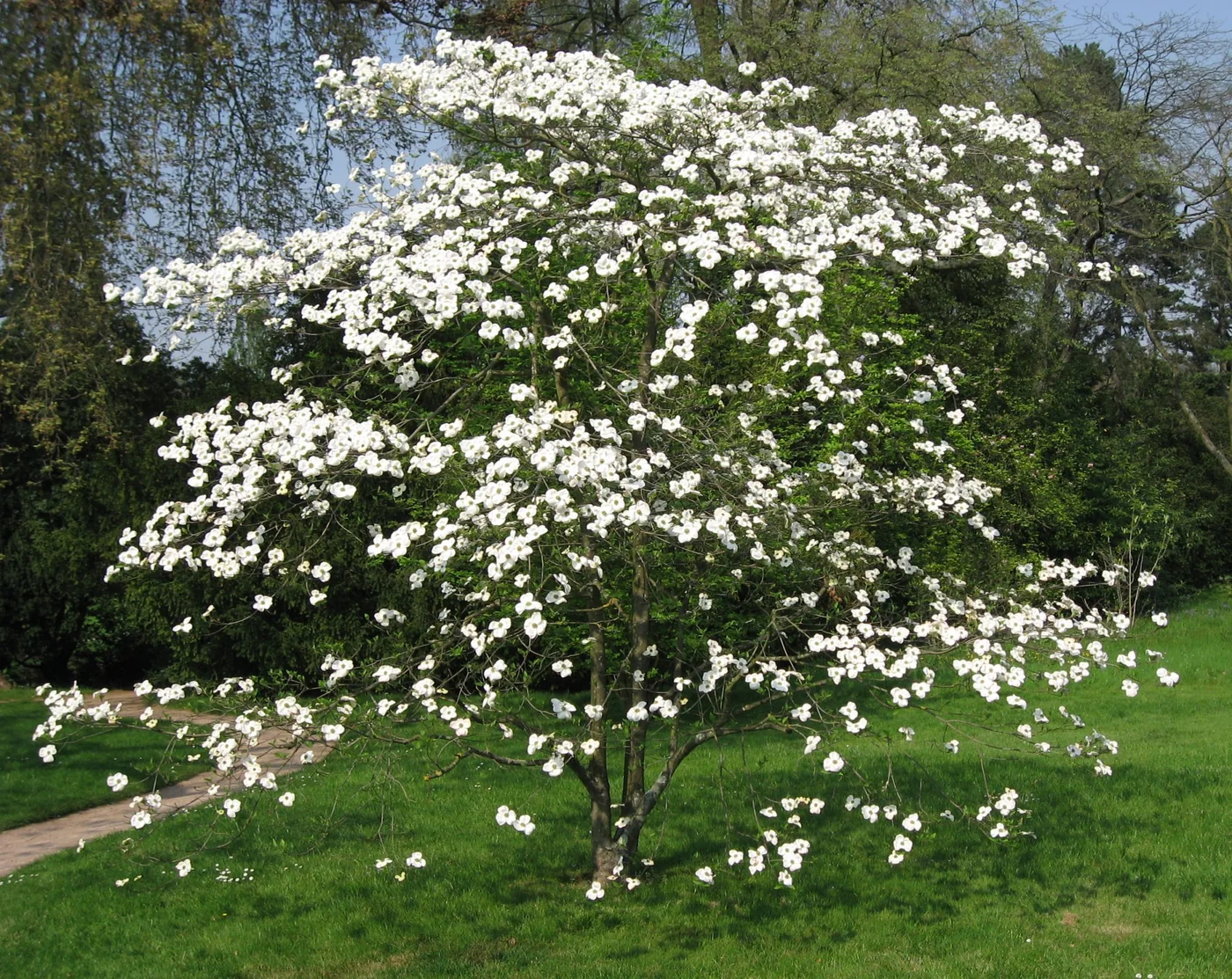
Use this guide for flowering dogwood, Cornus florida. Kousa dogwood, shrubby dogwoods and hybrids have different traits, so a generic dogwood care tag can send the site decision in the wrong direction. Start with two or three candidate positions, even if one is already your favorite view from a window. For each, note summer afternoon exposure, nearby hard surfaces, soil moisture after rain, available rooting space and a realistic water-delivery route.
The practical question is whether a location can support both the desired crown and its roots through a demanding summer. Georgia Extension identifies drainage and protection from drought as fundamental needs and warns that hot, dry exposures and dense shade present different problems. Treat those as separate checks. A darker place is not automatically the wetter place; a wetter place is not automatically the better place. Use the small ornamental tree guide if no candidate gives the whole tree enough room. Georgia Extension: growing dogwoods
Distinguish sunlight from reflected heat
Count direct sunlight, but also describe where it arrives from. Morning sun beside open soil differs from late-day sun reflected from a wall and drive. Maryland Extension specifically advises avoiding paving that reflects heat and limits root moisture. Its species profile allows that a tree with generous rooting space and irrigation can succeed in more sun, while heavier shade can increase leaf-disease pressure and reduce flowering. This is a tradeoff to assess, not a reason to choose either maximum shade or maximum sun everywhere. Maryland Extension: flowering dogwood
Walk each location on a clear summer afternoon and take a photograph from the proposed trunk position. Include the surface beneath the future canopy. If you are assessing in winter, mark the observation as incomplete and consult summer photographs or revisit when adjacent trees are leafed out. Also ask whether current shade is reliable: a declining overhead tree or a planned building change may alter the conditions after the dogwood is planted. A site description needs to reflect the coming garden as well as today’s shade.
Test moisture and drainage as separate properties
A location may be dry most of the week but temporarily saturated after a storm. Another may remain damp without pooling. Observe both: where water collects immediately after rain and how the soil feels below the surface later. Flowering dogwood is susceptible to root rot in poorly drained or repeatedly flooded ground. Clemson’s guidance pairs moisture with drainage; neither half of that requirement cancels the other. Clemson Extension: dogwoods
Before digging a permanent planting hole, check the site’s drainage using locally recommended methods and account for roof runoff or irrigation from neighboring beds. Do not assume a bag of compost in the hole will correct a larger drainage problem. If the only practical position receives chronic runoff, relocate the planting or resolve that site issue first. The root-flare planting guide addresses depth once a site is suitable. It is not a substitute for assessing whether the surrounding soil can support aerated roots.
Ask what will compete with and protect the roots
Shade from a larger tree can reduce exposure while bringing root competition. A lawn also competes for water in the shallow soil. Minnesota Extension explains that turf can slow woody-plant establishment, and its watering guidance calls for moisture in both the original root ball and the backfill into which new roots grow. A small decorative circle should therefore not define the permanent care area. Plan a rooting zone that can expand as the dogwood grows. Minnesota Extension: watering newly planted trees
Sketch the bed boundary, mower route and future underplanting before installation. Keep routine digging and traffic out of the tree’s rooting area. The dry-shade groundcover guide is useful where the new planting shares ground with an established tree: adding plants must not require cutting through that tree’s major roots. Around the young dogwood, leave enough open surface to check moisture and adjust irrigation. A broad, simple bed is easier to inspect than a crowded display assembled on planting day.
Check soil chemistry without turning shade into a fertilizer prescription
A soil test can identify pH and nutrient conditions that a visual inspection cannot. Flowering dogwood generally favors acidic soil; Maryland’s growing reference uses pH 5.6–6.5. Ask the testing service to interpret the sample for the proposed tree rather than borrowing recommendations intended for turf or a vegetable bed. Poor growth in alkaline or otherwise unsuitable soil is a different management problem from insufficient water. Maryland Extension: growing flowering dogwoods
Use the soil-test interpretation guide to identify what the report actually recommends and the area to which a rate applies. Soil pH affects nutrient availability, and changing it depends on soil properties; an acidic fertilizer name is not evidence of a suitable correction rate. If the existing soil would require continuing intervention just to maintain an appropriate root environment, include that work in the tree-selection decision. It may be more practical to choose a locally suitable alternative from the trees, shrubs and vines topic. Maryland Extension: understanding a soil test
Commission watering by checking where the water arrives
After planting, inspect moisture in the root ball and just outside it rather than trusting the lawn’s watering schedule. Maryland advises frequent checks initially and continued monitoring through the first two years, including several inches below the surface. Direct water to the soil, allow it to infiltrate and recheck more than one point. Persistent puddling calls for investigation; a longer irrigation cycle can make saturated roots worse. Maryland Extension: watering trees and shrubs
For one accessible tree, a hose moved deliberately through the needed area may be manageable. For several trees or a wider bed, compare the actual wetting pattern of soaker hose and inline drip. Label the original root-ball position in your planting sketch so later checks do not drift to an easier, wetter spot. Record a useful watering result as “the ball and adjacent soil were moist at the check depth,” alongside weather and timing. Recording only minutes of runtime loses the evidence needed to adjust the next cycle.
Use mulch to buffer the soil and preserve access
Surface mulch reduces evaporation and moderates soil temperature, but too much can create another problem. Maryland’s mulching guidance favors a shallow layer and keeps mulch off bark. Apply enough to protect a broad area while retaining a clear trunk base; check the existing depth before topping up. Do not hide a low planting or trunk wound under a new decorative mound. Maryland Extension: mulching trees and shrubs
The young-tree rooting-area guide helps integrate this with mowing and maintenance. During your first hot spell, pull mulch aside at the same inspection points used after planting. Check below it, replace it gently and compare the shaded and exposed sides of the root zone. If a drip outlet wets only one small area, rearrange delivery instead of assuming the mulch will spread water everywhere. Review the boundary each season as shrubs expand and people take new shortcuts through the garden.
Use symptoms to choose the next check
Leaf scorch can occur when the roots cannot supply water as fast as foliage loses it during hot, dry conditions. Utah State describes browning at leaf margins and sometimes between veins, but that pattern should prompt investigation rather than automatic watering. First check moisture and recent heat, then consider whether root damage or a planting problem may limit uptake. Old scorched tissue will not become a reliable indicator of today’s soil condition. Utah State Extension: leaf scorch
Dogwood problems can overlap. Powdery mildew may distort new growth and cause scorch-like damage, while dogwood anthracnose can progress from leaves into twigs. Use Maryland’s diagnostic key and submit a whole-tree photograph, symptom close-ups and your moisture record when the pattern is unclear. Widespread wilt in wet soil and progressive branch dieback deserve prompt diagnosis. Do not select a fungicide from the word “anthracnose” alone: spot anthracnose and dogwood anthracnose are distinct diseases. Maryland Extension: dogwood problem key
Decide what a cultivar can and cannot change
Where disease pressure is a concern, ask for resistance to the specific locally important disease. ‘Appalachian Spring’ is an example of Cornus florida selected for dogwood-anthracnose resistance; it does not have the same resistance to powdery mildew. NC State also distinguishes cultivars with resistance to spot anthracnose. Those traits can improve a suitable planting choice, but none creates extra root space or prevents a chronically flooded location from staying wet. NC State Extension: flowering dogwood
End the first summer by reviewing the site rather than judging only the number of spring bracts. Could you keep both the root ball and surrounding soil suitably moist? Did the proposed shade last through afternoon heat? Did nearby turf, paving or runoff create more work than expected? Keep the successful setup, correct a clearly identified delivery problem, or reconsider the location while the tree is still young. The flowering dogwood reference provides the broader seasonal care context for that next decision.
Sources & further reading
We favor university extension guidance and original product documentation. Linked sources support the specific facts cited; they do not endorse Garden Gear Atlas.
- Maryland Extension: flowering dogwood
- Georgia Extension: growing dogwoods
- Clemson Extension: dogwoods
- Minnesota Extension: watering newly planted trees
- Maryland Extension: growing flowering dogwoods
- Maryland Extension: understanding a soil test
- Maryland Extension: watering trees and shrubs
- Maryland Extension: mulching trees and shrubs
- Utah State Extension: leaf scorch
- Maryland Extension: dogwood problem key
- NC State Extension: flowering dogwood