Give the tree one main job
A small ornamental tree can frame a view, mark an entrance, shade a sitting area, or add flowers above a perennial border. Decide which job matters most. A tree chosen mainly for an impressive spring display may have the wrong shape for summer shade, while a dense screen may hide the architecture you wanted to emphasize. Write one main purpose and two useful secondary qualities before making a shortlist.
Stand where you will actually see the tree: a kitchen window, the front walk, or a patio chair. Photograph those views and mark the proposed trunk position on a simple sketch. Include the point where branches would first become visible from indoors. A tree that looks perfectly placed from the street may put its canopy entirely above the window that matters to you.
The University of Maryland's selection guidance recommends considering purpose, mature dimensions, utilities, and site conditions together. Use those as separate filters. An excellent score for flower color cannot compensate for a canopy that will occupy the driveway.
Measure the future tree in three dimensions
Measure the space available for canopy height and width, then note overhead lines, eaves, lighting, signs, and neighboring vegetation. Identify underground utilities before settling on a digging location. A planting hole fitting between two obstacles does not establish that the future roots and branches fit there. Where utility clearances are involved, obtain the utility's own planting requirements.
Draw the expected mature canopy as a circle or oval to scale. For an illustrative tree expected to spread 18 feet, mark an approximate nine-foot radius around the trunk. Add working room wherever you need to walk, open a gate, or maintain a wall. That nine-foot figure describes the example's crown geometry; it is not a universal setback or a boundary beyond which roots cannot grow.
Read what a size label represents. Ask whether the quoted dimensions are typical mature dimensions, a ten-year estimate, or a nursery's observation under particular conditions. Check the exact cultivar rather than borrowing the size of another tree in the same genus. Words such as dwarf, compact, or patio need a dimensional explanation before they can guide placement.
Separate cold hardiness from everyday suitability
Use the USDA Plant Hardiness Zone Map to screen for winter cold tolerance. The zones describe average annual extreme minimum winter temperatures, and USDA explicitly notes that light, summer heat, moisture, wind, and local microclimates also affect survival. A matching zone number therefore begins the investigation; it does not finish it.
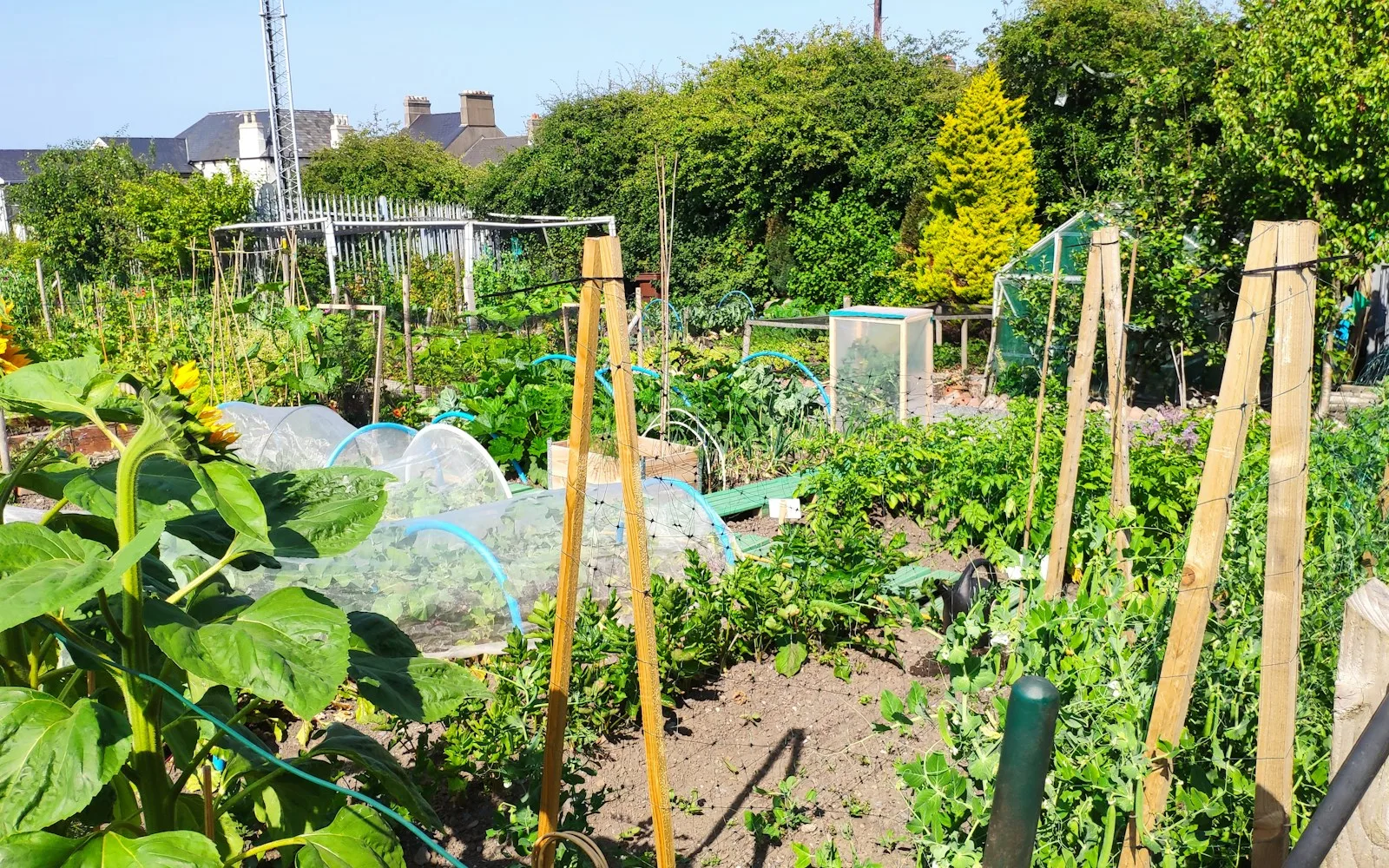
Record the direct sun reaching the site after nearby deciduous trees have leafed out. Observe where water stands after rain and whether the location becomes unusually dry beside pavement or under roof overhangs. If soil pH will determine which candidates are realistic, arrange a soil test before buying a tree that needs conditions you have not confirmed.
Compare the site you have with the care you can reliably provide. A sheltered border close to a hose is a different proposition from a hot driveway island you visit only occasionally. A tree that needs repeated interventions to compensate for the site may be a poor long-term match even when the purchase price is attractive.
Compare form as carefully as flowers
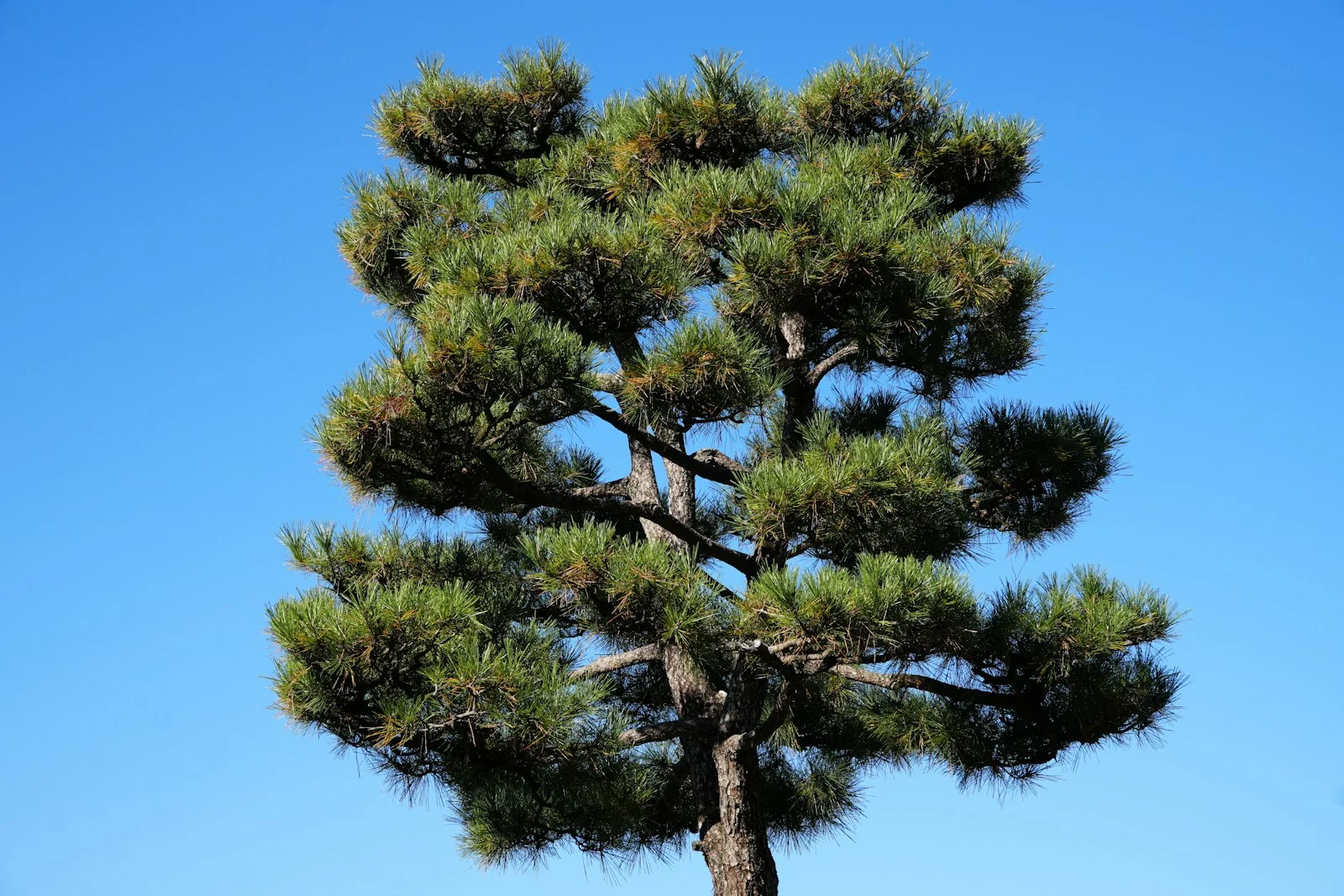
Look for mature photographs showing the whole plant, preferably growing in a climate similar to yours. A single trunk with a rounded crown, a vase-shaped tree, and a multi-stemmed specimen occupy space differently. Check whether the nursery plant is naturally that form or has been trained into it. A low branching specimen may be appealing in a border and awkward beside a narrow walkway.
Two regionally documented examples show why the details matter. Maryland Extension describes eastern redbud as a small tree that can reach 20–35 feet, suited to well-drained conditions but poorly suited to wet, poorly aerated soil. Its familiar flowers do not make it an automatic fit for a low, saturated corner.
The same institution's serviceberry guide distinguishes several species, including differences in suckering and growth form. A buyer wanting one clear trunk should ask which serviceberry is being offered and how it will be maintained. These are eastern-US examples for comparison, not a nationwide recommended pair.
Make a full-year maintenance picture
Imagine the tree in four seasonal snapshots. Note flowering, summer shade, autumn foliage, fruit or seed drop, and winter branching. Put the tree's useful qualities beside the routine they create. Fruit near a path, leaves beside a drain, and low branches near a mower matter because someone will manage them repeatedly.
Ask a local extension service or knowledgeable nursery about the shortlist's recurring pest and disease issues. Request information about the particular species or cultivar and local conditions. Disease resistance is a useful comparison trait, but it should never be translated into a promise of no disease. Likewise, confirm whether a North American native is native to your region before treating it as a local habitat choice.
Decide which compromises you accept. You might welcome fruit for birds over a mulched bed but dislike the same fruit over a seating area. You might choose a multi-stemmed form for winter interest even though it provides less under-canopy access. Writing those preferences makes the final choice defensible without pretending that one tree wins every category.
Inspect the plant you are buying
Once the shortlist fits the site, inspect the actual stock. Check the label, trunk, branching, and root-ball condition. Ask staff to help examine a container plant's roots rather than selecting solely from its foliage. If the roots or trunk raise concerns, choose a better specimen or obtain an explanation before purchase.
The University of Maryland's purchasing guide distinguishes bare-root, balled-and-burlapped, and container-grown stock. It notes that larger trees generally require a longer establishment period and that an intact root ball matters. This makes handling and aftercare part of the buying decision, not merely delivery logistics.
Compare two complete purchases: a manageable tree you can transport and plant correctly, and a larger tree requiring professional handling. Include delivery, installation, and watering access in both. A smaller specimen may leave room in the budget for better preparation. A larger one may be appropriate when its immediate effect justifies the extra care and installation cost.
Finish with a shortlist you can check
Limit the final comparison to a few candidates and keep one row of notes for each: exact name, mature dimensions, preferred site, seasonal value, growth form, and unresolved concerns. Use a question mark where evidence is missing. Filling every box with assumptions makes the comparison look finished while hiding the most important work.
Use the plant-spacing planner for a rough layout only after choosing realistic dimensions. Its grid cannot judge utility clearances, future canopy asymmetry, or competition from existing trees. Walk the proposed position again with temporary markers, then confirm that the tree still fits the view and access routes you identified at the beginning.
Before ordering, arrange an appropriate planting window and a first-season care plan. Keep the label and your site notes together. The strongest choice is the tree whose mature role, growing conditions, and practical maintenance all make sense in the same location.
Sources & further reading
We favor university extension guidance and original product documentation. Linked sources support the specific facts cited; they do not endorse Garden Gear Atlas.
- University of Maryland Extension: choosing trees and shrubs
- USDA Agricultural Research Service: using the Plant Hardiness Zone Map
- University of Maryland Extension: eastern redbud
- University of Maryland Extension: serviceberry
- University of Maryland Extension: purchasing trees and shrubs