Choose jade for its future branch structure
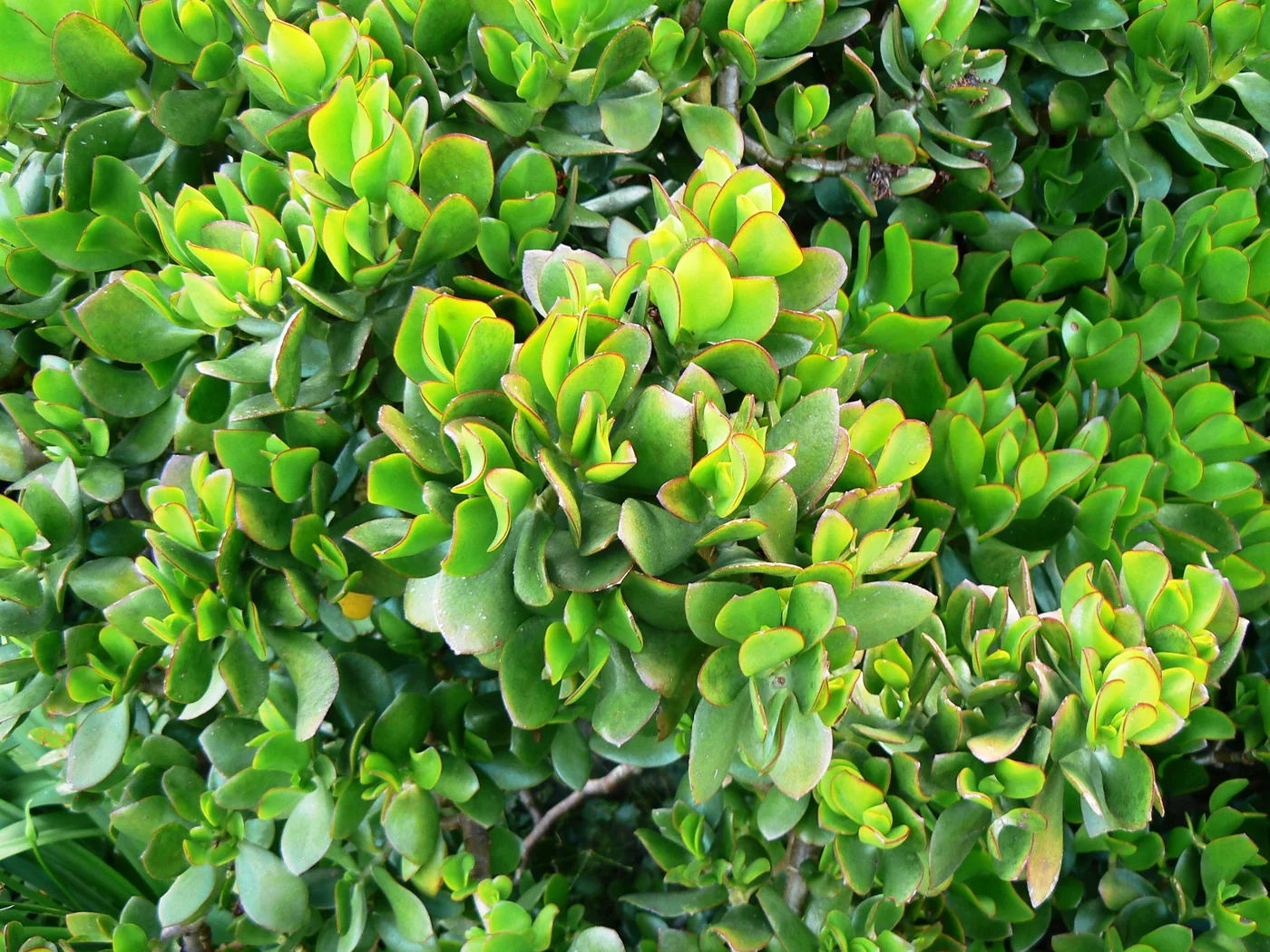
Jade is Crassula ovata, a South African succulent shrub with fleshy, opposite leaves and a branching form that can resemble a small tree. Its familiar oval-leaved form shares the species with cultivars such as tubular-leaved Gollum. NC State lists a potential outdoor height of three to six feet; a small shop pot does not define its eventual footprint. NC State: Crassula ovata
Before buying, decide whether you want a single specimen with a visible trunk or a low, bushy plant that stays within the width of a sill. Look at the existing branch arrangement from several sides. A plant whose main branches already fit the intended display gives you more options than a crowded pot of stems that must be untangled later. Leave room for your hand to reach the pot. A jade placed between fragile ornaments can become difficult to inspect long before it appears too large for the shelf.
Treat the window as growing space
Choose the brightest practical position and observe the actual plant location during the day. A window that seems sunny from the sofa may cast its direct light onto the floor instead of the shelf. Wisconsin Extension links inadequate jade light with drooping, less compact growth, and recommends gradual acclimation when plants move outside. Wisconsin Extension: Jade Plant
If the available spot is a narrow strip of light, place the canopy where it can use that strip without pressing foliage against glass. Photograph the plant from the same direction when you make a placement change. Later, compare the new branch tips rather than expecting old stems to straighten. If only one side grows toward the window, arrange a manageable rotation routine while watching whether the whole canopy still fits. A rotation should not become an excuse to leave half the plant behind a curtain.
Build a watering decision around this pot
RHS describes jade as a plant for cactus compost and full light, with substantially less water during winter dormancy. The useful distinction indoors is between active growth with a drying root zone and a quiet plant sitting in persistently damp medium. Calendar months alone cannot describe every heated room or supplemented growing area. RHS: Crassula ovata
Learn the feel of the pot after excess water has drained and again when the medium has dried. Use those observations alongside accessible mix, rather than responding automatically to the last date written on a tag. When watering is needed, take the pot to a place where drainage can finish and empty its saucer or outer container. If you cannot lift the plant comfortably, solve that access problem before it becomes larger. A small pouring spout can make placement easier, but it cannot show whether water is collecting underneath.
Separate pot weight from root space
A heavy canopy can need a more stable base without needing a large increase in growing medium. Sketch the problem before shopping: does the whole pot tip, does the root ball shift inside it, or does a particular branch bend? Those observations lead to different decisions. A broader, stable container may help the first problem; loose roots require inspection; an awkward branch calls for a shaping decision. Simply buying the deepest pot combines three questions without answering any of them.
Maryland Extension distinguishes moisture-losing terracotta from more moisture-retentive glazed containers and notes that decorative pots may lack drainage. Maryland Extension: Potting and Repotting Indoor Plants Check the actual base width, drainage opening and lifting clearance of a candidate. If retaining a nursery pot inside a decorative cover, verify that you can remove it with the canopy attached. Use the succulent pot and medium guide to compare the root-space decision before ordering a matching set.
Shape a healthy plant with a specific purpose
Choose one objective for a pruning session: shorten a branch that overhangs the shelf, reduce an uneven canopy, or develop a compact outline. Mark the proposed cuts visually before touching a blade. Imagine the remaining plant after each cut, including its bare spaces. Working this way makes it easier to stop while the jade still has a useful framework instead of chasing symmetry around the pot.
Wisconsin Extension recommends spring pruning back to a lateral branch for compact growth. Wisconsin Extension: Jade Plant That is a starting principle, not a reason to remove every long stem at once. Check that the remaining structure serves the display you want. If the base is soft or the plant has recently lost substantial roots, postpone cosmetic shaping and resolve the health question. The dedicated jade pruning and support guide explains how to separate a canopy problem from an anchorage problem.
Use healthy trimmings to make an intentional spare
Jade can be propagated from stem and leaf material. RHS includes Crassula among succulents suited to leaf cuttings. RHS: Leaf Cuttings A stem piece may suit someone who wants a recognizable small plant sooner, while a leaf offers an interesting observation project. Choose the method for the result you want and the space you can reserve, not because every fallen piece must be saved.
Label a cutting with its parent and the date it was prepared. Set aside a small, stable location where it will not be repeatedly moved or watered along with unrelated plants. Keep material from an unhealthy area separate from ordinary propagation. A backup plant is only useful if it is healthy and receives attention; a tray of anonymous pieces can make problems harder to trace. Decide in advance whether the spare will remain with you or become a future gift once it is established.
Investigate changes before adding products
Look at the pattern of a change. Is an older lower leaf falling while the rest of the plant remains firm, or is an entire branch declining? Has damage appeared only on the exposed side after a move? Has water remained in the outer pot? Take a photograph and note the recent changes before applying a treatment. That brief record helps separate a new event from a condition that has been developing for months.
NC State lists mealybugs, scale, mites and aphids among possible jade pests and associates excess watering with root problems and leaf loss. NC State: Crassula ovata Inspect sheltered leaf joints as well as the most visible surfaces. If you find an insect, identify it before choosing a control and follow a product label appropriate to the plant and indoor setting. Adding fertilizer to an unexplained decline may only obscure the original question. The first purchase should address a verified limitation, such as insufficient usable light or an inaccessible drainage container.
Plan the seasonal move before lifting the plant
An indoor jade can spend a suitable warm season outside, but outdoor placement is a separate growing situation. Consider how rain reaches the pot, where reflected heat accumulates, and how you will return a now-heavier plant indoors. Reserve its winter location before filling that space with another plant. A successful summer display should leave you with a plant you can still handle at the end of the season.
Do not use an outdoor hardiness listing as permission to expose an acclimated houseplant to a sudden cold night. Wisconsin advises bringing jade indoors before frost. Wisconsin Extension: Jade Plant For a plant staying indoors, the seasonal review can be simpler: check whether curtains, neighboring plants or lower sun angles have changed the light reaching the canopy. Adjust care to what the plant and root zone are doing, and keep notes on the changes that produced stronger, better-placed new growth.
Sources and scope
Research-based guidance informed by institutional references. Cultivar, region and growing conditions can change the advice. Product inclusion does not imply hands-on testing of every model.