Write down the plant and the job before shopping
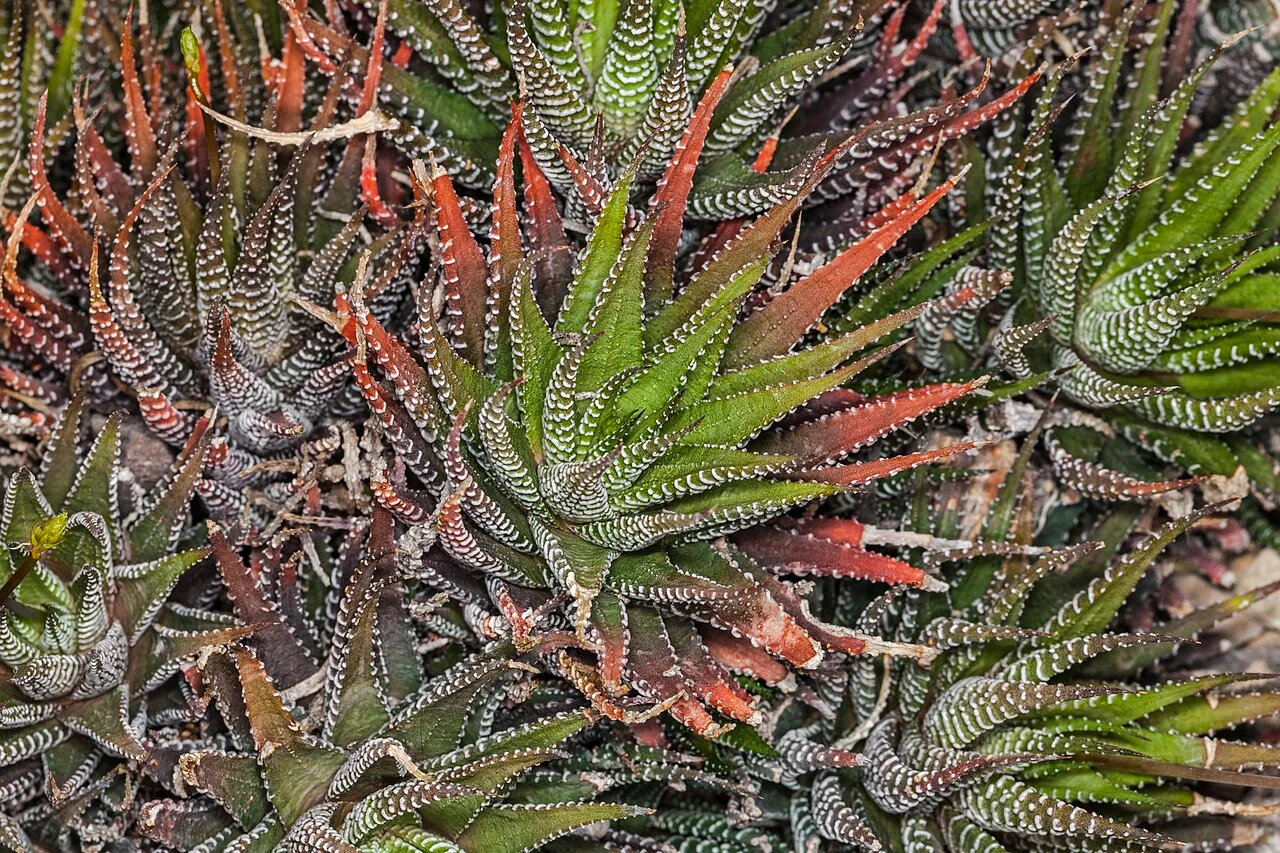
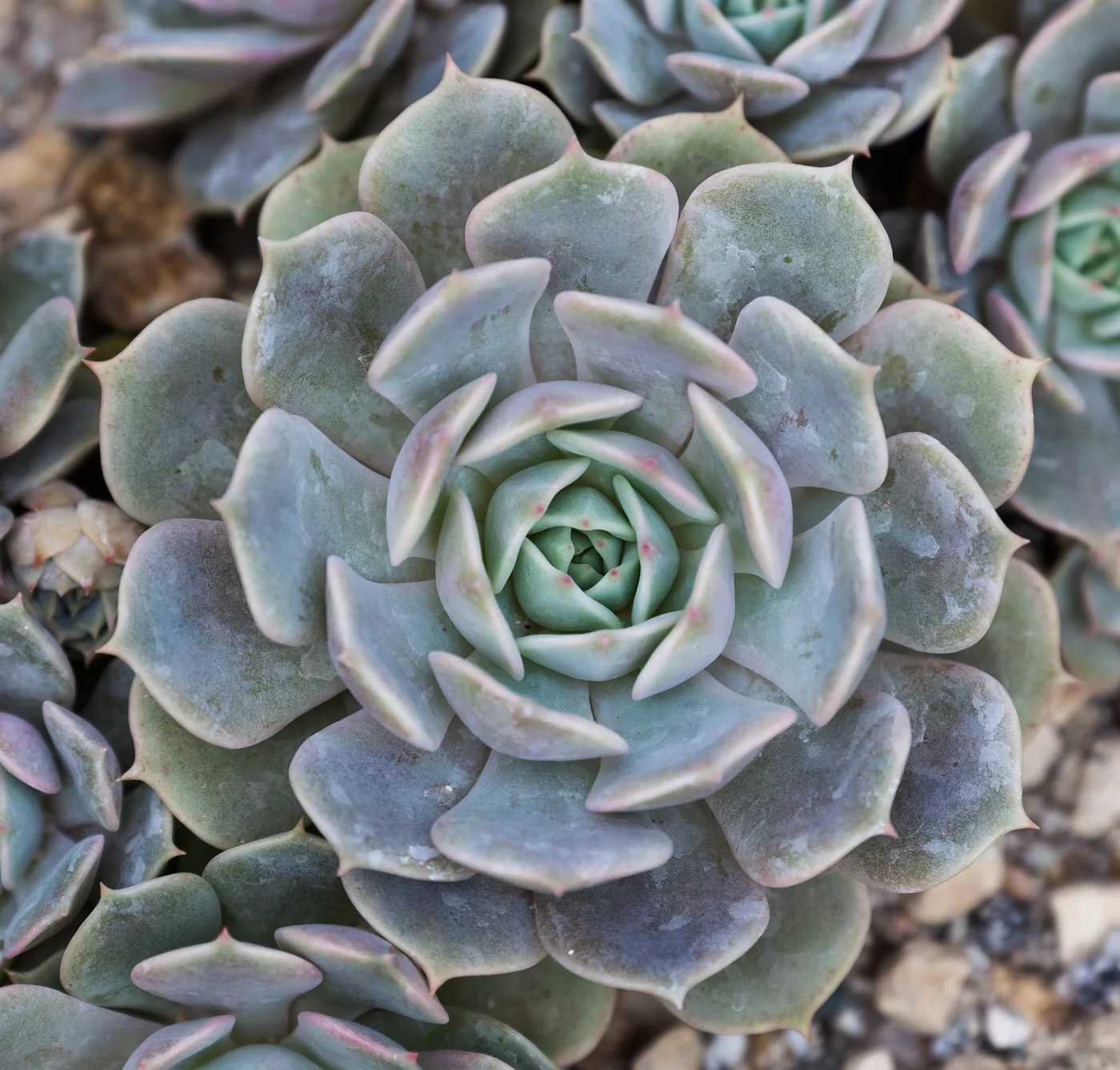
Begin with the actual plant: a branching jade, a flat echeveria rosette, a small haworthiopsis cluster or an arching holiday cactus. Then describe why the pot needs changing. Possible reasons include inadequate root space, a failing medium, poor stability, inaccessible watering or a decorative preference. Keep those reasons separate. A decorative update might require only a better-fitting cover, whereas root loss can call for a smaller growing container.
RHS distinguishes rainforest succulents such as Schlumbergera from many dry-region cacti and succulents, noting their different light and watering needs. RHS: Houseplant Cacti and Succulents That distinction matters at the potting bench. The phrase succulent mix is a useful shelf category, but it does not tell you that one bag and one container will serve every member of a mixed collection equally well. Make a simple shopping note with plant identity, remaining root dimensions, growing location and the problem the purchase must solve.
Fit the roots and leave the plant accessible
Inspect the root system when a repot is actually justified, then measure its approximate width and depth. Compare that with the internal dimensions of the candidate container. Do not select entirely by the leaf spread shown in a product photograph. A jade may have a heavy canopy above relatively limited roots; a rosette may overhang its pot without requiring a much deeper root zone. If roots have been removed, the old container may no longer be the right reference.
Check practical access at the same time. Can you direct water to the medium without pushing through leaves? Can you remove the planted container from its outer cover? Can you carry the wet assembly to the sink? Leave enough room below the rim to water neatly and retain a visible planting level. A pot that technically fits the roots can still be a poor choice if every care task becomes awkward. Measure the narrowest opening of a decorative cover rather than assuming its advertised diameter describes useful clearance.
Follow the water all the way out
Find the actual drainage hole and trace where water goes after leaving it. A draining inner pot sitting in retained water inside a sealed cover still requires attention. Decide whether you will remove the pot for watering, empty the cover afterward or use an accessible saucer. Practice the motion while the container is empty, especially if the plant has trailing or brittle stems.
Maryland Extension advises against filling the bottom of a pot with gravel and describes using an inner pot where a decorative ceramic container lacks sufficient drainage. Maryland Extension: Potting and Repotting Indoor Plants A stone layer does not give a sealed container an outlet. For this purchasing decision, select a growing pot with a usable drain rather than planning to compensate with a layer hidden beneath the roots. If a listing does not show the underside, verify it before ordering. Compare any included saucer with the volume and access needed for your actual watering routine.
Use container material as one variable
Terracotta, plastic and glazed ceramic can all appear in a workable indoor collection. Maryland notes that terracotta loses moisture readily, while glazed ceramic and plastic generally retain it longer. Maryland Extension: Potting and Repotting Indoor Plants These are tendencies of materials, not instructions that a plant must be watered on a particular day. The medium, root volume, light and room conditions still affect the result.
Choose the tradeoff that helps your situation. A moisture-losing pot may be useful where drying is slow, but can add attention in a hot bright position. A lightweight plastic pot is easy to lift for inspection, while a broad decorative base may help a top-heavy display if drainage remains manageable. Handle a comparable empty pot if possible and imagine it wet with the mature plant attached. A very heavy container can make a modest watering task difficult. Material should support the care routine you can perform, not just the photograph you want to reproduce.
Read the medium label for its function
Look beyond names such as premium, cactus or professional. Read the ingredient list and note whether the product is intended as a complete medium or as an amendment. Illinois Extension explains that container media need both aeration and moisture retention, and that ingredients and particle texture influence their suitability. It also warns against using garden soil alone in a container. Illinois Extension: Container Garden Soil A bag’s intended role matters more than its front-label promise.
If you amend a medium, record what you used and the amounts by volume so you can reproduce or revise the result. Avoid buying multiple ingredients without a reason for each. A coarse amendment is not automatically helpful if it is the wrong size for the pot or if you cannot manage the resulting drying pattern. Examine a small sample before committing the whole collection. The goal is a stable, workable root environment, not the highest possible proportion of a fashionable ingredient.
Compare the four plants as distinct purchasing cases
For jade, prioritize a stable base and a porous medium while preserving manageable root volume. For echeveria, consider the rosette’s overhang and a way to reach the medium without burying lower leaves. For haworthiopsis, assess the roots you actually have; a photograph of the rosette cannot establish the right depth. Write these different purposes alongside the containers you compare. An otherwise attractive pot can be rejected for one plant and remain useful for another if its dimensions solve a different problem.
For holiday cactus, choose an airy medium with a moisture pattern compatible with its forest-cactus care, particularly during flowering. Iowa State says a well-drained all-purpose potting medium can work and a special cactus mix is not obligatory. Iowa State: How to Care for Holiday Cacti If the plants are displayed together, separate inner pots allow these different decisions to coexist within one visual grouping. That can be more practical than combining their roots in a shared bowl and trying to resolve incompatible drying patterns afterward.
Try the new combination before standardizing the collection
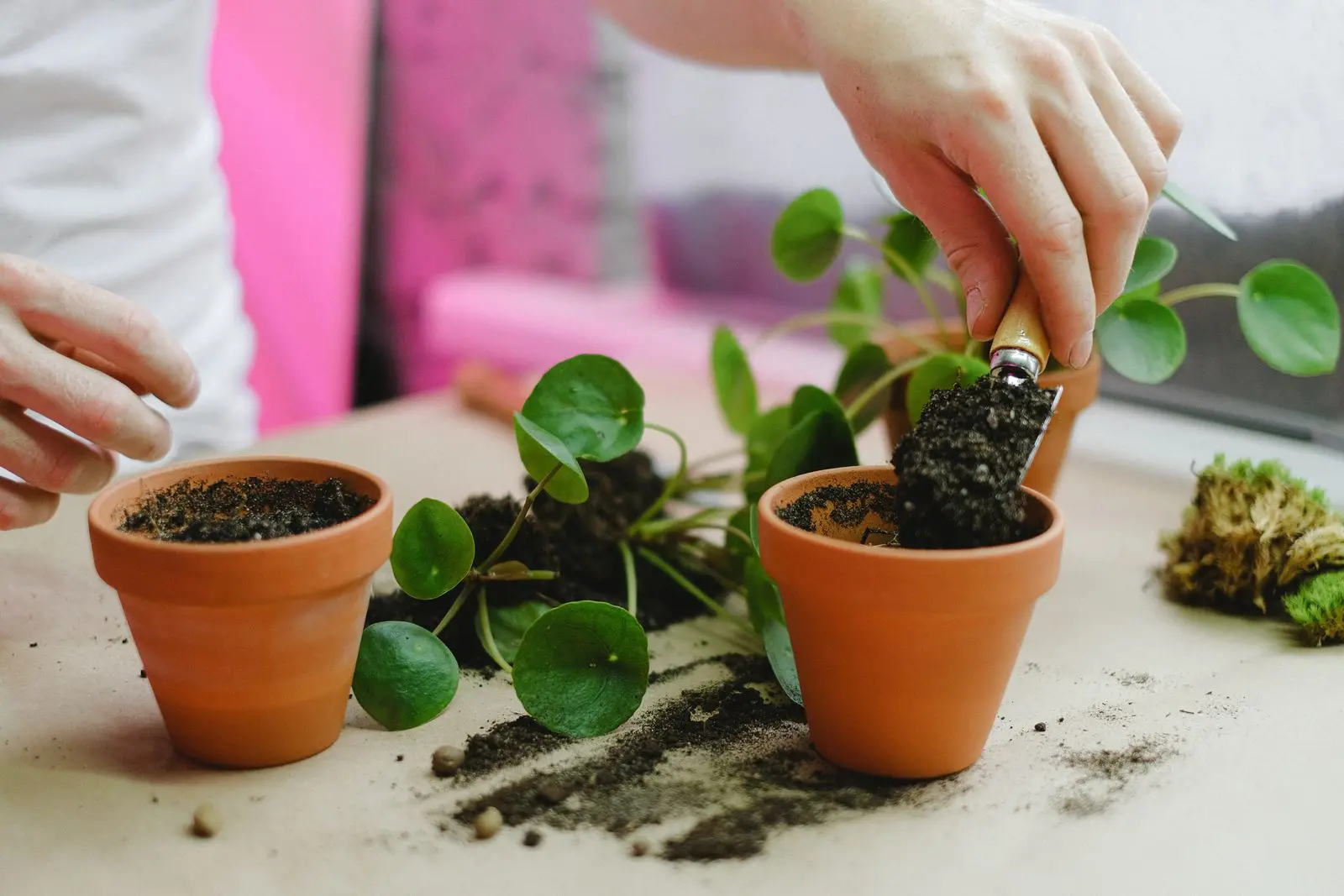
Begin with the plant that actually needs attention, and keep the others in functioning setups while you learn how the new pot and medium behave. Record the planting date and whether roots were disturbed. On subsequent watering occasions, observe whether the medium wets evenly, where water exits and how the container changes in weight. Avoid repeated unpotting simply to inspect a system that is otherwise working.
Illinois Extension emphasizes that watering needs vary with the plant, pot, medium and time of year. Illinois Extension: Growing Succulents Beyond the Basics Expect your routine to need revision after a substantial change. A gritty commercial product may suit an attentive grower in one setting and require too much intervention in another. The fact that it drains quickly during a demonstration is only one part of the comparison. You also need to know whether the entire root zone becomes appropriately wetted and whether you can recognize when the plant next needs water.
Build the purchase list from the proven requirement
List the growing pot, any separate decorative cover, enough suitable medium for the measured space and only the accessories needed to make care practical. Check whether you already own a serviceable saucer or container. The container soil calculator can help estimate medium volume after allowing for the root ball, but it cannot select the right mix for you. A large bag may appear economical while being unnecessary for one small repot.
This comparison does not name a universal winning pot or mix. The useful decision is specific: a wider stable base for a healthy jade, better rosette access for echeveria, reduced volume after haworthiopsis root loss, or a more manageable moisture pattern for holiday cactus. Keep the general container-drainage guide for the broader principles, and use the plant-specific profiles and task guides for the biological requirements. Buy the combination you can explain, observe and maintain rather than a matching collection whose care demands are still unknown.
Sources & further reading
We favor university extension guidance and original product documentation. Linked sources support the specific facts cited; they do not endorse Garden Gear Atlas.
- RHS: Houseplant Cacti and Succulents
- Maryland Extension: Potting and Repotting Indoor Plants
- Illinois Extension: Container Garden Soil
- Iowa State: How to Care for Holiday Cacti
- Illinois Extension: Growing Succulents Beyond the Basics