Start with the relationship between leaves and moisture
A zebra haworthiopsis that shrinks after a long dry interval presents a different question from one that shrinks in damp medium. Before watering, check accessible mix and the pot’s weight, then recall recent changes in light, temperature and container setup. A photograph from before the decline is useful. If you do not have one, begin a record now instead of repeatedly squeezing leaves to decide whether they are firmer.
Wisconsin’s haworthia guidance lists shriveling and reduced growth among symptoms of a weakened root system. Wisconsin Extension: Haworthias That means the visible symptom is an instruction to investigate, not a diagnosis of thirst. Write down your best description: firm base with dry medium, shrinking plant with damp medium, or soft base with rapid decline. Include any recent repotting. A new gritty surface layer can hide an older wet root ball beneath it, so distinguish what you can see from what you have actually checked.
Confirm identity and rule out obvious external changes
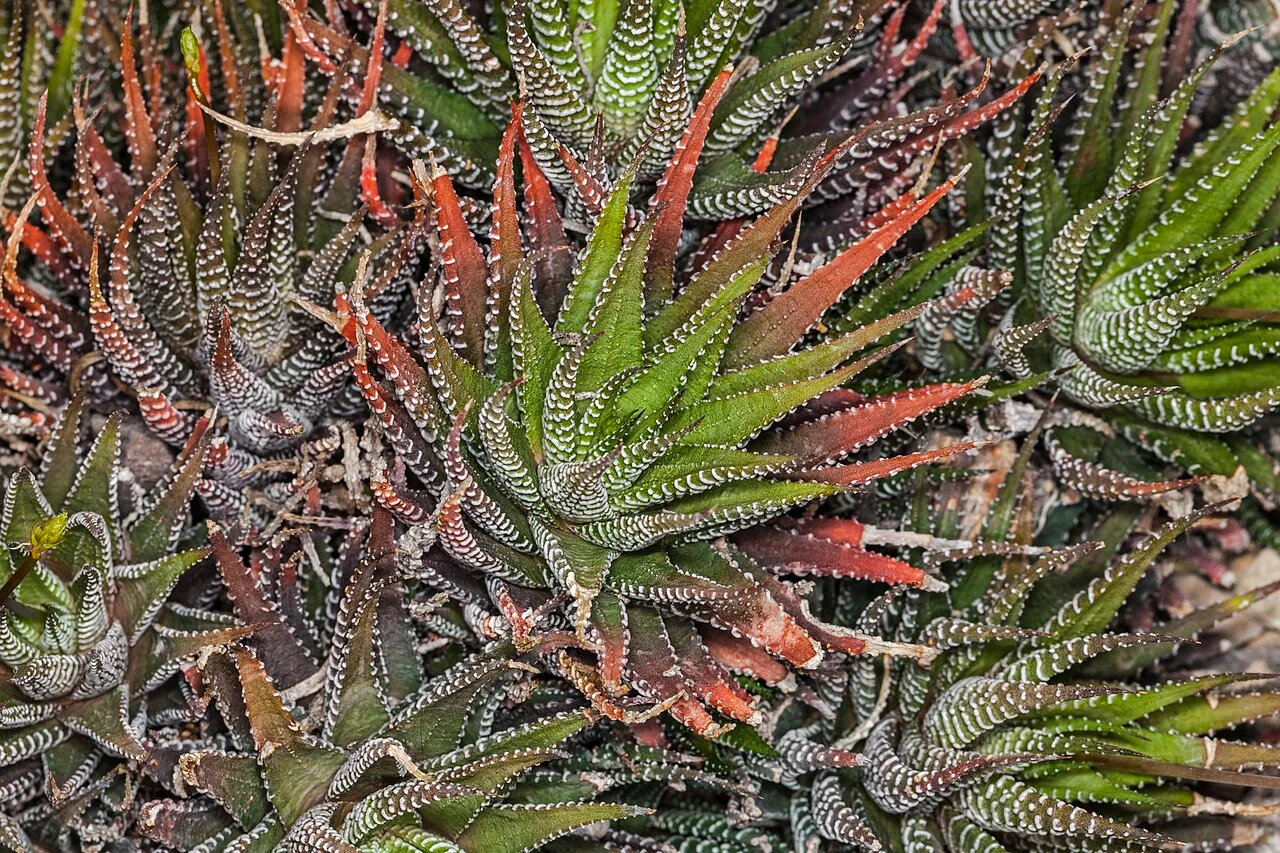
This guide focuses on Haworthiopsis attenuata, often sold as Haworthia attenuata. The commonly confused H. fasciata has a smooth upper leaf surface, while H. attenuata has bumps on both surfaces. NC State: Haworthiopsis fasciata Record the label if uncertain, but do not delay a necessary health inspection while pursuing a perfect name. Both a useful identity record and a clear condition record can be kept at the same time.
Check whether the plant was recently moved into strong direct sun, placed beside a heater or left in a drainage cover after watering. Inspect leaf bases for insects or unfamiliar material. Those observations can explain part of the decline or identify an additional problem. Avoid immediately moving the plant repeatedly between different windows. Choose a protected, bright place where you can work and observe it, and separate it from other pots if the condition may involve disease or pests. Keep any drained water from pooling around neighboring plants.
Inspect once with a clear question
If decline continues despite damp medium, or if the plant becomes unexpectedly loose, prepare for a root inspection. Set out a clean surface, a clean container and a place for discarded medium. Remove the plant carefully while supporting the root ball. Avoid using the pointed leaves as lifting handles. Your questions are whether roots remain attached and firm, whether obvious decay is present and whether the base itself is sound.
Maryland Extension describes dark, soft roots and roots whose outer tissue slips away as possible root-rot symptoms. Maryland Extension: Root Rots of Indoor Plants Color alone is insufficient to identify a disease. Photograph the roots and base in good light and note their texture without trying to peel every root. If you need outside diagnostic help, that record is more useful than a photograph of the rosette alone. An inspection should answer the immediate question; it should not become a reason to strip all functioning roots from a plant simply to make them look clean.
Choose a recovery path from the surviving tissue
When the base remains healthy and only some roots are damaged, a recovery attempt may be reasonable. Wisconsin advises removing weak or decayed roots, allowing the plant to rest unpotted and then re-establishing it in fresh medium with careful watering. Wisconsin Extension: Haworthias Apply that principle to the actual tissue present. A plant retaining useful roots is in a different position from a rosette with almost none.
If soft decay extends into the base, pause before building a recovery container. There may be too little healthy tissue for the method you intended. Maryland recommends discarding severely infected plants and using only healthy tissue for any cuttings. Maryland Extension: Root Rots of Indoor Plants Do not promise recovery from a photograph, and do not conceal ongoing decay by packing the base into fresh medium. For a valued plant, seek diagnostic assistance with the condition record. For an inexpensive replacement, compare the time and space required for an uncertain attempt with starting again from a healthy specimen.
Match the recovery pot to the roots left
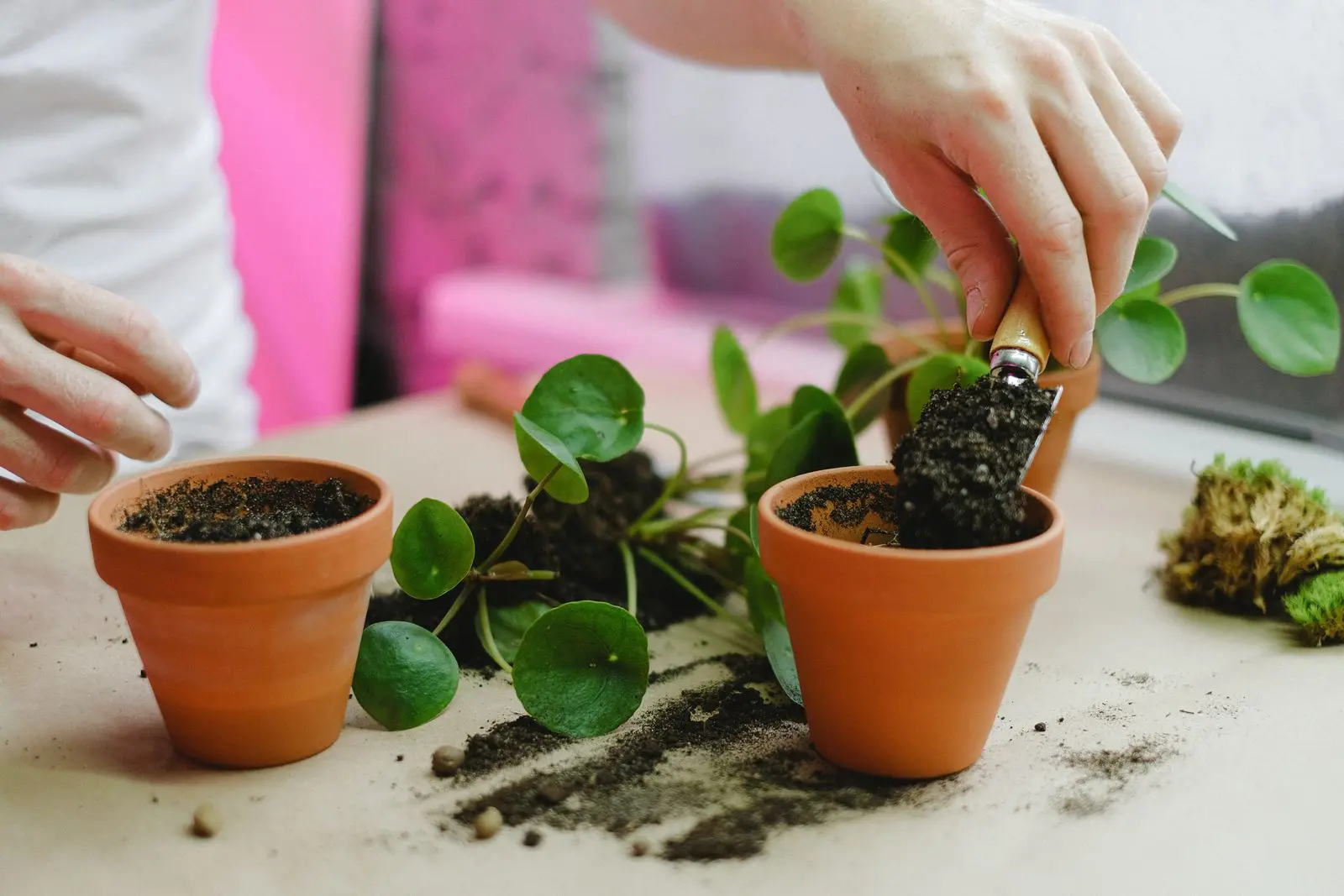
Place the surviving root system beside the old pot and assess the mismatch. If much of it is gone, the original volume may now be excessive. Choose a clean container that accommodates the remaining roots and permits inspection of the base. Keep the plant upright with a stable arrangement rather than burying the rosette deeply to stop it wobbling. Any temporary support should leave you able to see whether the base remains sound.
Wisconsin advises matching pot volume to the root system during haworthia recovery. Wisconsin Extension: Haworthias Use a fresh porous medium and avoid returning questionable old material to the pot. Think through watering access before placing it in a decorative cover. The useful features are a working drain, appropriate root space and a container you can handle. A miniature decorative bowl that cannot drain is not an improvement, and a large pot chosen for future offsets does not meet the immediate needs of the reduced plant.
Reintroduce water as an establishment decision
A recovering plant should not automatically resume the routine used by the former, fully rooted specimen. SANBI’s propagation guidance calls for restrained watering of newly planted Haworthiopsis cuttings until rooting and growth indicate establishment. SANBI PlantZAfrica: Haworthiopsis This supports treating a nearly rootless rosette as an establishment project. A plant retaining substantial healthy roots starts from a different position. Record when water is applied and why; there is no single interval that covers both conditions or every room. Keep the base visible so a change in its condition does not go unnoticed.
Illinois Extension explains that succulent watering depends on plant size, pot size, medium and season, so a fixed weekly alarm cannot decide whether water is needed. Illinois Extension: Growing Succulents Beyond the Basics In a recovery setup those variables have just changed. Keep the medium observable and avoid compensating for anxiety with repeated small additions. If you are unsure whether it has dried, investigate that uncertainty before adding more. A purchased sensor may supply another observation, but it cannot show whether the plant has produced new roots or whether the basal tissue is deteriorating.
Choose recovery light without adding another extreme
Keep the plant in bright filtered light and protect it from an abrupt increase in sun. NC State identifies bright indirect light as suitable for H. attenuata. NC State: Haworthiopsis attenuata An intense-light treatment is not a substitute for root establishment. The goal is a consistent, appropriate setting where you can see the plant’s response without changing several conditions every few days.
Judge progress through a combination of observations: decline stops, the base remains firm, and healthy new growth eventually develops. Do not tug repeatedly to test anchorage or excavate the plant on a fixed schedule. Disturbance can turn an otherwise useful recovery period into a sequence of restarts. If the plant worsens, however, do not keep waiting solely because a rooting deadline from an online story has not passed. Return to the specific symptom, document what changed, and consider whether the initial assessment or the recovery setup needs revision.
Prevent the original problem from returning
Once the plant is stable, review how it became difficult to manage. Was drainage hidden inside a cover pot? Was a small rosette planted in a large container? Did the room become darker while watering stayed the same? Did an older medium stop behaving as it once did? Choose one practical prevention for the most plausible cause and make it part of the ordinary routine. A written note attached to the pot can help another caretaker avoid repeating a well-intentioned mistake.
For your next purchase, inspect the base and drainage before choosing the most heavily offset specimen. Keep the zebra haworthiopsis profile available for ongoing species care, and use the succulent pot selection guide to compare replacement containers. The outcome of this diagnosis may be recovery, a smaller healthy remainder or replacement. All can lead to better growing decisions if you preserve what you learned, rather than attributing success or failure to a single rescue product.
Sources & further reading
We favor university extension guidance and original product documentation. Linked sources support the specific facts cited; they do not endorse Garden Gear Atlas.
- Wisconsin Extension: Haworthias
- NC State: Haworthiopsis fasciata
- Maryland Extension: Root Rots of Indoor Plants
- Illinois Extension: Growing Succulents Beyond the Basics
- NC State: Haworthiopsis attenuata
- SANBI PlantZAfrica: Haworthiopsis