Decide what the frame must accomplish
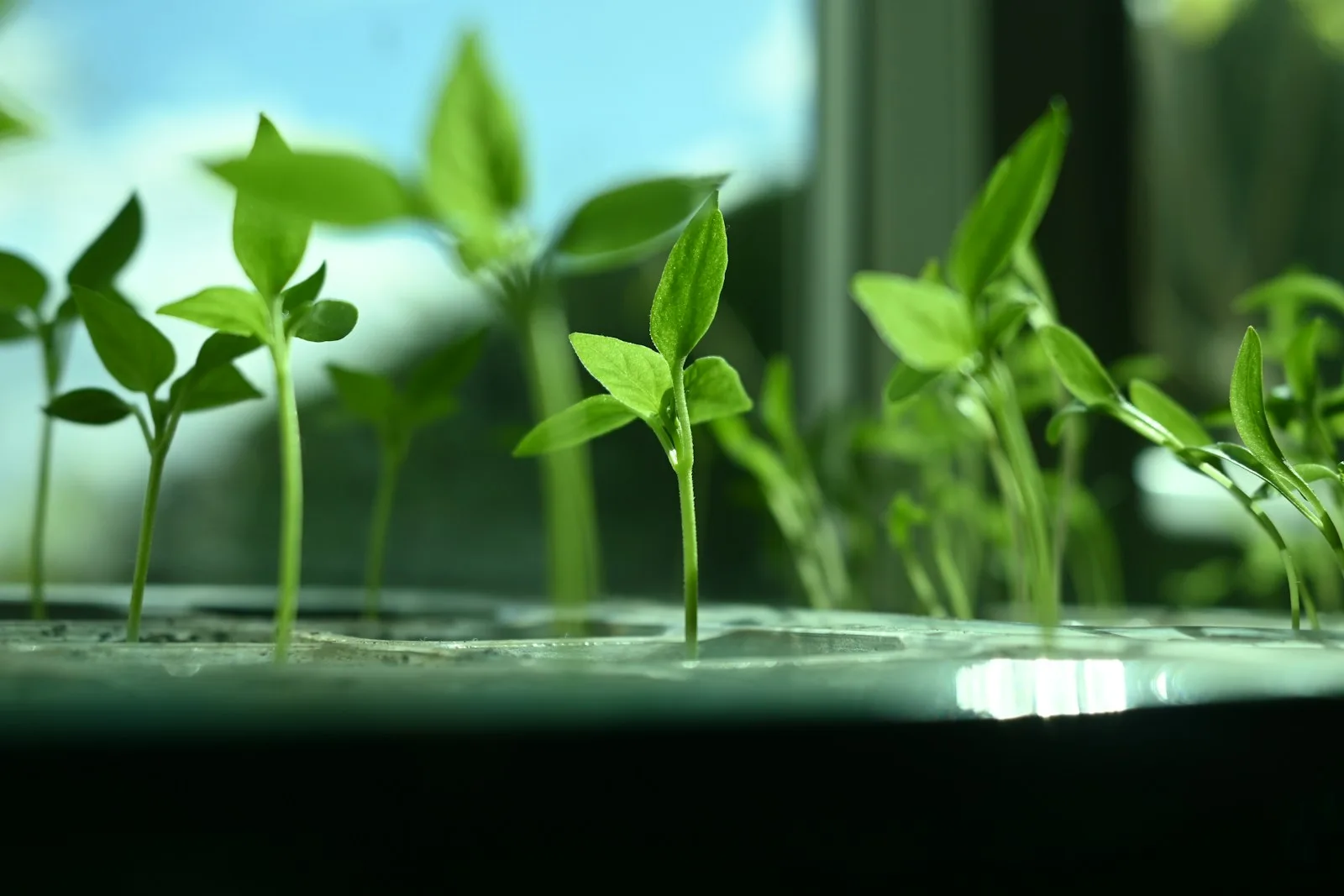
Write one main job on the first page of your cold-frame notebook: holding hardy seedlings, growing a small patch of cool-season leaves, or protecting plants during a transition between indoor and outdoor conditions. These jobs do not require the same temperatures or amount of attention. Mixing a warm-season seed tray with established hardy plants creates a management compromise before the lid is even closed. Group plants by their requirements and label the trays clearly enough that another person could identify the sensitive group.
A conventional cold frame captures solar energy without supplying dependable overnight heat. That distinction matters when a sunny afternoon makes the enclosure feel surprisingly warm. The daytime reading does not establish its minimum temperature before dawn. South Dakota State University recommends measuring both air and soil temperatures and matching use to the species being grown. SDSU Extension cold-frame guidance.
Set a conservative initial goal, such as learning how one frame behaves with a few replaceable plants. Do not move an entire valuable seedling collection into an unfamiliar enclosure on the strength of a weather forecast. A short observation period costs growing space, but it provides information that the frame's dimensions and glazing description cannot supply.
Make access and lid handling part of the installation
Walk through an ordinary watering visit before filling the frame. Can you reach the rear corner without leaning on the glazing? Can a full watering can be set down safely? Does the lid remain supported while both hands are occupied? The useful growing area is the area you can inspect and tend comfortably, not every square inch enclosed by the walls.
Choose a drained location and preserve a clear approach. In northern temperate gardens, a sunny southern exposure is often useful, but nearby buildings and trees can change the actual light pattern through the season. Check the intended location at several times of day. University of Missouri guidance emphasizes sunlight, drainage and easy access because a manually ventilated frame needs frequent attention. Missouri Extension on cold-frame operation.
Use the frame manufacturer's supports, fasteners and anchoring instructions. A loose stick under a heavy lid is not a dependable working position. Keep fingers clear of hinges and closing edges, and do not leave removable glazing where someone could step on it. If an old window has cracked panes, unstable framing or unknown coatings, resolve those issues before putting it into service.
Measure the temperatures the plants experience
Place an air sensor near the plants rather than at the highest, easiest-to-reach corner. Follow the instrument's shielding and placement instructions: a sun-heated sensor or one resting against glazing can give a misleading impression of air temperature. For pots or seed trays, a suitable soil probe adds a different observation. The two readings answer different questions, so do not substitute the air temperature for a germination-medium measurement.
A minimum-and-maximum thermometer is especially useful when you cannot watch continuously. Note the minimum, maximum, current reading, weather and lid position before resetting it. Keep the reset time consistent. Otherwise, one entry may represent a whole day while another covers only a cool evening, making the record difficult to interpret.
Start with a simple record: date, crop, overnight low inside, afternoon high inside, outside conditions, opening position and action taken. Add a second sensor temporarily if one end contains plants that behave differently. You are looking for repeated patterns, such as a sunny corner heating sooner or a particular tray drying first, not trying to create a laboratory map of every air pocket.
Use a daily decision routine instead of a fixed lid schedule
At the morning visit, read the overnight minimum, check the forecast and inspect moisture. Then decide how much opening the plants and expected conditions allow. A cold morning is not a reason to leave the enclosure sealed all day if strong sunshine is coming. Conversely, yesterday's successful opening position may be inappropriate when wind direction or cloud cover changes.
Check again as sunlight reaches the frame, especially during the first week of use and after any layout change. Increase ventilation in stages while observing temperature and plant response. Do not wait for a generic emergency threshold: choose action points appropriate to the crop, and leave room for the enclosure to keep warming while you adjust it.
Late in the day, reassess rather than automatically copying the morning setting. Close or reduce ventilation as conditions cool when that suits the crop and forecast, but investigate persistent wet foliage or condensation rather than treating a tightly sealed box as the sole goal. A workable routine has named decisions at each visit, not simply an instruction to open at breakfast and close at dinner.
Keep watering separate from temperature diagnosis
Check the growing medium before watering a plant that looks unhappy. A hot enclosure, a dry root ball and a persistently wet root zone require different responses. Watering an already wet tray because its leaves look limp can obscure the actual problem. Compare the affected plant with a neighboring pot, inspect drainage and record whether the symptoms appeared during peak sun.
Use the smallest practical watering groups. A flat of tiny cells should not dictate the schedule for a large container beside it. Position trays so runoff can leave without collecting under another tray, and avoid filling the entire floor so tightly that you cannot inspect drainage or remove a problem plant.
Plan watering when you have time to observe the result. Nebraska Extension recommends early-day watering and using ventilation to manage moisture in the enclosure. This is an operating principle, not a universal volume or interval; plant size, medium and weather still determine the next check. Nebraska Extension cold-frame management.
Give automatic openers and cold protection realistic jobs
An automatic opener can reduce one repetitive task, but it does not select the correct crop, inspect moisture or know that a storm has damaged a hinge. Before relying on one, verify compatibility with the lid's weight, travel, frame attachment and operating conditions. Watch several opening and closing cycles while you are present, and retain a safe way to operate the lid manually.
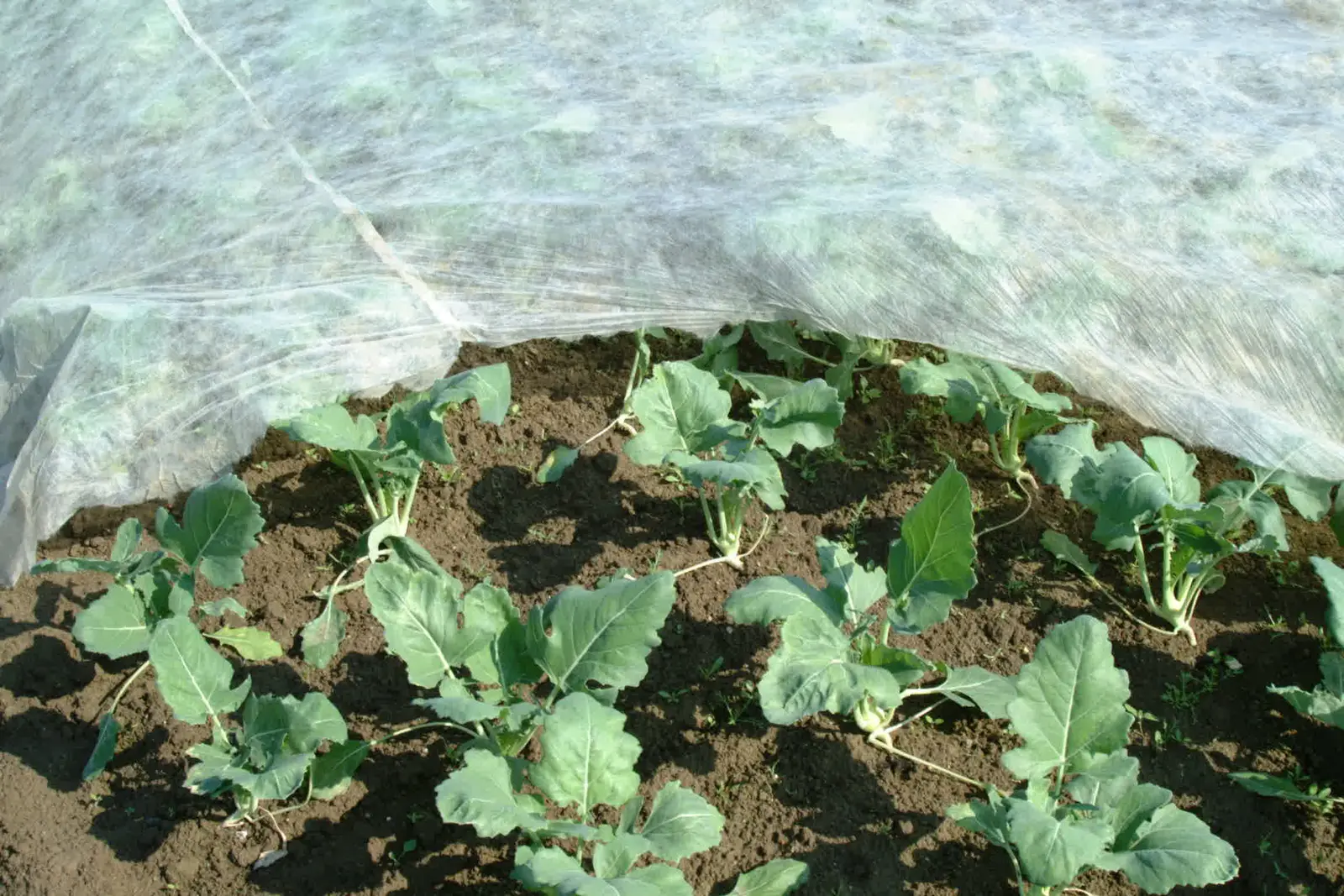
Make a cold-night plan in advance. Name the plants that can remain, those that need an additional approved protective arrangement, and those that will move to a suitable sheltered location. Set out carrying trays and clear the destination. A forecast near a crop's lower limit is a decision point, not proof that stored afternoon heat will be enough.
Do not improvise with household heaters, exposed electrical connections, candles or other combustion sources inside the frame. Adding heat changes the equipment and safety requirements. If heated propagation is necessary, use a purpose-designed system according to its instructions and obtain qualified help where installation requires it. A passive frame remains useful even when some nights are outside its remit.
Review the record and change one variable
At the end of the first week, look for the decision that was hardest to make. If the maximum temperature surprised you, improve observation or ventilation before adding plants. If the minimum was too low, change the crop or protection plan. If reaching the rear tray was awkward, alter the layout. Each problem points to a different adjustment.
Repeat the review after plants grow taller, the sun's path changes or the frame moves. Leave enough clearance that foliage does not interfere with the lid and that trays can be removed without dragging leaves over a closing edge. Retire damaged supports or glazing promptly rather than working around them.
A successful cold-frame routine is one that another person can follow from a short note: what is growing, what to measure, when to ventilate, how to water and when to move plants out. The payoff is more informed season extension, not a promise of a fixed number of extra growing weeks.
Sources & further reading
We favor university extension guidance and original product documentation. Linked sources support the specific facts cited; they do not endorse Garden Gear Atlas.
- South Dakota State University Extension: Cold Frames
- University of Missouri: Winter Gardening using Cold Frames and Hotbeds
- Nebraska Extension: Building a Coldframe or Hot Bed