Three labels that should change your setup
Slicing and pickling describe how a cucumber is commonly used. Bush or vining describes its growth habit. Monoecious, gynoecious and parthenocarpic describe different aspects of flowering or fruit formation. These labels answer separate questions, and a useful packet should tell you enough to plan all three. Do not assume a compact cucumber is pollination-free or a long-fruited cucumber requires a greenhouse.
Ordinary monoecious cucumbers have male and female flowers. Gynoecious cultivars produce mostly or entirely female flowers, and packets may include a pollen-producing cultivar when needed. Parthenocarpic cultivars can form fruit without pollination. Some are intended for protected production where unwanted pollination changes seed development or quality. Follow the particular supplier's instructions, including any pollinizer seed mixture, instead of thinning away a plant because its first flowers look different.
Maryland Extension distinguishes these cucumber types and explains the female flower's small ovary behind the blossom. Its cucumber guide is a useful starting point for reading the packet correctly. Use that information to choose a production system before buying a cover: open pollinator access and permanent insect exclusion are not interchangeable plans.
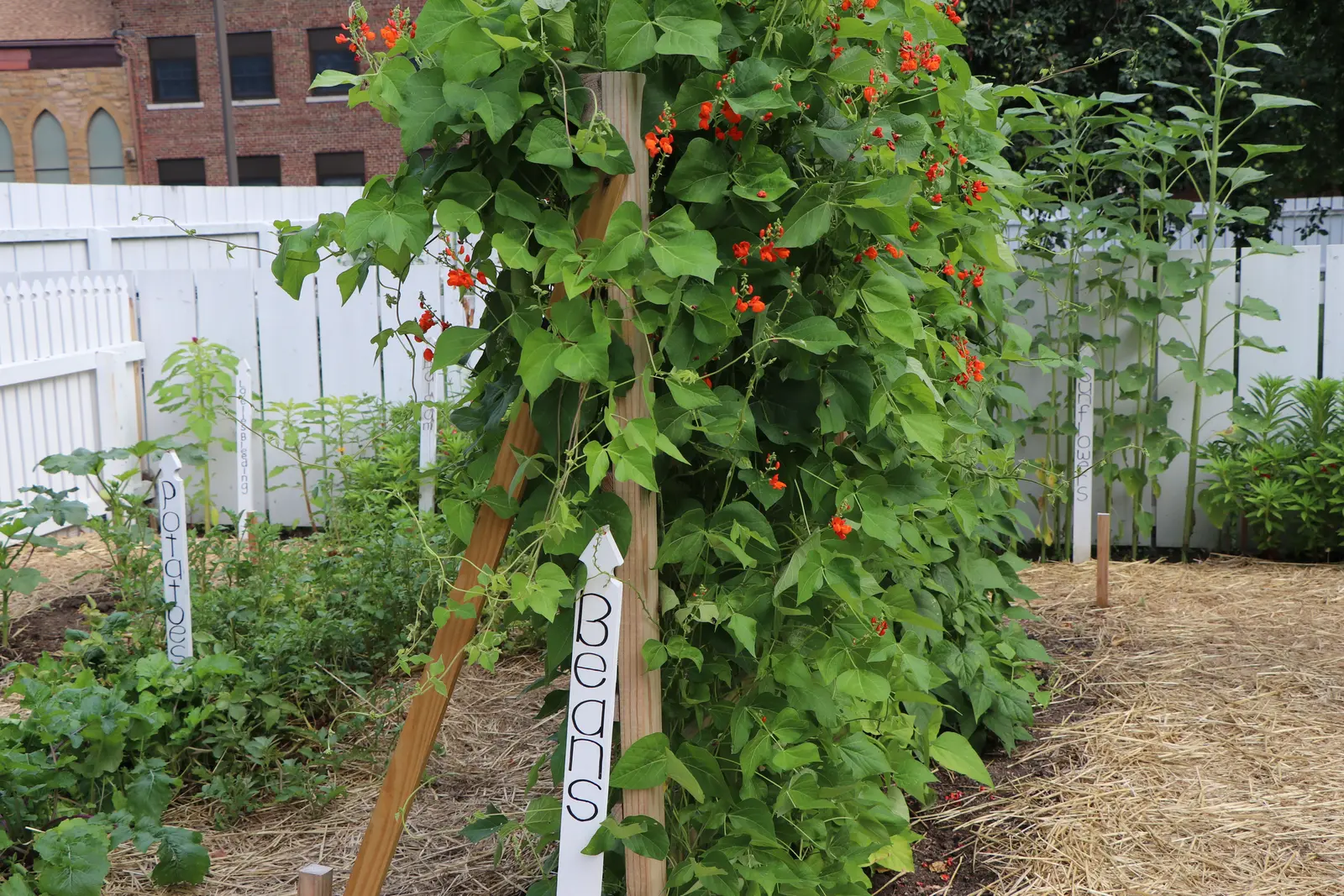
Design the trellis around your reach
Measure how high you can harvest comfortably from the ground. A very tall trellis can move fruit from a muddy bed to a location you still cannot reach. Likewise, a wide A-frame can hide fruit on its inner face if there is no access underneath. Sketch where you will stand and where your hands will go before deciding that the largest support is the most productive.
Consider the mature vine's wind exposure and the weight of wet foliage. Secure the structure before sowing or transplanting, and follow its anchoring instructions. Thin decorative stakes may support a seedling without being a sensible full-season structure. For containers, the trellis and pot must be stable together; a tall panel attached to a small lightweight pot can topple.
Place the support so its shade is intentional. The north side of a bed is often worth considering in a typical US garden, but surrounding buildings and actual sun angles matter more than a compass rule. Allow walking space and keep vines from claiming a gate or neighboring bed. Training a cucumber vertically reduces sprawling, but it does not remove its need for root space, light or airflow.
- Identify growth habit and pollination type on the seed packet.
- Choose an installed height you can harvest without unsafe reaching.
- Check anchoring, usable width and access to both sides.
- Plan water delivery at the roots and a route for removing old vines.
Plant when the root zone is ready
Cucumbers are warm-season plants. A frost-free calendar date alone does not prove cold, wet soil is suitable. Check local recommendations, recent weather and the seed packet before direct sowing. If using transplants, choose young, healthy plants and handle the root ball gently. Starting exceptionally early can create large tangled plants that are difficult to establish rather than delivering an earlier harvest.
Install labels that will remain legible when vines fill the trellis. If you compare two cultivars, label both ends of each planting section so a broken marker does not erase the trial. Record whether seeds were direct-sown or transplanted; those starting points make maturity estimates different. Keep a little reserve seed for an establishment failure instead of sowing the whole packet at once.
Thin according to the cultivar and the intended trellis system. A dense initial sowing is insurance against uneven emergence, not a permanent plant population. Snipping unwanted seedlings can avoid disturbing the roots of those retained. Minnesota Extension covers cucumber establishment, support and ongoing care. Its growing guide explains why a supported vine still needs regular attention.
Help the vine climb without tying it into a knot
Guide young stems toward the support while they are flexible. Tendrils can catch suitable surfaces, but the first growth may still need help finding the structure. If ties are necessary, make loose loops that support rather than constrict. Check them as stems enlarge. Avoid pulling a long established vine abruptly upward after it has attached to several neighboring plants.
Look for growing tips wandering into paths and redirect them early. This small regular task is easier than untangling a mature canopy. Do not weave fruit through an opening that will later trap it as it expands. If a cucumber begins growing against a tight wire junction, reposition it gently while small rather than forcing it out after it is large.
There is no need to turn every home cucumber into a precisely pruned greenhouse system. Commercial training methods depend on cultivar, spacing and production conditions. For a garden trellis, prioritize sound support, access and removal of clearly damaged material. If you adopt a particular pruning method, use instructions written for that cultivar type and recognize the additional maintenance involved.
A cover needs a flowering-stage decision
Insect netting or row cover can protect young plants, but flowers on a pollination-dependent cucumber must become accessible to pollinators. A protected vine can look healthy and bloom heavily while producing little fruit if the cover prevents pollen movement. Make the removal or opening date an observation of flowers, not an arbitrary number of weeks after planting.
Cucumber beetles are one reason gardeners use covers early. Minnesota Extension discusses exclusion and the need to account for pollination when flowers appear. Its cucumber beetle guidance connects pest protection with crop stage. A cover also needs secure edges and inspection; a pest trapped inside can feed with little interference.
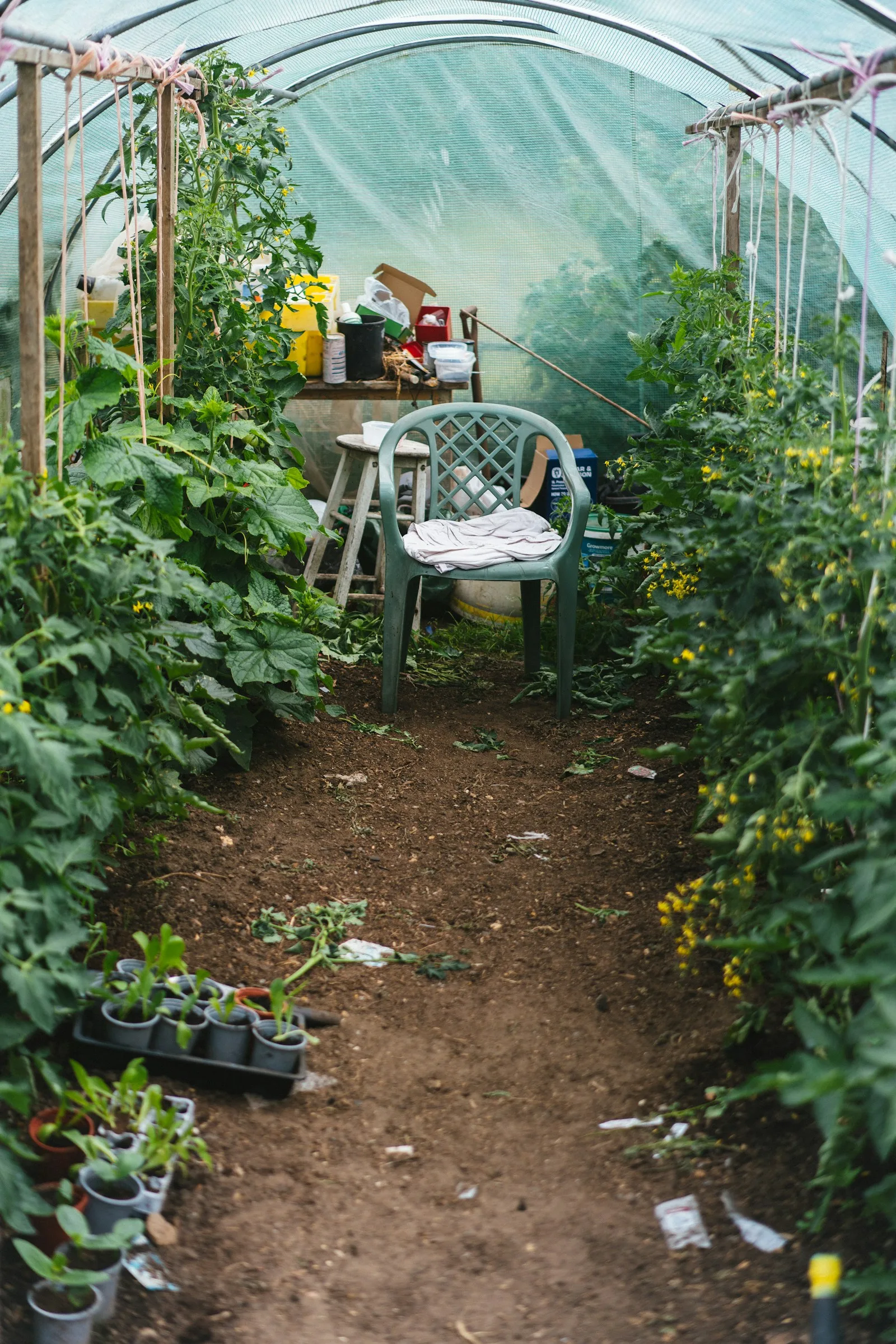
If you want to keep an insect barrier in place through flowering, select a suitable parthenocarpic cultivar and verify the supplier's protected-growing advice. Still manage ventilation, temperature and physical clearance. 'No pollination required' does not mean 'no maintenance required.' Avoid treating a cover as a general disease cure or assuming it can remain closed through hot weather without consequences.
Diagnose fruit problems from their sequence
Early male flowers without fruit may be normal on an ordinary cultivar. Later, female flowers that fail to enlarge can point toward pollination or environmental issues. Misshapen fruit can have several causes, including incomplete pollination in pollination-dependent types and stress during development. Check the flower type, cover status and recent conditions before purchasing a treatment.
Trellised plants are often exposed to more air movement, so inspect soil moisture rather than copying the watering interval of a sprawling patch nearby. As foliage and fruit increase, demand changes. Water that reaches only a small dry pocket beside the stem may not serve the expanding roots. Conversely, drainage problems are not solved by putting the leaves on a trellis.
Harvest at the cultivar's intended size and check both sides frequently. One fruit concealed behind leaves can become much older than the visible ones. Cut or detach it carefully while supporting the vine, and avoid unnecessary handling of wet foliage. At season's end, remove vines, inspect ties and anchors, and record whether the limiting factor was access, pollination, disease pressure or water. That observation should decide next year's change.
If you inherit a covered cucumber planting
When taking over an unfamiliar planting, find the seed packet or plant invoice before changing the cover system. If the cultivar cannot be identified, inspect the flowers and ask the supplier or local Extension for help; flower appearance alone may not establish every breeding trait. Record whether fruit has ever developed under the cover and whether it was opened previously. Meanwhile, check ventilation, moisture and physical clearance so the plants are not additionally stressed. Do not introduce pollen deliberately to a protected seedless crop until its requirements are known. Likewise, do not keep a pollination-dependent crop sealed simply because an online guide says some cucumbers need no bees. Recovering the cultivar identity can be the most valuable action before buying another trellis or changing fertilizer.
Sources & further reading
We favor university extension guidance and original product documentation. Linked sources support the specific facts cited; they do not endorse Garden Gear Atlas.
- University of Maryland Extension: Growing cucumbers
- University of Minnesota Extension: Growing cucumbers
- University of Minnesota Extension: Cucumber beetles
.JPG)