Choose a type before choosing a planting date
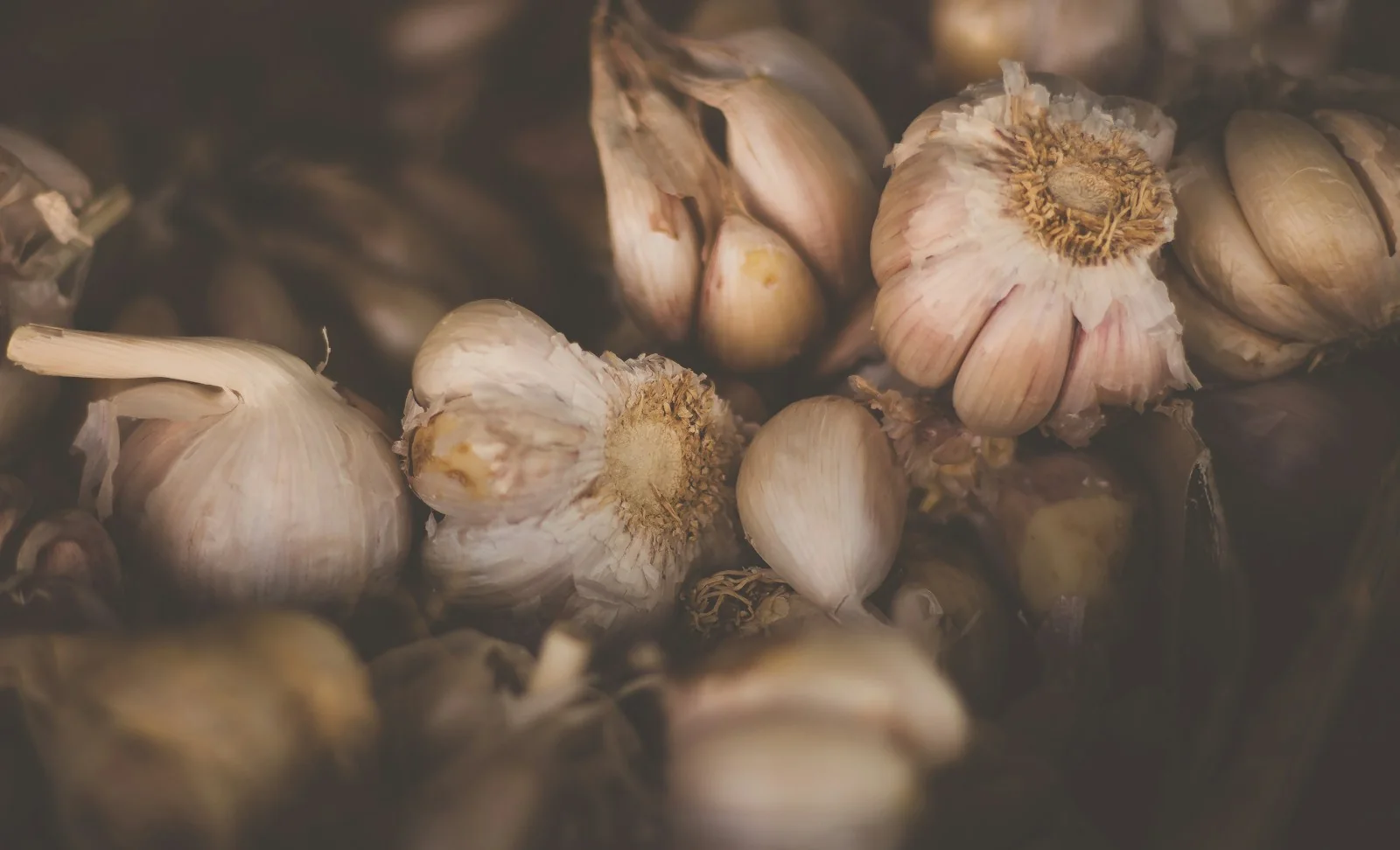
Hardneck and softneck garlic are both Allium sativum. Hardnecks form a firm central stalk; softnecks are the types commonly braided. Their winter adaptation and storage behavior differ, so start with locally suitable planting stock. Elephant garlic is a different allium more closely related to leeks, not simply an oversized cultivar of ordinary garlic. Utah State Extension: garlic establishment and storage
Decide which result matters most to you: interesting kitchen flavors, a crop of scapes, easy braiding or bulbs for later meals. Then ask a local nursery or extension service which garlic types fit your winter. Avoid buying only by the size of the display bulb. A large clove from an unsuitable type is not automatically the best starting material for your garden.
Keep the cultivar name and supplier with the planting stock. If trying more than one type, label each separately in the bed and carry those labels into harvest and curing. Mixing bulbs in a single attractive basket makes the comparison harder later. A modest, identifiable planting offers more useful information than a large assortment whose names disappear before spring.
Give autumn cloves a prepared place to root
Iowa State recommends fall planting for its climate and notes that large cloves planted in fall produce the highest yields there. Its calendar is regional. Garlic needs a suitable local establishment window; do not transplant an Iowa date unchanged into a mild winter or a high-elevation garden. Separate the bulb into cloves near planting and retain each clove's skin. Iowa State Extension: garlic types and scapes Cornell Cooperative Extension: growing and curing garlic
Prepare the site before breaking apart all your bulbs. Mark rows, check drainage and decide how you will reach the middle without stepping among plants. If a low part of the garden stays wet, choose a better-drained location or a raised growing area rather than hoping the cloves will tolerate it. Keep the planting stock dry and organized while the bed is being prepared.
Use the planting depth and spacing recommended for your region and garlic type. Cornell offers six to eight inches between cloves as one garden arrangement, with the pointed tip upward. That spacing is a useful layout reference, not a universal promise of bulb size. Mark the planted area clearly enough that dormant cloves will not be disturbed during winter cleanup. Cornell Cooperative Extension: growing and curing garlic
Manage spring growth without chasing larger leaves
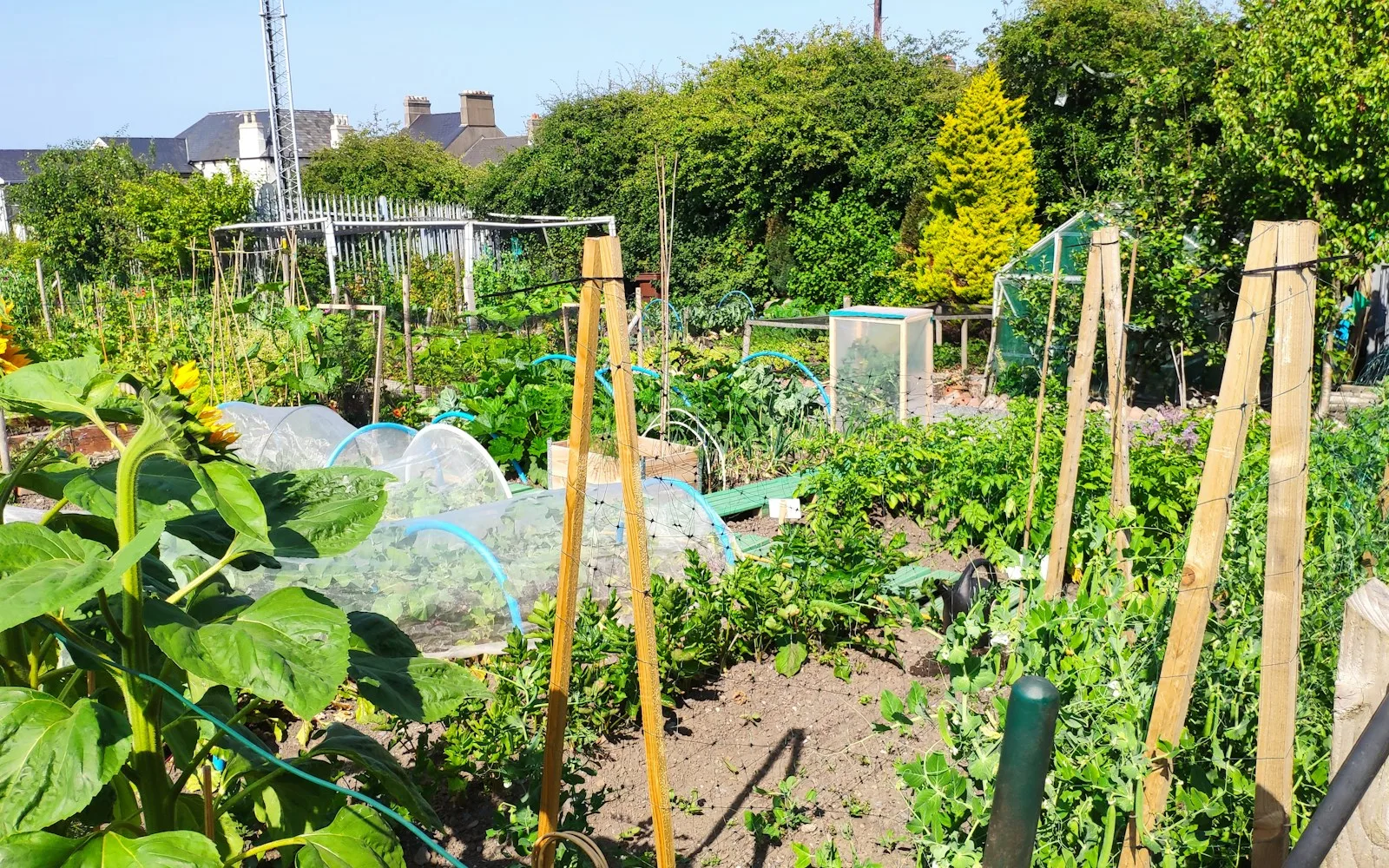
Garlic has shallow roots and needs reliable moisture while growing, but excess water near maturity can interfere with curing and storage. Utah State recommends basing amendments on a soil test and reducing watering as leaves mature. Weed carefully: deep cultivation close to the plants can damage the roots you are trying to support. Utah State Extension: garlic establishment and storage
Give spring inspections a purpose. Check that shoots can emerge through the mulch, look for weeds before they become difficult to remove, and assess moisture below the surface. Follow a locally appropriate mulch practice rather than treating one thickness as correct everywhere. Leave yourself a way to see the soil near the row; a completely hidden bed is harder to investigate when plants differ.
If growth is pale or uneven, map the pattern before applying fertilizer. Does the weak area coincide with shade, standing water or a different soil patch? Is one cultivar affected while another looks normal? Review what the soil test and previous applications already supplied. Adding several amendments at once makes it harder to learn which condition mattered and can turn a small uncertainty into a confusing season.
Treat scapes as a separate harvest
Hardneck garlic commonly produces a scape, the stalk rising through the center of the leaves. Iowa State recommends removing it while young, after it extends and begins curling but before it straightens and opens. Cut the scape without removing the surrounding leaves. This provides an edible harvest while allowing the plant to put more resources into the bulb. Iowa State Extension: garlic types and scapes
Plan a use for the scapes before cutting a whole row. A small amount can join a meal; a larger harvest needs a recipe or a preservation plan. Taste the tender part and discard overly fibrous portions during preparation. If you want to observe the plant's full flowering structure, designate a few marked plants for that purpose instead of accidentally leaving every scape until it toughens.
Do not use scape appearance as the only instruction to dig bulbs. Record the first scape harvest as a seasonal observation and continue checking the leaves and underground development. Separate scape harvest from bulb harvest on your calendar. This avoids the common mistake of treating a visible change above ground as proof that every bulb beneath the row is ready on the same day.
Inspect sample bulbs before lifting the row
Minnesota advises beginning harvest when lower leaves brown while roughly half or more of the upper leaves are still green. Lift a sample and inspect clove development. Too-early harvest sacrifices size; waiting too long can leave cloves separating from protective wrappers. These plant signs are more useful than waiting for every leaf to become completely brown. Minnesota Extension: garlic planting and harvest
Choose several representative plants, especially if the row contains different types or uneven growth. Compare the samples with your desired harvest condition before committing to the whole bed. Loosen the soil beside the bulbs and lift carefully, rather than pulling hard on foliage. Keep a separate place for bulbs accidentally cut during lifting so they do not disappear into the storage batch.
Sudden isolated yellowing deserves a different response from gradual seasonal maturity. Examine the bulb, roots and stem base, then document anything soft, discolored or unusually odorous. Ask for a diagnosis when the cause is unclear. Label suspect plants rather than allowing their cloves into next season's planting stock. A harvest date cannot explain every failing plant in a garlic row.
Cure for dryness, then keep inspecting
Cornell describes curing whole plants in a shady, airy, dry place and checking for papery wrappers and dry roots. Spread bulbs so air can reach them; avoid bruising and unnecessary wrapper removal. Curing times vary with conditions, so a two-week example is a starting estimate rather than an automatic packing date. Cornell Cooperative Extension: growing and curing garlic
Reserve the drying area before harvest, with enough space to keep cultivars and damaged bulbs separate. A slotted tray or mesh surface can be easier to inspect than a dense bundle. Feel and look at the bulbs in several locations, including the least exposed part of a group. If one area stays damp, improve spacing and airflow before calling the batch cured.
Once cured, trim and store sound bulbs with ventilation. Use damaged bulbs promptly if otherwise sound, and discard rotten ones. Recheck stored bulbs regularly and note which type remains useful longest in your actual storage place. Decide how much to plant next season from what you ate, shared and lost, reserving only healthy planting material rather than the largest bulb regardless of condition.
Sources & further reading
We favor university extension guidance and original product documentation. Linked sources support the specific facts cited; they do not endorse Garden Gear Atlas.
- Minnesota Extension: garlic planting and harvest
- Iowa State Extension: garlic types and scapes
- Cornell Cooperative Extension: growing and curing garlic
- Utah State Extension: garlic establishment and storage