Plan two transitions and keep their demands separate
A newly rooted cutting must first cope without the humid shelter used for propagation. If it is headed outdoors, it must also adapt to stronger light, moving air and changing temperatures. Schedule these as observable stages. Combining a new pot, removal of the dome and an afternoon on a windy patio makes it difficult to determine why a plant wilts. The cutting failure guide helps distinguish an unhealthy stem from a sound plant facing too large a change.
Gather the items that make small adjustments possible: individual pots with drainage, suitable potting mix, a label and a sheltered place within easy reach. An adjustable humidity dome can be useful for gradual ventilation, and a temperature-humidity monitor can document conditions near the plants. Use those measurements alongside the leaves and root-zone moisture. No humidity display can tell you whether one particular cutting has developed enough roots to leave its cover, and a clear dome is not intended for an unattended sunny location.
Look for root development that can support the whole cutting
Inspect a representative plant with the medium supported. Several extending roots offer more information than a single white tip at a drain hole. For common houseplants, Missouri gives approximately one-inch roots as a potting cue, while warning that the change from humid rooting conditions to ordinary growing conditions is critical. Apply that cue in context: a small tip and a large leafy branch do not have the same demand. Missouri houseplant propagation
For woody material, inspect the developing root system rather than waiting for a particular number of leaves. Iowa State's hardwood-cutting guide describes roots reaching the container edge as a sign of a developed system, followed by hardening and individual potting. Buds can expand while a stem is still relying on reserves, so shoot growth alone is an incomplete readiness test. If the roots are sparse but sound, replace the cutting carefully and give it time. Hardwood-cutting aftercare
Reduce humidity while the remaining conditions stay familiar
Begin by opening the cover or vents a little while maintaining suitable indirect light. Extend exposure if the leaves remain firm and the rooting medium retains appropriate moisture. The RHS recommends roughly two weeks of acclimation for rooted softwood cuttings, using increasing ventilation before individual potting. Treat that as a planning allowance, not a deadline that overrides a struggling plant. Different leaf sizes, temperatures and room humidity can change the pace. RHS softwood cuttings
Choose a period when you can check shortly after the first opening. If leaves become limp while the medium is still moist, reduce the exposure and reassess temperature and root development. If the medium actually dries, replenish water and allow drainage. Repeated severe wilting is not useful training. Keep a small daily note: cover position, approximate time uncovered, leaf posture and moisture at the rooting depth. Advance only one of these conditions at a time when the plants respond inconsistently.
Pot without turning fragile roots into a handling problem
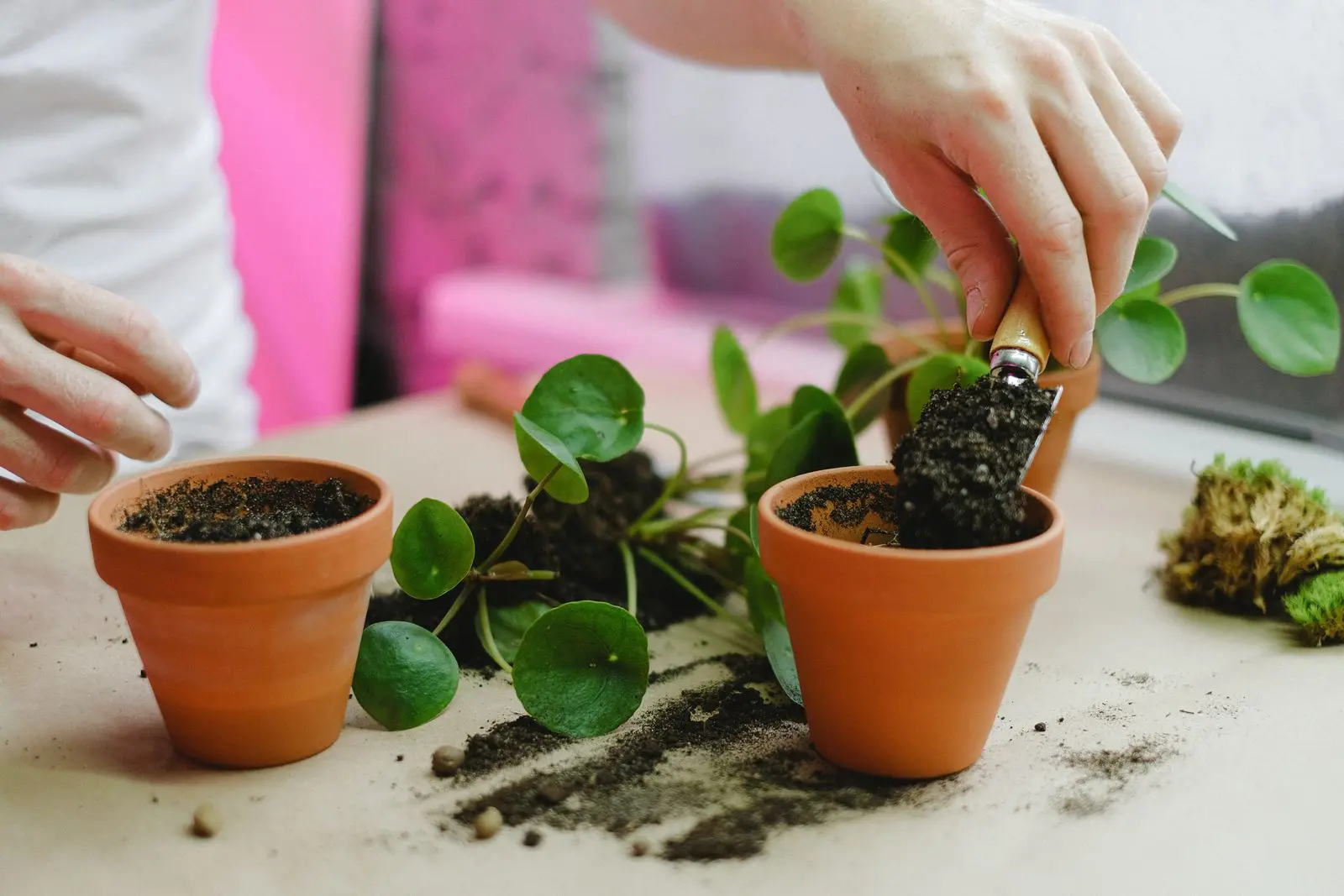
Prepare holes in premoistened potting mix before lifting the cuttings. Choose a pot that accommodates the roots without folding them sharply, while leaving a manageable amount of additional mix. Move the plant with its roots supported, settle the mix gently and retain its previous planting depth unless a species reference says otherwise. Label the new pot immediately. If several cuttings share one container, separate them while you can still do so without ripping a dense web of roots apart.
Purdue describes gradually opening the bag after rooting and potting when the cutting grows well without that cover. This makes a useful default when the shared rooting container still has room. Where roots are already tangling or the container is deteriorating, earlier careful potting may be necessary; maintain suitable sheltered conditions during recovery. Do not use the move as an opportunity for aggressive root pruning. Purdue cutting aftercare
After watering to settle the mix, let excess drain and inspect the pot again rather than leaving it in a permanent puddle. Keep the young plant somewhere you can lift the pot and check its drying pattern. The new mix may hold water differently from the propagation medium. Allow establishment before starting a species-appropriate feeding routine, accounting for any nutrients already in the mix.
Introduce outdoor light and wind after the plant is stable
Start in a sheltered outdoor position during suitable mild weather and bring tender plants back under protection when needed. Increase exposure gradually toward the conditions the mature plant requires. The RHS explains that hardening changes leaf structure and can take two to three weeks, particularly for plants raised in warm conditions. It also makes a crucial distinction: acclimation does not turn a frost-sensitive species into a hardy plant. Hardening off tender plants
Build the route around the destination. A shade-grown shrub cutting needs acclimation to outdoor conditions, not a compulsory graduation into midday full sun. A sun-loving herb needs progressively brighter exposure once established. Wind can be the limiting change even on a cool overcast day, so use a location with shelter rather than assuming low temperature means low water loss. Keep pots secured against toppling and inspect them after weather changes. One dry, windy day can demand a slower step than the previous several mild days.
Choose planting season from climate and plant type
Montana State describes a gradual outdoor transition of about seven to ten days and suggests allowing six to eight weeks of establishment before first frost for fall planting. That is a useful cold-climate planning margin, not a universal minimum for every species or region. An autumn-rooted tender plant may belong indoors through winter. A hardy woody plant may benefit from a protected growing-on period instead of immediate placement in an exposed final bed. Montana cutting and transplant guidance
Compare that with Oregon State's fall-cutting approach, which shelters trays through winter and checks roots for spring potting. Its late-March or early-April example reflects the conditions being described, not a national planting date. Prepare a winter plan before taking late-season cuttings: where they will sit, how they will drain, how you will prevent damaging cold and when you can inspect them. A tray producing roots in November does not create a suitable outdoor planting window by itself. Oregon fall-cutting method
Use an observable planting-out checklist
Before planting, check that the roots hold the young plant securely, foliage stays firm through the intended exposure and the prepared soil is workable rather than saturated. Water the root ball if needed before removing the pot. Set the plant at the appropriate depth, settle the surrounding soil and check moisture in both the original root ball and adjacent ground afterward. A damp bed surface can conceal a dry small root ball, especially if the two materials absorb water differently.
For an illustrative batch of eight rooted shrub cuttings, sort by readiness instead of moving all eight on one date: several may be ready for individual pots, a few may still need humid shelter, and one may need diagnosis. Record those stages on their labels. Small woody plants can spend another season in a managed growing area before their permanent positions; Iowa State notes that one or two years of growing on may be useful. This approach also makes watering and protection easier to observe while the plants are still small.
Sources & further reading
We favor university extension guidance and original product documentation. Linked sources support the specific facts cited; they do not endorse Garden Gear Atlas.
- University of Missouri: Home Propagation of Houseplants
- Iowa State: Hardwood Cuttings
- RHS: Softwood Cuttings
- Purdue University: New Plants From Cuttings
- RHS: Hardening Off Tender Plants
- Montana State: Cloning at Home
- Oregon State: Turn Fall Cuttings into Plants by Spring