Look closely at what is forming
The head you harvest from broccoli is an immature flowering structure. Compact buds are normal, not evidence that something has gone wrong. As the buds separate and flowers open, the plant is progressing beyond the preferred head-harvest stage. Minnesota recommends harvesting before those buds open, rather than waiting for a particular supermarket-sized head. Minnesota Extension: broccoli growth and harvest
Inspect one plant from the side and from above. Is the central head tight and gradually enlarging? Are stalks stretching between the buds? Are yellow petals visible? Take a close photograph today and compare it with the plant during your next visit. This is more useful than judging readiness from the amount of foliage or the height of the plant alone.
Once a head is loosening, decide what you can use now. Waiting solely for additional diameter risks missing the texture you wanted. If several plants are developing at different speeds, harvest individually. A row planted on one date does not need to be cut as a single batch, especially when individual plants have experienced different light, moisture or transplant condition.
A button is a premature small head
Buttoning describes an undersized head that forms before the plant has built enough vegetative growth. UC IPM links it with chilling after the juvenile stage, insufficient water, nitrogen shortage, excessive salt and weed competition. The result is different from a well-developed head simply being left until it flowers. Diagnosing both situations as heat bolting can send you toward the wrong correction. UC IPM: buttoning in broccoli and cauliflower
Look backward through the plant's history. Was it already large or crowded in its nursery cell? Did planting wait through a prolonged cold or wet spell? Was the root ball dry when it went into the bed? These questions help identify a preventable establishment problem. They do not prove a single cause, so preserve several observations rather than choosing the most memorable weather event.
Do not keep a clearly buttoned plant indefinitely while expecting a full main head to appear underneath it. Decide whether the small harvest is useful and whether the remaining growing season justifies keeping the plant. If you replace it, change the establishment problem you identified. Buying another overgrown transplant for the same stressful position is unlikely to be a useful comparison.
Buy a transplant that can keep growing
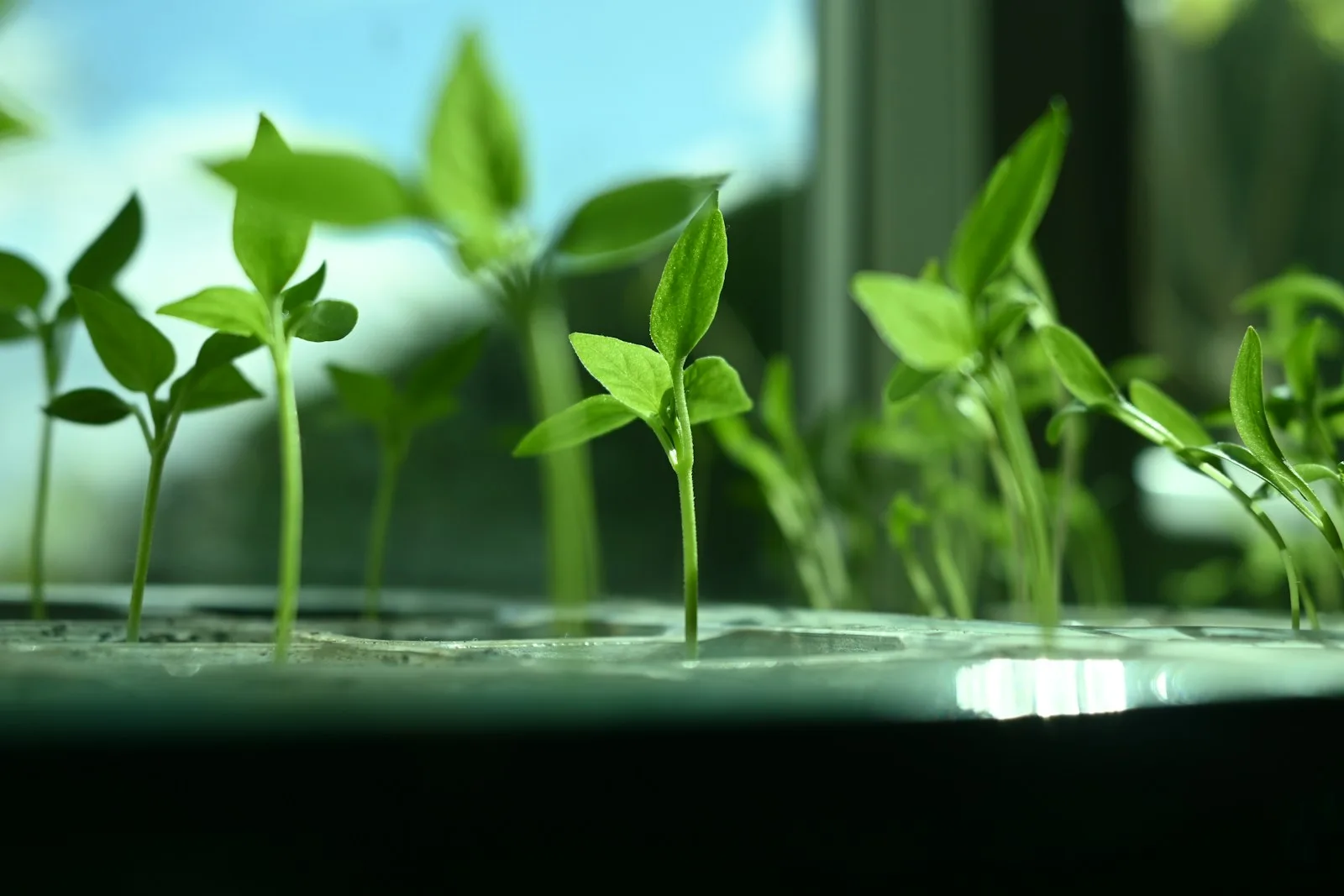
Utah State recommends young broccoli transplants with several mature leaves and a developed root system; larger, older transplants are more likely to button. It also describes reduced head size and side-shoot development with closer spacing. A sturdy compact seedling and adequate bed room are more valuable than choosing the tallest plant on the nursery bench. Utah State Extension: broccoli establishment and spacing
Examine the whole tray, not just its best-looking corner. Ask how long the plants have been held and whether they are ready for outdoor conditions. If roots are tightly packed and the center is already forming a tiny head, do not buy it expecting ordinary seedling behavior. Make room at home before purchasing so the plants are not held unnecessarily while you prepare the bed.
For home-grown transplants, count backward from a locally suitable planting window and include the hardening-off period. Keep the intended plant count realistic for your lighted growing area. If a weather delay occurs, assess root space and plant condition rather than following the original date blindly. Record the delay so a disappointing crop can be evaluated against its actual history.
Aim heading toward the cooler part of the season
Broccoli generally produces better heads in cool conditions, and high temperatures can reduce quality or hasten flowering. Maryland notes that many mid-Atlantic gardeners find fall broccoli more consistent than spring crops, while also warning against overly mature, stressed transplants. That regional experience is a reason to investigate your fall window, not proof that fall is best everywhere. Maryland Extension: bolting of vegetables
Find a local planting calendar and identify the period in which heads are expected to develop. Then work backward using the cultivar's maturity information, checking whether days are counted from sowing or transplanting. A packet number alone cannot account for establishment delays or a sudden warm spell. Leave flexibility in meal plans and avoid promising an exact holiday harvest from one small sowing.
A fall crop still begins while conditions may be hot. Plan how seedlings will establish and how you will check moisture during that period. If your site repeatedly misses a good spring window, try a small autumn planting alongside your usual crop plan. Compare actual head quality and care demands before assigning the entire bed to a second broccoli season.
Separate head development from damage
Water stress, poor fertility and root restriction can interrupt growth, while caterpillars and other pests can damage leaves and heads. Maryland's broccoli guide provides crop-care and pest references; use them to distinguish an establishment problem from chewing, spotting or decay. A head changing shape is not, by itself, a diagnosis of disease. Maryland Extension: growing broccoli
Open the leaf canopy gently and inspect the growing point, leaf undersides and soil surface. Look for actual insects, feeding debris, torn tissue or soft areas. Check root-zone moisture before turning on irrigation. Record whether a problem is widespread or confined to one plant. Those details will help an extension adviser narrow the possibilities if the symptoms do not fit ordinary maturity.
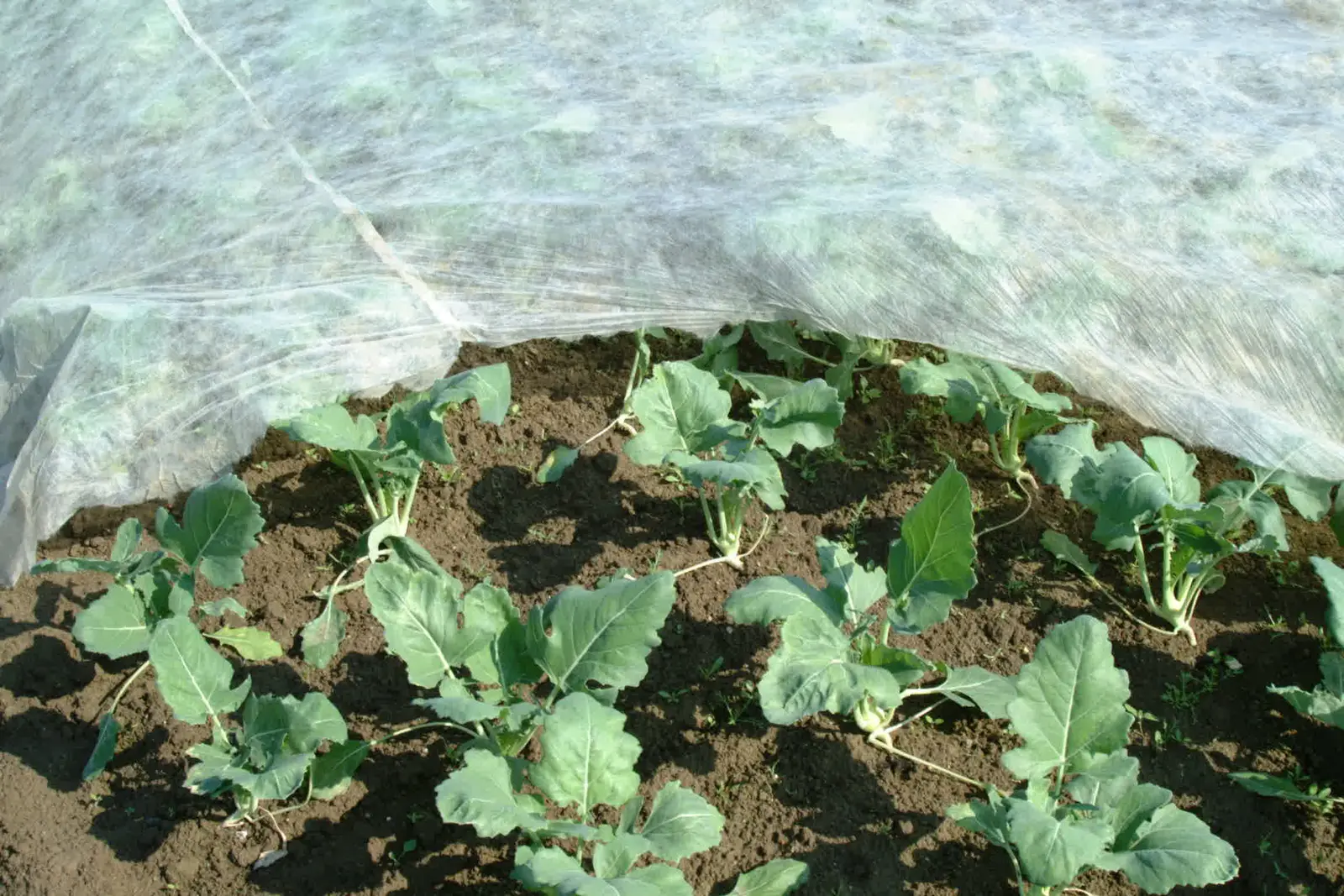
If you use a cover, check the environment underneath as well as its edges. Do not assume protection guarantees suitable temperatures or excludes every insect. A cover left in place without inspection can hide a problem from you. Choose a response that addresses what you found, and avoid adding fertilizer merely because the head is smaller than a photograph in a seed catalog.
Harvest the main head and assess the remaining crop
Cut the main head while buds remain tight. Many heading broccoli cultivars can produce smaller side shoots after that harvest, provided the plant stays healthy and conditions remain suitable. Utah State describes this follow-on production, but it is not a promise that every broccoli type or stressed plant will supply an equal second crop. Utah State Extension: broccoli establishment and spacing
Keep the cultivar label and look for developing shoots in the leaf axils. If they are growing and you can use small harvests, leaving the plant may be worthwhile. If the plant is failing or the bed is needed for a timely next crop, clear the space. Count side shoots as a separate benefit when judging your result rather than expecting them to reconstruct the original main head.
At the end of the crop, compare four observations: transplant condition, outdoor planting date, weather during heading and the date you actually cut. A compact head harvested promptly and a large head missed by several days are different outcomes. Use that distinction to adjust your next planting or inspection routine. Better timing can matter more than buying a different accessory for the same bed.
Sources & further reading
We favor university extension guidance and original product documentation. Linked sources support the specific facts cited; they do not endorse Garden Gear Atlas.
- Minnesota Extension: broccoli growth and harvest
- UC IPM: buttoning in broccoli and cauliflower
- Utah State Extension: broccoli establishment and spacing
- Maryland Extension: bolting of vegetables
- Maryland Extension: growing broccoli