Define one basil plant by its eventual job
A basil planting for occasional leaves and one intended for large kitchen batches need different plans. Write down whether you want frequent small harvests or a larger cutting followed by recovery. Then decide how many plants can occupy their positions while you wait. Counting seed pods is less useful than counting plants that can remain accessible after several harvests.
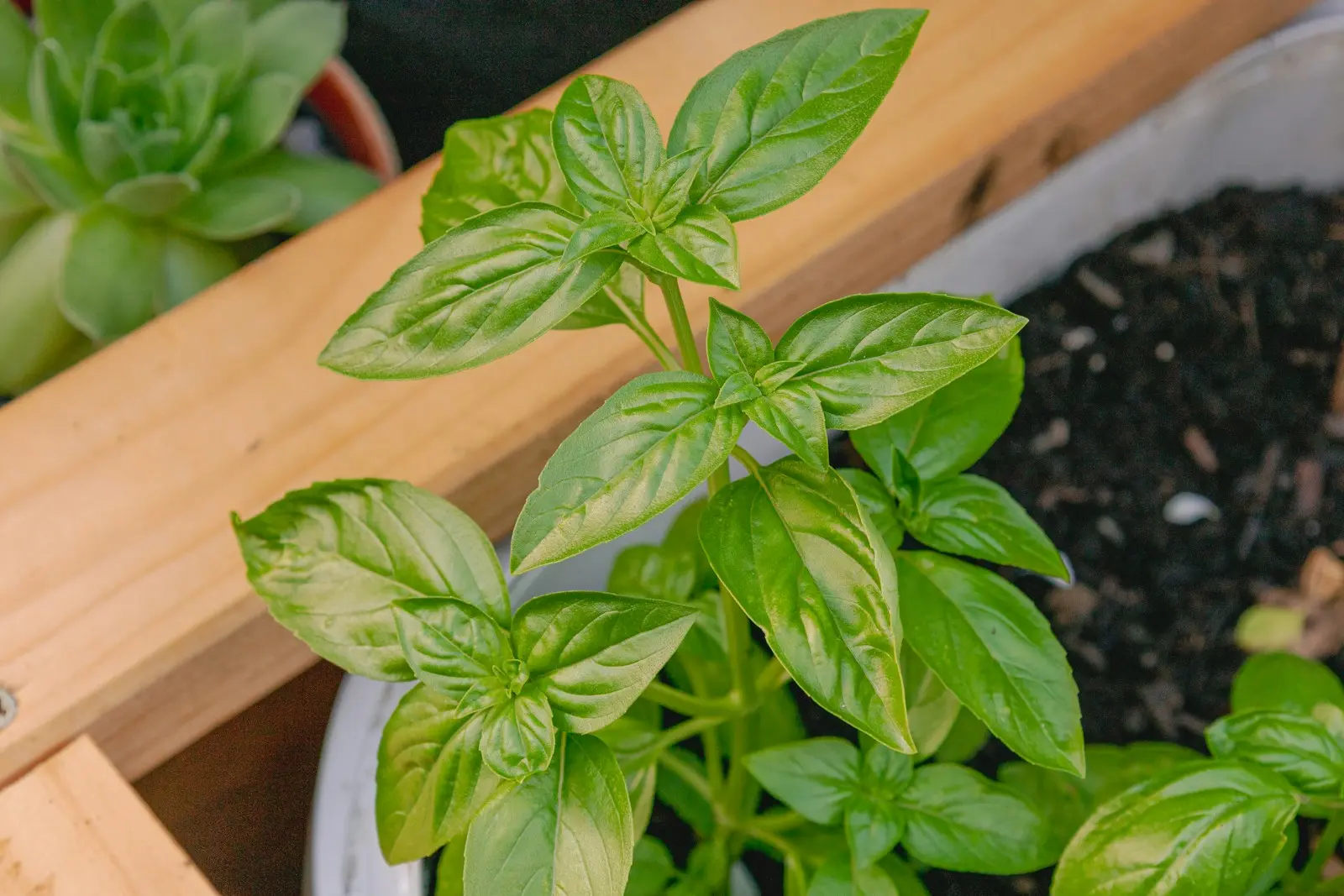
Choose the basil type for the flavor you intend to use, then read its mature habit. Minnesota Extension describes substantial differences among culinary basil forms, including compact and taller types. A plant sold under the broad name basil does not define one canopy size. University of Minnesota: Growing basil in home gardens
Start with the sweet basil profile if that is the plant you want. For a first hydroponic run, keep the cultivar and harvest goal consistent across a small batch. If you want to compare two basils, label them clearly and give each the space its own description calls for; equal hole counts do not make different-sized plants a fair comparison.
Draw the canopy after the second harvest
Sketch the plant from above as well as from the side. Mark the light, neighboring crops, a place for your hand and cutting tool, and the inspection opening. Now imagine where retained branches will grow after you shorten the tallest shoots. The useful question is whether that future shape can be reached and lit, rather than whether a small seedling fits neatly on the lid.
Leave unused positions where necessary, using covers intended for the system. Put labels where expanding foliage will not hide them. If several plants share a removable panel, check the weight and handling of that panel with a realistic arrangement of holders. Keep a place nearby where the supported assembly can rest during service without crushing leaves.
Use the mixed-height light-placement guide to plan a shelf with other crops. If the basil needs a different light position, choose a separate growing zone or a suitable layout before planting. Treat relentless cutting merely to clear the lamp as evidence that the original space allocation needs revision.
Choose ongoing access before adding a long-lived occupant
A basil plant retained through repeated harvests can block a lid, outlet, or sample point for much longer than a lettuce batch harvested together. Act out the maintenance while the system is still empty. Can you check the level, take a sample, remove spent solution, and inspect the delivery path with the planned canopy in place? Mark any job that requires another person.
Minnesota Extension distinguishes short lettuce cycles from herbs kept for continuing harvest, for which ongoing water management is needed. University of Minnesota: Small-scale hydroponics Ask for the instructions covering an occupied system, not just the procedure for starting an empty one. The water-change and cleanup guide helps separate in-crop maintenance from the later complete reset.
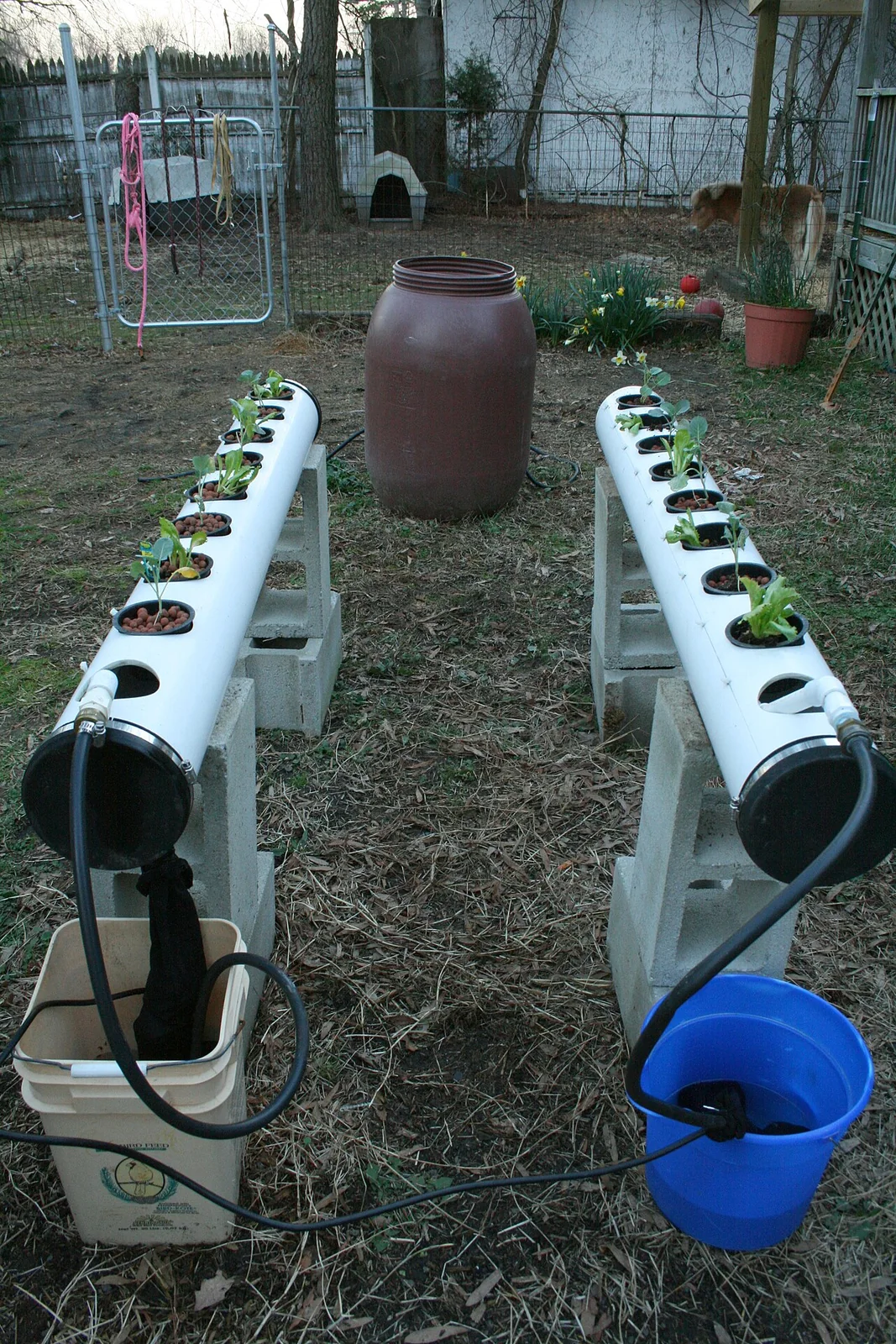
For a channel system, include accessible outlets in the sketch. Oregon State notes that NFT has limited root space and depends on continued flow. Oregon State: Nutrient film technique A basil choice should therefore include an inspection and end-of-crop plan. Do not assume a channel that carried small greens will remain equally easy to service through an extended herb project.
Treat establishment as a separate stage from harvesting
Set up each transplant using its system and propagation-medium instructions. Record its condition when installed: number of main shoots, visible damage, and the position of its top relative to the light. A simple photograph helps distinguish an old torn leaf from a newly developing problem. Keep the source and sowing date with the plant label.
Allow the plant to demonstrate new growth before asking it to supply a substantial kitchen harvest. This is an observation-based decision, not a requirement to wait a fixed number of days. If the canopy has not changed, inspect moisture delivery, root support, light placement, and the solution record before planning a cut. A scheduled meal does not establish that the plant is ready.
A crowded purchased pot may contain multiple plants. Establish how many independent stems or seedlings you have before assigning it one hydroponic position. The general basil harvest guide discusses supermarket clusters. For a first system, a clearly identified plug raised for the intended setup is easier to plan around than a dense cluster whose roots already require major handling.
Make each harvest shape the next accessible canopy
Minnesota recommends taking whole basil stems just above a pair of leaves, where new growth can develop. Its advice also emphasizes periodic pruning and the change toward woodier, less productive growth when plants flower and set seed. University of Minnesota: Growing basil in home gardens
Before cutting, identify the leaves and shoots you intend to retain. Choose an accessible shoot, support it as needed, and place the cutting into the harvest container rather than onto the reservoir lid. Work around the plant deliberately so you can still see its structure. Keep the cutting area separate from used water and equipment awaiting cleaning.
Afterward, photograph what remains and note the kind of harvest: a few tips, several stems, or the final crop removal. At the next visit, inspect the retained points for actual growth. Use that response to decide which plant can provide the next cutting. With several plants, alternate harvests according to their condition instead of stripping every canopy to make all positions look uniform.
Review light, roots, and solution after the canopy changes
A newly cut plant presents a different layout under the fixture. Check the tallest remaining shoot and the shorter shoots around it before changing the light. Follow the fixture's stated placement and coverage guidance, and record any change. Do not lower a shared lamp over another crop without checking that crop's clearance as well.
At the reservoir, keep observations tied to the date and harvest event. Record the level and scheduled measurements before any maintenance, then note what you added or replaced under the crop program. Compare trends across similar intervals. A reading taken just after a water change should not be treated as equivalent to one taken before service.
Use the measurement routine if a number seems surprising. The conductivity of a solution does not reveal the concentration of each individual nutrient. University of Minnesota: Small-scale hydroponics An unexplained leaf change needs a wider inspection, including the condition and position of affected leaves, rather than an automatic increase in feed after every harvest.
Keep lettuce and basil together only with an explicit plan
On a shared shelf, compare canopy height and working access first. On a shared reservoir, also compare the operating and nutrition instructions for the crops and stages involved. Write down what happens when the lettuce is removed but basil remains. If you cannot complete the intended reservoir cleanup until the basil is retired, account for that in the planting schedule.
One practical layout is to keep the herb in its own serviceable unit and use another for lettuce batches. Another is to finish both crops together, accepting a final basil harvest when the combined batch ends. These are management options; neither is a claim that every mixed planting will fail. Choose the arrangement whose maintenance you can actually perform.
Consult the crop and root-space guide before combining additional species. Overlapping numbers in two nutrient tables do not answer whether the crops can share the same physical space, water-change schedule, or harvest date. Those decisions need to be written down as well.
Choose a replacement point while the crop is still useful
Keep a brief record of what the planting supplied and what prevented another satisfactory harvest. Did the plant become difficult to reach, produce little useful new growth, or need constant reshaping to avoid neighboring crops? These are valid reasons to retire it even if it is still alive. A productive household setup does not require keeping every plant as long as possible.
Treat unexplained spotting, collapse, or persistent decline separately from ordinary size management. Photograph the problem and seek an identification through local extension if it persists. Avoid moving a questionable plant into a new system simply to recover the occupied space. The replacement batch should have its own clear starting condition.
Plan nursery space for the successor and a complete cleaning interval for the vacated unit. The shortlist supplies pH and conductivity measurement options for an ongoing routine; it is not a basil-growing kit. Reuse suitable equipment and buy only what solves a documented gap. Your record may show that a separate container or fewer simultaneous plants matters more than another nutrient product.
Sources & further reading
We favor university extension guidance and original product documentation. Linked sources support the specific facts cited; they do not endorse Garden Gear Atlas.
- University of Minnesota: Growing basil in home gardens
- University of Minnesota: Small-scale hydroponics
- Oregon State: Nutrient film technique