The early start has two competing risks
Peas tempt gardeners outdoors early, which is useful only if the seedbed is ready. Working waterlogged soil can damage its structure, and seeds sitting in cold, wet conditions may establish poorly. At the other end of the window, a late sowing can reach flowering as weather becomes too hot for good production. The practical goal is not the earliest possible date; it is a healthy start with enough cool growing time afterward.
Check the bed itself, not only the weather app. Does the soil crumble when handled gently, or smear into a sticky mass? Is water standing in low areas? Can you make a seed furrow without compacting the surrounding ground? A raised bed may become workable before a nearby low bed, but that difference should be observed rather than assumed.
Minnesota Extension describes peas as a cool-season crop and distinguishes the relative hardiness of young plants from the greater vulnerability of flowers and developing pods. Its pea-growing guide explains why 'frost tolerant' is not a guarantee at every stage. Keep a way to respond to an unusually severe cold forecast, especially once flowering begins.
Decide which part of the pea you want to eat
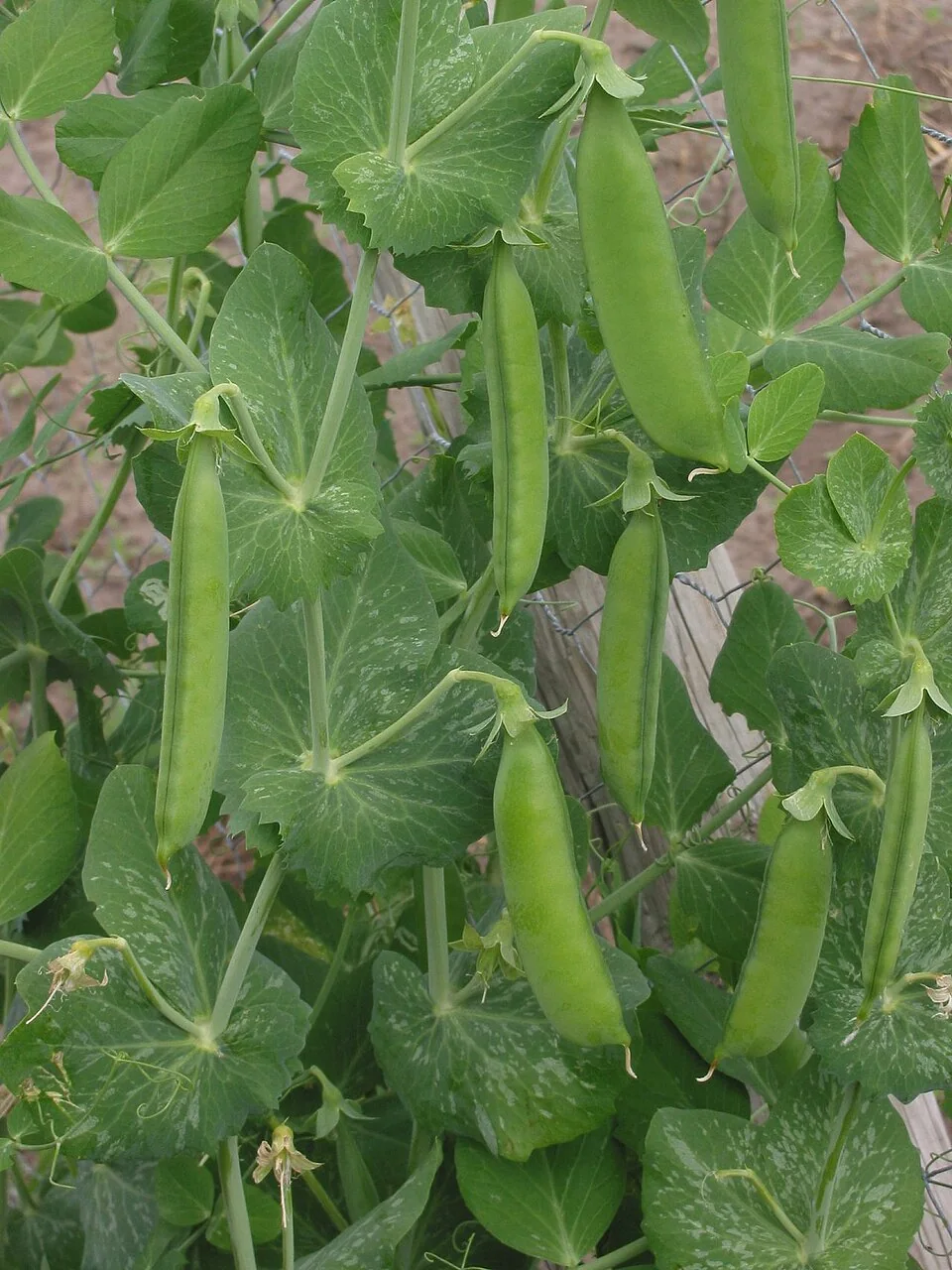
Shelling peas are grown for the seeds removed from the pod. Snow peas are harvested with flat edible pods before the seeds enlarge much. Snap peas are eaten as plumper edible pods at a tender stage. Picking all three at the same appearance would waste some of their best qualities. Confirm the type before choosing harvest dates or judging whether the crop is ready.
Also confirm that the packet is for edible garden peas, usually Pisum sativum, rather than ornamental sweet peas. Attractive flowers and a similar common name do not make ornamental plants food. Keep edible and ornamental seed packets separate, and label the row as soon as you sow.
For each edible type, compare mature height and estimated maturity. A short cultivar can simplify support, while a tall cultivar requires a reachable structure. A long-season choice may not suit a location where spring quickly becomes summer. If you are unsure, try a modest planting of a locally recommended cultivar rather than several ambitious trellises of an unfamiliar type.
A small calendar with useful margins
Find your local Extension pea planting window and use it alongside current conditions. Do not count backward from the last spring frost as though peas were frost-sensitive tomatoes. They occupy an earlier part of the garden year. Conversely, do not subtract the packet's maturity number from the first hot day you remember and treat the result as exact: development responds to weather.
Utah State Extension describes early sowing, cool-season growth and the reduced reliability of some fall pea plantings. Its pea guide is valuable for understanding the tradeoff, while its dates remain regional. In a place with a long mild spring, there may be room for successive plantings. In a place with a brief cool window, a later sowing may add little useful harvest.
Write three dates or triggers into the plan: sow when the bed becomes suitable, start checking pods after flowering, and reassess the crop when heat or declining quality arrives. Add the intended successor crop and the latest reasonable time to establish it. That makes the pea planting part of a season-long bed plan rather than a crop that remains in place because no replacement was considered.
- Before sowing: confirm edible type, maturity estimate, support height and workable soil.
- At emergence: check gaps, weeds and whether seedlings can reach the support.
- At flowering: reassess frost protection and root-zone moisture.
- At first picking: identify the correct pod stage for your pea type.
- As weather warms: compare continued harvest with the needs of the following crop.
Set up supports while the bed is still accessible
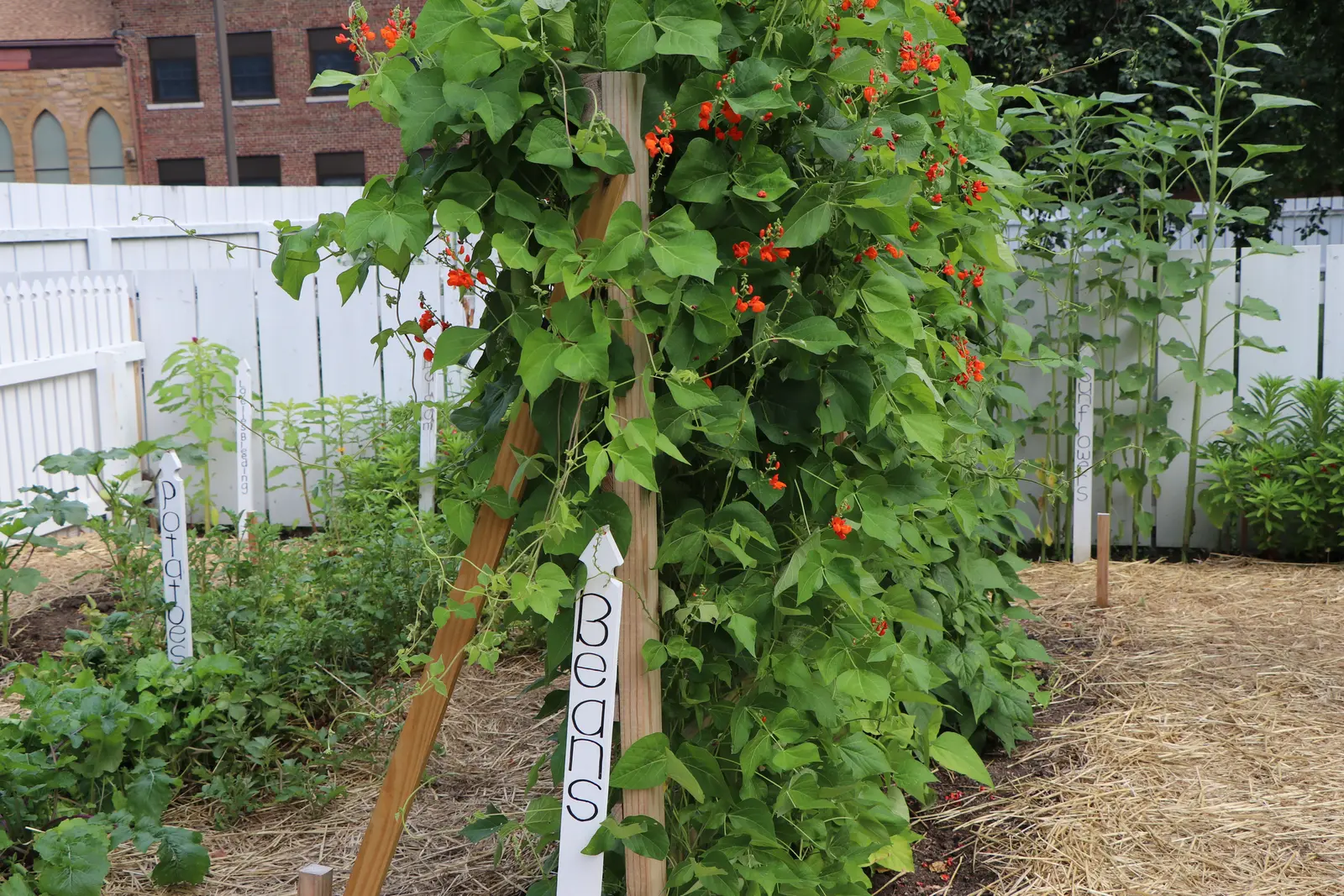
Install the structure before vines become tangled. Pea tendrils need something suitable to catch, and a smooth isolated post may not serve them as well as a network of smaller supports. Match the height to the cultivar rather than assuming all peas stop at the same point. Low forms can still benefit from support that keeps pods accessible and reduces lodging.
Plan how you will pick the far side. A trellis backed tightly against a wall may look tidy but hide a significant part of the crop. If only one side is accessible, choose a layout that allows you to reach through without breaking stems. Keep the first growing tips close enough to their support that they do not spend the season clinging to neighboring plants.
Follow packet spacing for the system you are using. A double row along a trellis and a broad patch of short peas are different layouts. Dense planting can provide mutual support, but it should not become a reason to ignore access or allow weeds to compete through establishment. Remove weeds carefully without deep cultivation around the pea roots.
Direct sowing versus a controlled start
Direct sowing is straightforward when the outdoor bed is ready. It avoids handling delicate young roots and fits a crop commonly grown in rows. If poor establishment has been a repeated local problem, a small controlled trial can help distinguish seed quality from outdoor conditions. Keep the trial small enough that you can move it promptly when appropriate.
Maryland Extension describes pre-germination and transplant options, including the need to avoid breaking emerging roots. Its green-pea guide also explains why fall crops can struggle in its climate. Those techniques add handling and timing requirements; they are options, not essential upgrades for every pea planting.
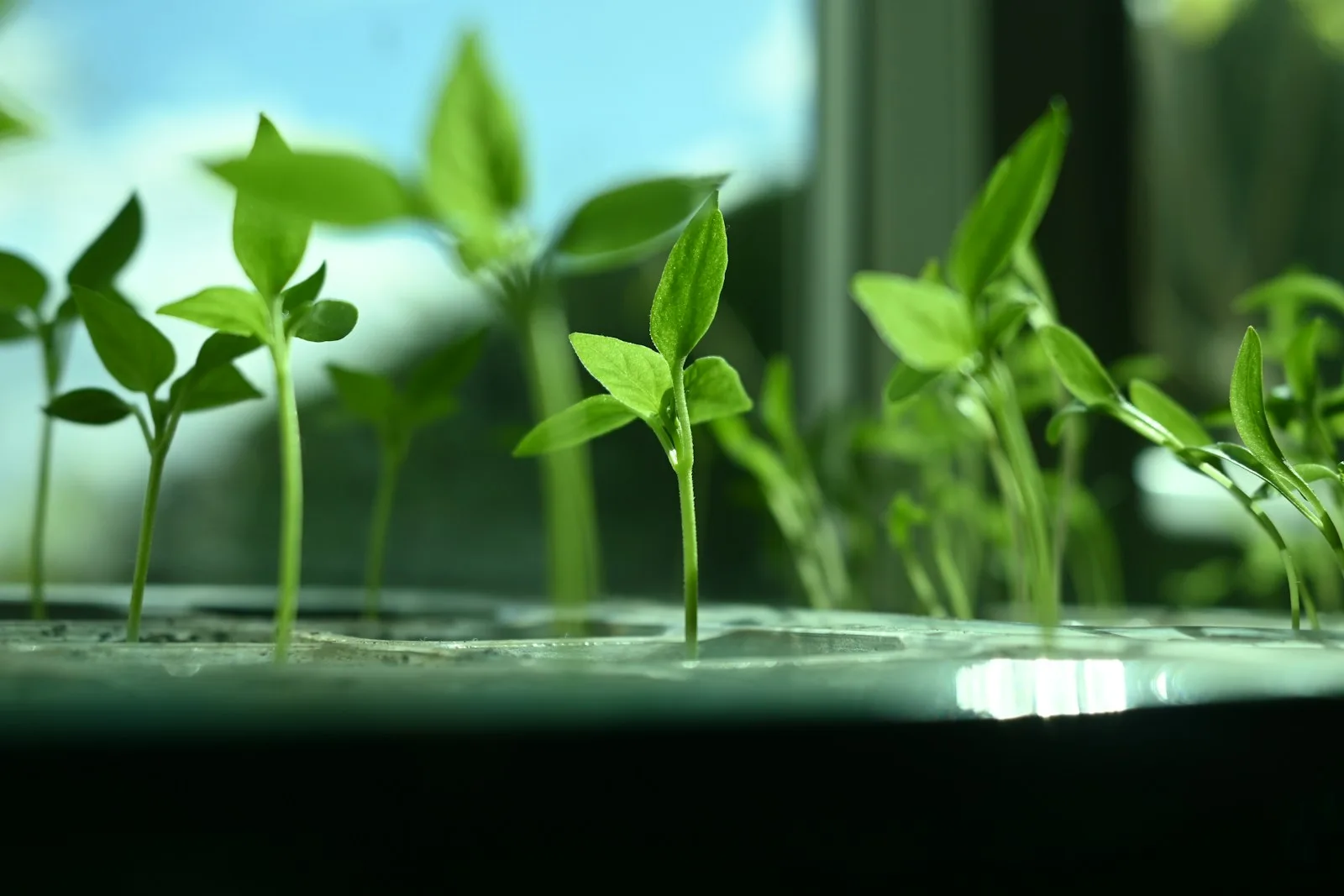
If you pre-germinate seed, have the destination ready first. A visible root is fragile, and an unexpected delay can turn a head start into a handling problem. If you use young transplants, avoid holding them until roots are tightly crowded. Keep records of emergence and establishment so you can decide whether the extra work actually helped under your conditions.
Finish with good pods, not simply surviving vines
Once pods begin developing, inspect frequently. Snow peas can move beyond their best flat stage quickly, while shelling peas need enough filling to justify harvesting. Snap peas should be plump and tender, not left until they resemble dry seed pods. Pick carefully while supporting the vine, and cool the harvest promptly if it will not be used immediately.
Maintain useful root-zone moisture during flowering and pod development without keeping soil saturated. A wet spring may require little supplemental water at first, followed by much more attention as rain stops and foliage expands. Do not use the early-season routine unchanged simply because the crop is already established.
When harvest becomes sparse, pods lose quality or vines decline in warming weather, decide whether continued care is worthwhile. Remove the crop in time for the planned successor, and inspect any unusual disease symptoms before reusing plant material or selecting the next location. Record the actual first and last useful harvest. Next year's best improvement may be a slightly different cultivar or bed, not a dramatically earlier sowing date.
Why a fall retry needs its own plan
A disappointing spring crop does not make fall peas an automatic replacement project. Fall establishment may begin in hot weather even when the intended harvest occurs in cool conditions. Later, short days and cold can slow development, and a frost during flowering is different from a light frost on young vines. Check a locally recommended fall window and choose a modest trial rather than reusing the spring calendar in reverse. Identify where the support will stand after summer crops are removed and whether the seedbed can be watered during establishment. If local guidance describes fall peas as unreliable, treat any harvest as an experiment and preserve some space for a more dependable cool-season crop. This avoids committing the entire autumn bed to an uncertain deadline.
Sources & further reading
We favor university extension guidance and original product documentation. Linked sources support the specific facts cited; they do not endorse Garden Gear Atlas.
- University of Minnesota Extension: Growing peas
- Utah State University Extension: Peas in the garden
- University of Maryland Extension: Growing green peas
.JPG)