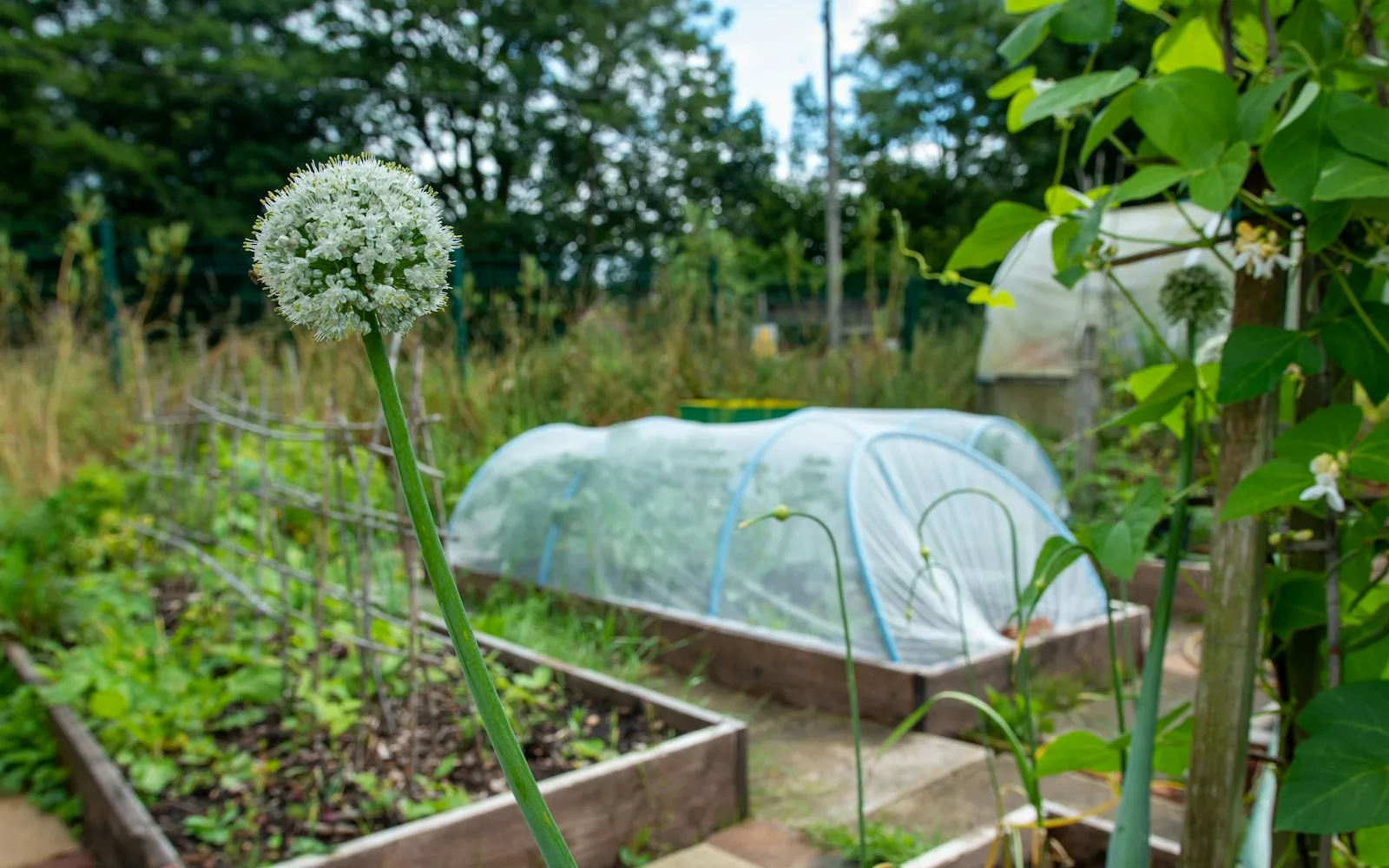
Locate the wetness before naming the problem
Walk the garden from an existing path during or soon after ordinary rain, then revisit as the surface dries. Sketch where water arrives, which areas pond first, and how long the same spots remain wet. Include downspouts, paving edges, slopes, irrigation, and the routes used by wheelbarrows or maintenance equipment. A low corner receiving runoff from a large hard surface has a different starting problem from a compacted footpath inside a bed.
Photograph the same places at successive visits and note whether the event followed a long dry spell or repeated rain. Do not compare one exceptional storm with a typical shower as if the soil alone changed. Before choosing an amendment, finish the sentence “water collects here because…” with an observation you can investigate. “The soil is bad” is too broad to guide a useful purchase or repair.
Separate texture, structure, infiltration, and drainage
Texture describes the proportions of sand, silt, and clay. Structure describes how those particles form aggregates and the spaces between them. Infiltration is water entering the surface; downward movement through the profile is another part of drainage. Maryland Extension distinguishes surface entry from movement below it. A surface that accepts water quickly can still overlie a layer that slows its escape.
Clay-rich soil can retain useful water and nutrients, while compaction is damage caused by pressure that reduces useful pore space. They are not synonyms. NC State explains texture and structure separately. The practical distinction is that management can protect or improve structure without trying to convert an entire clay soil into a sandy one. Judge the functioning root zone, not whether a handful resembles bagged potting mix.
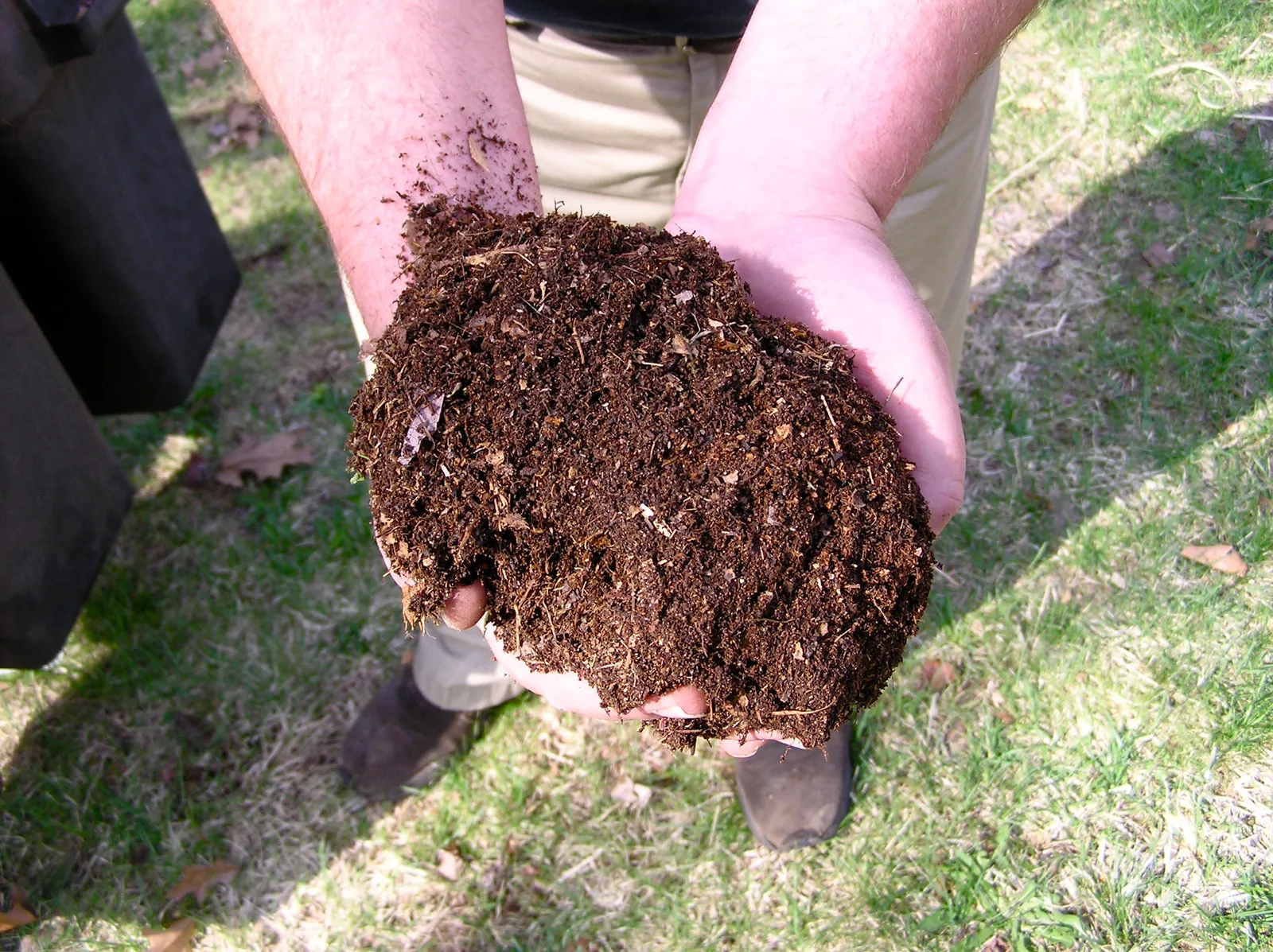

Stop making wet soil harder to repair
Keep feet, wheels, and digging equipment out of wet beds. Minnesota Extension explains that compaction reduces larger pores, slows water movement, and makes root penetration more difficult; wet conditions increase susceptibility to traffic damage. Tillage can also damage structure. Read Minnesota’s soil-compaction guidance for the underlying mechanisms.
If soil sticks heavily to tools, smears into a glossy surface, or deforms underfoot, postpone cultivation and use the established access route. A dry crust does not prove the layer beneath is ready. Check the depth you intend to work once conditions improve. Waiting protects the structure you hope to restore. For recurring access problems, redesign the route or bed reach so routine harvesting and watering do not require standing on the planted soil.
Compare a problem spot with a useful reference
When the soil is workable, inspect a small representative section in the affected area and compare it with nearby, similar ground that performs better. Work only where digging is appropriate and buried services and important roots have been considered. Look at crumb structure, root distribution, abrupt changes in material, and the depth where resistance increases. Construction fill, a traffic layer, and naturally changing soil horizons can look quite different.
A shallow soil inspection needs access and a manageable hand tool, not force applied blindly. Record the depth and appearance of any suspected restriction. Roots turning sideways or concentrating above a layer support further investigation, but do not identify the cause by themselves. A hard probe stop can also be a stone. Compare equivalent moisture conditions; very dry clay may resist a tool even where compaction is not the principal issue.
Use a drainage test as a screening observation
A locally recommended drainage test can help compare potential planting sites. Use one complete procedure, including any required pre-wetting, hole dimensions, and timing. Maryland Extension gives a pre-wetted hole test, and lists several possible causes of a slow result, including compaction, clay content, buried debris, a restrictive layer, or a high water table.
Record the method and conditions with the result, rather than keeping only an inches-per-hour number. Test more than one representative location when the bed varies. Water moving sideways into a test hole, temporary drought cracks, or a different layer at the hole’s base can complicate interpretation. A garden screening test cannot certify a drainage design, establish a seasonal water-table level, or prove that every plant will tolerate the site. Persistent or unexplained saturation warrants local assessment.
Recognize a restriction beneath apparently good topsoil
An attractive surface layer does not guarantee drainage below it. NC State cautions that imported topsoil over compacted ground can leave water pooling at the boundary. Water may temporarily perch above a layer that transmits it more slowly. Adding more loose material on top does not automatically remove that bottleneck; roots can eventually reach the same wet zone.
Separate this pattern from water arriving continuously from uphill or from a seasonally high water table. Surface compost cannot lower a water table, and loosening one planting hole does not provide an outlet for a larger saturated area. The deep raised-bed fill guide helps assess what lies below a proposed bed. Before installing subsurface drains, obtain a site-specific plan for the water source, destination, grades, and any local requirements rather than copying a trench detail.
Avoid the sand-and-clay shortcut
Do not add a few bags of sand to clay-rich garden soil expecting reliable drainage improvement. Illinois Extension explains that this familiar shortcut can produce a denser, poorly functioning mixture rather than the intended open structure. Its discussion of sand in clay favors organic matter management and suitable plants as more practical approaches.
Do not treat the reverse exercise—adding an arbitrary clay material to sand—as a simple garden recipe either. Material properties, proportions, depth, and mixing all matter. Likewise, a product called a clay buster does not establish a need for gypsum. Maryland’s soil-health guidance rejects it as a generic structural fix for Maryland soils. Salt- or sodium-affected soils elsewhere require their own analysis and locally appropriate reclamation advice; that special case should not become a blanket amendment rule.
Give each intervention an observed job
For repeated foot traffic, protect the rooting area and improve access first. For excess irrigation, correct the delivery routine. Where a local assessment identifies a shallow compacted layer in an unplanted bed, choose a suitable loosening method and workable moisture conditions, then protect the area from recompaction. Extensive excavation around established trees is a different risk; preserve major roots and use qualified help when necessary. Our tree-planting depth guide also explains why burying the root flare is not a remedy.
Where organic matter is appropriate, choose traceable material and a purpose rather than an automatic annual load. Maryland’s amendment guidance describes benefits to aggregation and water movement, while also recognizing nutrients supplied by amendments. Consult the compost-topdressing guide to account for existing fertility. Use the mulch-selection guide for protecting the surface. Compost and mulch do not replace a missing drainage outlet.
Track function through the next meaningful conditions
After a change, revisit the original observation points. Note how water enters, whether ponding lasts as long under comparable rain, where roots grow, and whether plants establish more successfully. Improving the surface is useful, but do not declare a deep restriction solved because the bed feels softer to a hand tool. A trial area can help assess a manageable intervention before treating a whole garden.
Keep a soil-test record for fertility decisions alongside these physical observations. Neither substitutes for the other. In cold regions, do not assume winter freezing will repair deep compaction; Minnesota documents limits to that expectation. In seasonally wet or arid regions, assess the conditions that actually constrain planting. If the site remains unsuitable, selecting plants adapted to its moisture pattern or relocating the bed can be more durable than repeated amendment purchases.
Sources & further reading
We favor university extension guidance and original product documentation. Linked sources support the specific facts cited; they do not endorse Garden Gear Atlas.
- University of Maryland Extension — Common Soil Problems
- NC State Extension — Soils and Plant Nutrients
- University of Minnesota Extension — Soil Compaction
- University of Maryland Extension — Soil Health, Drainage, and Improving Soil
- Illinois Extension — Does Sand Improve Clay Soil Drainage?
- University of Maryland Extension — Organic Matter and Soil Amendments