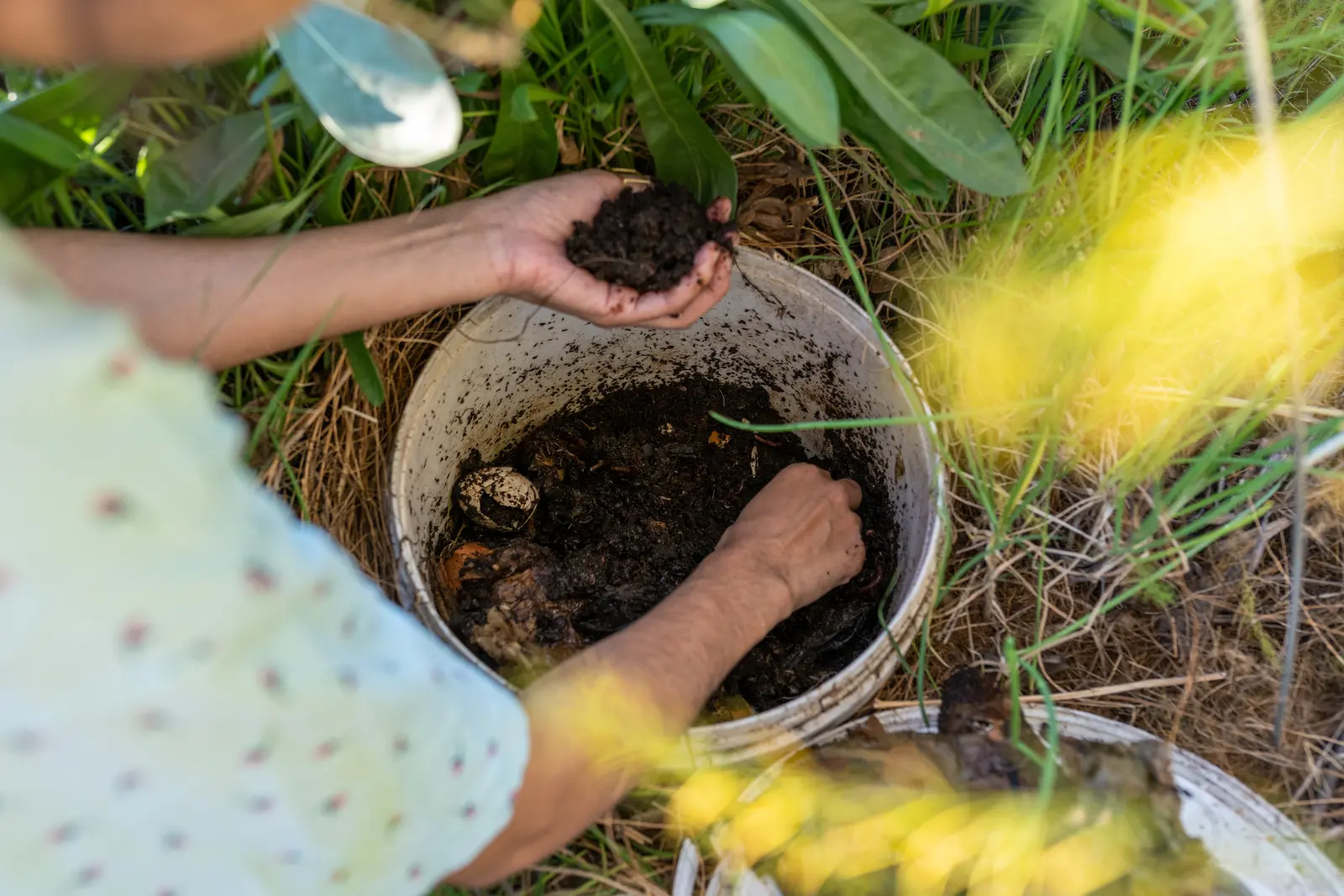
Compare the job, not just the container
A composter is a place to manage decomposition; it is not the thing that creates it. EPA describes composting as an oxygen-dependent biological process whose organisms need carbon, nitrogen, moisture and air. A rotating barrel can help you mix material, while an open heap gives you access with a fork. Neither shape compensates for an unsuitable mixture. EPA backyard composting.
Start with a one-week input diary. Record whether you generate a small kitchen caddy of vegetable scraps, several bags of autumn leaves, grass clippings, or a seasonal load of spent plants. Those are different capacity problems. Add the space you can realistically allocate, the tools you already own, and how often you want to handle the material. This turns a product comparison into a useful design brief.
An open pile favors flexible volume
An open heap needs no purchased enclosure. Illinois Extension notes that it can be turned or left to decompose more slowly, although woody material takes longer and exposed food scraps can attract pests. A simple bay or removable wire enclosure is another option if you want containment without a rotating mechanism. Illinois composting-system comparison.
For an actively managed pile, sufficient mass matters. Minnesota Extension describes a roughly three- to five-foot-wide structure and emphasizes access for adding water and removing material. Those dimensions are guidance for a conventional pile, not a universal requirement for every manufactured composter. UMN pile size and access.
Before choosing this route, mark the working area as well as the pile's footprint. Where will you stand to turn it? Can a wheelbarrow reach the finished compost? A corner that accommodates a heap but leaves no room to work may not be the space-saving solution it first appears.
A tumbler favors a deliberate batch routine
Tumblers package the work into an enclosed vessel, but volume and access vary. Check the loading opening, latch, support frame, clearance for rotation and method of emptying. Oregon State Extension specifically advises evaluating the mechanics and sturdiness of tumblers; a design that rotates easily when empty may be a different proposition once loaded. Do not assume that 'no fork required' means effortless for every gardener. OSU tumbler-selection advice.
A dual-chamber model separates two batches; it does not give each chamber the advertised total capacity. The FCMP IM4000 manufacturer currently specifies 43 US gallons total. That is a concrete reminder to check the capacity basis, not a claim that this size will process any household's waste stream. FCMP IM4000 specifications.
Ask a practical question before buying: can you load, turn and unload the unit using the space and range of movement you actually have? Include the collecting tray or wheelbarrow beneath the opening in that assessment.
Stop adding when you want a batch to finish
Repeatedly mixing fresh scraps into an almost-finished batch makes the harvest less straightforward. Illinois Extension describes turning systems as batch arrangements and advises against adding new material after the filled batch enters its turning stage. A second chamber, second bin or separate collection route resolves that logistical problem. Illinois batch-management guidance.
Label your batches 'collecting' and 'finishing' rather than promising yourself a harvest on a particular date. Record when additions stop. If the finishing chamber is still occupied when the collecting chamber fills, your system needs more capacity or a backup destination for material. Buying a faster-sounding product does not automatically solve that bottleneck.
This is also why a hybrid arrangement can make sense: a tumbler for contained kitchen-scrap batches, plus a pile for bulk garden material. Treat that as an editorial layout option, not a requirement to purchase two systems.
Manage ingredients before buying additives
EPA suggests beginning with two to three volumes of browns for one volume of greens, mixing rather than compacting them, and maintaining moisture comparable to a wrung-out sponge. Keep dry leaves or another suitable brown material available when wet kitchen scraps arrive. Avoid backyard additions such as meat, dairy, grease and pet waste; an enclosed vessel does not make every food or waste stream appropriate. EPA ingredients and exclusions.
The RHS says balanced materials and adequate air usually make accelerators or activators unnecessary. It also identifies common clues: a wet, unpleasant mixture can need more air and brown material; a dry, fibrous mixture may need moisture and greens. Investigate the condition instead of assuming the missing ingredient is a branded additive. RHS compost troubleshooting.
Plan for weather, animals and everyday access
Small tumblers can lose heat in cold conditions; Oregon State's advice warns that small uninsulated chambers do not necessarily stay active through its local winter. Do not translate a summer processing claim into a year-round guarantee. The same source notes that tumblers can leak liquid, so placement matters even when the material is enclosed. OSU practical tumbler limitations.
Choose a location you will still visit when the novelty fades. Minnesota recommends convenient access near where the compost will be used, with protection from drying winds. Keep the route usable for watering and harvesting. UMN compost placement.
An enclosure should not be treated as an unconditional pest-proof guarantee. Inspect closures and access points, manage eligible inputs carefully, and check any relevant property rules before establishing the site. If your available location cannot accommodate those needs, a local collection program may fit better.
Judge the compost, then judge the system
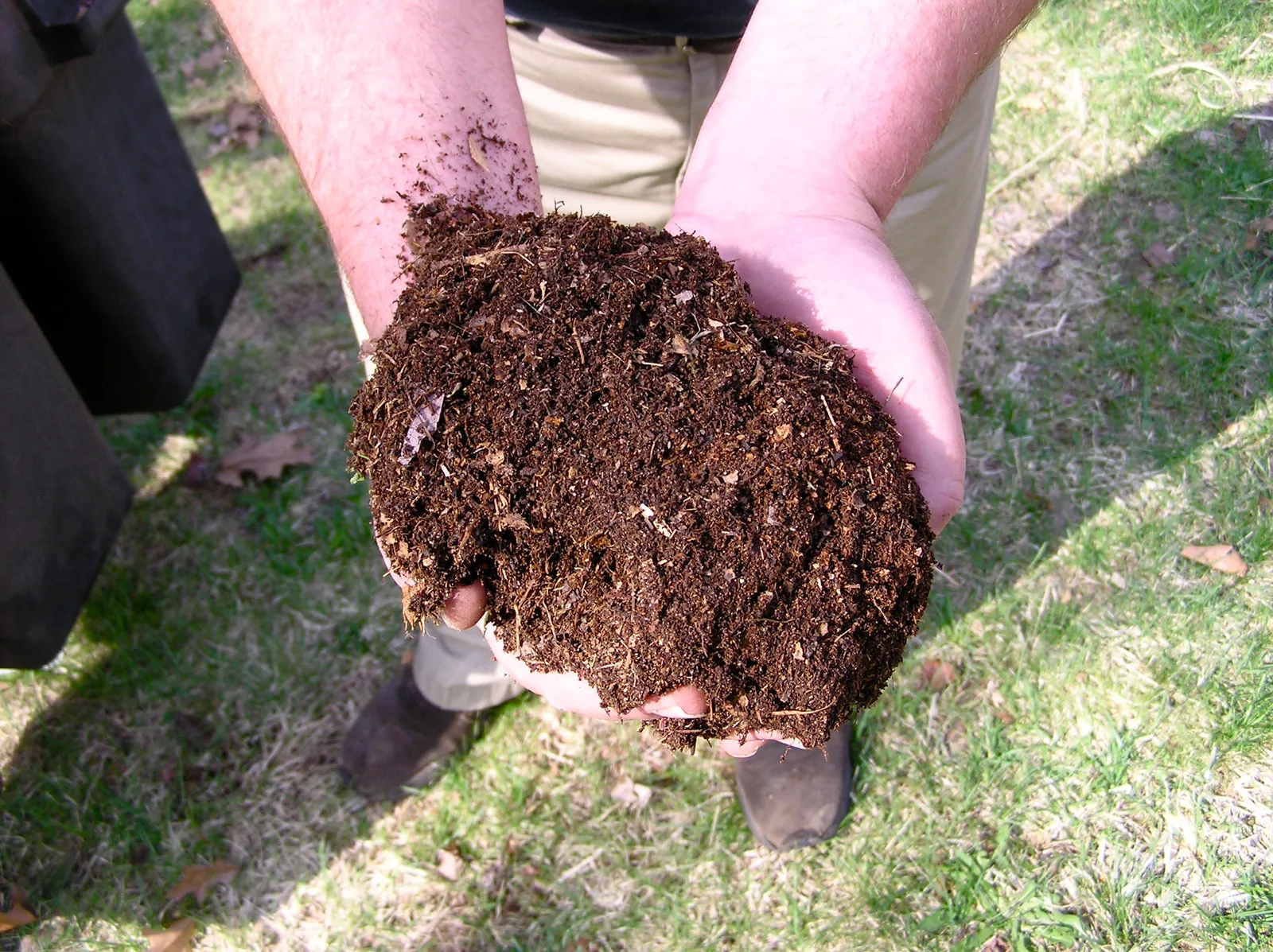
Finished compost should resemble crumbly earth rather than a recognizable mixture of fresh inputs. UGA describes looking for that transformed texture and returning unfinished pieces for further decomposition. Do not call a batch ready solely because the timer on your calendar has expired. UGA compost-readiness guidance.
After the first full cycle, evaluate the routine: Did inputs fit? Was turning manageable? Could you harvest without dismantling the area? The better system is the one you can keep operating, not the one with the most ambitious speed claim. This comparison is based on published guidance and specifications, not hands-on product testing.
Sources & further reading
We favor university extension guidance and original product documentation. Linked sources support the specific facts cited; they do not endorse Garden Gear Atlas.
- EPA: Composting at Home
- Illinois Extension: Types of Compost Bins
- University of Minnesota: Composting in Home Gardens
- Oregon State Extension: Compost Tumbler Suggestions
- Royal Horticultural Society: Composting
- UGA Extension: Composting and Recycling Landscape Trimmings
- FCMP Outdoor: IM4000 manufacturer specifications