Choose leaves for your kitchen, then choose the plant
Flat-leaf and curled parsley are forms of Petroselinum crispum. Both are grown for foliage, with differences in texture and typical culinary preference. Illinois Extension describes their rosette growth and treats parsley as a biennial usually grown as an annual. Buying the form you enjoy using is more useful than treating one leaf shape as universally superior. Illinois Extension: parsley as a biennial
Think about how often parsley appears in your meals. A few sprigs of garnish require less planting than regular large salads or batches of sauce. If your household uses it frequently, plan several accessible plants rather than one decorative specimen at the back of a crowded container. Keep the plants near a route you already use so harvesting is an easy part of cooking.
Buy a labeled plant or seed packet and keep that identity clear. Do not identify unfamiliar volunteer plants for eating merely because their leaves resemble parsley. If comparing flat and curled types, plant them separately and make notes about cleaning, chopping and the texture you prefer. That practical comparison helps determine what deserves space in the next planting.
Make room for slow and uneven emergence
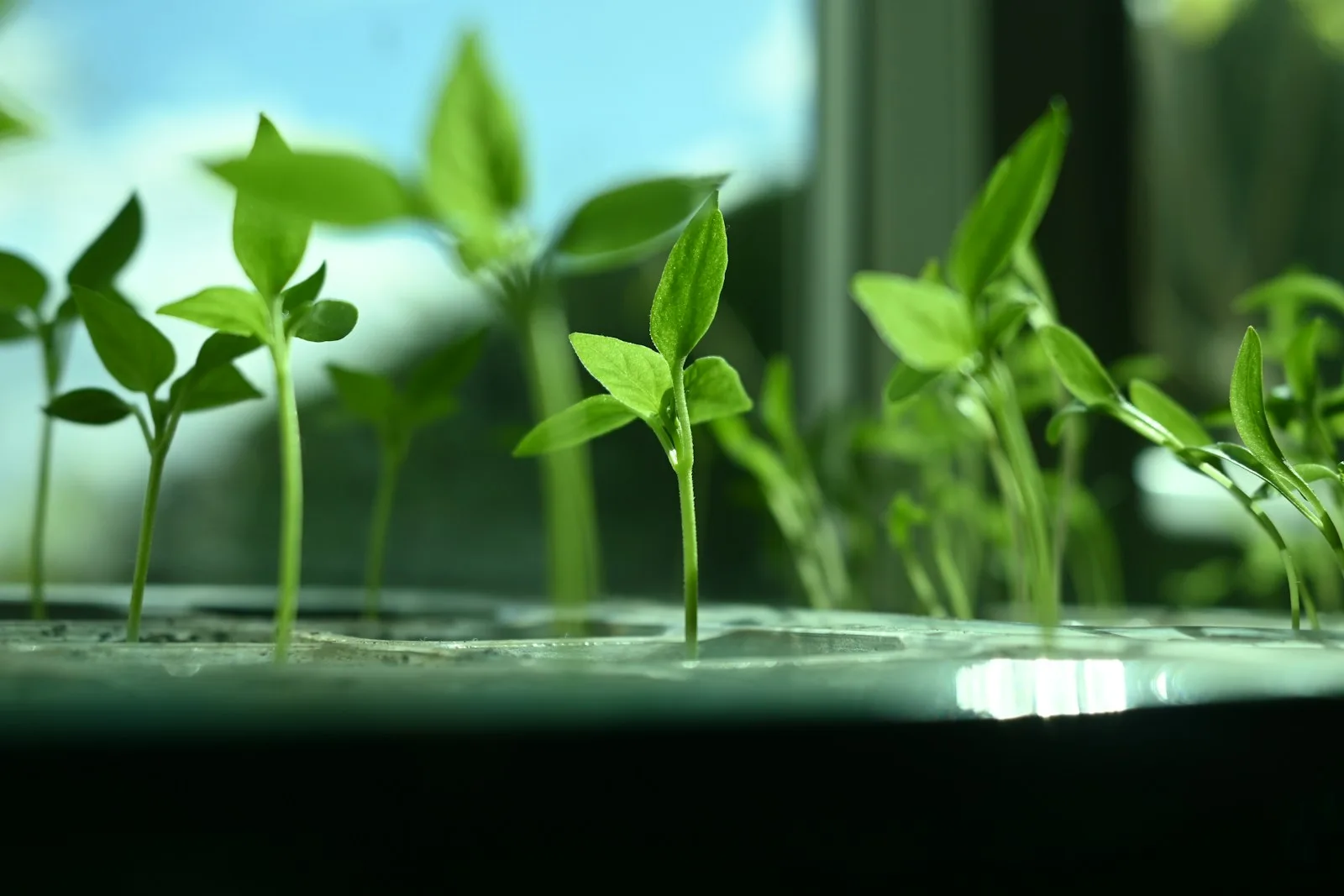
Minnesota reports that parsley germination can take two to five weeks, depending partly on seed freshness, and suggests a soak of up to a day before sowing. It recommends shallow sowing, consistent moisture and clearly marked rows. These are useful starting expectations when a tray appears empty while quicker crops have already emerged. Minnesota Extension: parsley germination and harvest
Label the sowing date and keep the packet so you can check its instructions. Choose a seedbed or tray position you can monitor without disturbing it. Do not let the slow crop disappear beneath other work. A simple marker is especially helpful outdoors, where an apparently unused patch can otherwise be weeded, replanted or stepped on before the parsley has a chance to appear.
If emergence disappoints, review moisture and temperature history before resowing. Consider a small separate trial from fresh seed rather than adding another unmarked layer to the same patch. If the original sowing later emerges, you can distinguish it and thin deliberately. The aim is a clear comparison, not a crowded pot whose plants have several unknown ages.
Buy transplants when the harvest cannot wait
Parsley can be transplanted, but Illinois advises taking care with the taproot. A transplant gives you an established plant while avoiding the uncertain wait for seed emergence. It does not justify tearing a congested pot into many damaged pieces simply because every stem looks like a potential new plant. Illinois Extension: parsley as a biennial
Look for a healthy crown and enough root space for the plant to continue growing. Ask whether a large sale plant has already overwintered if its age is unclear. Choose the number of plants you can accommodate without crowding, and prepare their final positions first. A modest young plant is often a more useful purchase than a large pot whose history and remaining leaf-harvest window are uncertain.
Use transplants and seed together if that fits your needs: a few plants for near-term meals and a labeled sowing for later replacement. Keep the two batches distinct in your notes. This gives you a way to learn germination without making every dinner dependent on it. Once you know how long your seedlings take, adjust the balance toward whichever method suits your time and space.
Fit the season to the climate
In Florida, UF/IFAS recommends parsley as a cool-season crop, with fall and winter planting and some afternoon shade. It may flower and finish by late spring. That pattern differs from the spring-through-fall leaf crop many northern gardeners expect. The plant's biennial life cycle interacts with climate, so a national planting month is not a reliable guide. UF/IFAS: parsley in warm climates
Check regional advice before choosing a permanent container position. If summers are intense, evaluate the actual afternoon exposure and how easily you can maintain moisture. If winters are cold, decide whether the garden is primarily a seasonal leaf crop or an experiment in overwintering. Treat either approach as a clear purpose instead of expecting the same plant to perform equally through every season.
Parsley needs moisture with drainage, and NC State lists sunny growing conditions and a clumping habit. Keep the crown accessible so you can see whether growth is renewing from the center. Do not bury it beneath dense neighboring herbs simply because all the plants share a culinary label. A mixed pot works only when the individual plants still receive suitable care and room. NC State Extension: Petroselinum crispum
Harvest stalks while protecting the center
Minnesota recommends harvesting outer stalks close to the base rather than clipping only the leaf tips and leaving bare stalks behind. Protect new growth in the center of the rosette. That pattern supports continued harvesting during the useful leafy stage and gives you complete stems that are easier to gather for kitchen preparation. Minnesota Extension: parsley germination and harvest
Take enough for the meal and leave a functioning plant. If you need a large quantity, spread the cut among several plants or schedule a separate harvest batch. Compare the new growth before cutting heavily again. A small container plant should not be expected to supply the same repeated bowlfuls as an established row simply because both are called cut-and-come-again herbs.
If leaves disappear, inspect for the animal or insect responsible before treating. NC State identifies parsley as a swallowtail butterfly host. You may choose to share a plant with caterpillars while keeping another for the kitchen, but identify them first. A deliberate choice is more satisfying than applying a remedy to unknown chewing and later discovering you removed a visitor you wanted. NC State Extension: Petroselinum crispum
Replace the leaf crop when flowering takes over
After overwintering, parsley commonly sends up flower stalks in its second season. Illinois describes the resulting leaves as tougher and less desirable. Flowering is a normal life-stage change, not automatically evidence of neglect. Plan new plants for leaf production rather than relying on repeatedly cutting the stalk to restore a permanent first-season rosette. Illinois Extension: parsley as a biennial
An older plant can still have a role if you want flowers for visiting insects or an observation plant. UF/IFAS notes that pollinators use the blooms. Decide which plants may remain and which space is needed for replacements. Keep any seed-saving project labeled, and distinguish it from your main kitchen planting so flowering stems are not mistaken for unexplained crop failure. UF/IFAS: parsley in warm climates
Review the gap between your last good harvest from old plants and the first useful cut from replacements. That gap tells you when the next seed batch or transplant purchase should begin. Adjust from your actual season rather than a generic promise of continuous parsley. With clear plant ages and a replacement plan, slow germination and second-season flowering become scheduling decisions you can manage.
Sources & further reading
We favor university extension guidance and original product documentation. Linked sources support the specific facts cited; they do not endorse Garden Gear Atlas.
- Minnesota Extension: parsley germination and harvest
- Illinois Extension: parsley as a biennial
- UF/IFAS: parsley in warm climates
- NC State Extension: Petroselinum crispum