Choose which result the purchase must deliver
Write down the job before comparing colors: a full entrance bed next spring, a sequence through a mixed border, several pots for a special view, or a planting expected to return. A bulb can meet the first goal without meeting the last. Decide how much variation you will accept in future flower count, height and color distribution.
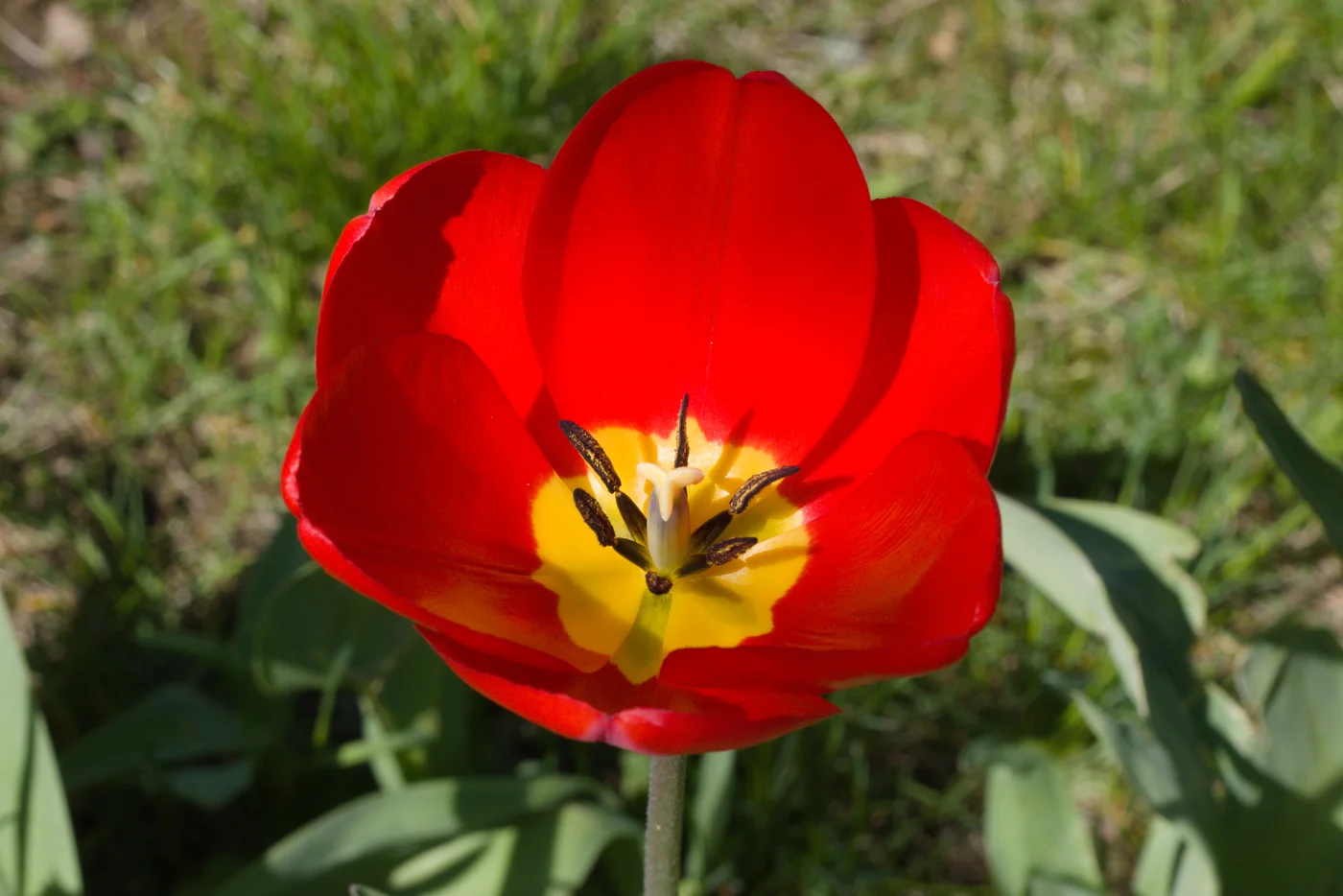
RHS describes many border tulips as temporary seasonal displays, often replaced for the strongest show. Iowa State identifies group differences in persistence, with Darwin Hybrids among the stronger returning hybrid options. These accounts support different garden goals rather than one universal replace-or-keep rule. RHS: Growing tulips Iowa State: Perennial tulip types
Plant markers are especially useful for a return trial; a digging trowel suits modest planting pockets and later inspection. Neither tool improves the inherent suitability of a tulip group for your climate. The useful early shopping decision is the plant’s intended display cycle, followed by the equipment required to maintain that choice.
Treat the group name as more useful than perennial marketing
Keep cultivar, group, stated height and bloom period together in your comparison. A retailer’s perennial label can describe botanical lifespan or likely garden performance, and those are not equivalent promises. Ask what the claim means in practice and whether it is based on experience in conditions comparable to yours.
Kew accepts Tulipa gesneriana as a cultivated-origin species. The practical garden border category also contains hybrids with other ancestry; it should not swallow every wild species listed in the same catalog. Kew: Tulipa gesneriana
If long-term persistence is your priority, compare named return candidates within the garden-hybrid category first. Research species tulips separately when their smaller scale or particular conditions may fit. Do not buy a mixed bag hoping its strongest survivors will also retain an exact planned color pattern. A mixture is suitable when variation is welcome; a repeated formal scheme needs a clearer identity and replacement strategy.
Make an annual display financially and physically complete
Count the bulbs required for the chosen planting area, then include the work of autumn planting and spring removal in the plan. Use the plant-spacing planner only after selecting spacing appropriate to your display and supplier’s guidance. Its grid is a quantity aid; it cannot decide how densely your particular tulips should be arranged.
Budget for the whole repeatable project using current supplier quotes: bulbs, delivery, any required regional preparation and the materials actually missing from your setup. Do not assume that saving every bulb will remove next year’s purchasing cost. Equally, do not include new pots, tools and irrigation automatically if the existing equipment is suitable.
Define the end of the display before planting. If the bed must be cleared promptly for summer use and the bulbs will be discarded, treat it as that seasonal purchase from the outset. If you want to retain some bulbs, reserve their recovery space so the change of intention does not force green leaves into darkness or an unprepared corner.
Set up a return trial you can interpret
Use a small number of named groups in clearly separate patches. Keep their planting dates, approximate depth, count and exposure comparable where practical. If one group occupies a different site, record that difference instead of treating the result as a fair cultivar comparison. The purpose is to learn what works in your garden, not to produce a universal ranking.
Iowa State describes Darwin Hybrids as a useful long-lived hybrid class and notes that many other popular border types decline in vigor over successive years. Choose candidates with that limitation visible in your expectations. Iowa State: Perennial tulip types
Make the patch large enough to judge as a display, but small enough that a disappointing result is manageable. Keep new replacement bulbs outside the trial. Otherwise, the following spring’s flowers cannot be attributed to the old planting. A marker should carry a short batch code that matches fuller notes; trying to fit the entire history on one label makes both harder to use.
Compare bloom timing within the local season
Early, midseason and late are relative terms. Iowa State describes tulip groups extending flowering across spring, with weather affecting the dates. A warm spell may compress the sequence you hoped would last for weeks. Iowa State: All about tulips
For coordinated colors, use comparable group descriptions from one supplier and treat the first season as verification. Record first open flower, useful peak and the end of the display. Add a photograph from the normal viewing point, not only a close-up of the finest bloom. That shows whether the combination worked at garden scale.
If a particular weekend matters, spread the risk across more than one flowering group or accept a flexible display. Bulbs are living plants responding to weather, not a reservation for an exact date. Pots purchased already in growth can change the immediate planning options, but they should not be assessed as though they followed the same autumn-to-spring sequence as your outdoor trial.
Keep animal losses and climate failures out of the wrong column
Record what actually happened before deciding a tulip failed to perennialize. If bulbs were excavated by animals in autumn or flower buds were eaten in spring, the outcome says little about the surviving plant’s ability to return. Iowa State lists multiple browsing and digging animals and emphasizes exclusion where those animals are responsible. Iowa State: Tulip problems
A useful note distinguishes absent emergence, healthy leaves without a flower, damaged buds and a full flower that opened briefly. Photograph the affected group before cleanup. Where animals are common, put the trial in a protectable location and verify the protection at both bulb and emerging-growth stages.
Likewise, settle regional chill and drainage before interpreting a group comparison. Use the spring-bulb climate guide to plan those conditions. More fertilizer cannot supply missing winter chill or prevent water collecting around a bulb. If every group declines in one wet pocket, investigate the shared site before replacing all of them with more expensive cultivars.
Preserve the right plants after flowering
At the end of bloom, identify which bulbs belong to the return trial and which belong to a one-season display. For retained bulbs, leave the foliage until it declines naturally. Iowa State: All about tulips Remove spent flowers as appropriate without removing the leaves needed for the retained planting. If you are uncertain which group is which, resolve the labels before beginning the changeover.
A container display needs a separate recovery position if the pot must leave its prominent spot. Check the route, weight and watering access in advance. Keep the growing medium from being neglected merely because the flowers have finished. If bulbs will move into the garden, have an identified destination and understand that moving them introduces another variable into a return trial.
Do not divide every group on a yearly schedule. The crowded-bulb guide helps distinguish a genuine congestion problem from other reasons for weak flowering. Keep the trial intact when it is still manageable and the main question is whether that group can provide a useful second or third spring.
Decide what to repeat from a small set of observations
Review the trial with four observations: how many positions flowered, whether the height and bloom quality suited the site, how long the display was useful and whether the aftercare fitted your routine. Leaves alone count as survival, not a successful flowering display. A smaller returning patch may still be worthwhile in an informal border even if it would disappoint at a formal entrance.
Repeat the groups and locations that met the intended standard. Replace declining formal displays deliberately; retain productive informal patches; and end trials whose conditions cannot be improved reasonably. Keep a photograph and order details for an annual scheme you want to recreate, even if the bulbs themselves are not saved.
If the work of repeated planting is the objection, make the annual display smaller rather than assuming every garden tulip can become permanent. If predictable spring density is the priority, plan the replacement budget honestly. Matching the purchase to the expected result makes both approaches easier to evaluate and maintain.
Sources & further reading
We favor university extension guidance and original product documentation. Linked sources support the specific facts cited; they do not endorse Garden Gear Atlas.
- Iowa State: Perennial tulip types
- RHS: Growing tulips
- Iowa State: All about tulips
- Iowa State: Tulip problems
- Kew: Tulipa gesneriana