Choose a flower goal before a starting method
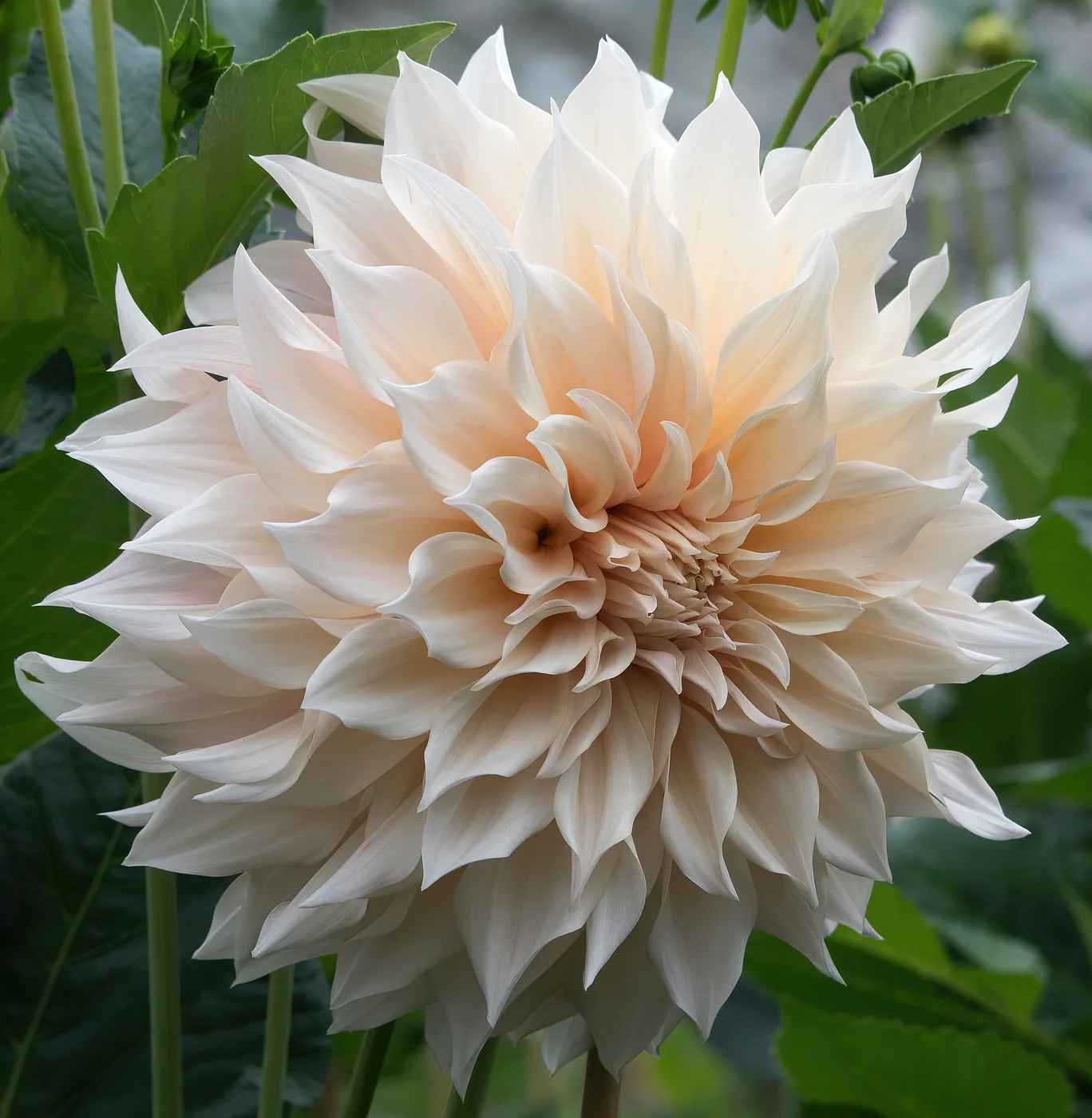
Decide whether the priority is an early patio flower, a branching plant for repeated vase cutting, or a few exceptionally large blooms. A dormant division, rooted cutting and plant already in flower begin at different stages. The cheapest package can create the most indoor care if it arrives well before your outdoor growing conditions are ready.
Write a short specification for each planting position: mature height, usable width, flower form, approximate preferred bloom period and whether you want stems for cutting. Keep the cultivar and growth habit beside the photograph so a tempting flower color does not silently replace the size requirement.
Soft garden ties and comfortable sharp pruning shears belong on the shortlist only when you have a support and a cutting job planned. ONE-WRAP ties connect shoots to suitable stakes; a FELCO 6 is one existing bypass option for hands it fits. Check your current tools before adding either item to the order.
Compare dormant roots, cuttings and leafy plants fairly
RHS describes dahlias sold as dormant tubers, rooted cuttings, potted plants in growth and seed. Seed-raised bedding plants can vary, while a named vegetative start is the useful route when you want to repeat a particular cultivar. The formats create different immediate care requirements. RHS: Growing dahlias
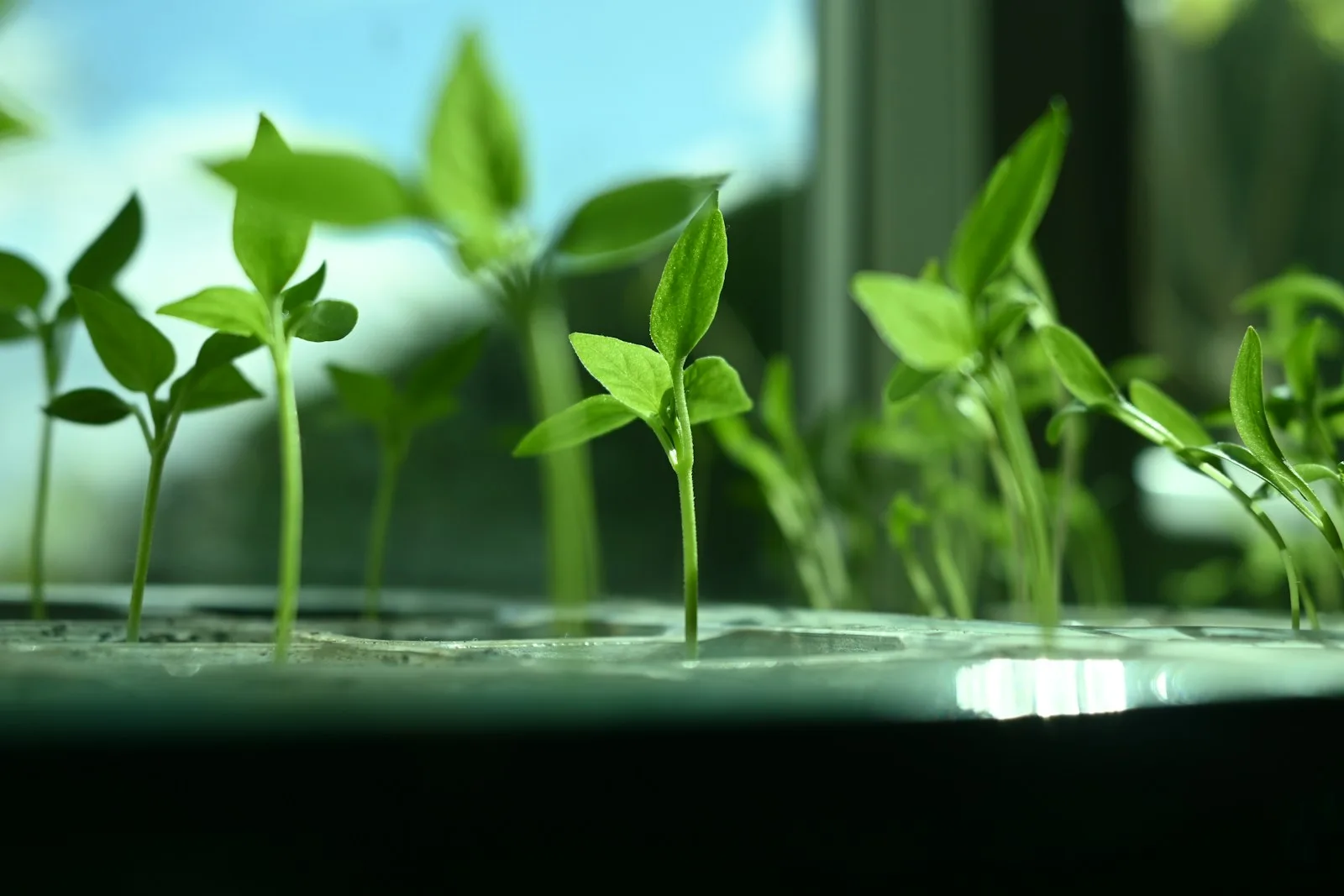
For a dormant division, allow for the time and conditions needed to initiate growth. A rooted cutting arrives with living leaves and a relatively small root system that you must maintain immediately. A larger growing plant occupies more space but allows you to inspect its current branching and, sometimes, flower form before choosing it.
Compare the total establishment job, including shipping timing, potting needs, light, protection and your absence from home. If you will be away when a box arrives, request a suitable delivery window or buy locally at a stage you can handle. A start that survives in a parcel is not necessarily one that can wait unattended once unpacked.
Inspect the structure without manufacturing a problem
A sound division needs a crown eye, neck and tuberous root kept connected. The swollen root alone is not the whole viable unit. Iowa State: Planting and caring for tender perennials
Keep the label with each start and take an arrival photograph before potting. Look for obvious soft decay, severe damage and broken connections; do not repeatedly flex the neck to see whether it is sound. An eye may be small or difficult to distinguish while dormant. If the seller’s division is unclear, ask the seller to identify it from the photograph rather than slicing it into pieces to search.
For plants in growth, inspect the whole habit, the crown area and the leaves. Note whether shoots are already branched, damaged or excessively elongated. Keep questionable material apart while seeking an explanation. A purchase described as named or premium does not exempt it from inspection, and a single unfamiliar leaf mark is not enough to diagnose a virus.
Fit the start to the remaining useful season
Count the practical steps between arrival and outdoor establishment. A cutting may need time to settle, plants grown under protection need an outdoor transition, and a start held through cold weather needs sufficient light throughout the delay. Use a local frost window and current conditions, not the date on a distant grower’s planting calendar.
Work backward from the period when you want flowers, but leave uncertainty visible. A late purchase of a dormant start offers a different prospect from a leafy specimen already setting buds. If an early display is essential, ask about the plant’s current stage and local establishment expectations rather than relying only on a generic days-to-bloom claim.
Do not pinch newly arrived plants automatically on unpacking day. Establish their identity and condition first, and note any previous shaping. Use the rooted-cutting transition guide for the move from protected conditions. Once plants are growing in their intended setting, you can assess the branching decision from real shoots rather than a catalog ideal.
Choose pinching with the first-flower tradeoff visible
Utah State’s cut-flower guidance recommends removing the terminal growing point when plants are about 12 inches tall to promote branching. It notes that initial flowering can be delayed. This is a useful production choice, not a requirement to cut every dahlia regardless of stage, habit or season. Utah State: Dahlia cut flower production
Identify the main growing tip, the leaf nodes below it and the shoots already present. If the plant is healthy and the goal is a branching cutting plant, make a deliberate cut above a suitable retained node so the leaves and lower growth remain. Support the shoot while cutting and avoid tearing the stem. Keep enough structure to recognize what you changed.
If the plant is already well branched, has been pinched by the nursery, or is bought late with a valuable first bud, weigh the benefit before removing it. For a simple comparison, treat two similar plants differently and label them. Record the first flower date and later usable stems rather than concluding that the bushier plant automatically performed better for your goal.
Plan support for the branches you intend to keep
Before pinching, look at the space the eventual branches will occupy. More shoots are only useful when they can be supported, watered and reached. If the plant already presses into a narrow path, additional branching may expose a poor location choice. Reconsider its allotted footprint rather than repeatedly cutting whatever interferes with access.
Utah State recommends early support for cutting dahlias because stems can break and fitting structures around larger plants becomes difficult. Utah State: Dahlia cut flower production
For one plant, position a stable support to serve its mature shape. For several, compare a shared support with separate stakes, allowing entry for cutting and inspection. Add ties as connectors without cinching stems tightly. Recheck ties after growth spurts and rain. An existing tomato-style cage may be useful if its height, width and anchoring fit the chosen cultivar; its name does not guarantee that it fits every dahlia.
Do not confuse pinching with removing flower buds
Once the plant is branching, a new decision appears: how many developing blooms to retain on individual shoots. Removing smaller side buds can favor a larger central flower. RHS: Growing dahlias This is a different objective from pinching an early shoot to produce branches. Likewise, removing an exhausted flower is maintenance of an existing flowering plant. Name the intended result before each kind of cut.
A home cutting garden does not need to copy every exhibition technique. If you want several modest stems for small vases, removing numerous healthy buds may reduce the flowers you would actually use. If a single large bloom is the goal, seek a cultivar-specific exhibition method and accept the corresponding reduction in number.
Use observed performance to choose. Photograph a shoot before intervention, record which buds were removed and compare the flower you eventually obtained. Stop adding new techniques if you cannot tell which change affected the result. The deadheading guide handles the separate question of spent flowers and seed production across the garden.
Read the first flowers before revising the whole plan
For cutting, allow the flower to reach an appropriate open stage; Utah State reports that overly early harvest can leave a bud incompletely opened. Take stems during a cool part of the day and place them in water promptly. Utah State: Dahlia cut flower production
Evaluate the first blooms alongside the plant’s condition. Short stems may reflect the chosen compact habit, while a single broken shoot points to support or handling. A pause after deliberate pinching should be recorded as part of that treatment. Do not answer every disappointment with an extra fertilizer application or another round of cutting.
Keep notes through a useful portion of the season: establishment date, any pinch, first bloom, stem proportions and whether harvesting remained comfortable. Then choose what to repeat. Label worthwhile plants before the flowers disappear and use the winter decision guide if saving roots is part of your plan. The best starting method is the one that produced the flowers you wanted within your actual space and care routine.
Sources & further reading
We favor university extension guidance and original product documentation. Linked sources support the specific facts cited; they do not endorse Garden Gear Atlas.
- RHS: Growing dahlias
- Utah State: Dahlia cut flower production
- NC State Extension: Garden dahlias
- Iowa State: Planting and caring for tender perennials