Identify what is below the foliage
“Summer bulb” is a shopping category, not one storage instruction. The plant may grow from a true bulb, corm, rhizome or tuberous root, and some plants sold alongside them are managed differently again. Keep the botanical name and cultivar with the plant while it is still easy to identify. A bare clump in November is a poor starting point for choosing its winter treatment.
Minnesota Extension distinguishes hardy bulbs, including lilies, from tender summer subjects such as dahlias, tuberous begonias and gladiolus that require indoor winter storage in its cold climate. Flowering in summer does not by itself make a plant tender. University of Minnesota Extension: Planting Bulbs, Tubers and Rhizomes
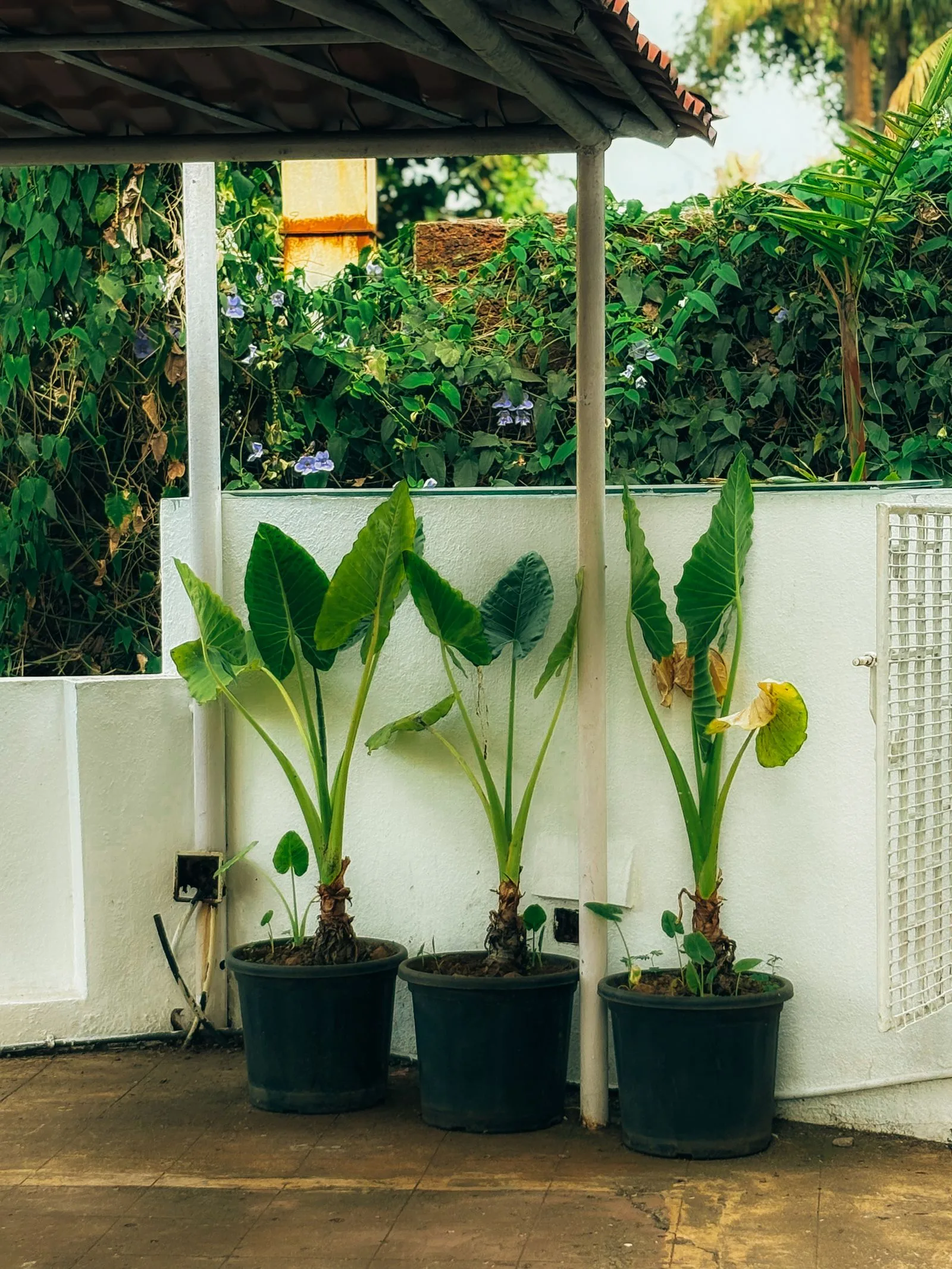
Make an inventory with one entry per plant group: location, botanical identity, intended winter method and where it will go if lifted. Include pot-grown plants. Large leaves and a common name such as “elephant ear” are insufficient to choose a winter routine. Use the actual label and reliable species information before deciding whether to keep foliage growing or store a dormant organ.
Compare the outdoor risk with your actual storage space
Ask two separate questions: can this plant survive the local winter in this site, and can you offer better conditions indoors? A room that feels cool to you may be too warm for one species, while an unheated garage may freeze. Measure the proposed storage location, including its colder corners, rather than deciding from the room's name.
Iowa State describes finding the correct storage temperature as a major home-gardening challenge. Its guidance recognizes that a garage can become too cold and that growing some tender plants as annuals is a reasonable option when suitable storage is unavailable. Iowa State University Extension: How to Overwinter Tender Perennials
Compare three practical choices: retain a locally suitable plant outdoors, lift and store healthy material, or replace it next year. Consider the cost and availability of the cultivar, the physical lifting task and the number of boxes you can inspect. An inexpensive seasonal plant can reasonably be replaced. A valued cultivar may justify a carefully monitored storage location. The choice should be made before frost, while there is time to prepare.
Leave plants outdoors only when species and site support it
Local experience is useful when it refers to the same plant in comparable ground. Ask about drainage, shelter and the winters it has survived, rather than treating one neighbor's success as proof for every bed. A planting beside a warm wall differs from one in a low, wet, exposed border. Note whether the neighbor leaves established clumps or newly planted material in place.
RHS guidance allows leaving dahlias outdoors in milder regions or light, freely draining soil, while acknowledging losses during harsh or very wet winters. It describes a protective mulch in that context. This is an option with conditions, not evidence that mulch makes dahlias hardy everywhere. Royal Horticultural Society: How to Grow Dahlias
Florida guidance identifies cannas, crinum and amaryllis among bulbs suited to its warmer conditions. The decision therefore changes with the plant and region, not simply the season printed on a packet. University of Florida IFAS: Bulbs for Florida
If you want to test outdoor survival near the edge of reliable conditions, use a small, replaceable trial. Mark it and record the site. Do not make the survival of your entire valued collection depend on an untested bed.
Build separate temperature groups for stored material
Avoid filling one mixed box labeled “bulbs.” Iowa State recommends about 40–50°F for cannas and dahlias, 35–45°F for gladiolus, 50–60°F for calla rhizomes, and 55–60°F for elephant-ear types that form suitable storage organs. These are storage references for identified dormant material, not summer growing temperatures. Iowa State University Extension: How to Overwinter Tender Perennials
Caladium is a useful exception to a generic cool-cellar rule. UF/IFAS advises storage at 60°F or above and recommends lifting before frost in zone 8a and colder. It describes reducing watering as leaves yellow and preparing the tubers for dormancy. University of Florida IFAS: Caladiums
Use those differences to draw a shelf plan. Put each group's label on its container and on your inventory. If your only measured space stays close to 42°F, it may suit the cooler group but does not become suitable for caladium because the packages fit together. If you have no appropriate warmer space, change the plan for that plant rather than hoping insulation will establish a new steady temperature.
Compare the guidance for the exact species you own when common names cover several plants. The label “elephant ear” deserves particular attention before any foliage is cut away.
Lift and prepare in manageable, labeled batches
Arrange the drying and storage area before digging. Work with one named plant group at a time, keeping its label attached throughout handling. Make room to set clumps down without crushing them. Use enough clearance around the plant that you are not repeatedly stabbing through its underground structures while trying to find the edge.
The preparation sequence differs by species. Iowa State gives gladiolus a warm, ventilated curing period of roughly 2–3 weeks before cleaning old corm material away and storing. It also explains that some elephant-ear varieties lack the underground storage structures needed for this dormant approach and should be overwintered as houseplants. Iowa State University Extension: How to Overwinter Tender Perennials
For dahlias, RHS recommends storing healthy, dry material, avoiding unnecessary injury and delaying division until spring because fresh wounds can provide entry points for rot. Royal Horticultural Society: How to Grow Dahlias
Follow the chosen species protocol rather than washing, cutting and packing everything identically. Keep preparation and final storage as separate stages on the inventory so half-finished batches do not get forgotten. If weather interrupts the work, the labels and staging area should make it clear which plants have been lifted and which are ready to store.
Inspect storage instead of treating it as abandonment
Set a recurring inspection habit you can sustain and examine each labeled group, including those at the back. Check both the plant material and the conditions around it. Write down signs of shriveling, wet packing, condensation, soft tissue or premature growth, then ask whether they point to the plant's condition, storage moisture or the room temperature.
RHS recommends regular checks of stored dahlias and removal of material showing rot. Royal Horticultural Society: How to Grow Dahlias
Our practical approach is to keep containers accessible and make small corrections based on observation. Avoid soaking an entire mixed collection because one clump looks dry. Do not assume a tightly sealed box is better because it reduces attention; the requirement is a storage environment appropriate to the species. Preserve air access and packing conditions specified in the selected protocol.
Record losses honestly. If only one cultivar fails repeatedly in the same otherwise successful group, it may warrant a separate trial. If every box shows the same problem, inspect the shared location before blaming each plant. Temperature readings during cold spells are particularly valuable when the storage area is connected to outdoors.
Plan spring restart before you run out of space
Check the surviving material against the inventory before ordering replacements. Decide which plants can go directly into suitable outdoor conditions and which you want to start in pots. Starting everything early indoors creates a new requirement for light, warmth and pot space; the dormant storage shelf may not be suitable once shoots emerge.
UF/IFAS describes starting summer bulbs in pots in warm, adequately lit conditions and gradually acclimating them for the garden. University of Florida IFAS: Bulbs for Florida
Use the species' planting guidance and your local conditions to choose the restart date. Frost risk and soil warmth matter more than the date a new bag appears in a garden center. Keep the growing plants labeled through potting and planting, and retain the winter notes for the next autumn.
Evaluate the method by how many healthy plants reestablish, not only how many clumps survived in a box. If storage consumes more space and attention than you want, reduce the collection to favorites or select plants more suited to remaining outdoors. A smaller, well-matched collection can provide a more dependable summer display than a large assortment with incompatible winter requirements.
Plan the next stage separately: starting dahlias and managing early growth involves different material and timing from staggering gladiolus corms for cut flowers.
Sources & further reading
We favor university extension guidance and original product documentation. Linked sources support the specific facts cited; they do not endorse Garden Gear Atlas.
- University of Minnesota Extension: Planting Bulbs, Tubers and Rhizomes
- Iowa State University Extension: How to Overwinter Tender Perennials
- University of Florida IFAS: Caladiums
- Royal Horticultural Society: How to Grow Dahlias
- University of Florida IFAS: Bulbs for Florida