Identify which part is getting taller
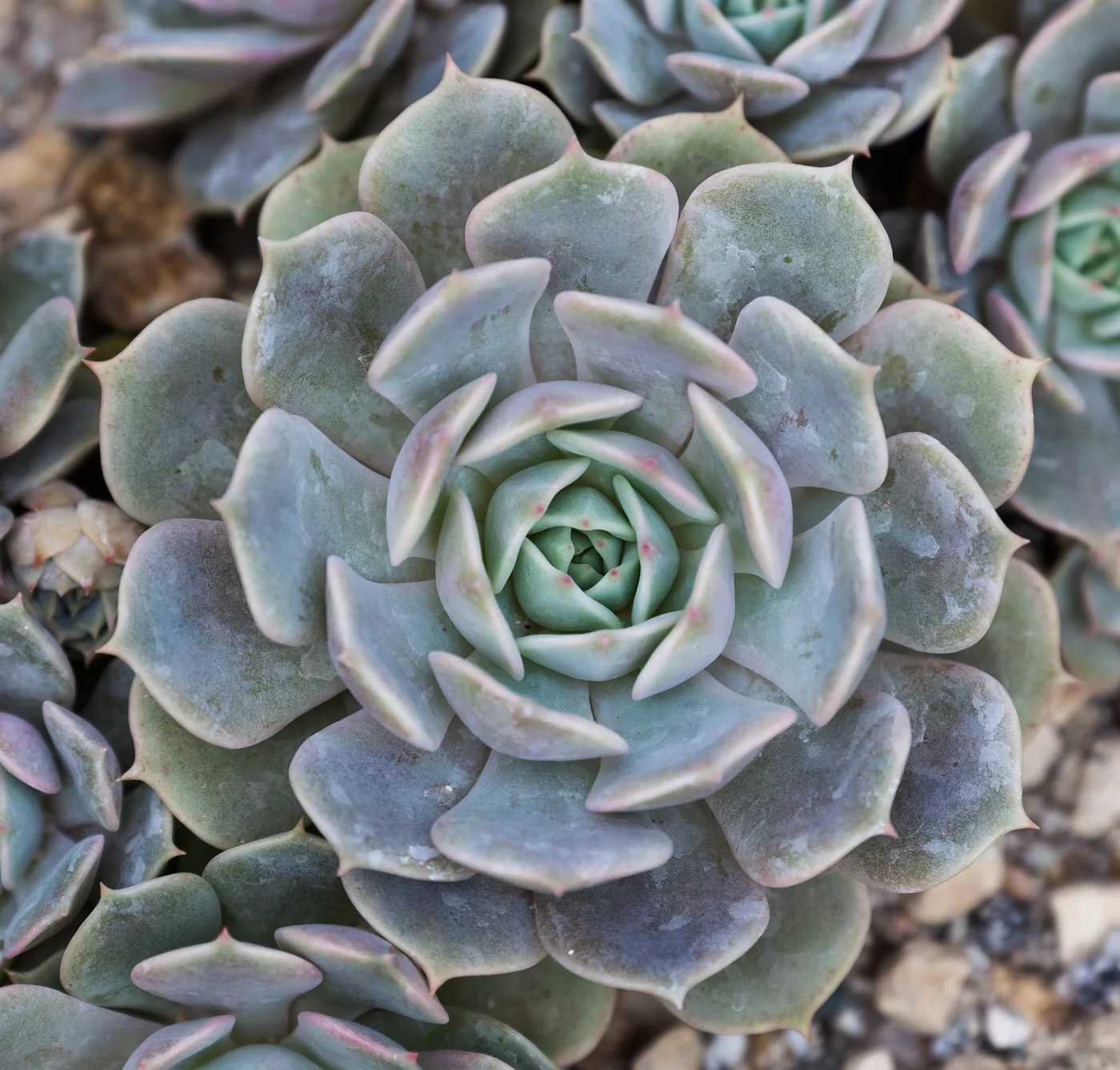
Look at the plant from the side before deciding that every tall structure is a problem. Echeverias send up flower stalks above their rosettes; NC State describes those flowering stems as separate features of the plant’s growth. NC State: Echeveria Follow the tall structure to its origin. A stalk beside a compact rosette is different from an elongated main stem with broad gaps between the leaves that once made a tight rosette.
Take a top photograph and a side photograph with a simple size reference beside the pot. Include the newest center leaves and the lower stem. Avoid stripping leaves just to improve the view. The photographs will let you compare the plant later without repeatedly lifting it by its foliage. If the plant is labeled Echeveria elegans, retain that identity in the record; if it is an unknown hybrid, keep the uncertainty. Different forms should not be judged against a single ideal photograph from an unrelated plant.
Audit the light that actually reaches the rosette
Illinois Extension links inadequate light with stretched, elongated succulent growth. Illinois Extension: Stepping into the World of Succulents Start with the existing placement: measure the distance from the window in a practical way, note the shelf above it and look for leaves of other plants between the rosette and the light. A bright room can contain a dim growing spot. Opening the blinds for a photograph does not describe the plant’s ordinary day.
Overhangs and obstructions can change light at a window. Compare the actual rosette position under normal room conditions. Minnesota Extension: Lighting for Indoor Plants
Define the target without using a universal exposure number
For Echeveria elegans, RHS lists a sunny position, while NC State permits full sun to partial shade. RHS: Echeveria elegans NC State: Echeveria elegans Those descriptions do not mean that a shaded indoor specimen can immediately tolerate every summer patio. Window glazing, season, local heat and the plant’s previous conditions all matter. The practical target is enough usable light to support appropriate new growth without creating abrupt damage during the change.
Choose a starting location with protection from the most intense exposure you are likely to encounter. Decide what you will observe before increasing exposure again: new damage, firmness, center growth and the way the pot dries. A staged plan is easier to adjust than a dramatic move followed by emergency rearrangement. Do not chase a particular pink tint or photograph color as the main measure of success. The compactness and health of new growth provide a more useful basis for deciding whether the position is working.
Make one observable transition at a time
If moving outdoors, introduce the new conditions gradually and keep a place available where you can reduce exposure. Minnesota’s cacti and succulent guidance recommends acclimating plants to outdoor conditions. Minnesota Extension: Cacti and Succulents Rain and heat also change outside, so write down what moved with the light. A plant placed on an exposed table may experience several new stresses even if you intended only a brighter morning.
Indoors, begin by correcting obvious obstructions and positioning problems. If adding a fixture, follow its mounting guidance and compare usable plant coverage over the rosette rather than the brightness of the room. A manufacturer’s suggested distance is a starting condition for that fixture, not a universal succulent measurement. Maintain a repeatable routine, and adjust one controllable factor before making another major change. That allows a later photograph to answer a useful question. If you change the pot, medium, lamp and location together, you may be unable to tell which change helped or which introduced a new problem.
Evaluate the newest leaves without expecting old growth to shrink
After a correction, keep the earlier side photograph available. Existing gaps along a stretched stem are part of its growth history; do not use their continued presence alone as evidence that the new placement has failed. Focus on what develops at the center and compare the relationship among successive new leaves. This is an observation method rather than a promise about how quickly an individual plant will respond.
If the center continues to open while the plant remains otherwise firm, return to the placement audit. Is the lamp actually reaching it, did another plant grow into the light, or did a curtain close for the season? If tissue instead becomes abruptly damaged after the move, reconsider exposure before increasing it again. Take dated photographs under similar viewing conditions so shadows and camera angles do not create a false impression of improvement. Give the plant time to produce evidence, while remaining ready to investigate a progressive health problem.
Choose among keeping, supporting and restarting
A stretched echeveria does not have to be discarded simply because the original outline has changed. If the plant is stable and healthy, you may keep the shape while maintaining better conditions. If it leans dangerously, modest temporary support can reduce accidental movement while you decide. If the old form no longer suits the display, propagation can create a new plant, provided suitable healthy material is available and you have an establishment space.
RHS notes that ungainly succulents can be renewed from cuttings. RHS: Houseplant Cacti and Succulents Make this a deliberate second decision after arranging adequate growing conditions. A newly rooted rosette returned to the same unsuitable shelf can repeat the original pattern. Do not bury an elongated section deeply simply to hide it and then assume the care problem is solved. Compare the value of keeping the existing root system with the effort and uncertainty of rooting new material, especially for a plant with personal significance.
Plan propagation as its own project
Echeveria elegans can be propagated from offsets, leaves or cuttings, according to NC State. NC State: Echeveria elegans An available rooted offset may offer a different starting point from an unrooted top or detached leaf. Choose healthy material and label each piece so the method and parent identity remain clear. If the parent has a soft or deteriorating base, investigate that problem before using its material to fill additional pots.
RHS leaf-cutting guidance provides a method for succulent leaves; use its instructions if that is the route you choose. RHS: Leaf Cuttings Prepare only the number of pieces for which you have suitable space. Give the propagation container a separate care note and keep it distinguishable from the established parent. The aim is not to maximize the count of pieces on a tray. It is to establish a useful replacement or spare that can eventually occupy the improved position without being crowded back into poor light.
Spend only after the observation points to a missing feature
If you can move the plant to suitable light already present in the home, you may not need equipment. If a lamp is necessary, compare coverage, secure mounting, routine control and the clearance required as the plant grows. Use the grow-light placement guide to evaluate the arrangement. A fixture purchased for several tall houseplants may need a separate placement solution to serve a small rosette below them.
If the limiting issue is container access or unstable support, use the succulent pot guide and resolve that specific problem. Do not use fertilizer to push visible growth while the light question remains unanswered. Keep your before-and-after photographs and a brief record of changes. The finished outcome is a plant whose new growth fits its intended form, with a practical decision about the older stem. For species identity, seasonal limitations and routine care, refer to the Echeveria elegans profile.
Sources & further reading
We favor university extension guidance and original product documentation. Linked sources support the specific facts cited; they do not endorse Garden Gear Atlas.
- NC State: Echeveria
- Illinois Extension: Stepping into the World of Succulents
- Minnesota Extension: Lighting for Indoor Plants
- RHS: Echeveria elegans
- NC State: Echeveria elegans
- Minnesota Extension: Cacti and Succulents
- RHS: Houseplant Cacti and Succulents
- RHS: Leaf Cuttings