Begin with an evening destination
Choose where you are likely to encounter the flowers: beside a seat, along the route from a door, or near a sheltered patio edge. Then assess whether that place can support the plant. A fragrant species hidden in a seldom-visited corner may satisfy a plant collection but contribute little to the way you use the garden.
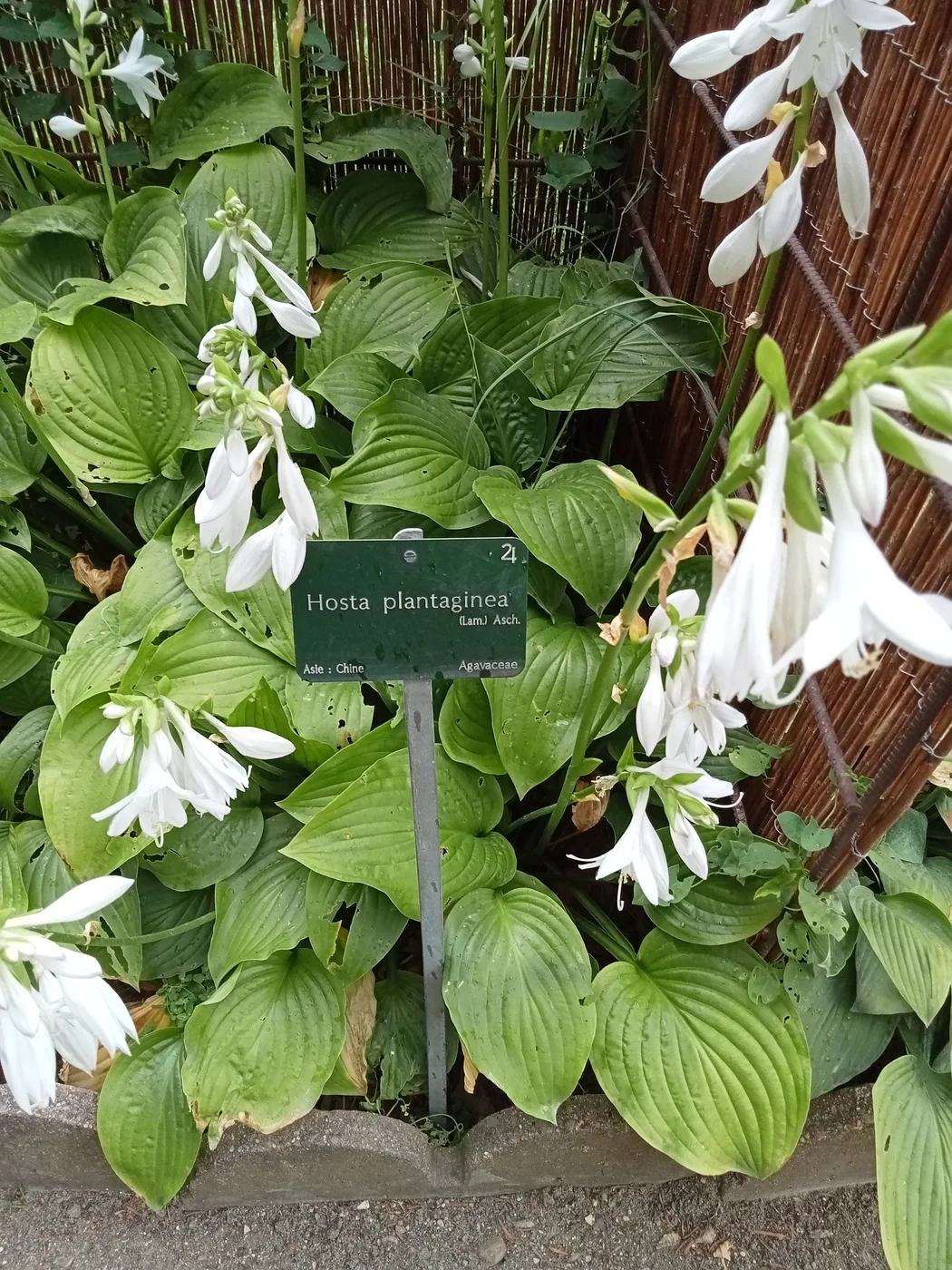
NC State describes Hosta plantaginea's large white flowers opening in late afternoon or evening. It also identifies the species as comparatively tolerant of heat and sun within the hosta group. NC State Extension: Hosta plantaginea
That creates a specific placement problem. You want access to the flowers without treating the most exposed paving edge as automatically suitable. Sketch the full leaf spread, the sitting or walking position, and the route used for watering. If those overlap awkwardly, move the crown farther into the bed or consider a separate pot in a more manageable location.
Verify the plant behind the fragrance claim
Write the complete botanical name and cultivar on the shopping list. If your objective is the species Hosta plantaginea, do not silently substitute a fragrant hybrid. If your objective is simply a fragrant hosta that fits a certain width, compare named hybrids openly as alternatives. The distinction makes the buying decision more accurate without implying that one group is inherently better.
Missouri Botanical Garden notes that hosta cultivars span a very wide range of sizes, foliage colors, and shapes, while only some offer strongly fragrant flowers. Missouri Botanical Garden: choosing hostas
Ask for dimensions and local flowering performance together. A compact plant with foliage you love may be a better fit for a small pot, while the species may suit an open bed. Keep the invoice or label with a plant photograph. If flowering later disappoints, you will have a reliable identity to discuss with the nursery instead of trying to infer the cultivar from a damaged leaf.
Compare two locations during the demanding part of summer
Visit each candidate site when direct sun is strongest, then inspect it again after an ordinary dry interval. Note which ground receives rain, which sits under a roof overhang, and which is occupied by tree roots. Shade is only one part of the comparison. The ability to deliver and retain useful moisture can make the difference between an attractive planting and a recurring rescue task.
RHS cautions that hostas are poorly suited to dry soil and exposed windy locations. It recommends moist soil and partial shade as a general growing position. RHS: growing hostas
If the shadier site is severely root-competitive and difficult to water, do not assume it wins. Consider another position, a container, or a different plant. Avoid cutting structural tree roots or raising soil deeply around an established tree to manufacture a hosta bed. The dry-shade tree-root guide helps assess those constraints before the nursery purchase.
Make moisture delivery visible at establishment
After planting, learn how water moves through the actual root ball and surrounding ground. A wet surface beside the plant does not tell you that the original nursery medium received water. Apply water where you can observe it entering, then inspect the planted area without repeatedly digging into the roots. Keep notes after the first few irrigations so you know whether runoff or uneven wetting needs attention.
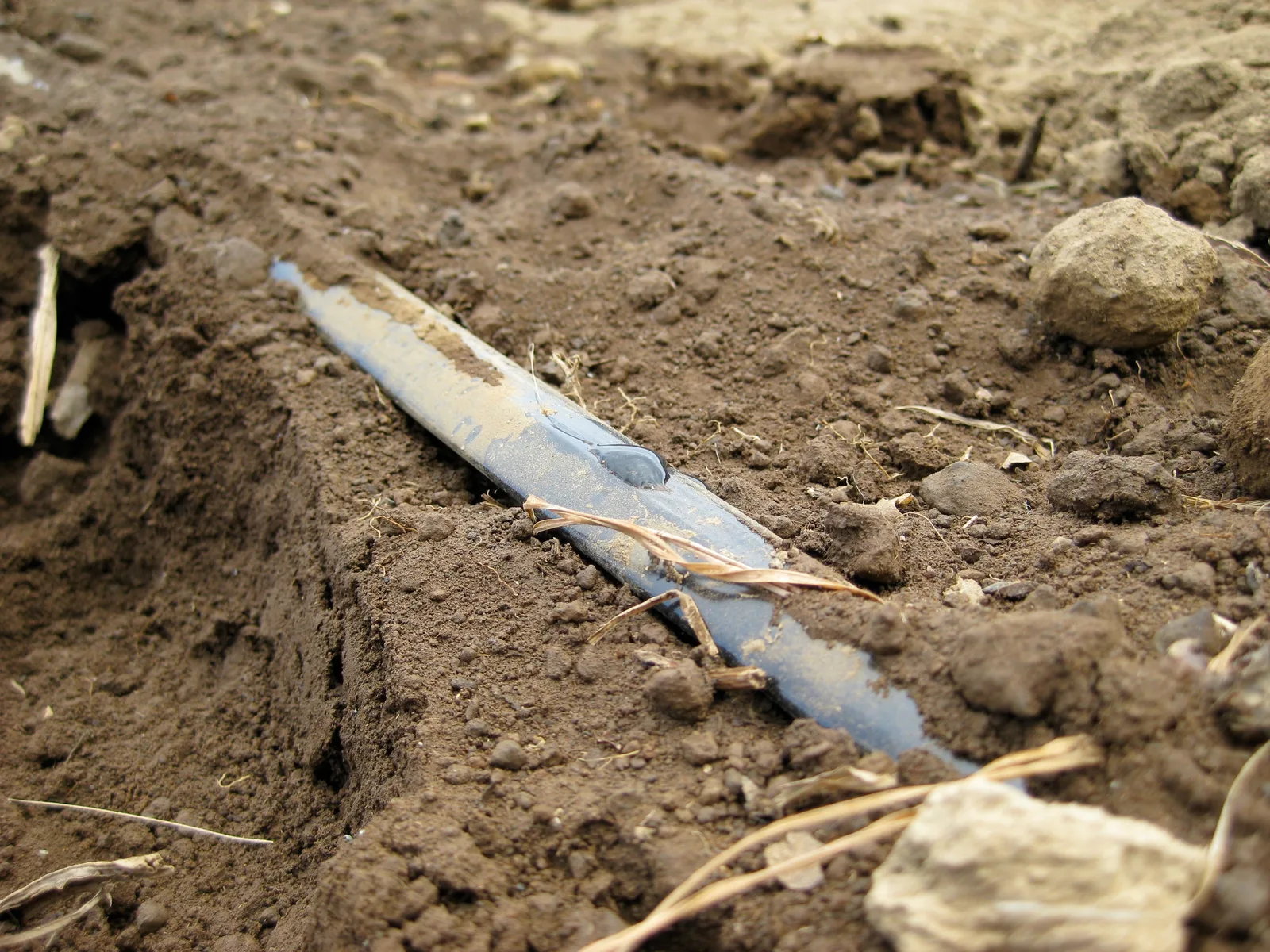
Choose a delivery method that you can inspect beneath the eventual canopy. A hand-watered specimen may be perfectly manageable. A row of plants farther from the tap may justify irrigation, but only after you establish what each root zone needs. Avoid adding the hosta to an existing circuit merely because the tubing passes nearby.
Use the irrigation circuit guide when several plant groups share a water source. Its value here is planning compatible needs and reachable equipment. A timer cannot confirm that a hose shifted or an emitter is delivering water to the intended plant.
Interpret missing flowers without promising a quick fix
First confirm the plant's identity and local flowering window. Then ask whether the plant was recently divided, planted, or moved; whether developing flower stalks were cut during cleanup; and whether the root zone repeatedly dried. Include changes in overhead shade and nearby competition. Those observations establish a useful history before you change care.
Separate three outcomes: no flower stalks appeared, stalks appeared but were lost, or flowers opened when you were not observing. Each calls for a different next step. A plant that was clipped before flowering does not need a fertilizer experiment to explain that season's missing display. A plant whose buds disappeared needs a closer look at damage rather than an automatic move to stronger sun.
Keep the response proportional to the evidence. Correct a documented maintenance mistake immediately, improve a clearly unsuitable position when feasible, and allow an establishing plant time to show what it can do. If uncertainty remains, bring the name and history to a local horticultural adviser instead of buying a product labeled to promote blooms.
Distinguish scorch, spots, and unusual color patterns
Minnesota Extension distinguishes bleached or papery sunscald from scattered leaf spots and vein-related discoloration. Its guide notes that viruses can cause unusual mottling or distortion and require testing for confirmation. Minnesota Extension: hosta leaf symptoms
Describe where the affected leaves sit. Are the worst areas on the side nearest reflected afternoon heat? Did many leaves develop marks after the same weather event? Are new leaves also distorted? Take a whole-plant photo and a close view of both leaf surfaces before removing the evidence. Include a healthy leaf for comparison if one is available.
Avoid interpreting every mark as an insect problem or every unusual pattern as attractive variegation. Pause division and sharing if a contagious problem is suspected, then seek an identification. A diagnosis should direct the response. Repeatedly applying unrelated treatments can delay that process while leaving the original exposure or moisture problem unchanged.
Treat a collapsing leaf base as a separate warning sign
Minnesota's wilted-leaf diagnostic page describes petiole rot with collapsing leaves, soft brown leaf bases, and sometimes white fungal growth with small hard bodies around the base, often following warm wet conditions. Minnesota Extension: wilted hosta leaves
If collapse is centered at the base, inspect there before adding water. Photograph the crown area and note whether outer or inner leaves failed first. Keep any diagnostic sample intact as instructed by the service receiving it. A photo of an isolated brown leaf may omit the part needed to distinguish a root or crown problem from ordinary leaf aging.
Do not lift, split, and distribute a failing plant as a rescue routine before understanding the cause. Nor should a single symptom list be treated as a definitive diagnosis. The useful immediate action is to stop making the site wetter by reflex, preserve evidence, and obtain specific advice. Let the identified problem determine whether cleanup, removal, or a change in growing conditions is appropriate.
Choose cleanup that preserves the reason for planting
Mark fragrant plants on the maintenance plan before anyone trims flower stalks. The same person can reasonably prefer stalk removal on a foliage display and flower retention beside an evening seat. Clear instructions avoid an otherwise well-intended tidy-up removing the feature you wanted to enjoy.
After flowering, remove unwanted spent stalks individually if they no longer suit the composition. Keep healthy leaves that still contribute to the mound. Avoid cutting an entire plant down solely because a few leaves are torn; step back and judge how noticeable the damage is in the whole bed. Selective grooming should serve the planting rather than become a requirement for every minor imperfection.
At seasonal dieback, preserve the location with a durable marker. It helps prevent dormant crowns being dug through during bulb planting or path work. Place the marker beside the plant rather than through its center, and use a label that includes the full species or cultivar name.
Review the result before expanding the fragrant planting
Record both enjoyment and workload. Did you actually encounter the flowers? Could you water without stepping through the bed? Did the mature mound stay clear of the route? Were repeated leaf problems associated with one specific position? These questions may suggest a small relocation rather than a larger collection of plants.
If you want more plants, identify suitable destinations before dividing or purchasing. A successful specimen is not proof that every shaded corner has the same conditions. Repeat the site assessment where each new plant will grow. Keep enough space around an existing attractive clump to avoid dividing it solely because the original design was too crowded.
The most relevant purchase may be a durable Bosmere plant marker for preserving identity through dormancy. Watering equipment should solve a documented delivery problem, and cutting equipment should fit the actual task. Use the Hosta plantaginea profile to check the species' overall footprint before choosing those accessories.
Sources & further reading
We favor university extension guidance and original product documentation. Linked sources support the specific facts cited; they do not endorse Garden Gear Atlas.
- NC State Extension: Hosta plantaginea
- Missouri Botanical Garden: choosing hostas
- RHS: growing hostas
- Minnesota Extension: hosta leaf symptoms
- Minnesota Extension: wilted hosta leaves